


Cleaning, Sterilization & Safety Equipment
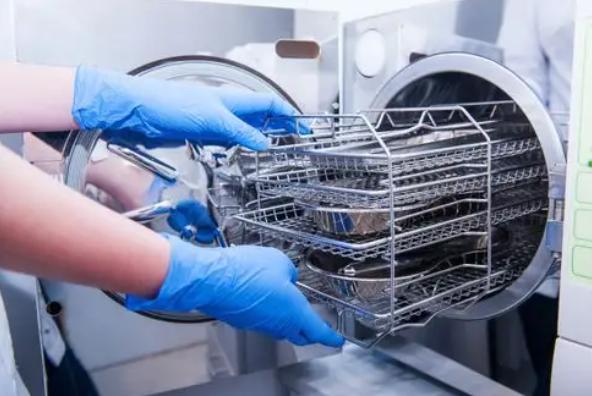
Why are Items Still Wet After Autoclave Sterilization? 6 Common Causes and Solutions
You run a full sterilization cycle. You open the autoclave and the packets are still damp. It’s a frustrating problem and one that happens more than most people expect. Wet packs following autoclave runs can be a slowdown in your productivity and, more significantly, raise concerns about whether the items are safe to use or…
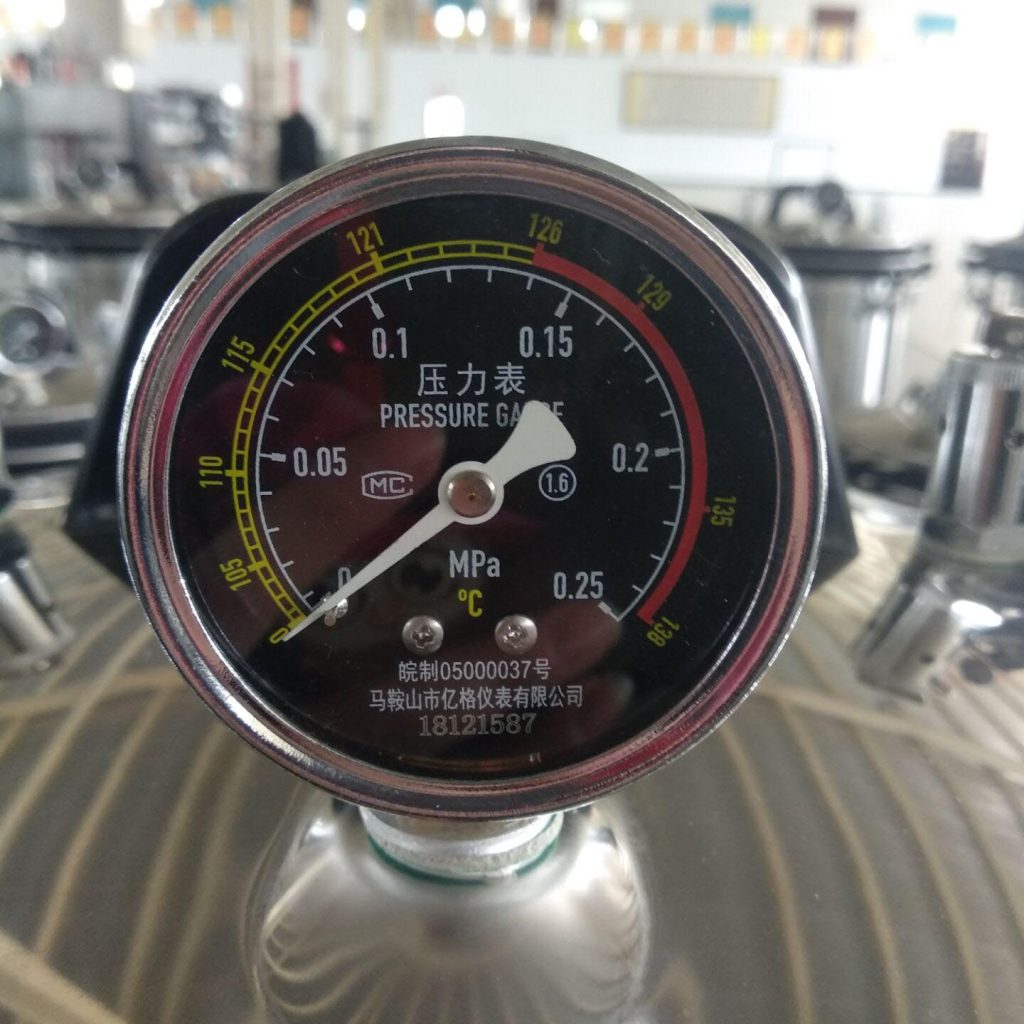
Autoclave Pressure You Should Know: PSI, Temperature, and Sterilization
Autoclave pressure is closely tied to sterilization temperature, but pressure alone does not sterilize a load. In steam sterilization, pressure allows saturated steam to reach the high temperatures needed to inactivate microorganisms. That is why pressure, temperature, time, steam quality, and air removal all matter when choosing and running an autoclave. What Is the Normal…
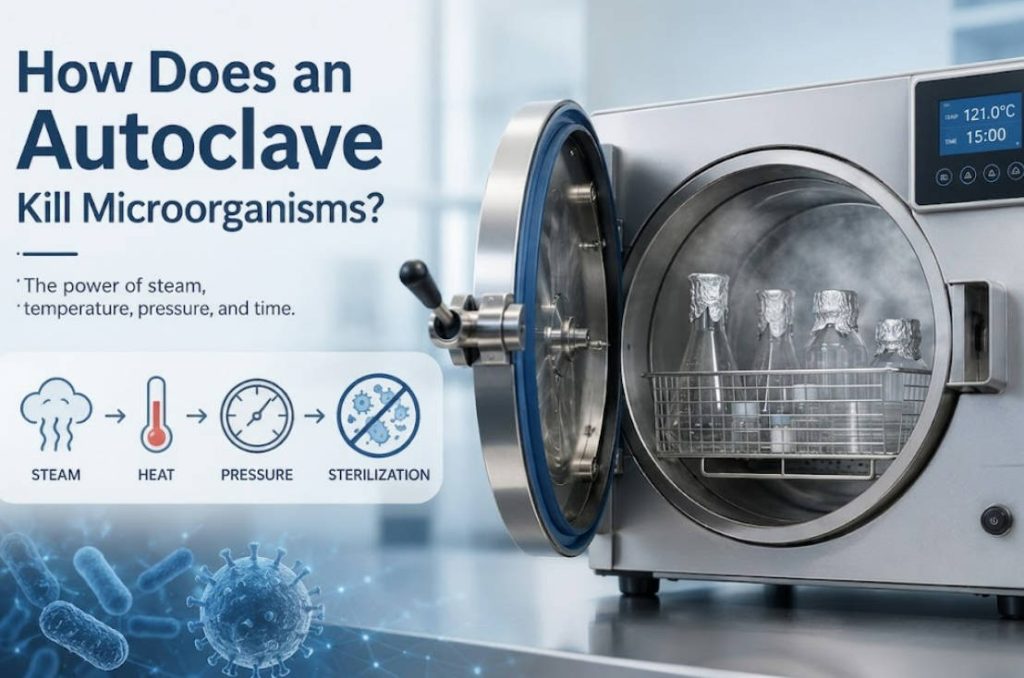
How Does an Autoclave Kill Microorganisms
A successful autoclave cycle is about more than high temperature or pressure. It is the combination of saturated steam, temperature, pressure, and sufficient exposure time that makes steam sterilization effective. An autoclave is a sterilization device that uses pressurized steam to treat laboratory materials, instruments, glassware, culture media, and other suitable items. In this article,…
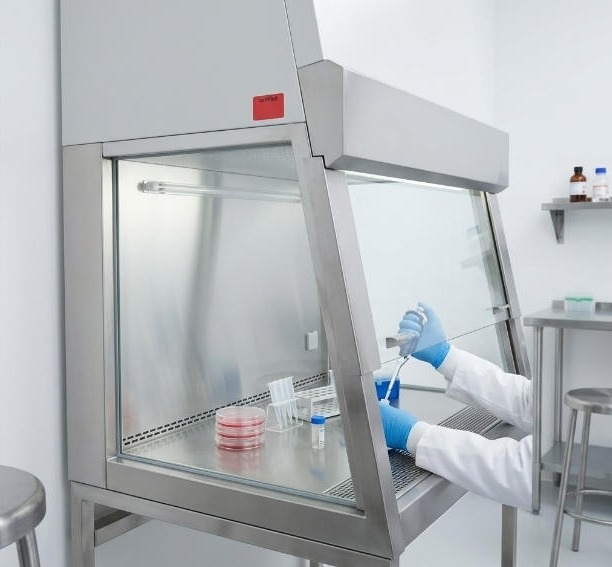
Standards for Biosafety Cabinets: From BSL-1 to BSL-4
Biosafety cabinets (BSCs) are critical laboratory equipment meant to protect the people working there, the lab materials, and also the surrounding environment from exposure to potentially hazardous biological agents. Their use ends up being tied to Biosafety Levels (BSL), meaning each laboratory is classified based on the risks that come with the microorganisms being handled. As the…
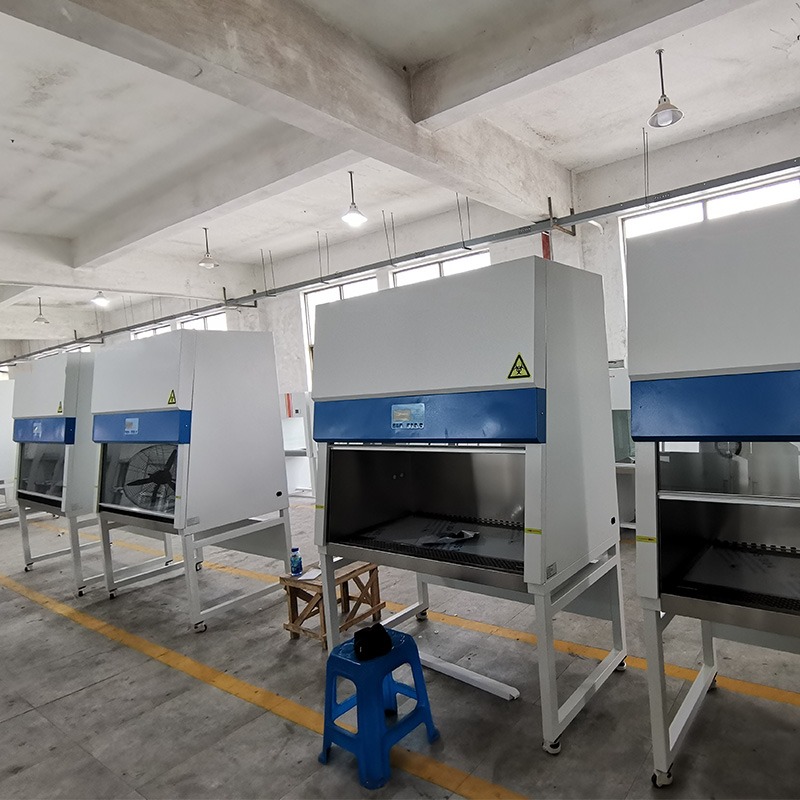
Comparing Class I, II, and III Biosafety Cabinets: Choosing the Right Type
Biosafety cabinets are categorized into Class I, II, and III, each offering different levels of protection and suitable for specific applications. Understanding the differences among these classes is essential for selecting the right biosafety cabinet for your laboratory’s needs. If you are setting up a new lab or upgrading your containment equipment, you’re probably asking yourself: Do I need to…
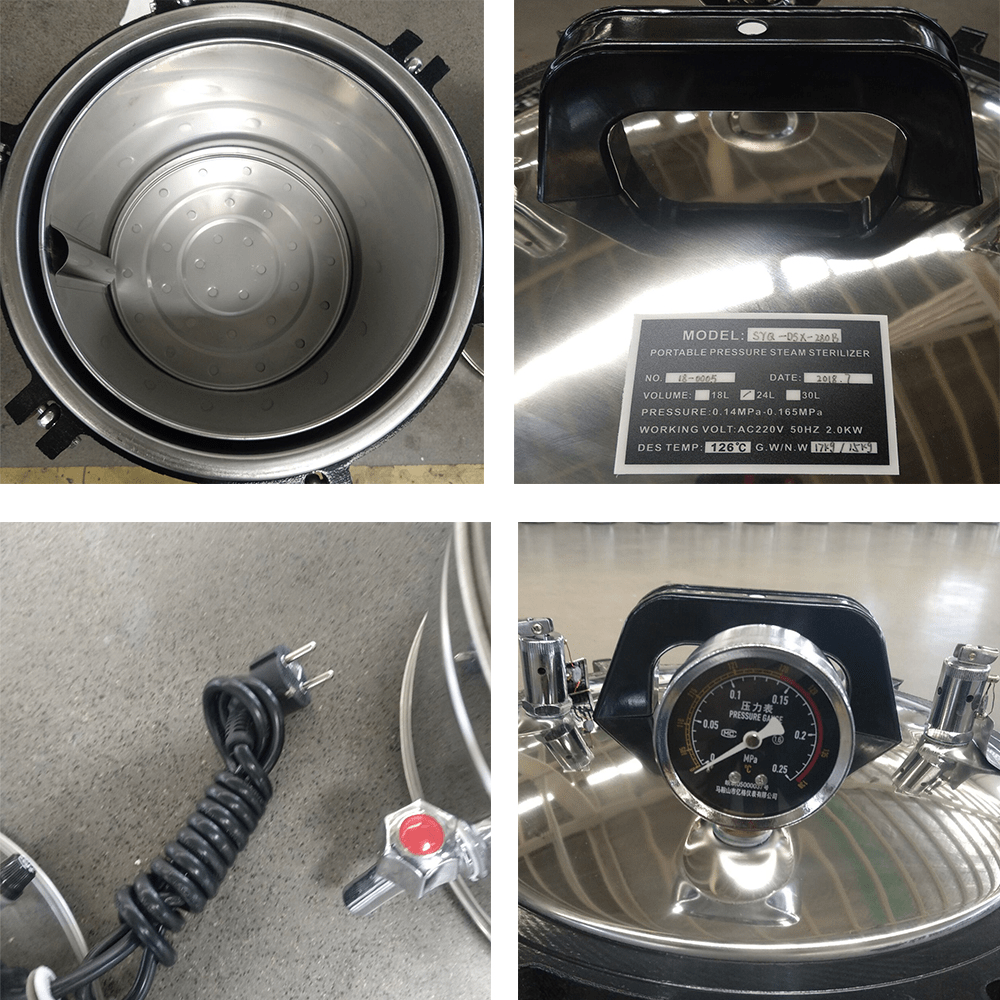
How to Clean an Autoclave: A Step-by-Step Guide
Autoclaves are basically essential sterilization devices that rely on high-pressure saturated steam to get rid of microorganisms from instruments, laboratory equipment, and a variety of materials. Over time, you can end up with residues from water, certain chemicals, and the actual sterilized loads that kind of build up inside the chamber, plus in the linked…
What Liquid to Use in Ultrasonic Cleaners: Common Types and Key Considerations
Ultrasonic cleaners show up in laboratories, workshops, medical facilities, and all kinds of industrial environments because they can sort of quickly loosen and remove dirt, grease, and other contaminants from delicate yet intricate items. One big thing that really affects how well it works is what liquid to use in the ultrasonic cleaner. Selecting the…
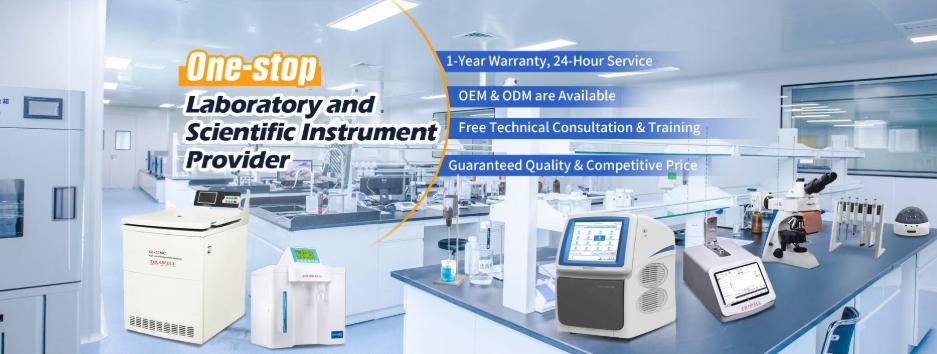
How to Choose the Right High-precision Instrument for Analytical Chemistry Labs
Choosing high-precision instruments really is like a foundational call in modern labs. In analytical chemistry labs, the end quality of results comes down a lot to whether the equipment fits the analytical aims, the kinds of samples, and the regulatory expectations. If you go in with a good selection process, accuracy tends to climb, the…
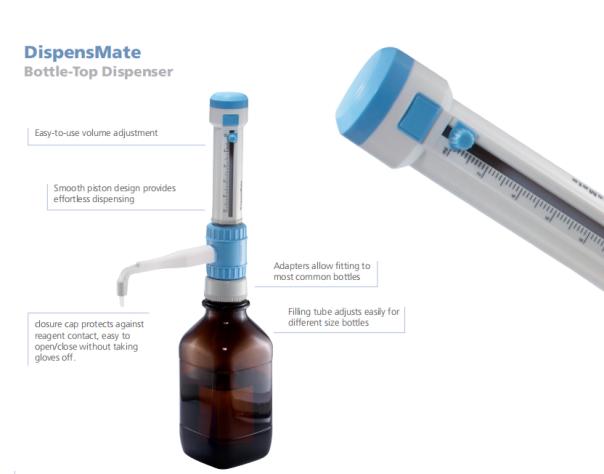
How to Use a Bottle-top Dispenser Effectively
Bottle-top dispensers serve as essential laboratory equipment because they enable scientists and industrial workers to precisely measure and dispense liquids. The proper operation of a bottle-top dispenser enables laboratories to achieve both accurate liquid measurement and safe operations which result in decreased waste production. The article will focus on the topics of effective Bottle-top dispenser use through detailed…
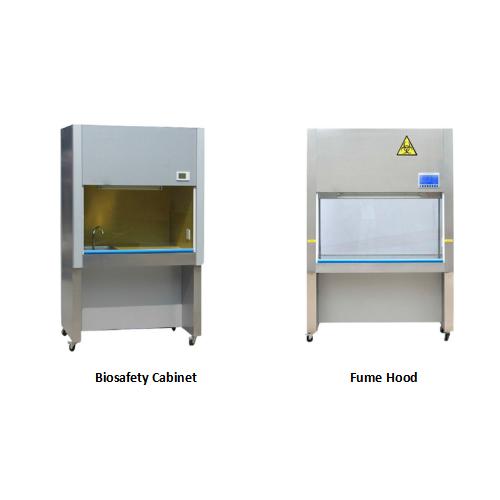
Knowing a Biosafety Cabinet: Principle, Types and Applications
In the modern world of biological research and clinical diagnostics, ensuring the safety of both the scientist and the sample is crucial. At the heart of this safety framework is the Biosafety Cabinet (BSC). It is a complex piece of engineering that is designed to offer three layers of security that include protection for personnel (from sampling) as well…
Browse by category:


