


Cleaning, Sterilization & Safety Equipment
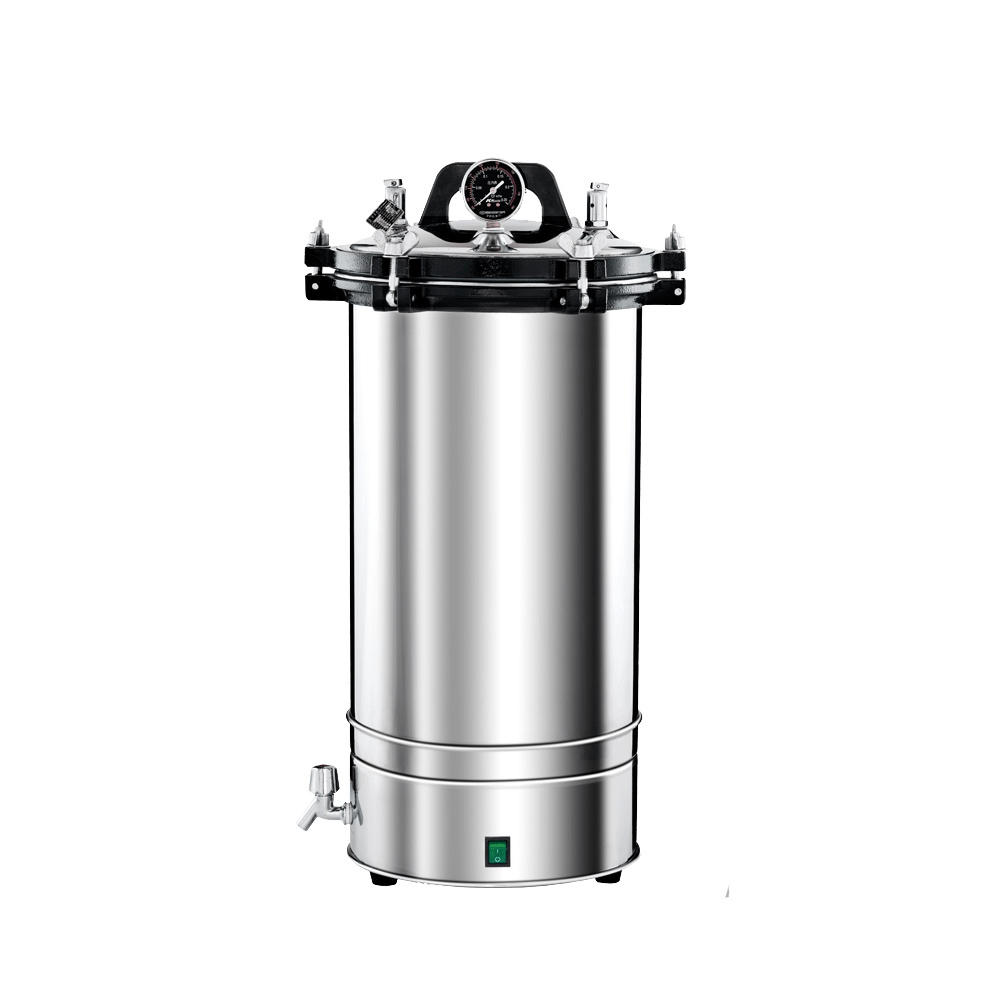
How to Monitor a Steam Autoclave Effectively
Monitoring a steam autoclave is essential to ensure effective sterilization and compliance with safety standards. Proper monitoring helps confirm that the autoclave reaches the required temperature, pressure, and time parameters to sterilize equipment and materials thoroughly. This article focuses on how to monitor a steam autoclave effectively. Why Monitoring a Steam Autoclave is Important An autoclave, which…
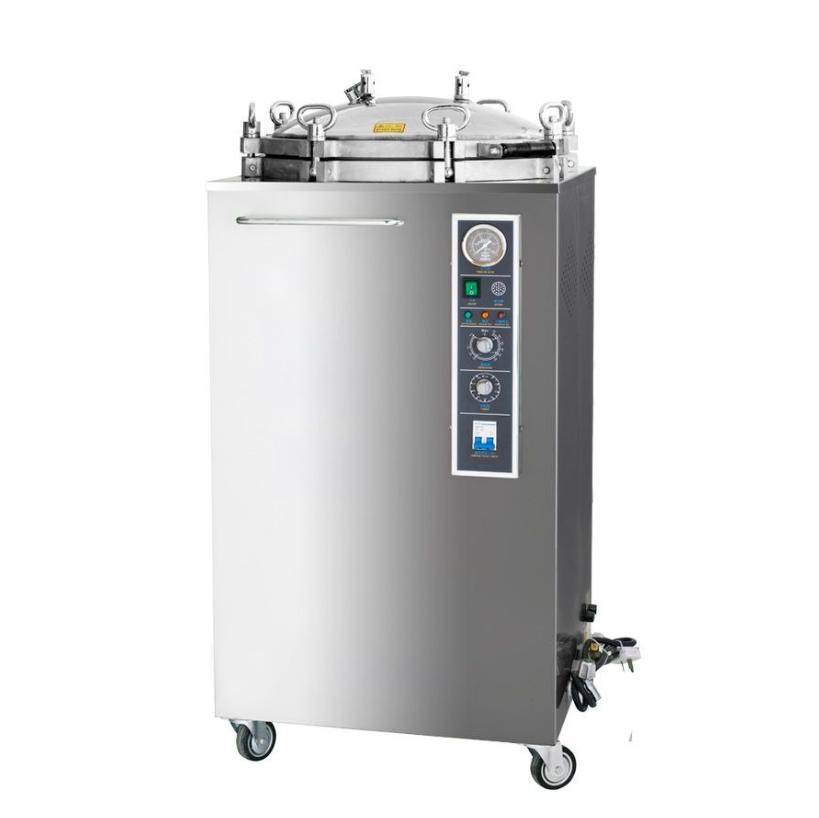
What Instruments that Can and Can’t Go into an Autoclave
Autoclaving is a critical sterilization process used in healthcare, laboratories, and various industrial settings to eliminate all forms of microbial life. However, not all instruments can withstand the intense heat, steam, and pressure of an autoclave. Here’s an overview of what instruments can safely go into an autoclave and those that require alternative sterilization methods….
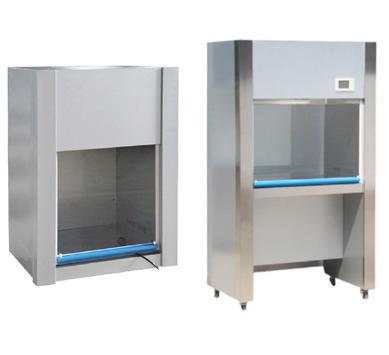
Essential Types of Lab Furniture for a Functional Laboratory
Equipping a laboratory goes beyond just the beakers and test tubes. Functional lab furniture is critical in ensuring a safe, efficient, and well-organized workspace for scientific research and experimentation. Choosing the right furniture creates a platform for productivity and minimizes potential hazards. This article will explore the essential types of lab furniture based on their…
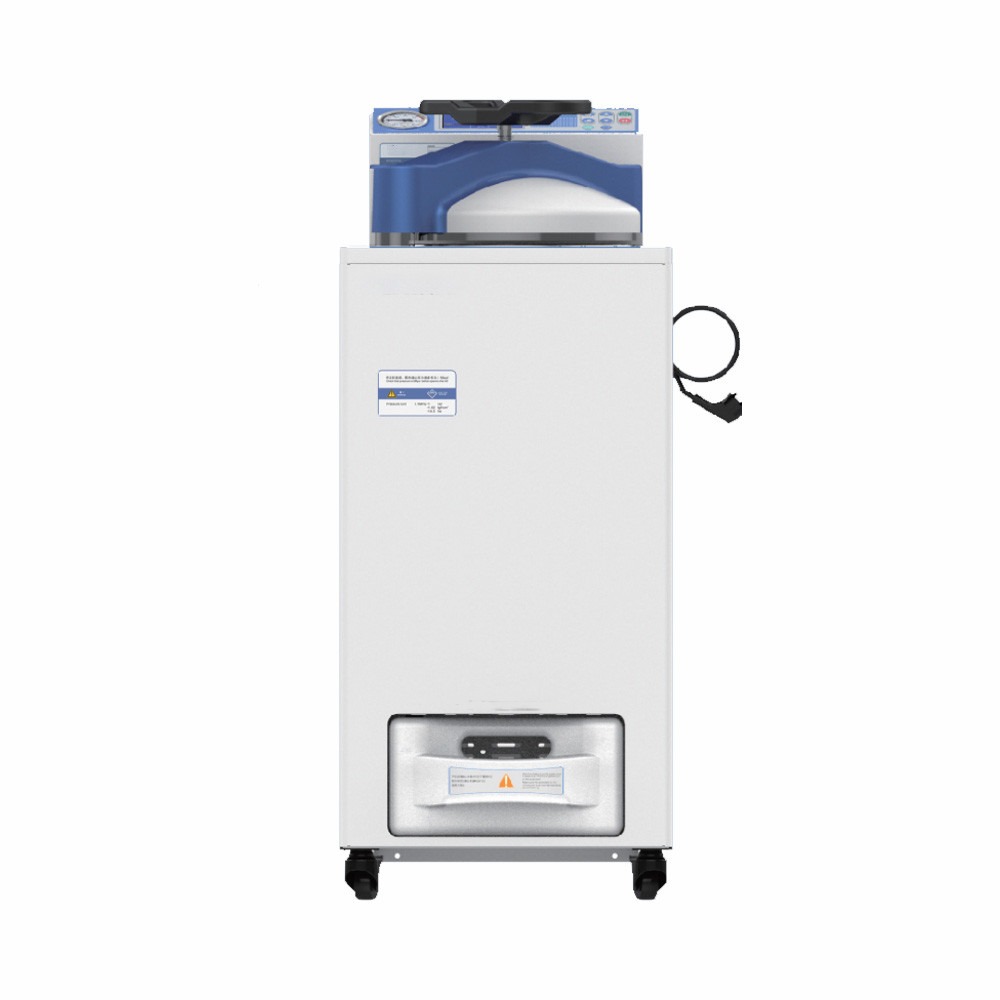
Exploring Advanced Control Systems in Vertical Autoclaves: Enhancing Sterilization
Advanced control systems in vertical autoclaves represent a significant advancement in sterilization technology, offering precise control, enhanced safety, and improved efficiency. In this article, we delve into the evolution, key components and functionalities, benefits of advanced control systems in vertical autoclaves. Evolution of Control Systems in Vertical Autoclaves Traditionally, vertical autoclaves relied on manual controls, requiring operators to…
How Vertical Autoclaves are Contributing to Space Optimization in Laboratories
In today’s rapidly evolving scientific landscape, laboratory spaces are at a premium. Researchers and clinicians alike are constantly seeking ways to optimize their work environments for enhanced productivity and efficiency. In this context, vertical autoclaves emerge as invaluable tools, offering a space-saving solution without compromising on sterilization efficacy. This article delves into the significance of vertical autoclaves in…
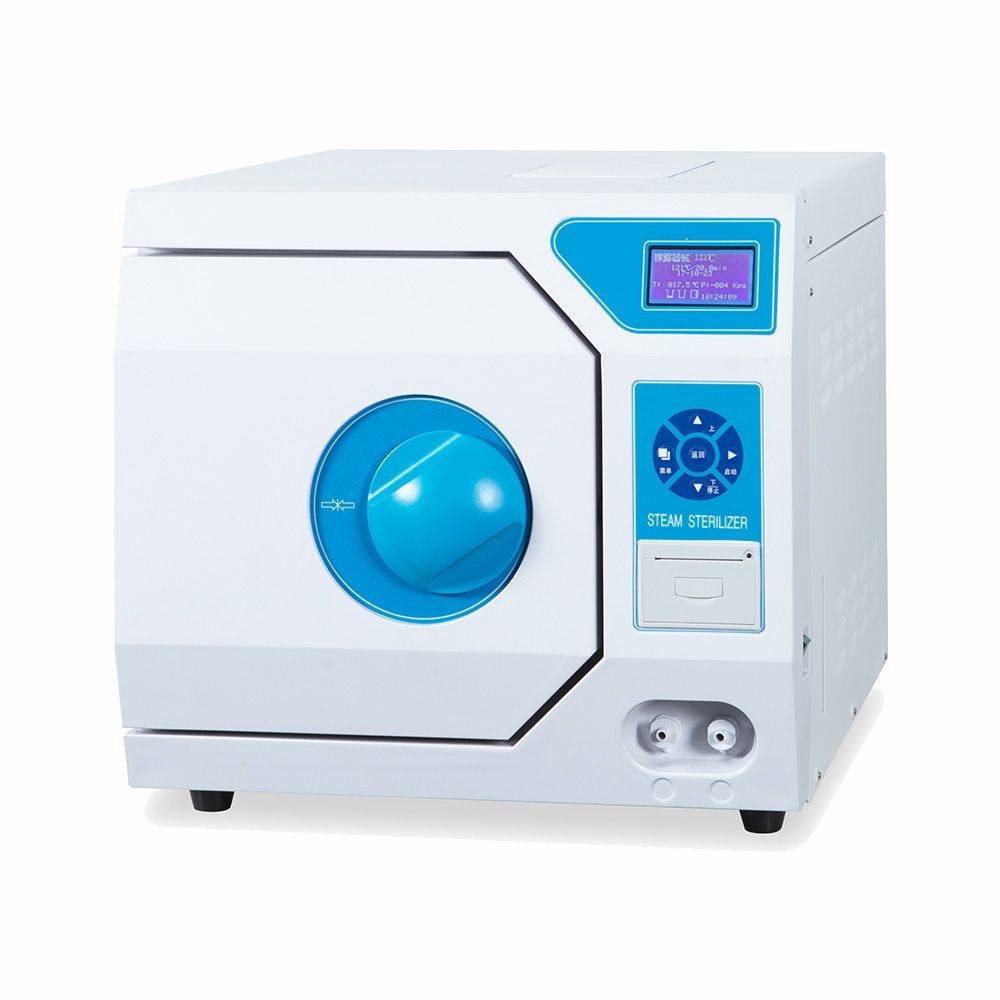
Advancements in Portable Autoclave Design: Enhancing Compactness and Portability
The design of portable autoclaves has undergone significant advancements aimed at improving compactness and portability without compromising sterilization efficacy. These innovations have revolutionized the way sterilization procedures are conducted in remote or resource-limited settings, enabling healthcare providers to deliver safe and effective care even in challenging environments. The Evolution of Portable Autoclave Portable autoclaves have evolved from…
Precision Sterilization: Exploring Steam Autoclaves for Surgical Instruments
In the realm of surgical procedures, ensuring the utmost cleanliness and sterility of instruments is paramount to patient safety and successful outcomes. Precision sterilization methods play a pivotal role in preventing infections and reducing the risk of complications. Among the array of sterilization techniques, steam autoclaves stand out as a reliable and efficient solution for achieving…
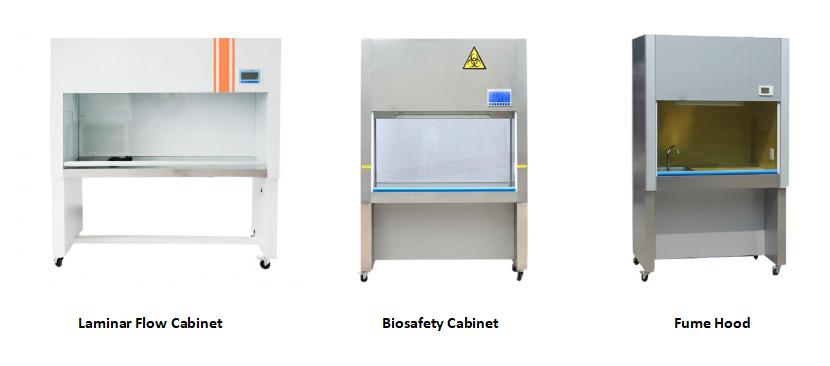
Laminar Flow Hood vs. Biosafety Cabinet vs. Fume Hood: Choosing the Right Lab Equipment
In the realm of laboratory safety and efficiency, selecting the appropriate equipment is paramount. Laminar flow hood and biosafety cabinet and fume hood are three critical pieces of equipment used in various laboratory settings. Each serves distinct purposes and offers unique features, making the selection process complex. Understanding their functions, comparative analysis, and key considerations for…
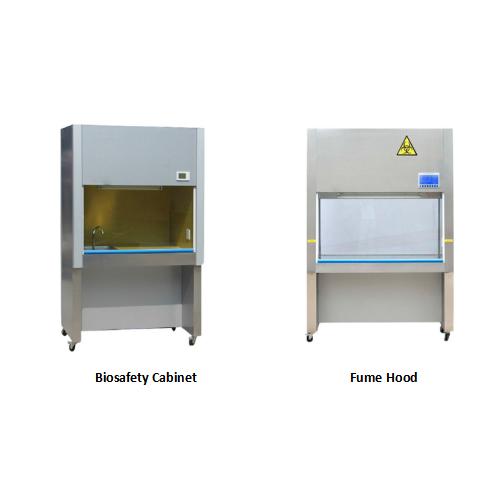
Biosafety Cabinet and Fume Hood in Laboratory Safety – Which One to Choose?
Biosafety cabinets and fume hoods are key tools in laboratory safety, offering critical protection for both researchers and the environment. These specialized containment systems provide separate but complementary functions in guaranteeing the safe handling of hazardous materials, preventing exposure to harmful agents, and preserving experiment integrity. In this article, we focus on the topic of biosafety cabinet…
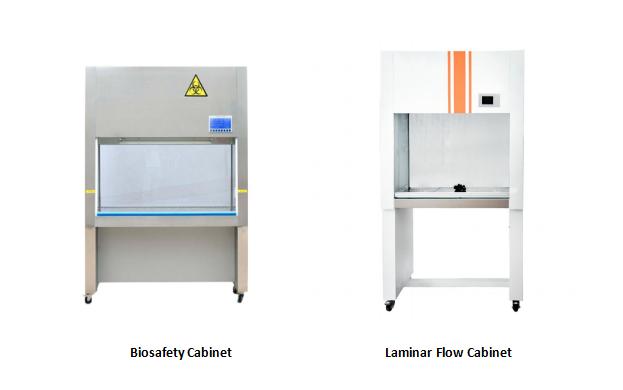
Laminar Flow Hood vs Biosafety Cabinet in Laboratory: Differences and Choosing Considerations
In laboratories, maintaining controlled environments is imperative for the success of scientific endeavors. This involves creating settings where variables are carefully regulated to ensure the accuracy and reliability of experiments. To address this concern, it becomes essential to explore and understand the various tools available for maintaining sterility. This article delves into the comparison between…
Browse by category:


