


Cleaning, Sterilization & Safety Equipment
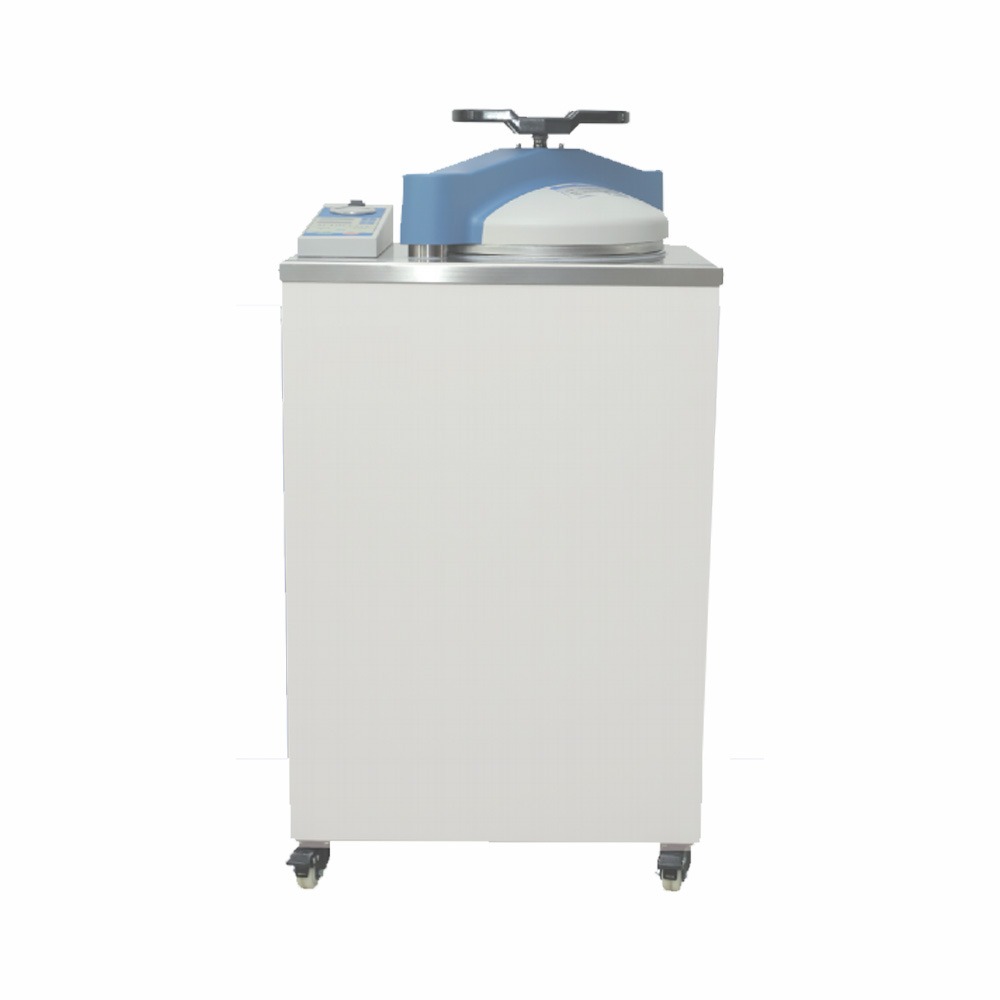
The Vital Role of Laboratory Autoclaves: Maintaining Sterility and Safety
Laboratory autoclaves are the unsung heroes of scientific and medical research, quietly ensuring the integrity of studies, the reliability of results, and the safety of laboratory personnel. These vital machines sterilize equipment, glassware, and materials using the power of high-pressure steam, guaranteeing that they are free from harmful microorganisms. In this article, we will explore the…
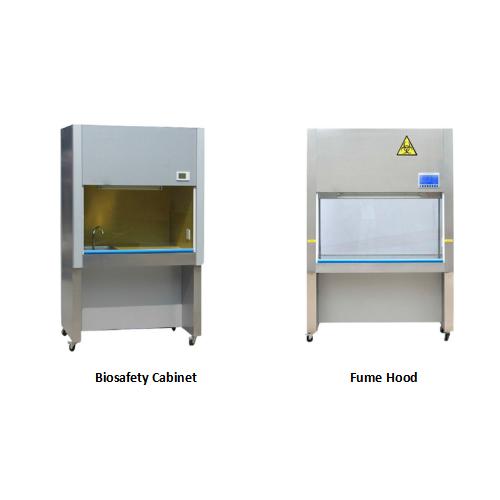
Biosafety Cabinet vs. Fume Hood: Which is Safer
When it comes to working with hazardous materials in laboratories and other controlled environments, safety is paramount. Two common pieces of equipment that play a critical role in ensuring the safety of researchers and the integrity of their work are biosafety cabinet and fume hood. Both are designed to protect personnel and the surrounding environment from…
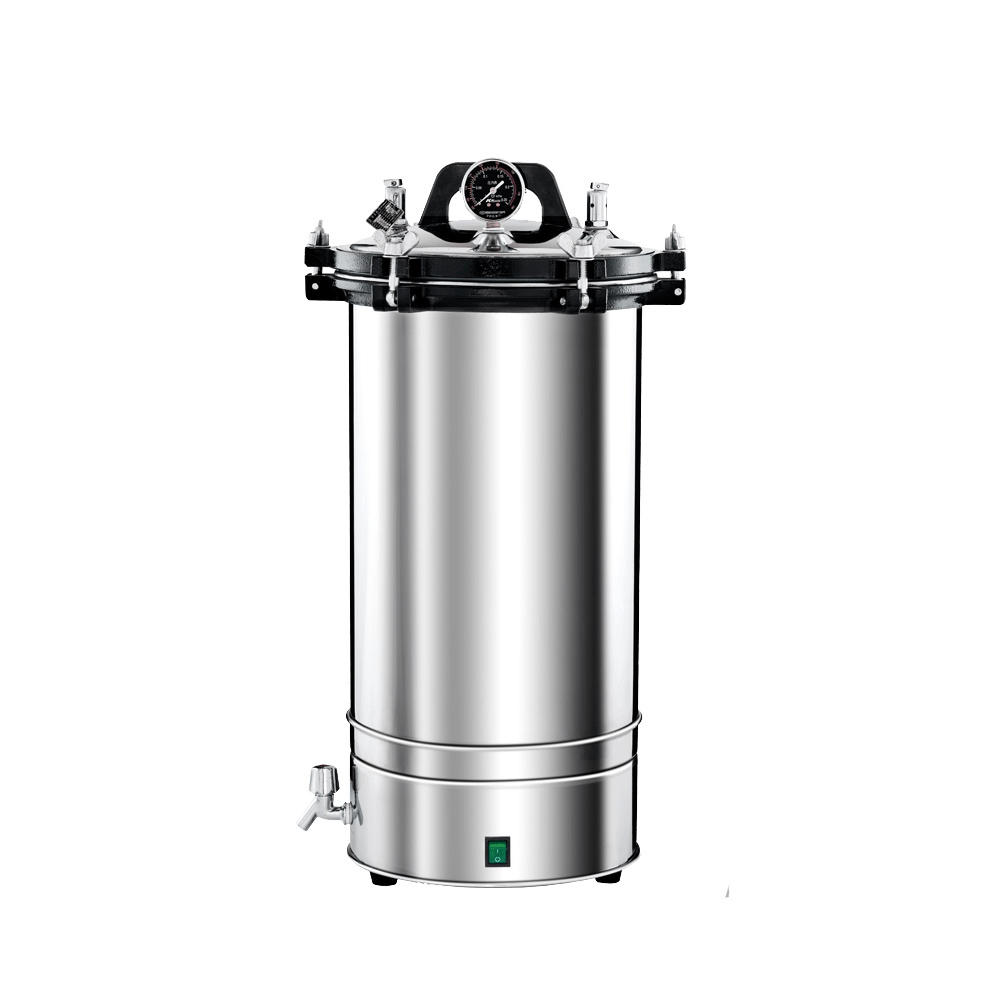
The Vital Use of Autoclaves in Laboratory Settings: Enhancing Sterility and Accuracy
It is critical to ensure the reliability and accuracy of experimental results, and one key component in doing so is maintaining a sterile environment. The autoclaves, specialized equipment used to sterilize equipment and materials, is critical to this process. In this article, we will explore the use of autoclaves in laboratory settings, their significance, and their various applications….
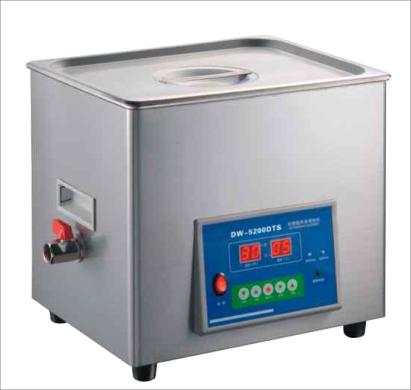
How to Use an Ultrasonic Cleaner Effectively?
Ultrasonic cleaners have become essential instruments in a variety of industries, providing a highly effective and quick technique for cleaning complicated things. These devices use ultrasonic waves to form minute bubbles in a cleaning solution, resulting in a vigorous scrubbing action that removes dirt, debris, and pollutants from hard-to-clean surfaces. In this article, we will discuss…
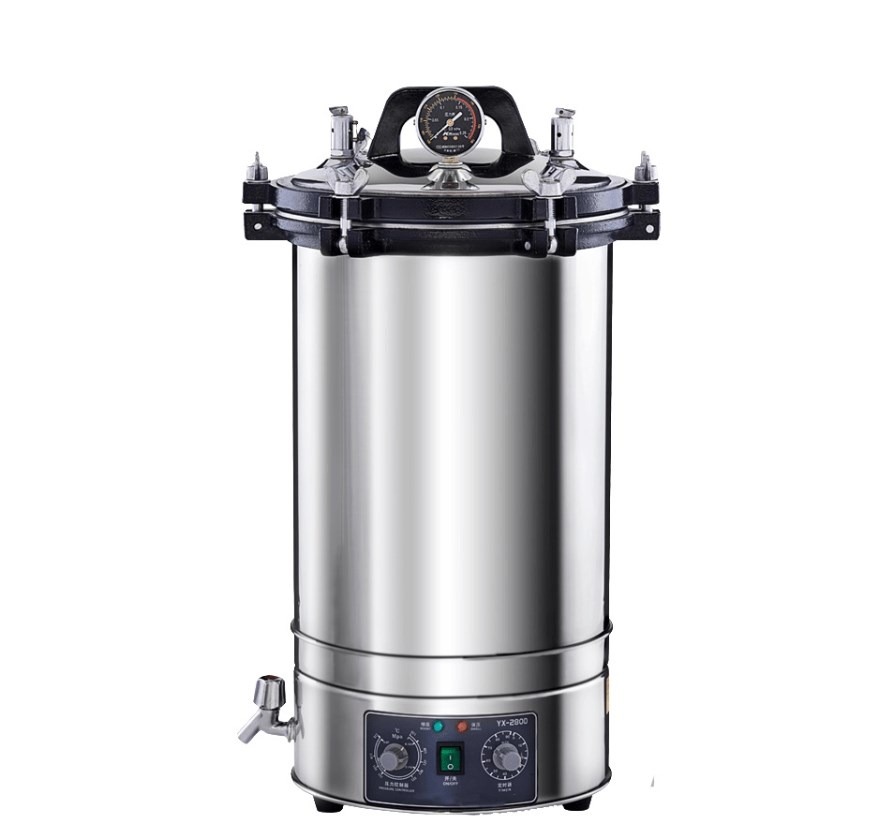
Steam Autoclaves: What are the Advantages and Limitations
An autoclave is a device that uses steam under pressure to sterilize medical equipment, laboratory apparatus, and other materials. Steam autoclaves are one of the most common methods of sterilization used in healthcare settings. The term “steam autoclave” is sometimes used to distinguish it from other types of autoclaves that use different methods of sterilization, such as…
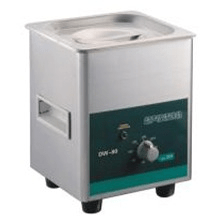
Ultrasonic Cleaning Machine: How Do They Work and What Can They Clean
When it comes to precision cleaning, whether in the automotive industry, medical field, or jewelry trade, Ultrasonic Cleaning Machines have emerged as a vital tool. These remarkable devices use high-frequency sound waves to achieve cleaning levels that traditional methods can seldom match. In this article, we’ll dive into the workings of Ultrasonic Cleaning Machines, exploring…
How does an Ultrasonic Cleaner Work?
An ultrasonic cleaner is a marvel of science and creativity in the field of current cleaning technologies. These gadgets use the power of sound waves to provide comprehensive and effective cleaning, outperforming traditional approaches. In this article, we’ll focus on the topic that how an ultrasonic cleaner work, delving into the workings of an ultrasonic cleaner, exploring the basic principles, the…
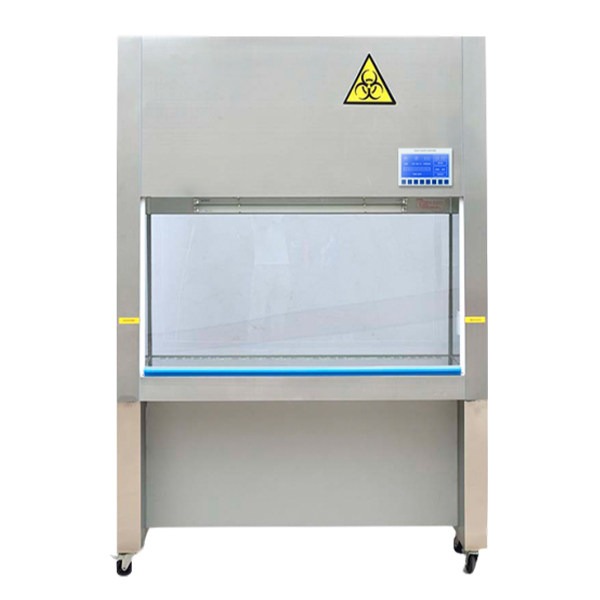
How Frequently Should Your Biosafety Cabinet Be Certified?
Maintaining a biosafety cabinet (BSC) is critical to the safety of laboratory staff, the protection of samples from contamination, and the integrity of the research being undertaken. Certification is an important component of BSC maintenance since it entails testing and confirming the cabinet’s functioning against set criteria. But how frequently should your biosafety cabinet be certified?…
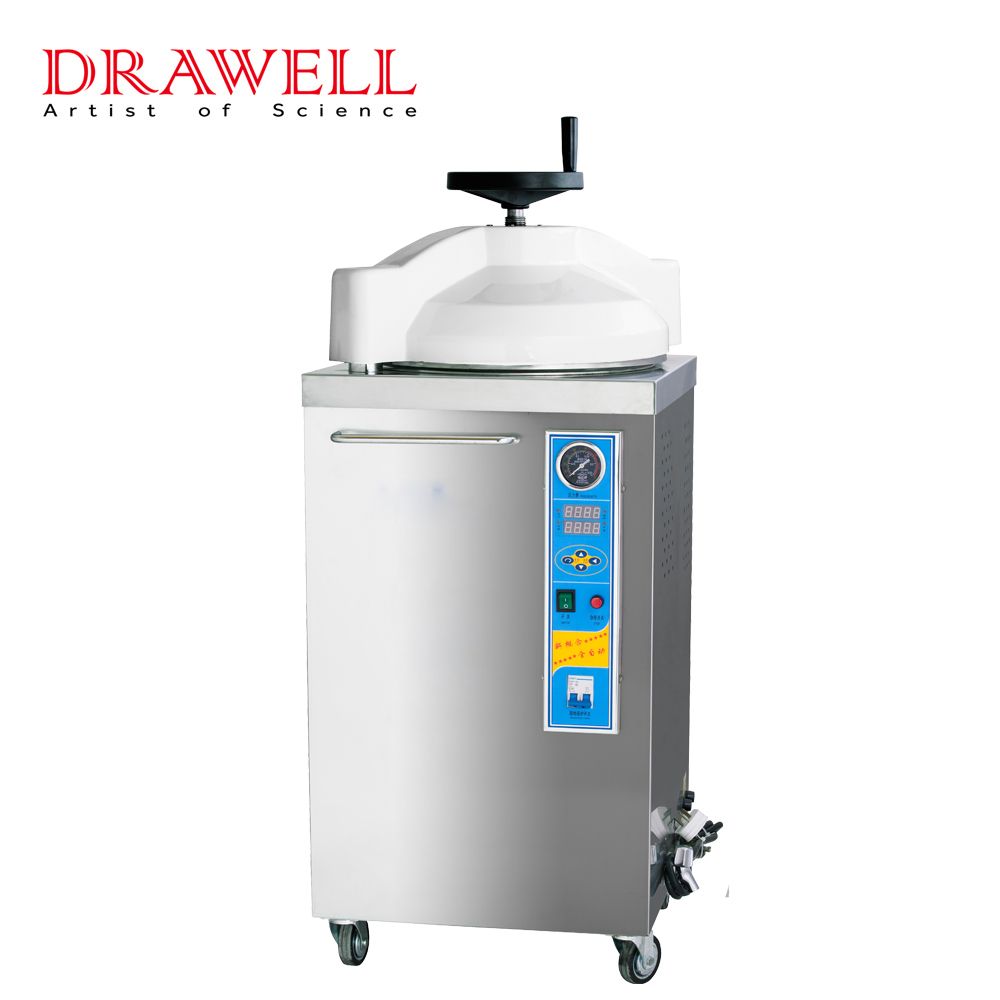
What are Common Problems and Troubleshooting Tips of Vertical Autoclaves
Vertical autoclaves are essential devices used in various industries, laboratories, medical facilities, and research centers for sterilization purposes. They employ high-pressure saturated steam to eliminate bacteria, viruses, fungi, and other microorganisms from equipment, glassware, and materials. However, like any complex equipment, vertical autoclaves may encounter several issues during their operation, impacting their efficiency and effectiveness. In…
What Type of Water Should be Used in the Autoclave?
Autoclaves are crucial devices in medical, laboratory, and industrial contexts for sterilizing equipment, instruments, and materials using high-pressure steam. The sterilization procedure of an autoclave is strongly reliant on the type of water utilized. Using the proper water promotes optimal performance, prevents equipment damage, and keeps patients and researchers safe. In this article, we will discuss the…
Browse by category:


