


Cleaning, Sterilization & Safety Equipment
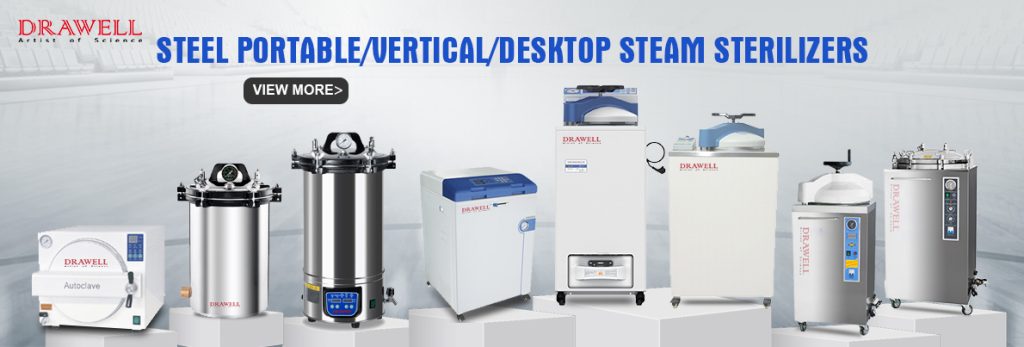
What are the Lab Sterilization Methods and Equipments?
Sterilization is the most fundamental method to ensure the safety and effectiveness of a lab environment. By making sure that all surfaces including equipment and equipment are free of contaminants, sterilization can reduce the chance of errors in experiments as well as cross-contamination and spreading of infectious agents. We will explore a variety of sterilization techniques as well…
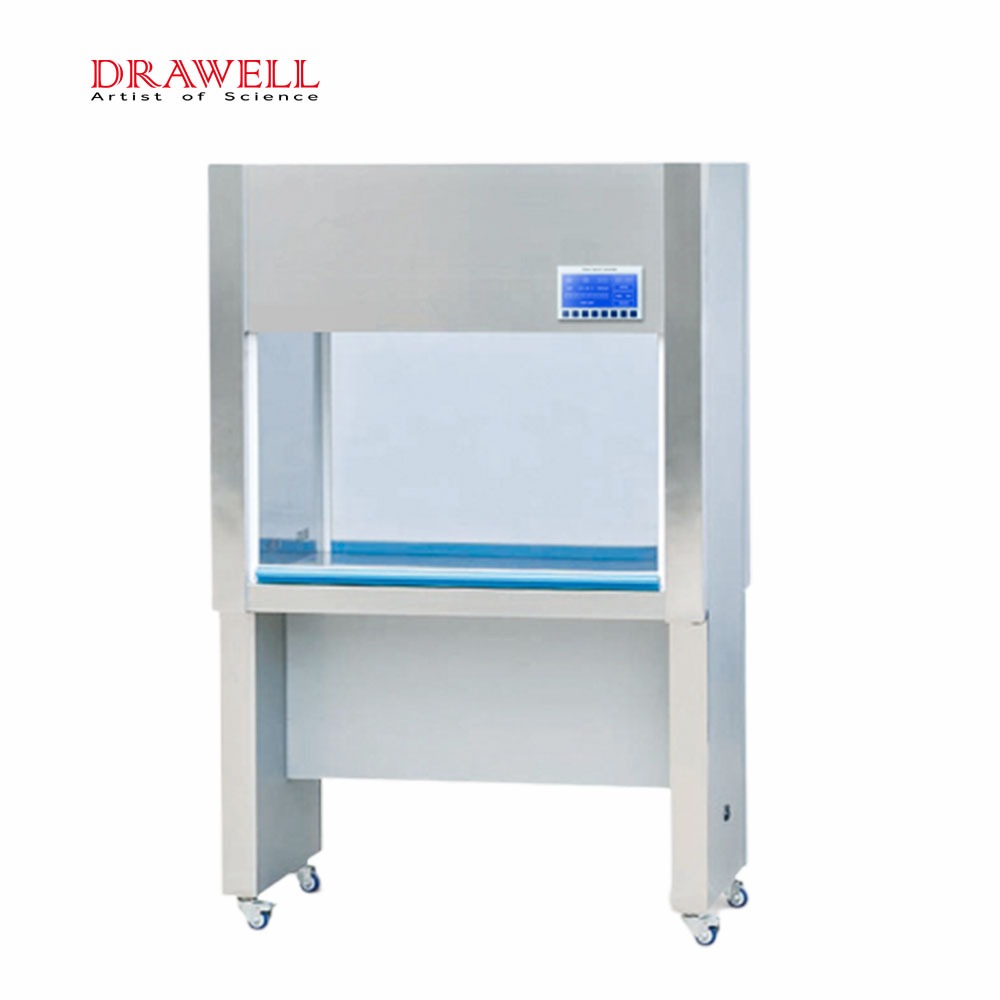
Laminar Flow Cabinets in Clinical Microbiology: Types and Functions
In the field of clinical microbiology, maintaining a sterile environment is critical for accurate diagnostic outcomes and safe laboratory practices. Laminar flow cabinets play a pivotal role in achieving this goal by ensuring contamination-free handling of specimens, cultures, and reagents. These cabinets are designed to create a controlled workspace that minimizes the risk of microbial contamination….
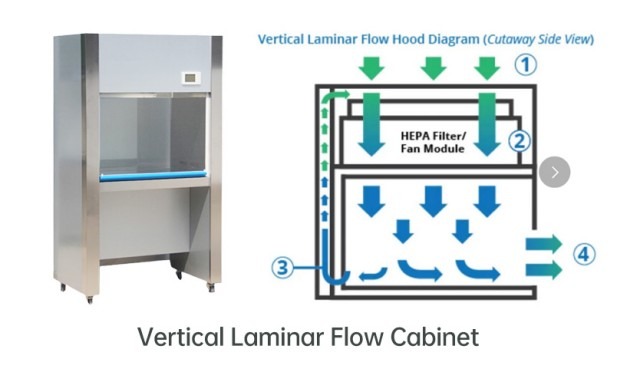
Vertical vs. Horizontal Laminar Flow Cabinets in Your Laboratory Applications
In laboratory environments where contamination control is critical, laminar flow cabinets are vital in protecting samples, equipment, and personnel. Depending on the direction of airflow, laminar flow cabinets are categorized into two main types: vertical and horizontal. Each has its own advantages and limitations, making them suitable for different applications. This article delves into the differences between vertical vs. horizontal…
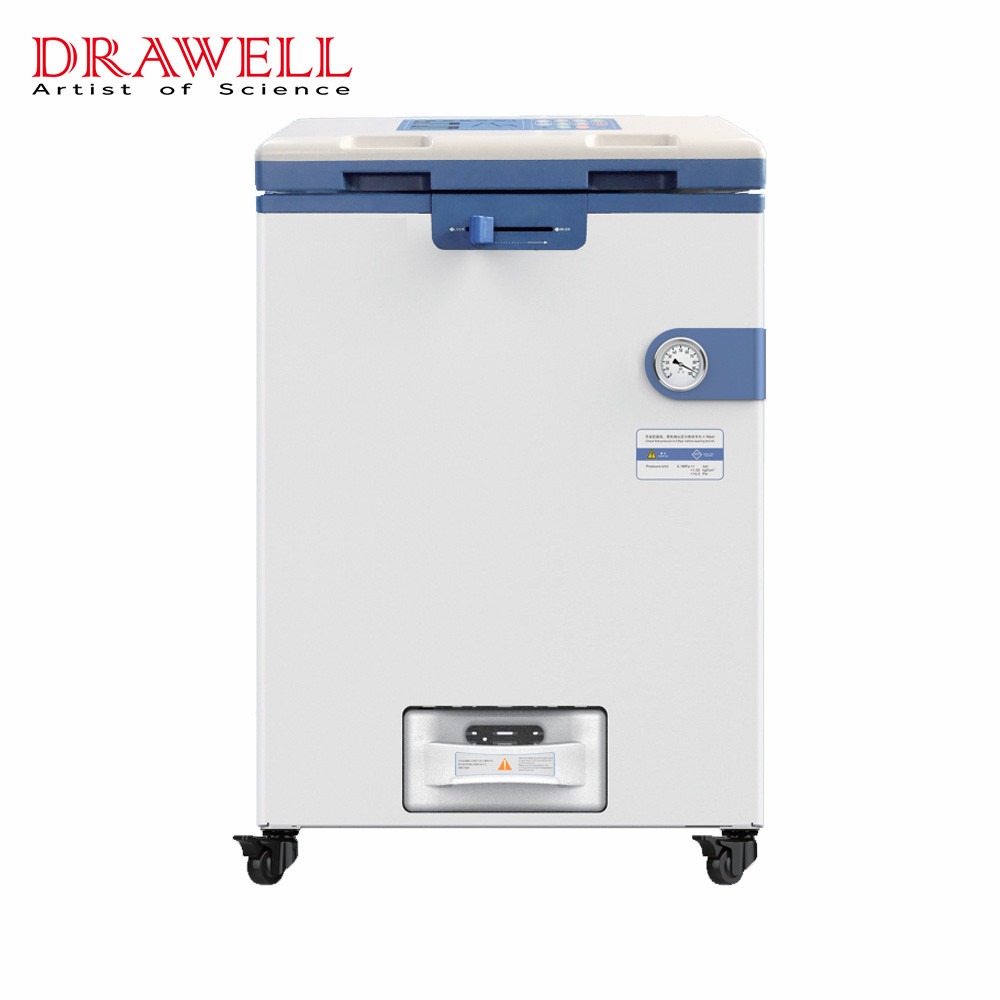
Vacuum Autoclave vs Non-Vacuum: When to Choose Each
Sterilization is a critical aspect of maintaining safety and hygiene in various industries, including healthcare, research, and manufacturing. Autoclaves, widely used for sterilization, come in two main types: vacuum autoclave and non-vacuum autoclave. Choosing the right type of autoclave can significantly impact sterilization efficiency, cost, and suitability for different applications. This article explores the differences between vacuum…
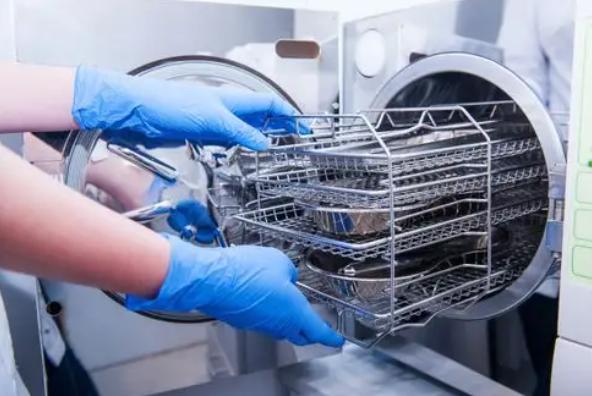
Autoclave vs Dry Heat vs Boiling: Which Sterilization Method Fits Your Needs
Sterilization, the process of eliminating all forms of microbial life, including bacteria, viruses, fungi, and spores, is crucial in various settings, from hospitals and laboratories to food processing and even home environments. Effective sterilization prevents infections, contamination, and spoilage, safeguarding health and ensuring the integrity of experiments and products. This article delves into three common…
Sterilization Effect of Autoclave: Influencing Factors and Verification Methods
As the core sterilization equipment in the medical, laboratory and pharmaceutical industries, the sterilization effect of the autoclave is directly related to the safety of the equipment and the reliability of the experimental results. According to statistics, there are more than 500,000 cases of hospital infection caused by incomplete sterilization each year in the world, of…
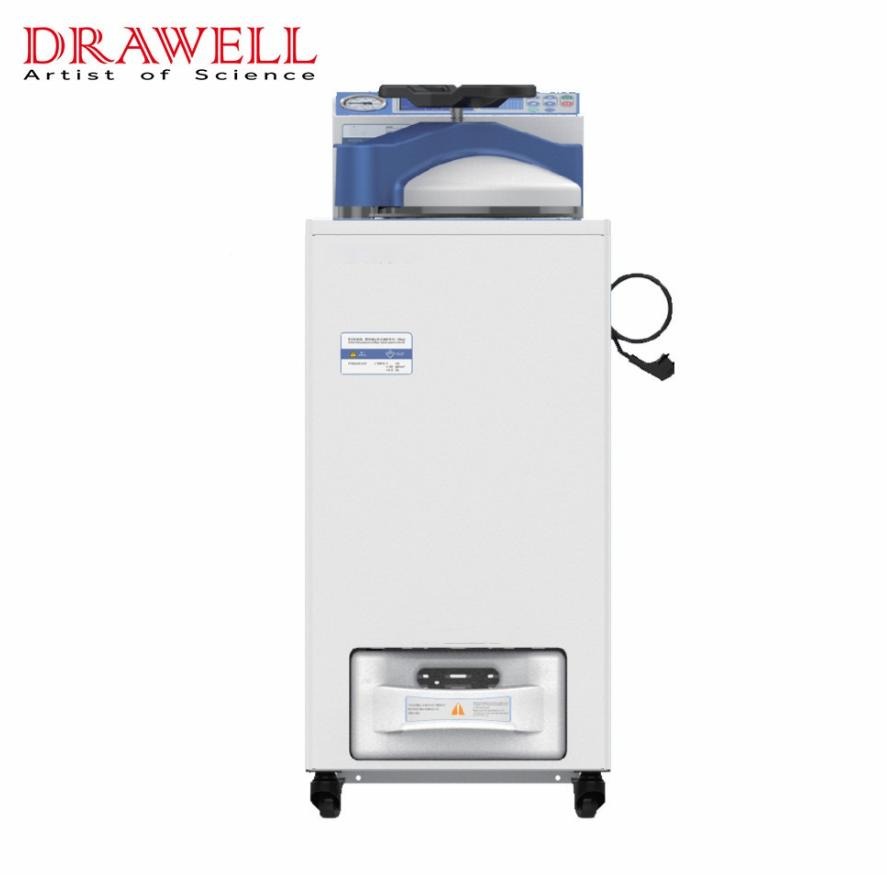
What Makes Fully Automatic Vertical Autoclave So Reliable
In today’s demanding healthcare, pharmaceutical, and research environments, sterilization is paramount. The fully automatic vertical autoclave is a device that can use high-temperature and high-pressure steam to efficiently sterilize various items. The emergence of this sterilizer has greatly improved the efficiency and accuracy of sterilization, ensuring medical safety and the accuracy of experimental results. But what…
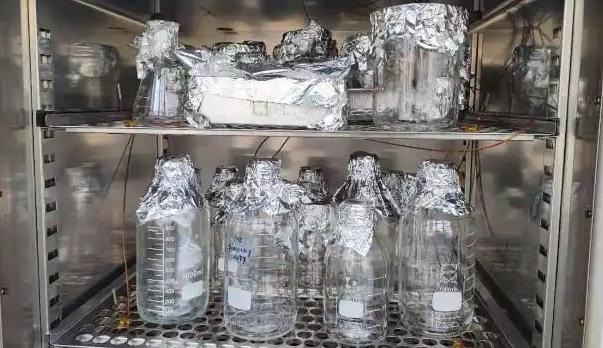
How to Sterilize Glassware in the Lab
In the laboratory environment, glassware is a common experimental tool, such as test tubes, flasks, petri dishes, etc. Due to the accuracy and reliability requirements of the experiment, these glassware must be strictly sterilized before use to eliminate possible microorganisms and prevent interference with the experimental results. The quality of sterilization is directly related to…
Steam, UV, or Chemicals? The Best Sterilization Equipment for Labs
Whether working in medical research, biotechnology, or chemical analysis, maintaining the sterility of equipment and surfaces is critical to safeguarding both personnel and experimental integrity. The choice of sterilization method—steam sterilization, UV radiation, and chemical sterilization—depends on the specific needs of the lab and the nature of the items being sterilized. In this article, we…
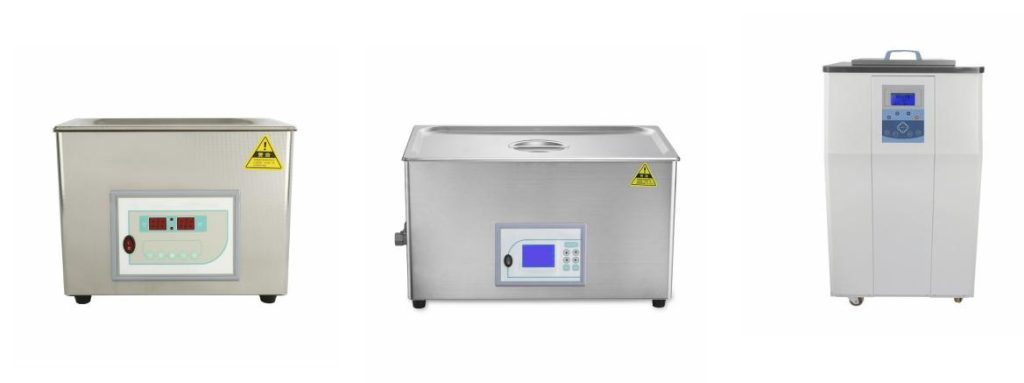
Choosing the Best Ultrasonic Cleaner for Delicate Items
Ultrasonic cleaners are renowned for their ability to deliver deep, gentle cleaning for a wide range of items. For delicate pieces, this cleaning method offers significant benefits by providing a thorough clean without abrasive scrubbing. Delicate items often have complex structures or sensitive materials that can easily be scratched, damaged, or affected by traditional cleaning methods….
Browse by category:


