


Cleaning, Sterilization & Safety Equipment

How to Choose the Right Laboratory Glassware Washer
The selection process for laboratory glassware washers stands as an essential choice which determines cleaning efficiency, experimental accuracy and compliance with applicable regulations. Laboratories must evaluate their specific operational needs before selecting from the available models of lab glassware washers, each designed for specific applications, capacities and cleaning requirements. Understanding the Functions of Laboratory Glassware Washers Laboratory glassware washers function…

Laboratory Cleaning Equipment: Types and How to Choose
Cleanliness serves as the essential requirement which every laboratory needs to fulfill its operational needs. The proper operation of laboratory cleaning equipment helps maintain hygienic conditions which protect scientific results and enable scientists to use their essential instruments for extended periods. The Importance of Laboratory Cleaning Equipment Laboratory processes require precise measurement techniques because even…
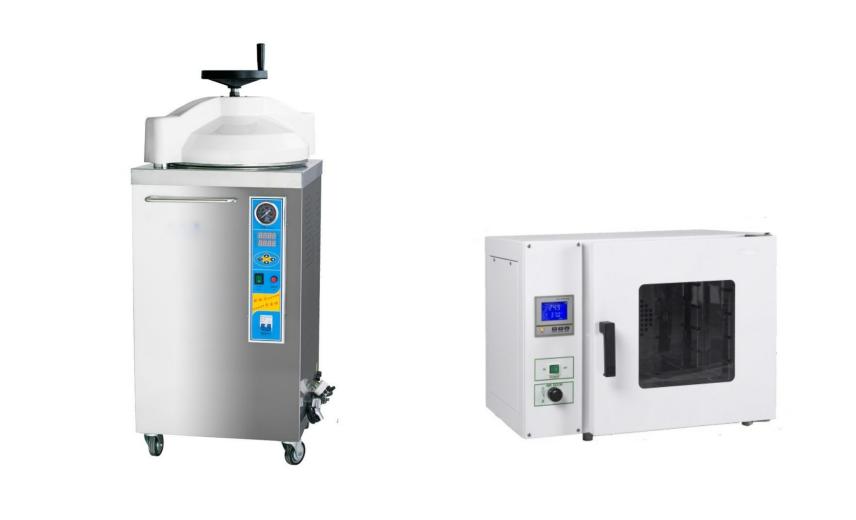
Hot Air Sterilizer or Autoclave – Which One Does Your Lab Actually Need?
Choosing between a Hot Air Sterilizer and an Autoclave often feels like a “kitchen dilemma”—do you need a high-end convection oven or a heavy-duty pressure cooker? While both are designed to eliminate microbial life, using the wrong one can lead to cracked glassware, melted plastics, or, worst of all, failed sterilization. If you are setting up a…

Purchasing a Laminar Flow Cabinet: 8 Key Factors You Must Consider
Whenever a client sends us an inquiry, the first question is almost always: “How much is your vertical laminar flow cabinet?” And my next question – “What’s your main application?”- is usually met with a pause. Most people assume all laminar flow cabinets look alike, so picking one is just about size and price. It’s not. At Drawell,…

Is a Class B Autoclave Worth It for Your Dental Clinic
As a trusted partner to dental professionals, we often hear one question from clinic owners and procurement managers: “With several types of sterilizers available, is investing in a Class B autoclave truly justified for our practice?” It’s a crucial question. Your sterilization equipment is not just another piece of hardware; it’s the cornerstone of your…

Can Laboratory Glassware Washing Machines Clean Well?
Have you ever spent hours manually scrubbing lab beakers and test tubes, only to find that fuzzy water marks or residue remain on the inside? This not only wastes time but can also compromise the accuracy of your experimental results. In laboratory work, the cleanliness of glassware is directly related to the accuracy and reproducibility…
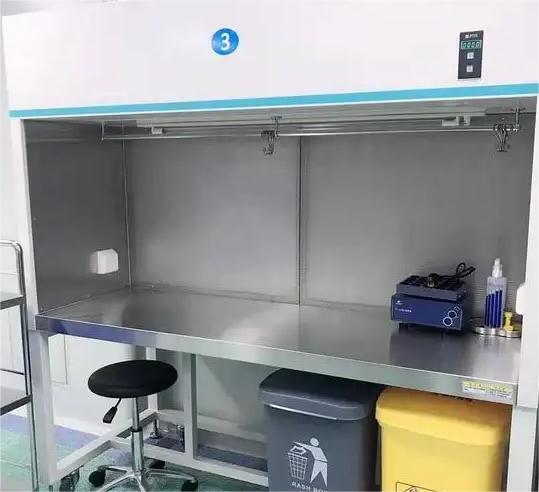
How to Ensure the Safety in Laminar Flow Cabinets for Handling Hazardous Materials
Laminar flow cabinets are essential in different laboratories as they provide a clean working space to protect sensitive samples from contamination. However, when working with certain hazardous substances, understanding the risks, safety issues, and best practices associated with using a laboratory laminar flow cabinet becomes crucial for minimizing risk and meeting regulatory obligations. Understanding Laminar Flow…
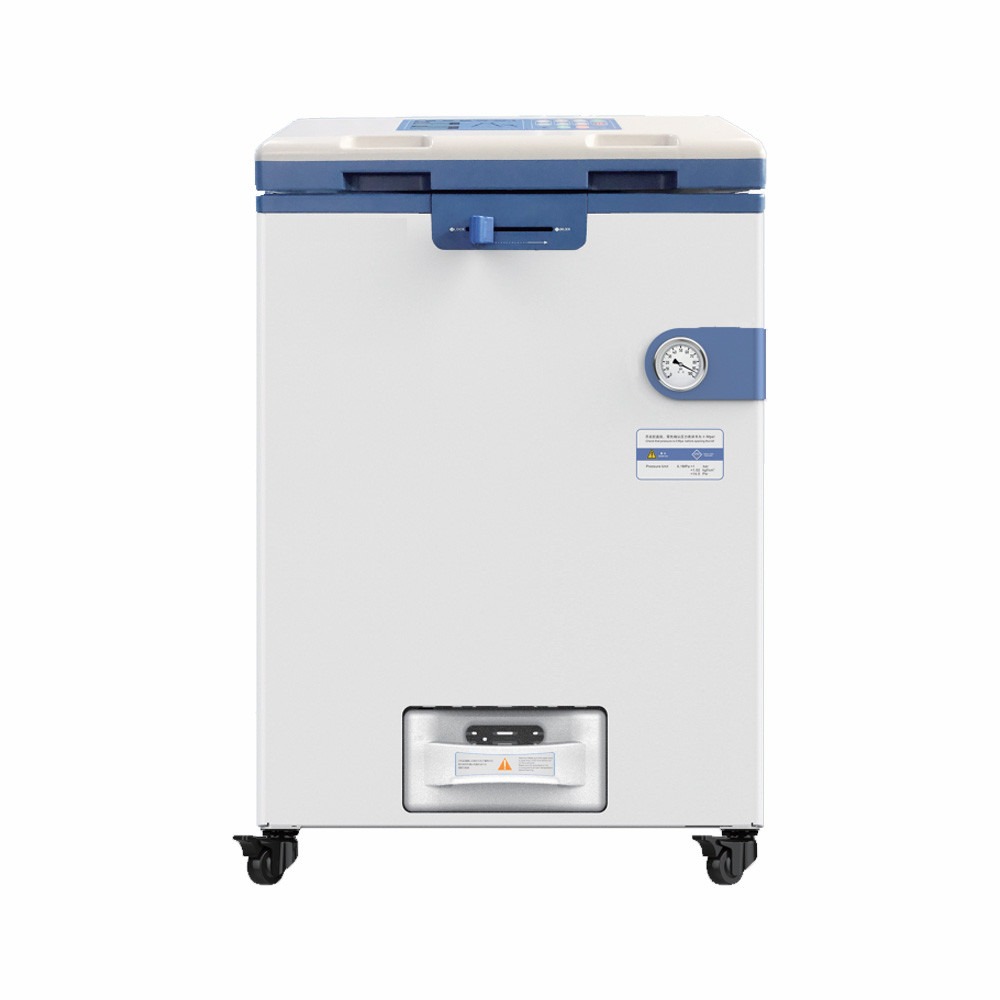
What is the Role of Vertical Autoclaves in Biosafety Level (BSL) Labs
Biosafety level (BSL) laboratories handle dangerous biological substances, and require strict sterilization procedures to prevent contamination and ensure the safety of employees. As a key piece of equipment within these labs, vertical autoclaves play a crucial role in the decontamination of instruments, waste and media. Their designs, performance and conformity to biosafety regulations make them essential for BSL-2, BSL-3,…
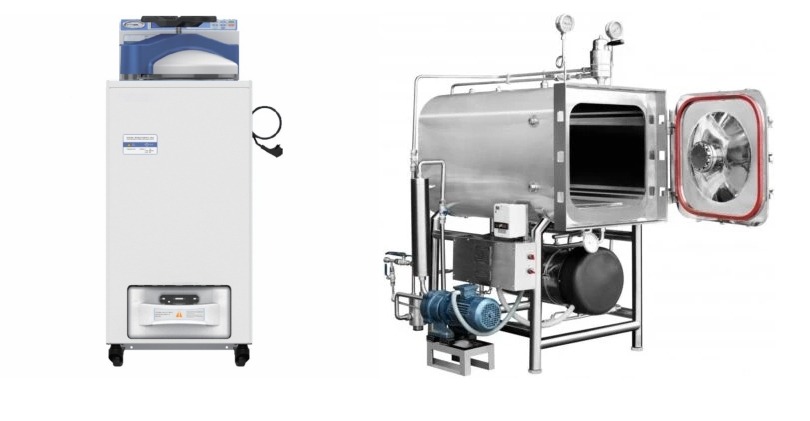
Vertical vs. Horizontal Autoclaves: Choosing the Right Sterilization Equipment
Autoclaves rely on pressurised steam to eliminate pathogens from surgical tools, glassware, culture media, and many other items crucial to sectors such as hospitals, laboratories, research facilities, and pharmaceutical manufacturing. Within that broad category, horizontal and vertical models are the most widely used, each tailored to specific workflows and space constraints. Understanding how these two…
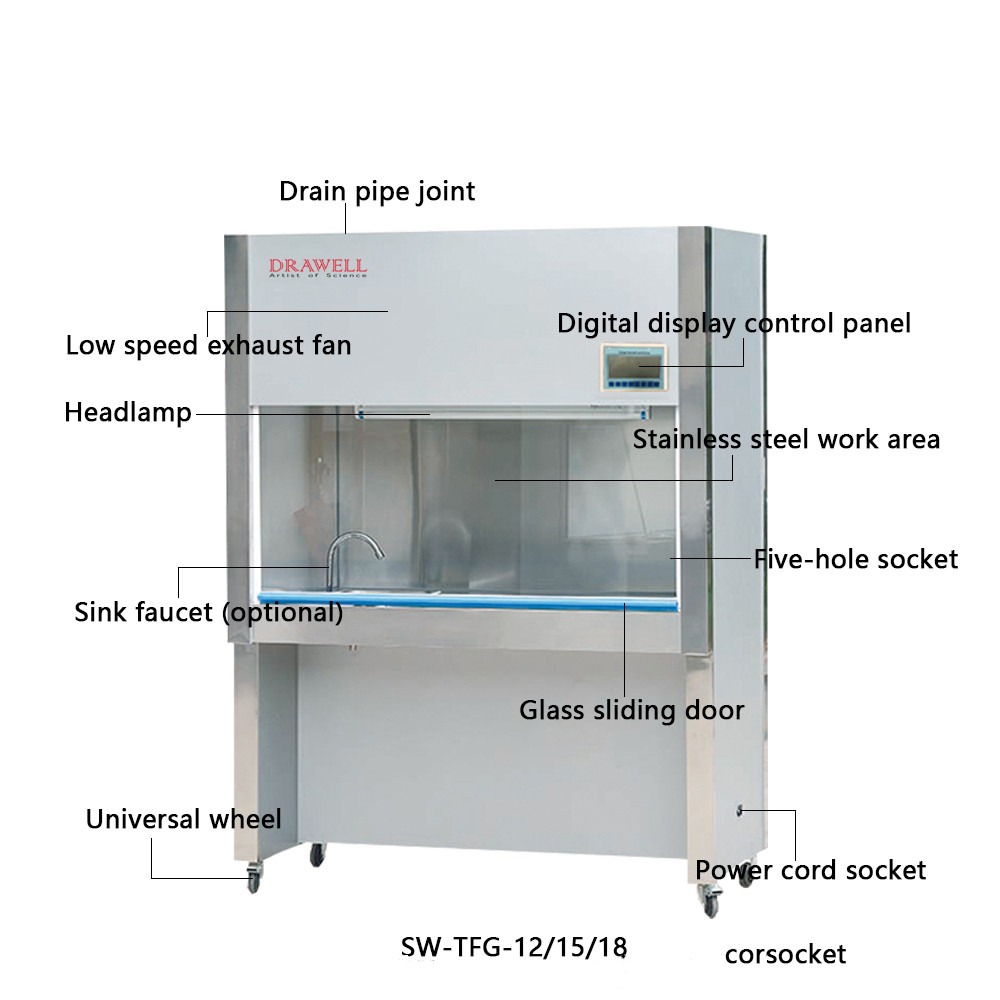
How to Ensure Fume Hood Safety
In labs fume hoods are a vital tool for a safe working environment. They are designed to capture, contain and exhaust hazardous fumes, vapors and particulate matter, preventing exposure to dangerous chemicals and keeping lab personnel safe from airborne contaminants. But having a fume hood is not enough; fume hood safety requires proper use, regular maintenance…
Browse by category:


