


Have you ever spent hours manually scrubbing lab beakers and test tubes, only to find that fuzzy water marks or residue remain on the inside? This not only wastes time but can also compromise the accuracy of your experimental results.
In laboratory work, the cleanliness of glassware is directly related to the accuracy and reproducibility of experimental results. Traditional manual cleaning is not only inefficient but also prone to inconsistent cleaning results due to human error, potentially damaging the glassware and exposing personnel to harmful residues.
Technological advances have led to the development of fully automated laboratory glassware washers, but many people still question whether they can truly clean thoroughly. This article will provide an in-depth understanding of why modern cleaning technology surpasses manual cleaning and provide reliable verification solutions.

Why Our Washing Machines Deliver Reliable Cleaning
At Drawell, we understand that “clean” in a laboratory goes far beyond simply rinsing glassware. A truly effective laboratory glassware washer must combine chemistry, engineering, and verifiable standards. Our laboratory glassware washing machines are built to meet these needs through carefully designed programs and technologies.
1. Precision Programs and Chemical Synergy
Our washers are equipped with sophisticated programs that follow a multi-stage cleaning protocol, ensuring every piece of glassware is treated with the utmost care:
Pre-wash: A preliminary rinse with cold water removes large debris and loose residue, setting the stage for a deeper clean.
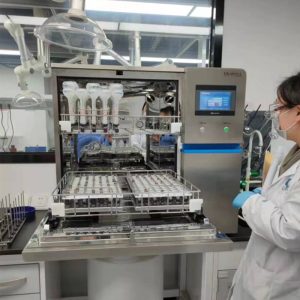
Main Wash: This is the core of the process. The machine automatically dispenses the correct amount of specialized detergent (acidic, alkaline, or neutral) and uses high-flow circulation pumps to spray the cleaning fluid through nozzles and spray arms. This powerful combination of chemical action and physical force effectively breaks down and removes even the most stubborn contaminants.
Rinse & Disinfect: After the main wash, multiple rinses with purified water flush away all detergent residue. For disinfection, the machine heats the water to 93°C and holds it for 10 minutes, eliminating a wide range of microorganisms.
Neutralization (Optional): For labs working with specific chemical residues, our washers can perform an optional neutralization step, ensuring no cross-contamination and providing an added layer of safety.

2. High-Efficiency Physical Cleaning Technology
A great cleaning program needs powerful hardware to back it up. Our laboratory glassware washer is designed with features that ensure no spot is missed:
Powerful Spraying System: The interior is equipped with strategically placed spray arms and nozzles that create a comprehensive, 360-degree spray pattern. This ensures that every surface, from the bottom of a beaker to the neck of a volumetric flask, is thoroughly reached and cleaned.
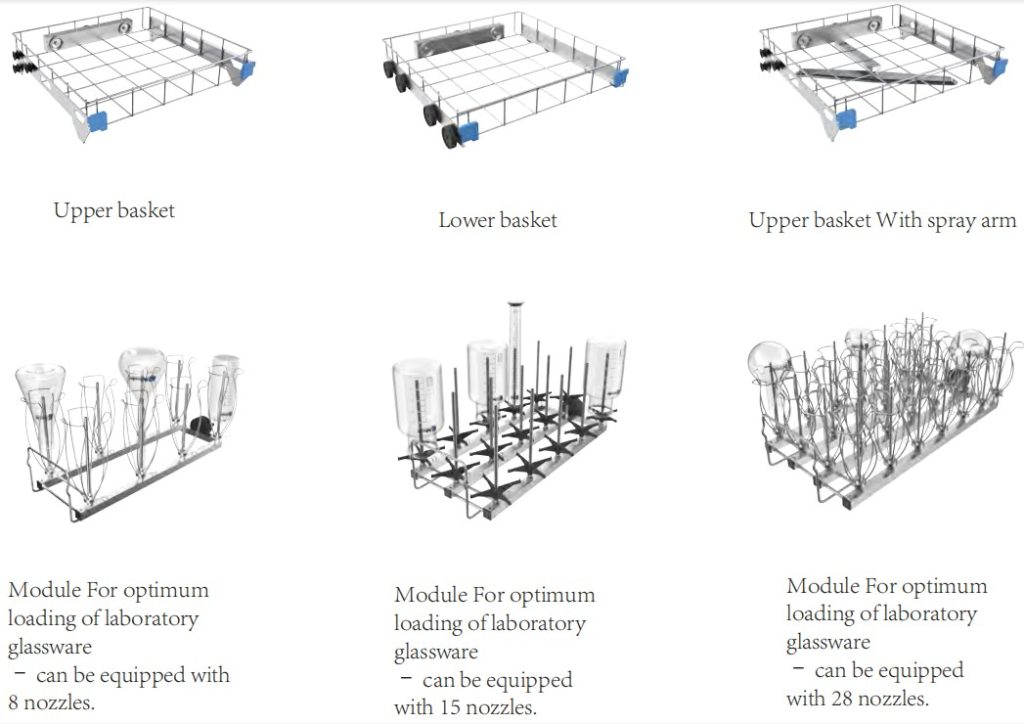
Customizable Racks and Injection Modules: We offer a wide range of custom racks and injection modules designed for different types of glassware—beakers, test tubes, pipettes, petri dishes, and more. These specialized modules direct high-pressure water directly into the hollow interiors of glassware, guaranteeing a complete and consistent clean from the inside out.
3. Verifiable Cleanliness Standards
The true value of a laboratory glassware washing machine is its reliability and consistency. Our washers meet and often exceed international standards like ISO 15883 and are built for compliance with GLP/GMP guidelines.
Data Traceability: Our intelligent control systems allow you to monitor the cleaning process in real-time and download historical cycle data via a USB port. This provides you with documented proof of your cleaning process, which is essential for audit trails and quality assurance.
Repeatable Results: Unlike manual cleaning, our machine ensures that every cycle runs with the exact same parameters—temperature, time, and detergent concentration. This eliminates human error and guarantees that you’ll achieve the same high level of cleanliness every single time, giving you confidence in your experimental data.

What Other Equipment Can be Used to Clean Laboratory Glassware?
While laboratory glassware washing machines are the gold standard for high-throughput, consistent, and verifiable cleaning, a variety of other equipment and specialized methods are used in labs, often depending on the required cleanliness level, the type of residue, and the specific glassware.
Here are the main categories of other equipment and techniques used to clean laboratory glassware:
1. Specialized Automated Equipment
These pieces of equipment focus on cleaning specific, hard-to-clean items:
| Equipment | Primary Use | Mechanism | Key Feature |
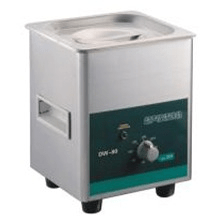
| Ultrasonic Cleaners | Glassware with complex shapes, narrow passages, or hard-to-reach areas (e.g., fritted glassware, microplates). | Uses high-frequency sound waves (e.g., 40 kHz) to create microscopic bubbles (cavitation) in the cleaning solution. The rapid collapse of these bubbles dislodges dirt and contaminants from surfaces. | Highly effective for deep cleaning and removing particles from intricate geometries; gentle enough for delicate items. Often used with specialized lab detergents. |
| Automatic Pipette Washers/Rinsers | Long, slender items like glass pipettes and burettes. | Typically consists of a soaking jar, a basket, and a specialized washer/rinser unit. The washer connects to a tap water source and uses a siphon mechanism to automatically fill and drain, performing multiple rinse cycles. | Ensures thorough rinsing of the long, narrow bore of a pipette, which is critical for accurate volumetric work. |
| Pipette Tip Washers | Automated systems designed to clean and decontaminate disposable pipette tips for reuse (in certain lab settings). | Combines high-pressure flushing, soaking in specialized reagents, and sometimes sonication or UV-C light exposure for sterilization. | Focuses on sustainability and cost savings in high-volume settings like molecular biology or clinical labs. |

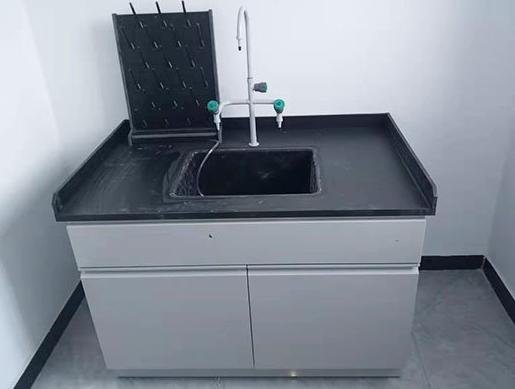
2. Manual and Chemical Methods (with simple apparatus)
These methods rely on powerful chemical solutions and soaking, requiring minimal “equipment” beyond a basin, protective gear, and the correct reagents:
| Method | Primary Use | Mechanism | Consideration |
| Soaking Tubs / Cleaning Baths | Removing stubborn or chemically specific residues (e.g., polymers, heavy metals, biological film) after initial scrubbing. | Chemical degradation. Glassware is completely immersed in a highly corrosive solution for an extended period (hours to overnight). | Safety: Requires strict PPE (chemical-resistant gloves, apron, face shield) and must be prepared/stored in a fume hood. Caution: Corrosive solutions (like Base Baths or Acid Baths) can etch volumetric glassware, altering its volume, and should be avoided for items like volumetric flasks. |
| Brushes, Scrubbing Pads, Wipes | Manual pre-cleaning to remove visible, crusted-on “crud” before automated or chemical processing. | Physical abrasion. | Essential first step, as large particles can clog washers or foul chemical baths. Uses specialized, lab-grade detergents (e.g., Alconox, Liqui-Nox). |
3. Equipment for Final Sterilization/Drying
Once physically clean, glassware often requires specialized equipment to meet sterile or trace-level analysis requirements:
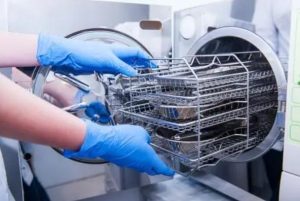
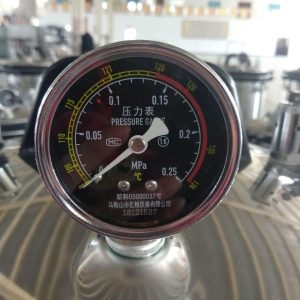
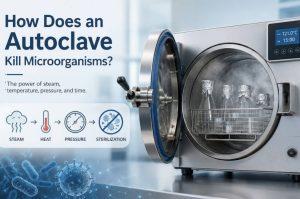
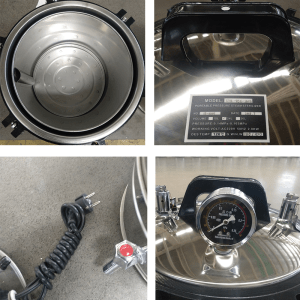
- Autoclaves: Used for sterilization (killing all microorganisms) by applying high-pressure saturated steam at elevated temperatures (typically 121 °C for 15-20 minutes). Essential for microbiology and tissue culture glassware.
- Drying Ovens: Used to ensure the glassware is completely dry, which is necessary for solvent-sensitive experiments or when using volatile reagents. They provide controlled, clean heat.
- Muffle Furnaces (Combustion): Used for depyrogenation (removing bacterial endotoxins) or trace analysis by incinerating organic material at very high temperatures (300 °C to over 500 °C).
The best approach often involves a combination: for example, scrubbing to remove visible soil, followed by ultrasonic cleaning for deep residue, and finally a laboratory washer’s pure water rinse and drying cycle for consistency.
Here is a summary:
- For precision and compliance, a laboratory glassware washing machine is the gold standard.
- For specific needs, equipment like ultrasonic cleaners or acid baths can complement the process.
- For sterilization, autoclaves are used after cleaning.

More Than Just a Machine
At Drawell, we believe that investing in a laboratory glassware washer should solve more than the problem of dirty glassware—it should improve the overall efficiency of the laboratory. That’s why we provide not only advanced equipment, but also tailored solutions, training, and ongoing support.
Our customers benefit from:
- Customized configurations for different lab environments (pharmaceutical, clinical, research).
- Long-term reliability backed by maintenance services.
- Hands-on training to help teams get the most from their washing machines.
When you choose Drawell, you are not just buying a laboratory glassware washing machine. You are partnering with a team that understands laboratory challenges and provides solutions that grow with your needs.
Final Thoughts
So, can laboratory glassware washing machines clean well? The answer is a clear yes—when they come from trusted laboratory glassware washer manufacturers. Compared to manual washing, modern laboratory glassware washers offer unmatched consistency, validated cleanliness, and long-term efficiency.
At Drawell, we take pride in combining technology, industry standards, and customer-focused service to deliver results that scientists can rely on. Because in every lab, success begins with clean, trustworthy glassware.
Related Products Recommendation


Get Quote Here!
Latest Posts
What Next?
For more information, or to arrange an equipment demonstration, please visit our dedicated Product Homepage or contact one of our Product Managers.


