


Cleaning, Sterilization & Safety Equipment
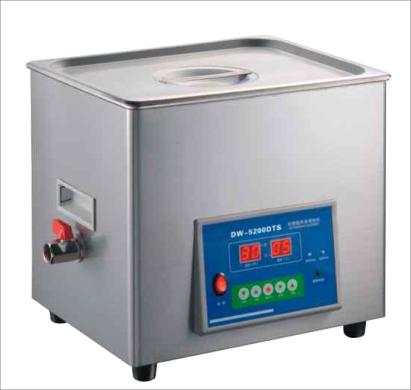
How to Choose a Lab Ultrasonic Cleaner?
The ultrasonic cleaning machine is used in laboratories to clean glassware, beaker test tubes, etc. Compared with manual cleaning, the ultrasonic cleaning machine has unique advantages such as batch cleaning and can clean the dirt on the inner surface of beaker test tubes, and can also be used for mixing extraction, and other applications, so…
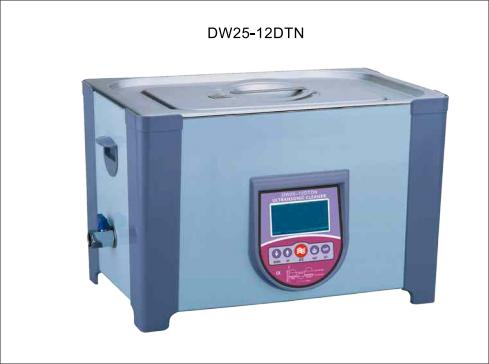
Ultrasonic Cleaner Guide: Working Principles and Applications
You may be curious about the ultrasonic cleaner, thinking about how this thing can clean things at once. This article will introduce you to the principles and uses of the ultrasonic cleaner in detail. What Are Ultrasound Waves? It can be divided into 3 types: namely infrasound, sound waves, and ultrasound. The frequency of infrasonic waves is…
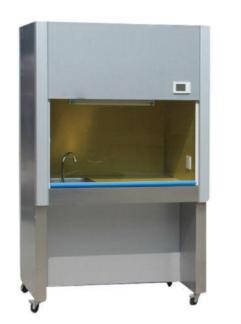
A Few Quick Tips To Know Laboratory Fume Hood
Laboratory fume hood is a large-scale equipment for laboratories, especially chemical laboratories. The purpose is to reduce the exposure of experimenters and harmful gases. The lab fume hood is the primary barrier to protect personnel from the hazards of toxic chemical fumes. It can be used as important safety backup equipment, such as in the…
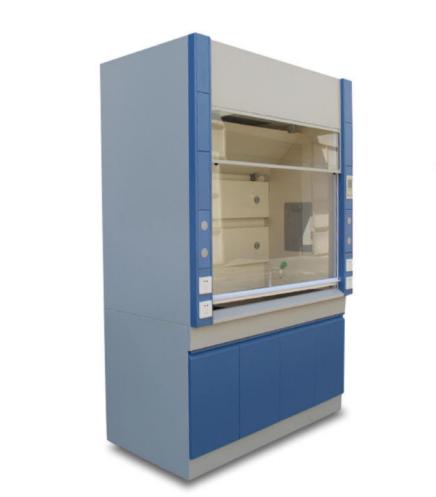
How to Use Laboratory Fume Hoods Correctly
Laboratory fume hoods are an integral part of the laboratory. To prevent laboratory personnel from inhaling some toxic, pathogenic, or unknown toxic chemicals, the laboratory should maintain good ventilation. To avoid absorption of some vapors, gases, and particulates (smoke, soot, dust, etc.), contaminating substances must be removed using fume hoods, or local ventilation. Today, this article…
What is the Importance of Lab Fume Hoods
The purpose of lab fume hoods is to provide a ventilated, safe and comfortable experimental environment for the laboratory. That is to say, laboratory ventilation is to solve the problems of the physical health and labor safety of experimental operators. At this time, the laboratory must have a sufficient number of lab fume hoods to meet…
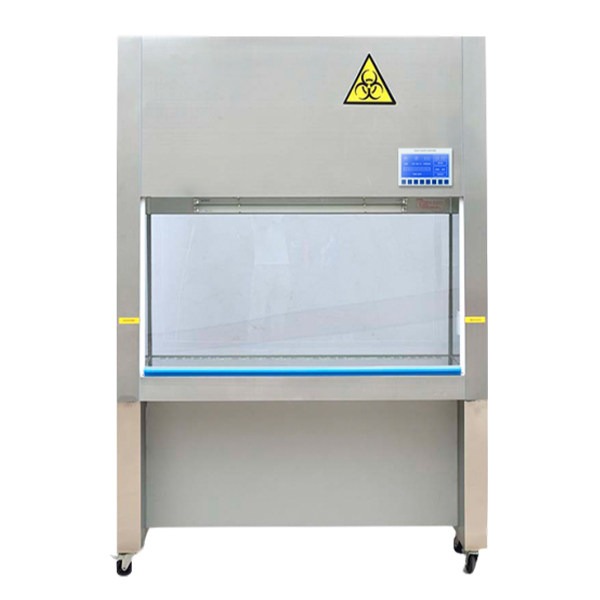
How To Use Biological Safety Cabinets Correctly
Biological safety cabinets are the primary protective barrier that can protect users from biological hazards. Its main principle is that the inflow airflow can form an airflow barrier at the front window to prevent the accidental release of biological hazards from the working area of the safety cabinet. The airflow creates an airflow barrier in the workspace…
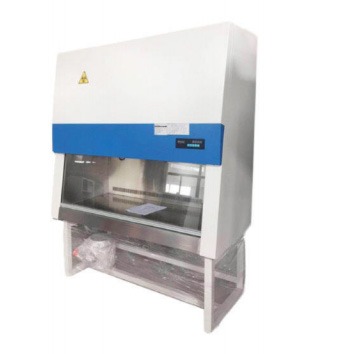
How to Select and Install Biosafety Cabinets?
Biosafety cabinets are used to protect the operator, the laboratory environment, and experimental materials from infectious aerosols and splash when operating infectious experimental materials such as primary cultures, bacterial strains, and diagnostic specimens. Biological safety cabinets are designed for harm to the laboratory environment and experimenters. Today, this article will introduce tips to buy biosafety cabinets…
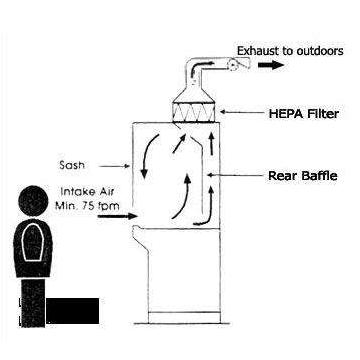
What Are The Differences Between Biosafety Cabinet And Clean Bench?
Many people don’t understand the difference between biosafety cabinet and ultra-clean workbench, thinking that the two have similar uses. There are many misunderstandings. There are still many differences between an ultra-clean workbench and a biosafety cabinet. This article will introduce the difference between them in principle and use. The Difference Between Biosafety Cabinet And Clean…
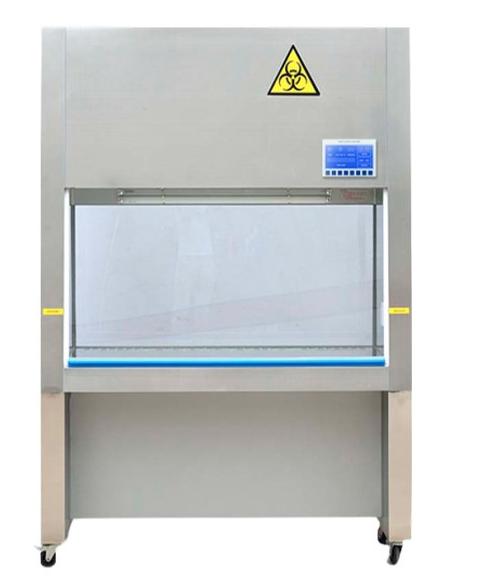
How to Daily Maintain Biosafety Cabinets?
As one of the common equipment in the laboratory, do you know the daily maintenance of biosafety cabinets? Today, this article is useful for you to get knowledge of biosafety cabinets’ maintenance. 4 Maintenance of Biosafety Cabinets The studio and biosafety cabinet should be cleaned and disinfected after each experiment. Once the pre-filter of biosafety cabinets is damaged,…
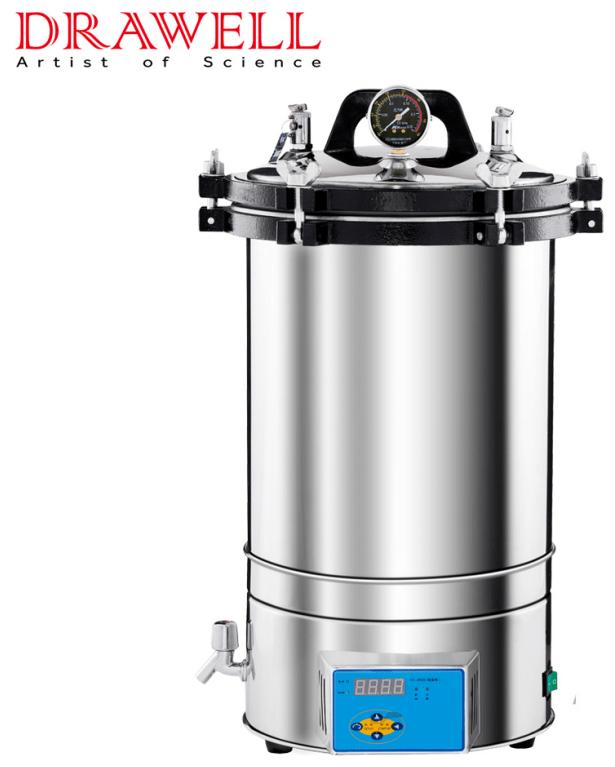
4 Things About an Autoclave Sterilize Bacteria
An autoclave(autoclave machine) is an essential piece of equipment that is widely used in many medical and industrial fields. Its highly effective form of autoclave sterilization makes it a reliable tool for safely decontaminating various instruments. Autoclaves are specially designed to kill germs, bacteria, and spores. It is a powerful sterilizing device as it utilizes steam…
Browse by category:


