


Chromatography & Mass Spectrometry
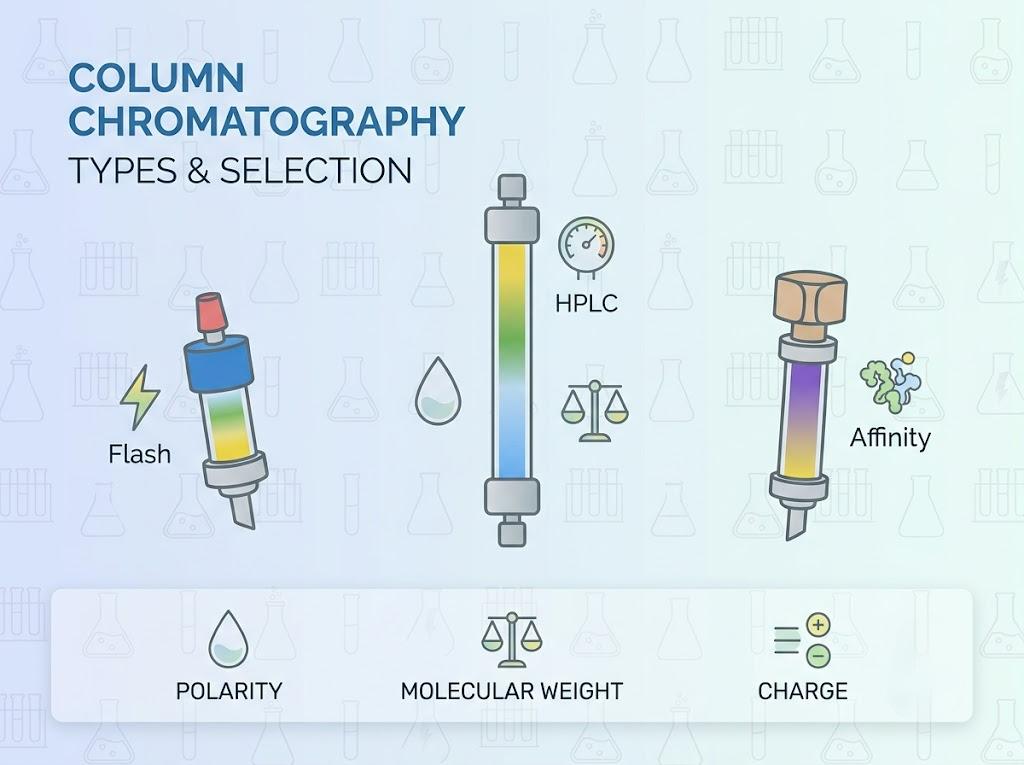
Column Chromatography – What are Different Types and How to Select the Right Method
Ever wondered how scientists pinpoint a single compound out of a messy, complex chemical mixture? In the discipline of chemistry, column chromatography is a versatile and commonly used separation process. It permits molecules to be separated, purified, and analyzed based on their physicochemical properties as they interact with a stationary phase inside a column. Various…
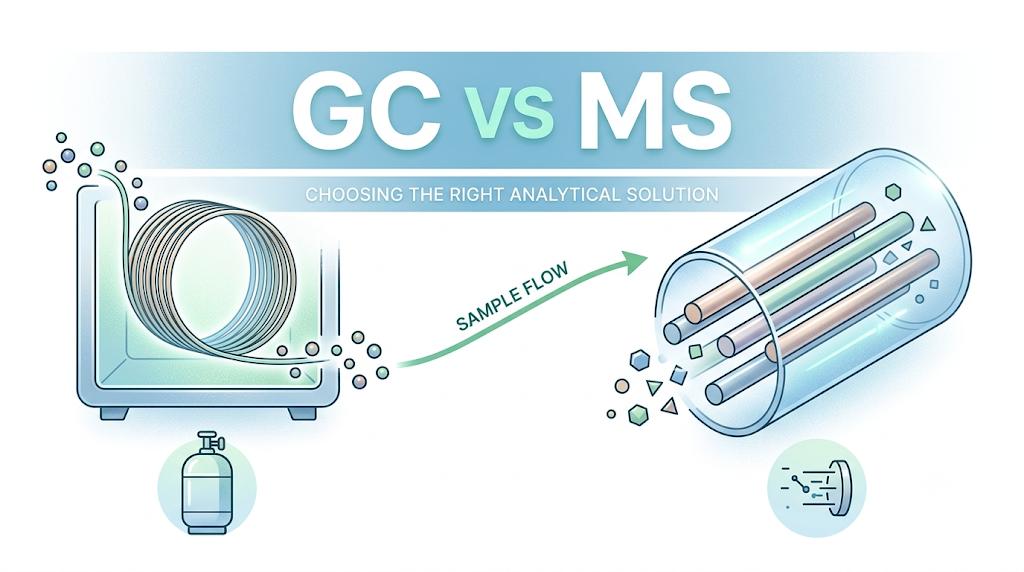
Gas Chromatography (GC) vs Mass Spectrometry (MS): Which is Right for Your Analysis
In the world of analytical chemistry, precision and accuracy are paramount. Researchers and scientists often find themselves at a crossroads when choosing the most suitable method for their analysis. Two popular techniques that frequently come into play are gas chromatography (GC) and mass spectrometry (MS). Each method offers unique advantages and applications, and selecting the…
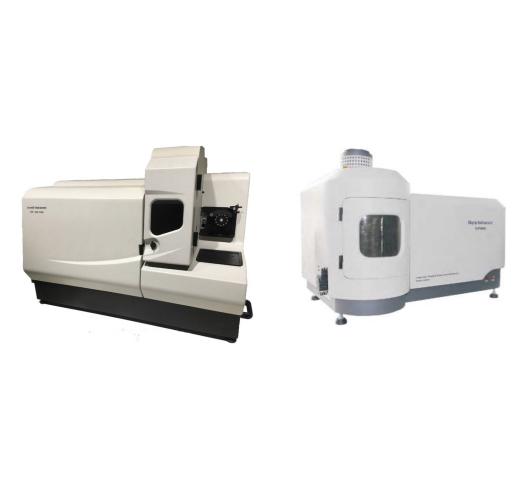
ICP-OES VS ICP-MS:7 Key Differences Analysis
If you are stepping into elemental analysis, you have likely run into a classic laboratory dilemma: ICP-OES vs. ICP-MS. Both are heavyweights in modern analytical chemistry, offering incredible insight into sample composition. However, picking the wrong technique can lead to a massive waste of laboratory budget, high operational downtime, or inadequate detection limits. In this…
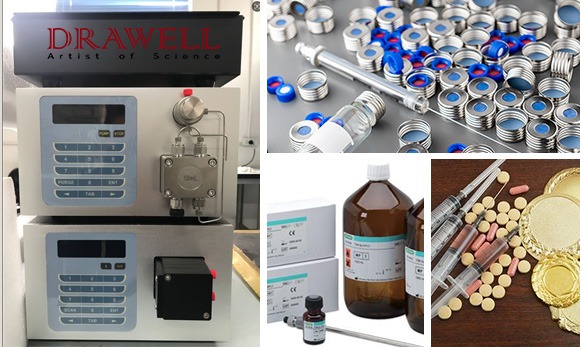
What are the Key Uses of HPLC? (2026 Updated Guidance)
Ever wonder how food testing labs catch trace contaminants before they hit supermarket shelves, or how pharmaceutical companies guarantee that every single tablet contains the exact life-saving dosage? The answer almost always boils down to one incredibly powerful technique: HPLC (High-Performance Liquid Chromatography). HPLC has developed as one of the most versatile and commonly used…

Why Pressure in HPLC is Crucial and How to Optimize?
Ever stood in front of your HPLC system, ready to run a critical batch of samples, only to be greeted by a screaming high-pressure alarm? If you have, you are definitely not alone. In the world of analytical chemistry, system pressure is far more than just a random number ticking on a digital screen. It…
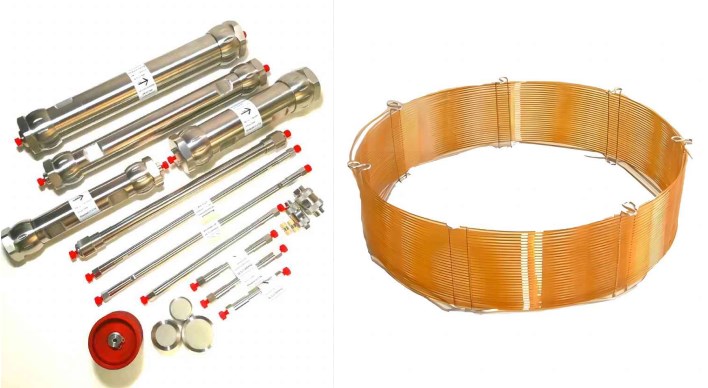
Columns Used in HPLC: Different Types and How to Choose
If you’ve ever run a high-performance liquid chromatography assay, you already know that the system is only as good as its separation power. You can have the most advanced, high-pressure pumps and the most sensitive detectors on the market, but if your stationary phase isn’t right, your chromatogram will just show a messy cluster of…
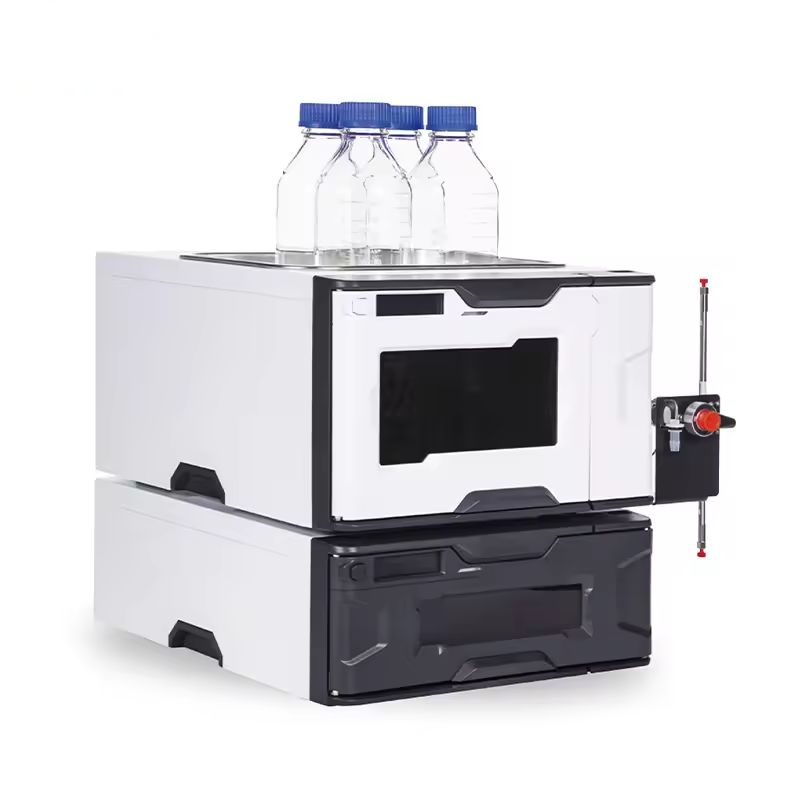
HPLC Analysis Method: Principles, Steps & Key Applications
Imagine trying to find a single drop of a specific chemical hidden inside a complex mixture of thousands of others—and not only finding it but measuring exactly how much of it is there. That is the everyday magic of High-Performance Liquid Chromatography. Whether you are running routine quality control in a pharmaceutical plant or testing…

What Is High-Performance Liquid Chromatography(HPLC)? Basics & Troubleshooting
Ever wondered how scientists can spot a single drop of impurity in a massive batch of medicine, or verify the exact ingredients in your food? The answer lies in a powerhouse laboratory technique called High-Performance Liquid Chromatography, or simply HPLC. Whether you are a student hitting the lab for the first time or a procurement…
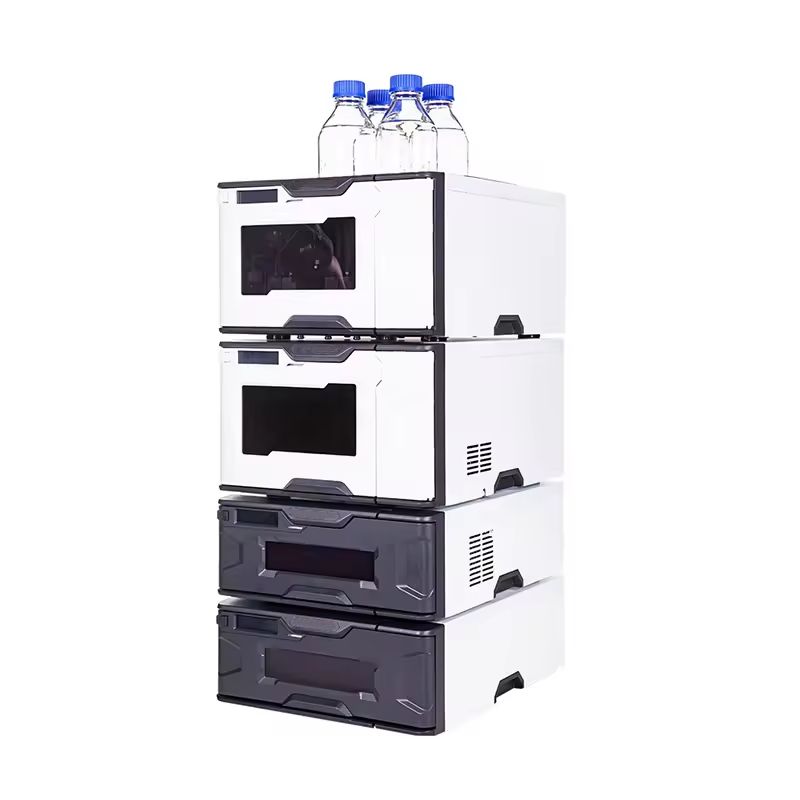
How to Choose a Suitable Type of HPLC System
High-Performance Liquid Chromatography (HPLC) allows for separating, recognizing, and measuring compounds that are mixed together pretty densely. But picking the right HPLC system isn’t really a one-size-fits-all kind of thing. The best choice depends on several details, from what the analytes are like, to how much sample throughput you need. In this guide, I’ll walk…
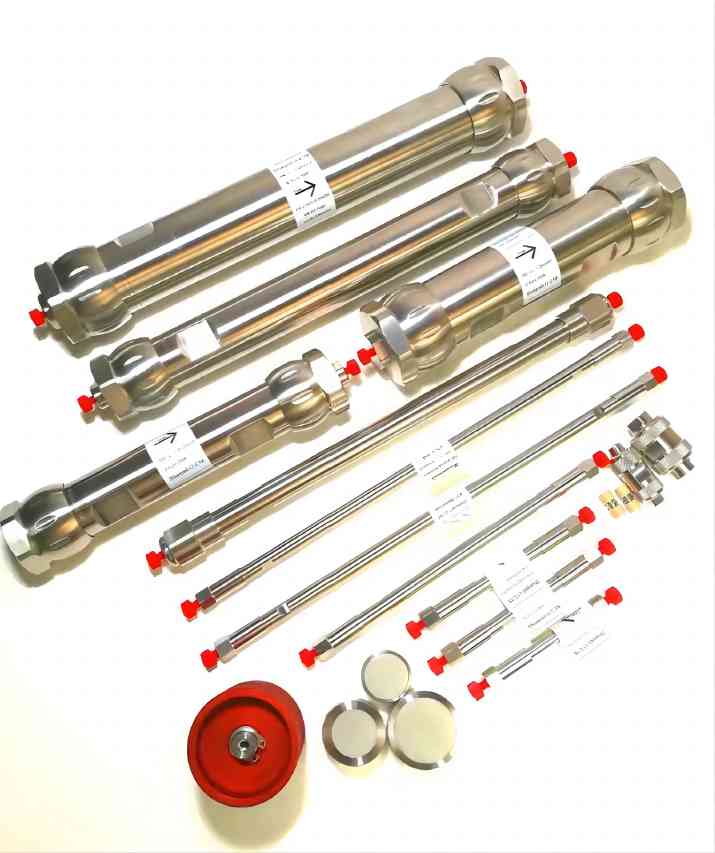
Gas Chromatography Columns: Types & Selection Tips
If you’ve ever run a Gas chromatography (GC) method, you know that the instrument itself is only as good as the column inside it. Think of the GC system as a high-powered race car; the column is the engine that actually drives the separation of your volatile compounds. Choosing the wrong column type can lead…
Browse by category:


