


Chromatography & Mass Spectrometry
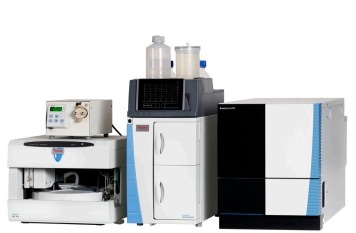
The Power of Hybrid Detection in IC Analysis
Ion Chromatography (IC) has been used for a long time as an essential analytical technique to separate and quantifying the ionic species found in complex mixtures. Its applications include the fields of environmental testing, food safety, pharmaceuticals, industrial processes control, etc. While conductivity detection was the foundational element of ion chromatography, evolving analytical demands in analytical analysis, particularly for…
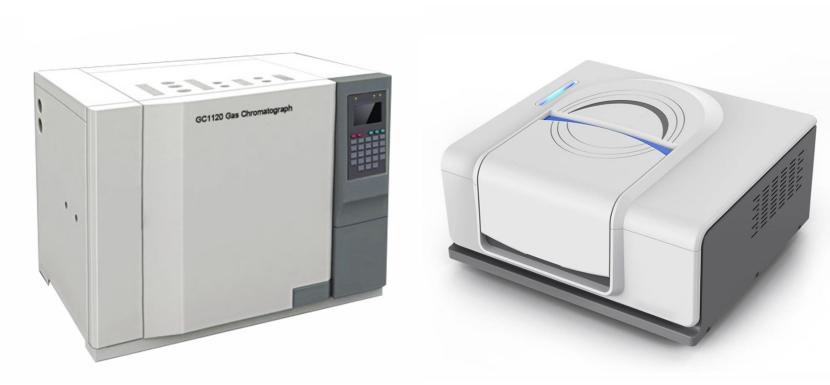
Gas Chromatography or Infrared Spectrometer? Choosing the Right Tool for Your Needs
Knowing the distinctions between analytical instruments is vital for businesses that rely on accurate chemical analysis. One of the two commonly utilized tools are gas chromatography (GC) and infrared spectrometer (IR). Each has its own purpose and is highly effective in certain situations. This article will discuss the underlying principles of applications, the different types of instruments, and the comparisons among…

6 Differences Between Ion Chromatography and Liquid Chromatography
In the field of analytical Chemistry In the realm of analytical chemistry, the two methods Ion Chromatography (IC) and Liquid Chromatography (LC) stand as effective methods for distinguishing and quantifying the components of liquid samples. Both are part of the same category of liquid-phase separation methods but they work with fundamentally different underlying principles and are designed for specific kinds…
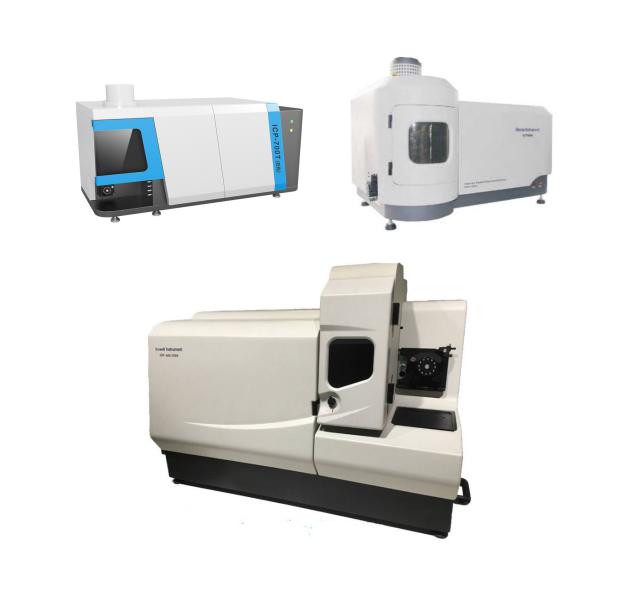
ICP OES, ICP AES, ICP MS: What Are Their Preferred Applications
Inductively Coupled Plasma (ICP) techniques are widely used in elemental analysis across various industries. Among the most common methods are ICP Optical Emission Spectrometry (ICP-OES), ICP Atomic Emission Spectrometry (ICP-AES), and ICP Mass Spectrometry (ICP-MS). These techniques differ in their principles, sensitivity, and applications, making them suitable for different analytical needs. This article explores their working…
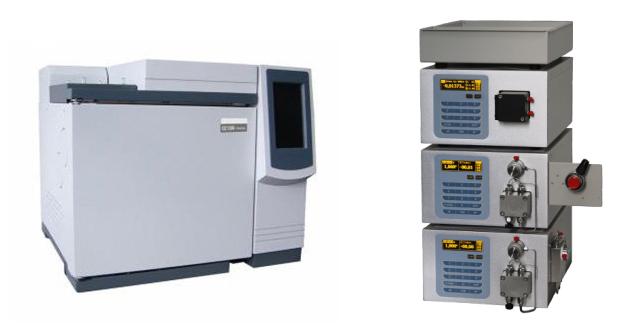
Formaldehyde Analysis by GC or HPLC: What Are the Differences
Formaldehyde, a ubiquitous chemical compound, finds applications in various industries, from resin production to medical sterilization. However, its toxicity and potential health hazards necessitate stringent monitoring and analysis. Gas Chromatography (GC) and High-Performance Liquid Chromatography (HPLC) are two widely adopted methods for formaldehyde analysis. Each technique has unique principles, technical features, and application scenarios that make…

How ICP-MS is Applied in Pharmaceutical Quality Control
Inductively Coupled Plasma Mass Spectrometry (ICP-MS) is a powerful analytical technique that has become essential in pharmaceutical quality control. Its ability to detect and quantify trace and ultra-trace levels of elements makes it a critical tool for ensuring the safety, efficacy, and compliance of pharmaceutical products with stringent regulatory standards. Key Applications of ICP-MS in Pharmaceutical…
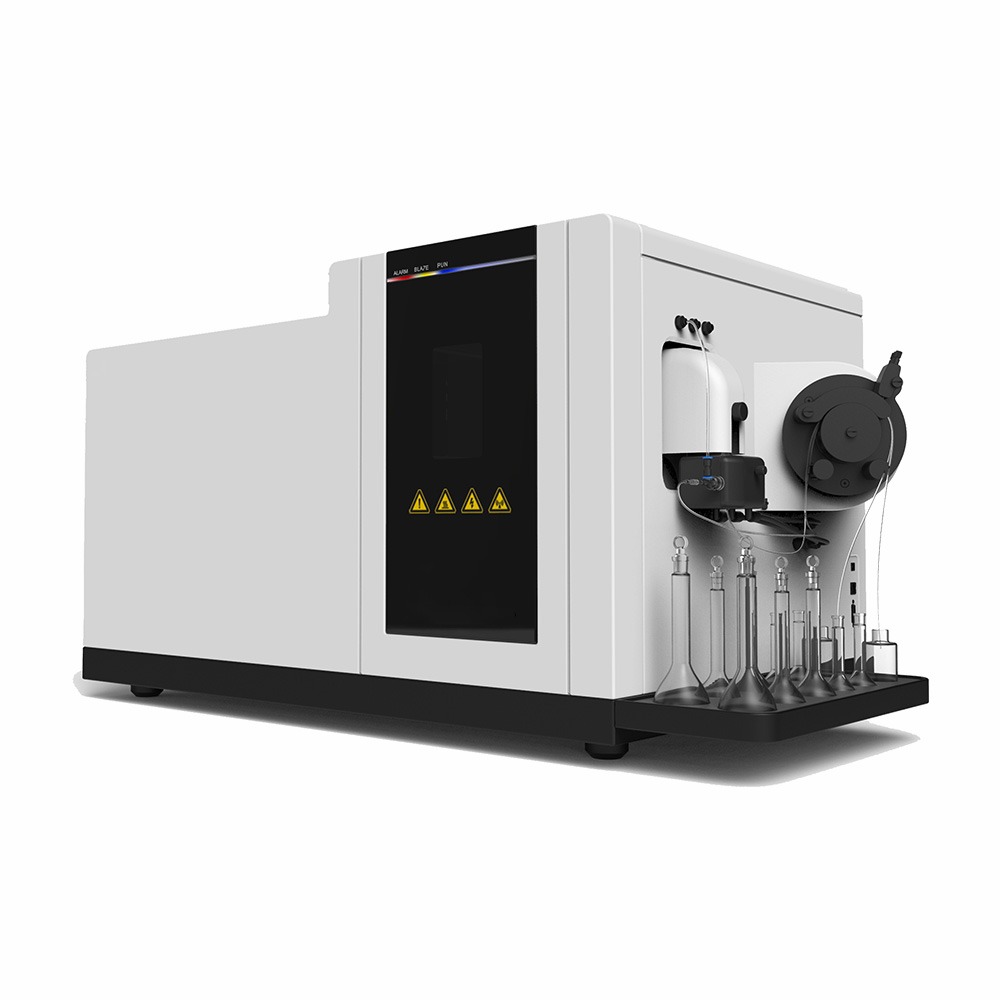
How to Mitigate Matrix Effects in ICP-MS for Complex Sample Analysis
Inductively Coupled Plasma Mass Spectrometry (ICP-MS) is a highly sensitive analytical technique widely used for detecting trace elements in complex samples, such as environmental, biological, and industrial matrices. However, one of the significant challenges when using ICP-MS for complex sample analysis is the presence of matrix effects. These effects can lead to signal suppression or enhancement,…

ICP-AES vs. ICP-MS for Heavy Metal Analysis: How to Choose the Right Method
Two widely adopted techniques for heavy metal analysis are Inductively Coupled Plasma-Atomic Emission Spectroscopy (ICP-AES) and Inductively Coupled Plasma-Mass Spectrometry (ICP-MS). Each technique has distinct advantages and limitations depending on the application, sensitivity requirements and operational constraints. This article explores the key aspects that differentiate ICP-AES and ICP-MS, aiding in selecting the appropriate method for heavy metal analysis. What are…
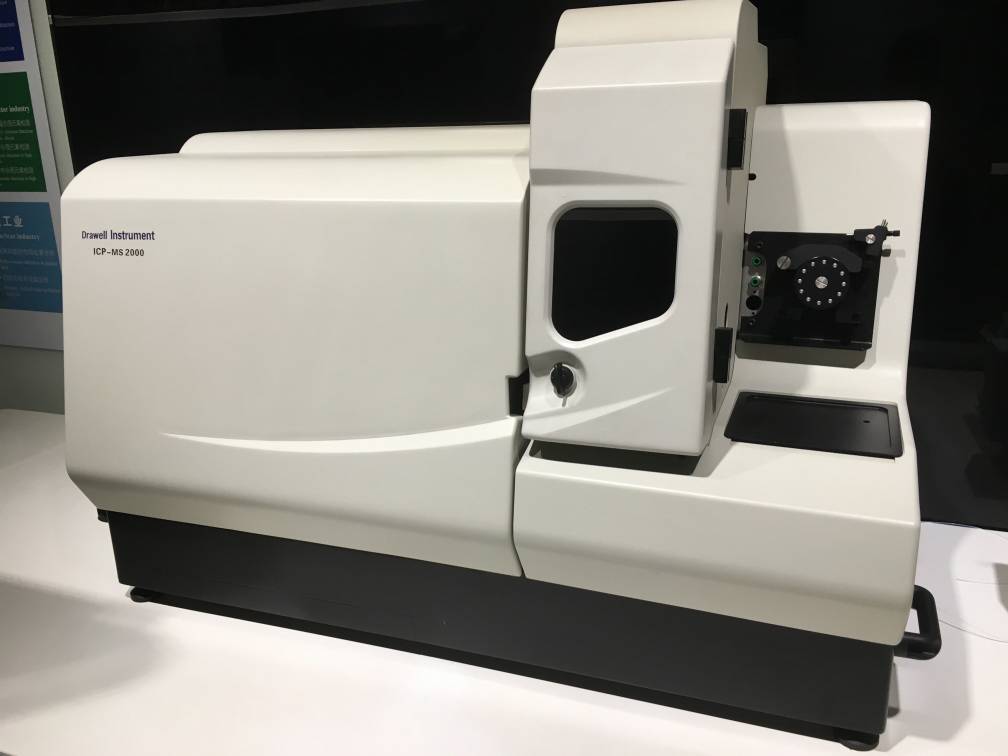
How to Enhance ICP-MS Accuracy through Innovative Sample Preparation Techniques
Inductively Coupled Plasma Mass Spectrometry (ICP-MS) is an indispensable technology for detecting and quantifying trace elements and isotopes in various matrices. The accuracy of ICP-MS heavily depends on the quality of sample preparation, as improper techniques can introduce contamination, matrix effects, or signal suppression. Innovative advancements in sample preparation are revolutionizing ICP-MS workflows, leading to enhanced accuracy…
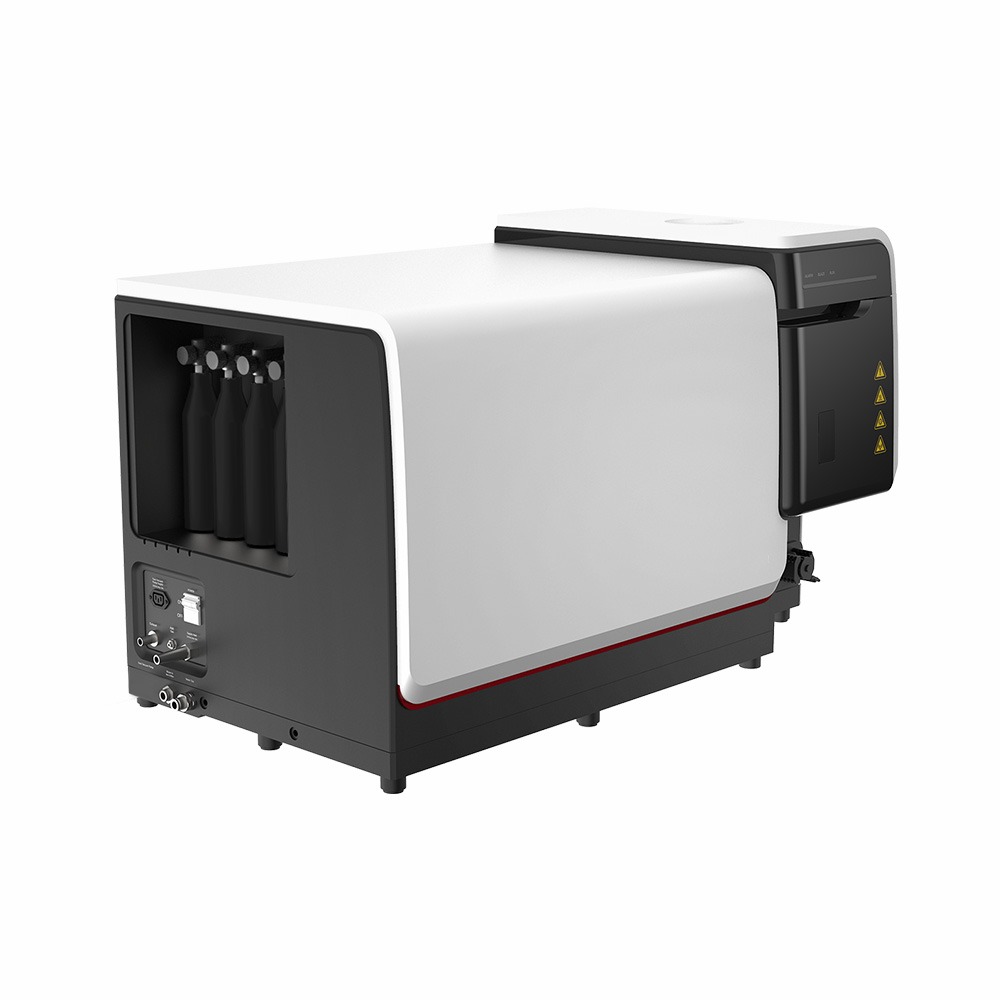
How to Address the Challenges of High-Salt Sample Analysis in ICP-MS
Inductively Coupled Plasma Mass Spectrometry (ICP-MS) is a highly sensitive and precise analytical method for detecting trace and ultra-trace elements in complex matrices. When it comes to high-salt samples, such as seawater, brines, and saline wastewater, ICP-MS analysis becomes challenging due to the high concentration of dissolved salts. These samples present unique obstacles, requiring specialized techniques…
Browse by category:


