


Chromatography & Mass Spectrometry
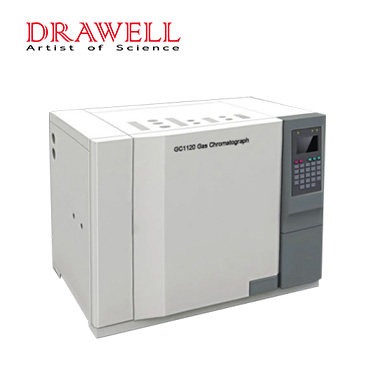
The Pivotal Role of Gas Chromatography in Forensic Science: Investigation and Resolution of Criminal Cases
To analyze evidence, forensic science employs a wide range of analytical techniques. Gas chromatography (GC) is a powerful tool in the arsenal of forensic scientists, allowing for the separation and identification of complex mixtures found at crime scenes. In this article, we explore the applications and significance of gas chromatography in forensic science, delving into its…
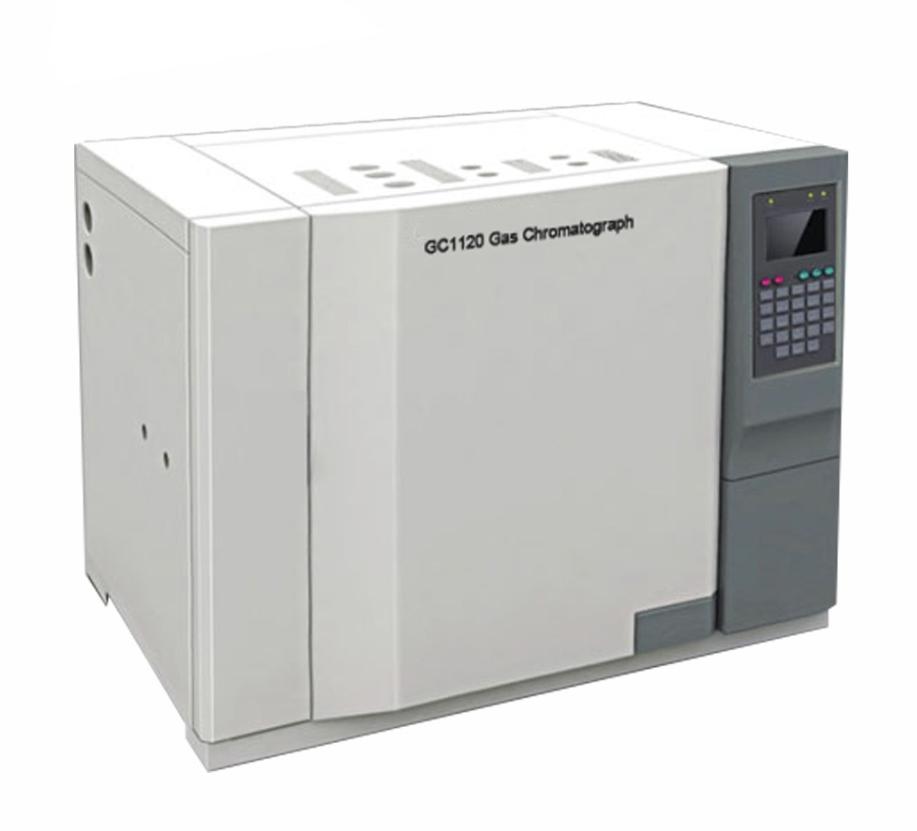
Exploring Sample Injection System in Gas Chromatography: Crucial Functions, Key Components and Various Techniques
Gas chromatography (GC) is a popular analytical technique for isolating and evaluating volatile chemicals in a wide range of materials. The ability of gas chromatography to successfully separate complicated mixtures is critical to its effectiveness. The sample injection system, which is responsible for injecting the sample into the chromatograph, is important to this separation process. This article…
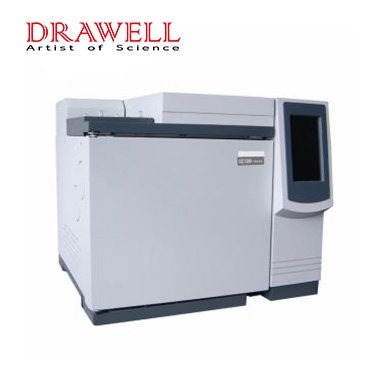
How Does Gas Chromatography Work
Gas chromatography (GC) is a powerful analytical technique for separating, identifying, and quantifying the components of complex mixtures. In this article, we will discuss the topic of how does gas chromatography work, exploring its working process and factors affecting separation in gas chromatography. What is the Working Process of Gas Chromatography? The principle of selective partitioning…
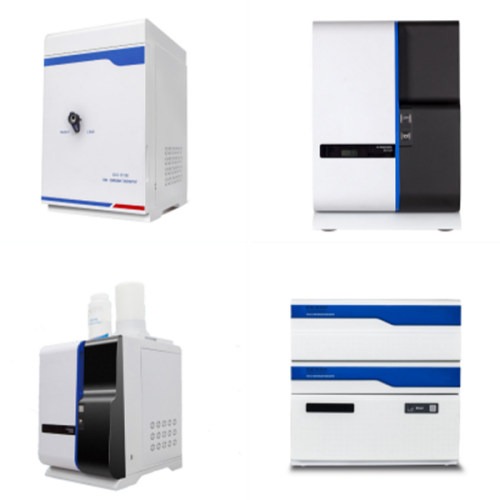
What are the Different Types of Ion Chromatography
Ion chromatography (IC) is a powerful analytical technique used to separate and analyze ions in a variety of samples. It is widely applied in environmental testing, pharmaceuticals, food analysis, and chemical research. There are several types of ion chromatography, each designed for specific separation mechanisms, detection methods, or application needs. Understanding these differences is essential for…
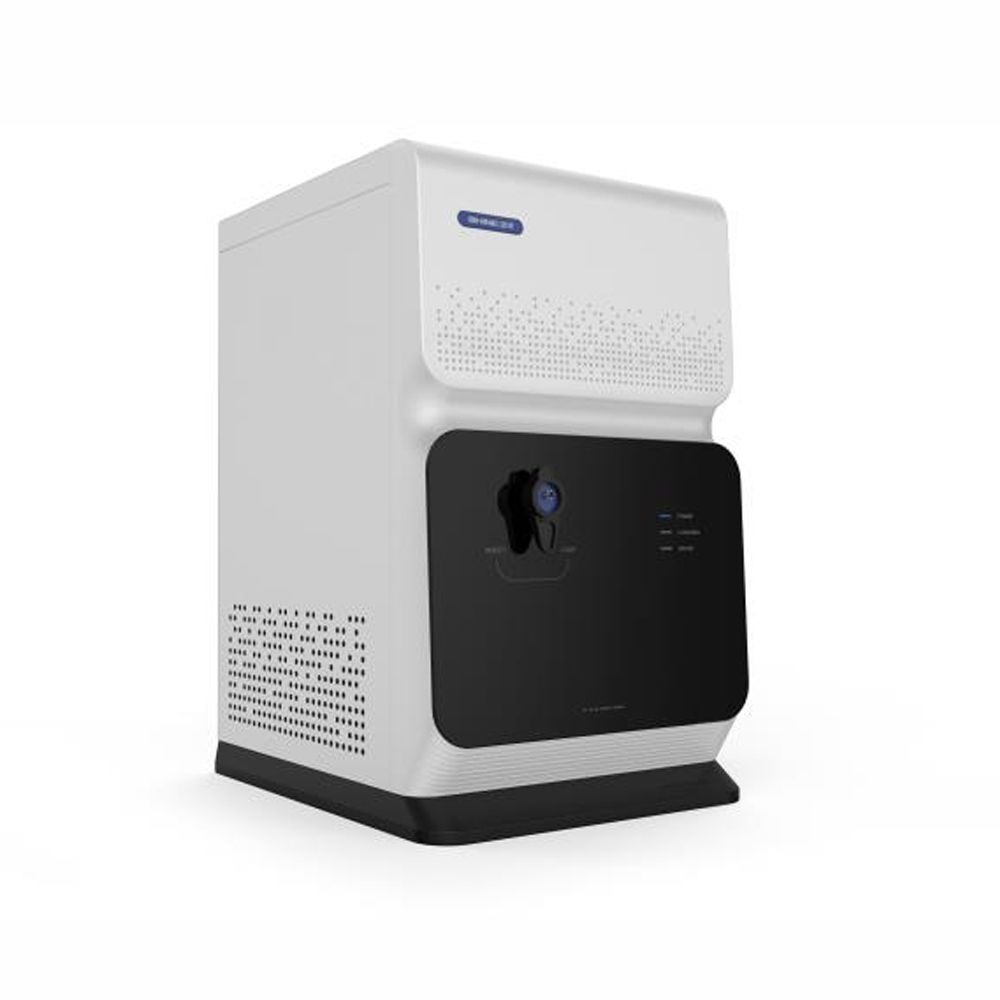
The Role of Ion Chromatography in Water Analysis: Principles, Applications and Benefits
It is critical to ensure that our water supply is free of dangerous contaminants and meets regulatory criteria. Ion chromatography (IC) is a potent analytical technology that has transformed water quality assessment. In this article, we dig into the world of ion chromatography in water analysis, learning about its principles, applications, and importance in protecting our…
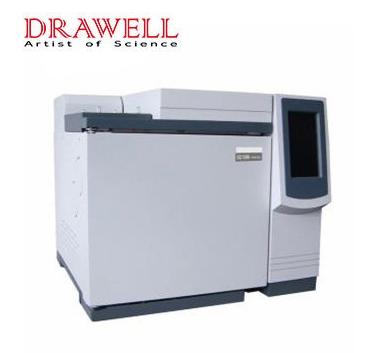
Why Is Temperature Programming Used in Gas Chromatography
Gas chromatography (GC) is a widely employed analytical technique that is essential in various fields, including chemistry, environmental science, pharmaceuticals, and food analysis. One of the critical factors that influence the separation and detection of compounds in gas chromatography is temperature. Temperature programming, a technique that involves varying the temperature during the chromatographic run, is often…

Unlocking the Secrets of Ion Chromatography: Principles, Applications, and Measurements
In the realm of analytical chemistry, ion chromatography stands as a powerful technique, illuminating the intricate world of ions and molecules. With its ability to separate and quantify various ions in a sample, ion chromatography plays a pivotal role in a wide range of scientific and industrial applications. In this article, we will delve into the…
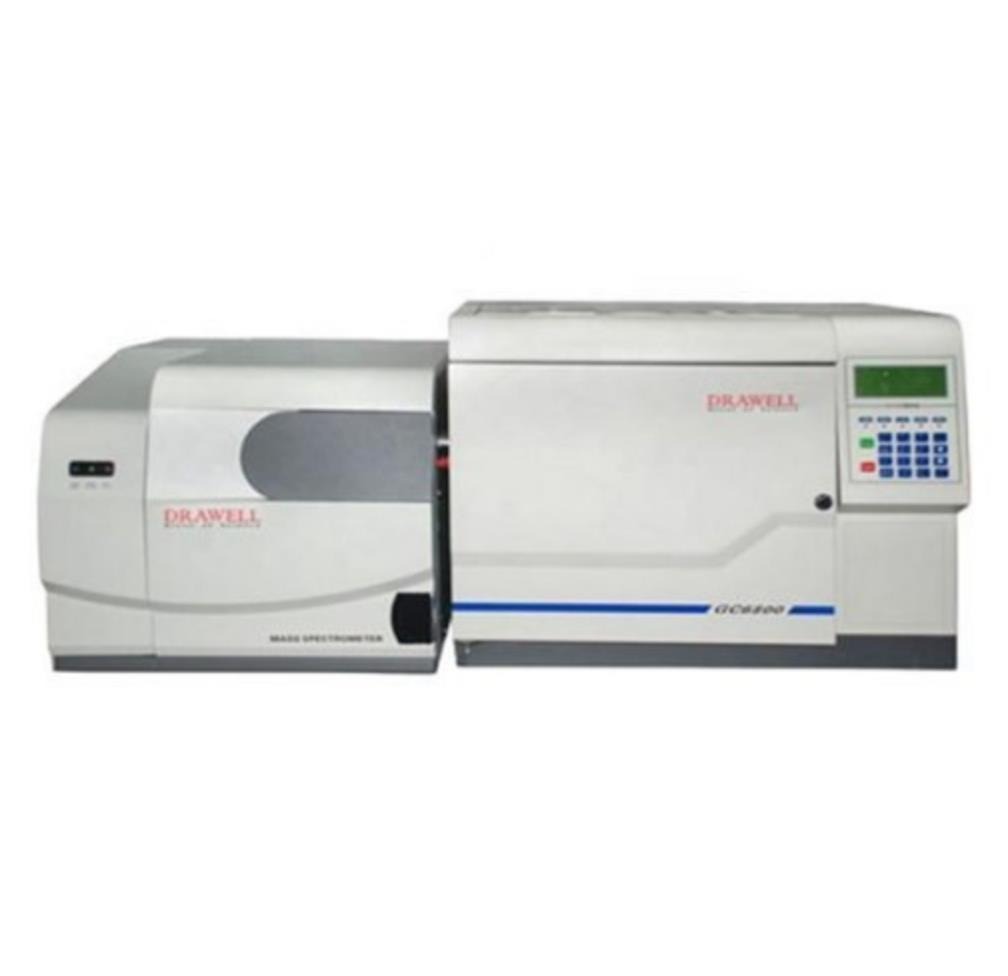
Detecting the Unseen: How GC-MS Reveals Hidden Compounds
In the world of analytical chemistry, scientists constantly seek innovative methods to uncover hidden secrets that lie within complex mixtures of compounds. One such method that has revolutionized the field is Gas Chromatography-Mass Spectrometry (GC-MS). GC-MS is a powerful analytical technique that allows researchers to identify and quantify a wide range of compounds, even those…
What Type of Gas Can Be Used in Gas Chromatography
Gas chromatography (GC) is a widely used analytical technique employed in various fields, including chemistry, environmental science, pharmaceuticals, and food analysis. It enables the separation and quantification of complex mixtures of chemical compounds. Gas chromatography (GC) typically uses one or more types of gases, which serve different roles in the chromatographic process. These gases can be…
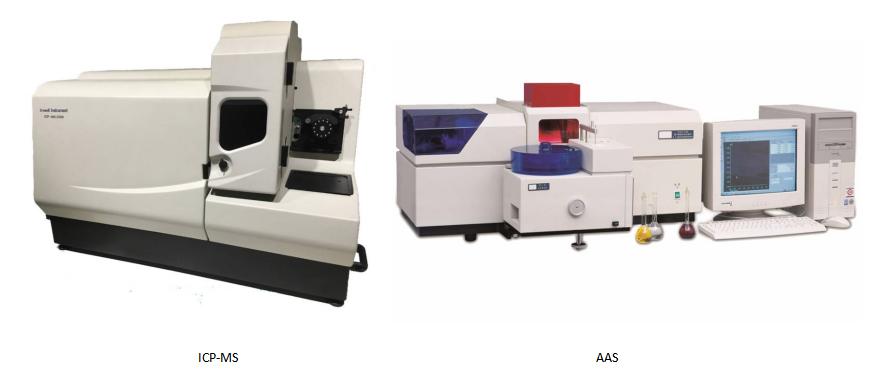
ICP-MS vs. AAS: Which Technique to Choose
When it comes to elemental analysis in various fields, researchers and analysts often face a crucial decision: which analytical technique should they employ? ICP-MS and AAS are common methods that come into consideration. Each technique has its own strengths, limitations, and areas of application. In this article, we’ll explore Inductively Coupled Plasma Mass Spectrometry (ICP-MS) and Atomic…
Browse by category:


