


Chromatography & Mass Spectrometry
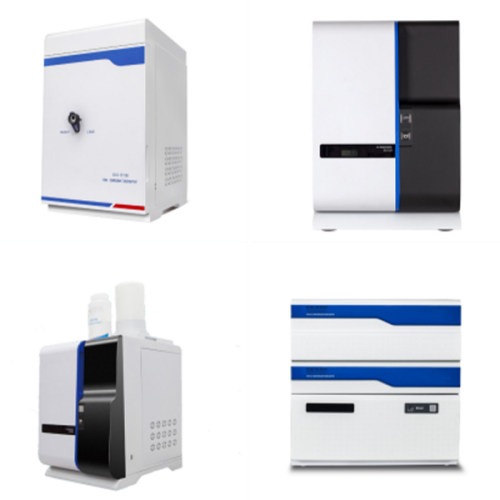
How Does a Chromatography Work
Chromatography is a common analytical technique for separating and identifying the constituents of a mixture. It is commonly used to study complex mixtures and identify specific components in domains such as chemistry, biology, and medicine. This article focuses on how does a chromatography work. Principle Of a Chromatography Chromatography works on the differential partitioning principle, which states…
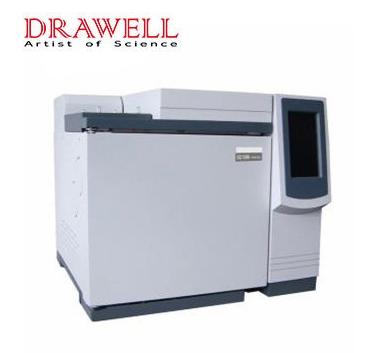
What Is Gas Chromatography: Main Types and How to Use Effectively
Gas chromatography (GC) is a versatile analytical technique used for separating and analyzing volatile compounds in complex mixtures. By leveraging the principles of partitioning between a mobile gas phase and a stationary phase, GC enables the precise separation and identification of individual components. This article explores the different types of gas chromatography and provides insights into…
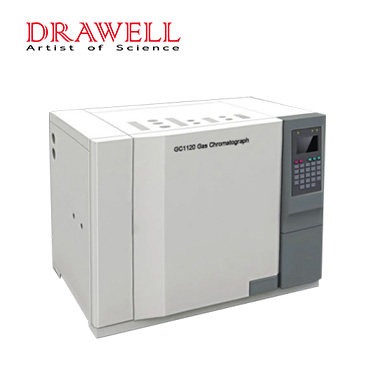
8 Key Gas Chromatography Applications in Food Industry
The food industry plays a vital role in providing safe, nutritious, and high-quality food products to consumers. Ensuring the safety and quality of food is of utmost importance to protect public health and meet regulatory requirements. To achieve this, analytical techniques are employed to analyze food samples for various parameters, including the identification and quantification…
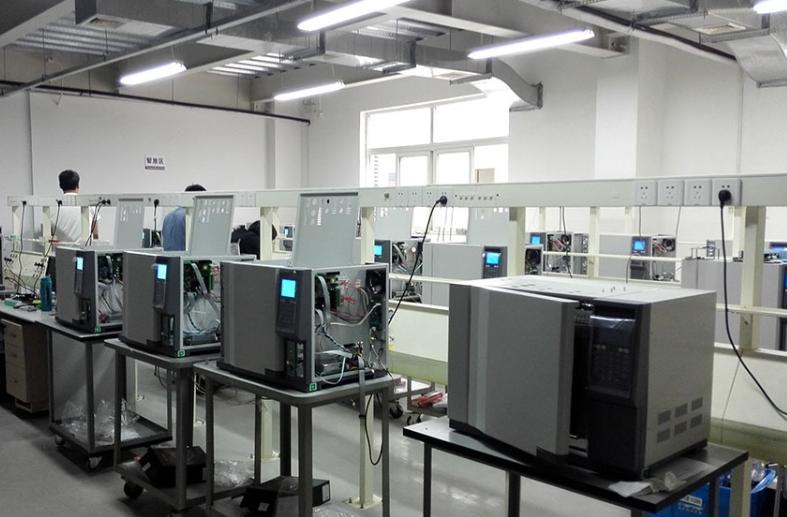
9 Key Gas Chromatography Applications in Pharmaceuticals Analysis
Gas chromatography (GC) plays a significant role in pharmaceutical and drug analysis by providing a reliable and sensitive technique for the separation, identification, and quantification of volatile and semi-volatile compounds. It is widely used throughout the drug development process, including quality control, formulation development, stability testing, and pharmacokinetic studies. Here are 9 key applications of gas…
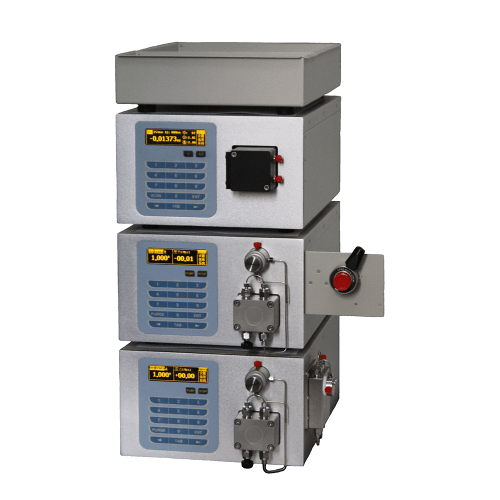
How Does Liquid Chromatography Work – Principles, Key Components, and Mechanisms
Liquid chromatography (LC) is a sophisticated analytical technique used to separate, identify, and measure the components of a complicated mixture in a variety of scientific disciplines. LC has become an indispensable instrument in disciplines such as pharmaceuticals, environmental analysis, forensics, food science, and others because of its versatility and a broad range of applications. In this…
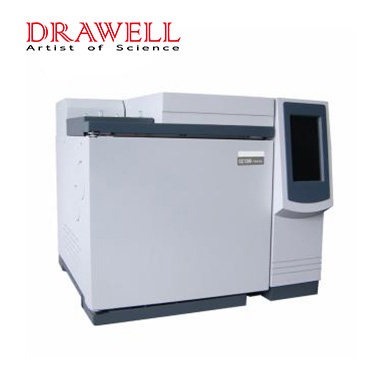
What Does Gas Chromatography Measure?
Gas chromatography (GC) is a technique used in analytical chemistry to separate and analyze complicated mixtures of chemicals. It is an effective approach for identifying and quantifying components in varied samples. To obtain precise and trustworthy findings, gas chromatography employs the principles of partitioning and differential migration of analytes. Gas chromatography has a wide range of…
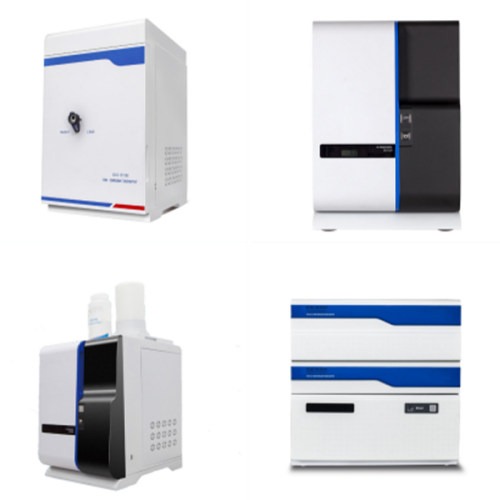
Why Is Chromatography Useful?
Chromatography is a powerful analytical technique that has evolved into a necessary tool in modern science. It is used to separate and analyze complicated mixtures of compounds and has several uses, including pharmaceuticals, environmental monitoring, food and beverage analysis, and forensic research. Chromatography is a basic analytical tool that has proven indispensable in modern science….
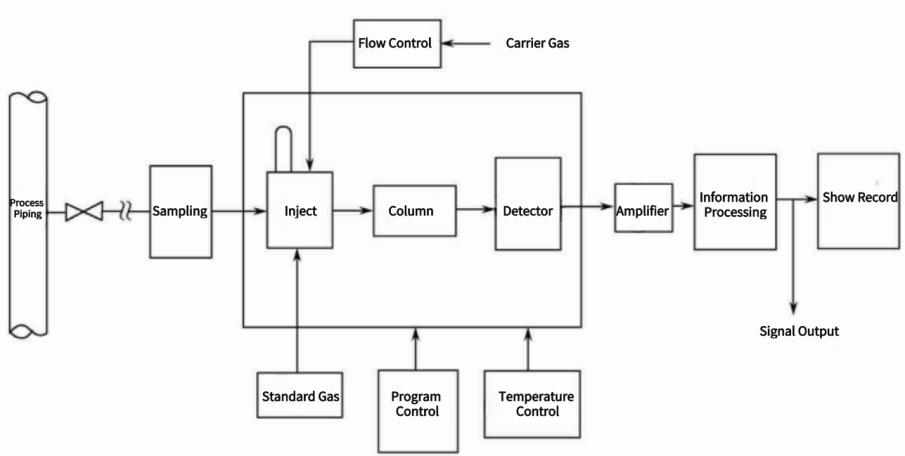
Basic Statement of Gas Chromatography – You Should Know This Directly
What is Gas chromatography? Gas chromatography is a physical analysis technique using gas as mobile phase and column chromatography. Column of Gas Chromatography The chromatographic column is the core component of gas chromatography, and its quality plays an important role in the indicators of the entire gas chromatography. There are two types of chromatographic columns: packed…
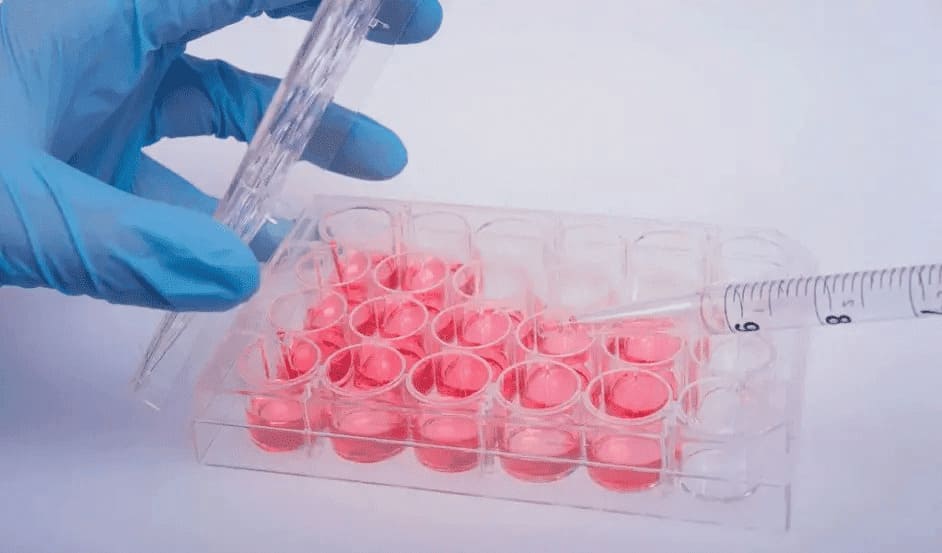
What Is the Difference between HPLC, GC, and Classical Atmospheric Chromatography?
High Performance Liquid Chromatography (HPLC) is also called high-pressure, high-speed, modern liquid chromatography. It was established in the mid-1960s as an efficient and rapid method for separating compounds. It was widely used in the separation and purification of proteins in the late 1970s. It has become one of the most effective methods for separating and…
What Are The Application Areas of Gas Chromatography (GC)?
1. Gas chromatography analysis of natural gas constants The thermal conductivity detector is selected, which is suitable for constant analysis of O2, N2, CH4, CO2, C2H6, C3H8, i-C40, n-C40, i-C50, n-C50, and other components of natural gas used in urban gas. 2. Analysis of artificial gas The thermal conductivity detector, double-valve multi-column system, and automatic or manual…
Browse by category:


