


Many laboratories and businesses face a common dilemma: the need for reliable gas analysis instruments while operating on a tight budget. A common misconception is the belief that the lower the cost the lower the performance, the accuracy and the durability of the product. This is simply not the case. Thinking strategically and having clarity on the gas analyzers that are aligned with your needs, will help you devise a satisfactory solution and fulfillment
In the case of fulfillment of this objective, we will help disambiguate the aspects of buying gas analysis instruments without the feeling of overspending. We will focus on the distinct elements that make up this case: knowing your application and analyzing the gas analyzers suppliers so that the gas analysis instruments buy is not only economical but also reasonable along with sustainable.

Identify Your Needs – Where Does Your “Budget” Go?
Before you even start looking at gas analysis instruments, you need a clear picture of what you need them for. This critical first step will prevent you from buying an expensive, high-spec device when a more affordable option will do the job perfectly.
Start by asking these questions:
What is the application? Are you performing environmental monitoring, industrial emissions testing, medical gas purity checks, or research? The application dictates the required precision and type of gas analyzer. For instance, a simple CO₂ monitor for a greenhouse has vastly different requirements than a complex multi-gas analyzer for an industrial stack.
Which gases need to be measured? Identify the specific gases you need to analyze, such as CO₂, CH₄, O₂, H₂S, or VOCs. Also, determine the concentration range. Analyzing trace amounts of a toxic gas requires a much more sensitive and expensive instrument than monitoring high concentrations of a common gas.
What is the operating environment? Will the instrument be used in a fixed laboratory setting or in the field? Is portability a key factor? Portable gas analyzers are crucial for field work and emergency leak detection but may cost more than a benchtop model.
What is the required accuracy and stability? Do your measurements need to comply with strict regulatory standards, or are you looking for general trend analysis? High-precision instruments with minimal drift cost more upfront but may save you money in the long run by reducing the need for frequent calibrations.
Knowing your needs helps you avoid paying for advanced capabilities you do not require, ensuring that your budget delivers maximum value.

Common Types of Gas Analysis Instruments and Cost Differences
Gas analysis instruments vary widely in technology, cost, and application. Each technology has its strengths, weaknesses, and a corresponding price point. The table below provides a simplified comparison:
| Instrument Type | Typical Gases Measured | Revised Cost Range (USD) | Typical Applications |
| Portable Gas Analyzers | O₂, CO, CO₂, CH₄, H₂S, VOCs | ~ $800 – $6,000 | Mining, field inspections, worker safety |
| Electrochemical Analyzers | O₂, CO, SO₂, NO, NO₂ | ~ $500 – $4,000 | Industrial combustion monitoring, emission checks |
| Infrared Gas Analyzers (NDIR / FTIR based etc.) | CO₂, CH₄, hydrocarbons, CO₂/CO mixtures | ~ $5,000 – $25,000 | Environmental monitoring, combustion efficiency, labs |
| Online / Continuous Gas Analyzers | Multi-gas (CO, NOx, SO₂, O₂, CH₄ etc.) | ~ $20,000 – $80,000+ | Power plants, petrochemical plants, emissions compliance |
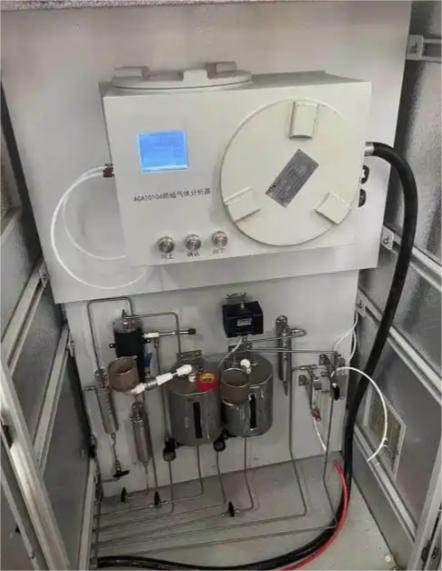
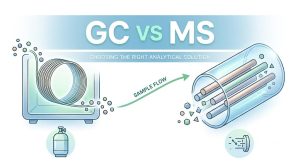
| Gas Chromatography (GC) | Multi-component gas mixtures | ~ $3,000 – $40,000+ | Laboratories, R&D, complex gas mixture analysis |
| Mass Spectrometry / Advanced Optical (TDLAS / CRDS etc.) | Ultra-trace gases (ppb-ppt levels) | ~ $50,000 – $200,000+ | Semiconductor, atmospheric research, high-precision labs |
Some choosing tips:
Portable Gas Analyzers: Portable multi-gas detectors, portable CO₂/CH₄ analyzers, and other infrared instruments on the market are slightly more expensive, especially those with display screens, wireless connectivity, or data logging capabilities, typically costing between $1,000 and $4,000.
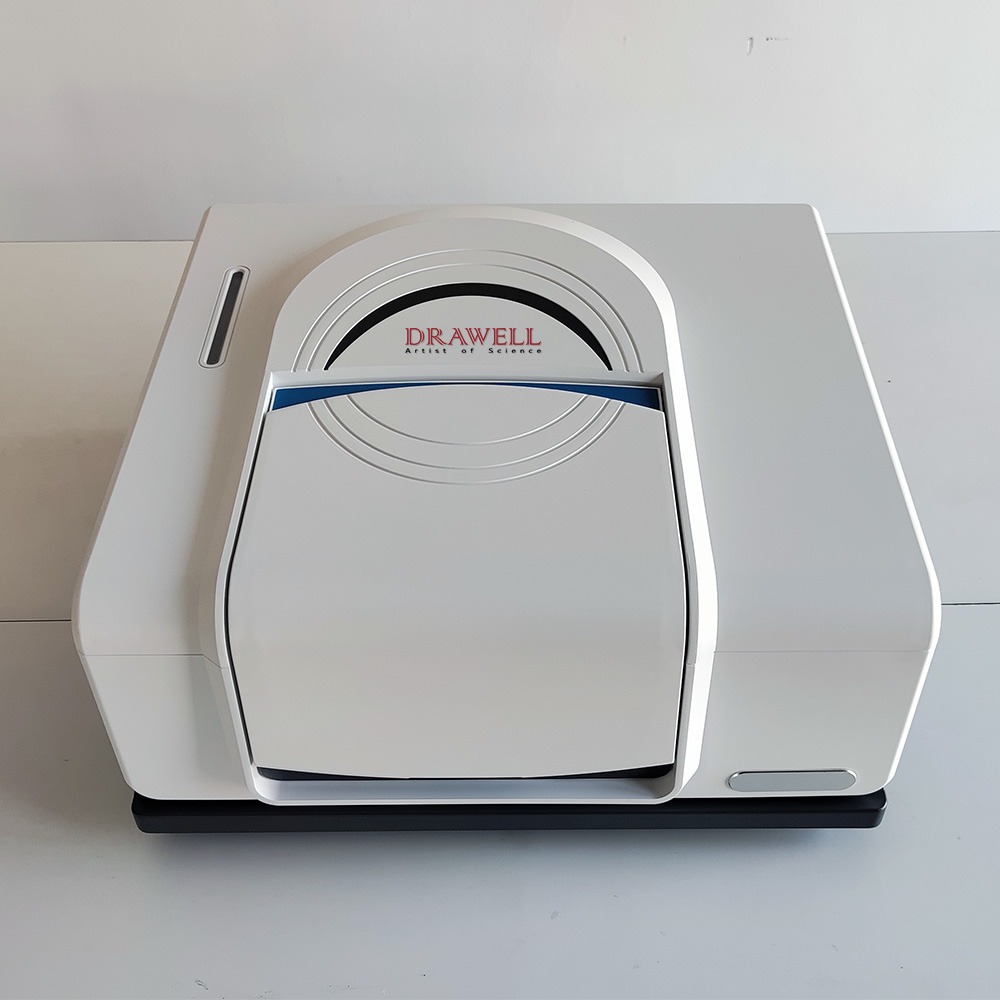
Infrared/FTIR Instruments: Drawell FTIRs are around $15,000, while mid-range IR/FTIR instruments can cost at least tens of thousands of dollars. High-end FTIRs or multi-band instruments can cost $20,000-25,000 or more.
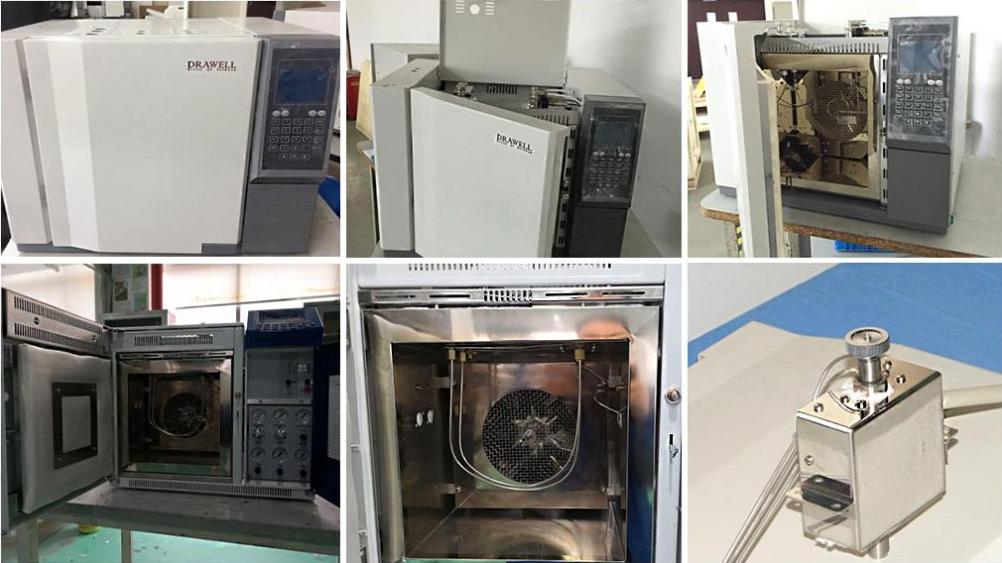
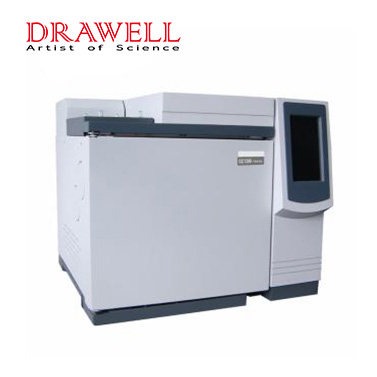
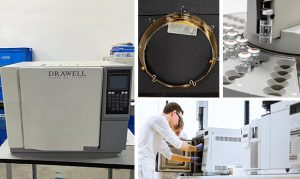
Gas Chromatography (GC): Some simple GC instruments, like the Drawell GC, can be found on the market starting at $3,000, but GCs equipped with multiple detectors, autosamplers, and other features can cost between $25,000 and $40,000.
Online Continuous Systems: These systems often include high-temperature probes, online calibration, and data output interfaces. Installation and maintenance costs are high, with a starting price of $20,000-$80,000 being reasonable. More complex systems or those requiring environmental resistance may cost more.
Mass Spec/Advanced Optical: These systems primarily focus on trace detection and are used in scientific research or specialized industrial applications. Market quotes are rare, but prices are generally high, typically in the hundreds of thousands of dollars.
What This Means for Buyers on a Low Budget?
If your budget is less than $2,000-$5,000, the most realistic options are portable gas analyzers or small electrochemical analyzers.
If your budget reaches $10,000-$25,000, you can consider mid-range infrared gas analyzers (such as simple FTIR or NDIR multi-gas analyzers, systems with some automation and continuous monitoring capabilities).
Investments exceeding $30,000-$50,000 are suitable for applications requiring online monitoring, large facility compliance, or scientific research.
Here are some strategies when you’re on a limited budget:
Selection Strategies on a Limited Budget
Once you’ve defined your needs and understood the technology options, you can apply smart strategies to select the most suitable gas analyzer.
- Prioritize a single-purpose instrument. Instead of a complex, multi-gas analyzer, consider a dedicated instrument for the one or two gases you need to measure most. This simplification often leads to lower costs, easier maintenance, and fewer potential points of failure.
- Focus on essential features. Avoid paying for features you don’t need, such as an integrated pump, touch screen, or wireless connectivity. A basic model with a clear display and a data logger is often sufficient.
- Consider ruggedness and reliability. A low initial price is meaningless if the gas analysis instrument breaks down frequently or needs expensive spare parts. Look for instruments known for their durability, especially if they will be used in harsh field environments.
- Look for used or refurbished equipment. Certified refurbished gas analyzers can offer significant savings. Make sure they come with a warranty and have been serviced by the original manufacturer or a trusted provider.
Smart Procurement – How to Evaluate Suppliers and Products
The final step is choosing the right partner. A great supplier provides more than just the product; they offer the support and service needed to maximize your instrument’s lifespan and value.
Supplier reputation and experience: Choose a supplier with a strong reputation for manufacturing or distributing gas analysis equipment. Look for companies that have experience serving your region. They’re more likely to understand your needs and provide appropriate local support.
Total Cost of Ownership (TCO): Don’t just look at the purchase price. Account for all costs over the life of the instrument, including maintenance, consumables (like calibration gas), and potential repair costs. A slightly more expensive instrument with lower long-term maintenance costs can be a better investment.
After-sales service and support: Ask about the warranty, technical support, and availability of spare parts. For customers in today’s Internet age, readily available technical support and a network of service engineers are invaluable. Many reliable manufacturers, such as Drawell, offer remote diagnostics and support, which provides great convenience to customers.
Training and documentation: Ensure the supplier provides comprehensive training and clear documentation. A well-trained team can prevent common operational errors and prolong the life of the instrument. In short, a good supplier is one that can solve your problems in a timely manner.
Choosing the right gas analysis instruments on a low budget is about smart allocation of resources rather than simply buying the cheapest product. By clearly defining your needs, understanding the cost differences between instrument types, and carefully evaluating suppliers, you can achieve compliance and safety without overspending.
Related Products Recommendation


Get Quote Here!
Latest Posts
What Next?
For more information, or to arrange an equipment demonstration, please visit our dedicated Product Homepage or contact one of our Product Managers.


