


Gas Chromatography-Mass Spectrometry (GC-MS) is an effective analytical technique that is widely applied in pharmaceuticals, environmental testing, food safety, forensics and clinical research. However, the precision and reliability of GC-MS results heavily depend on the quality of sample preparation. Traditional manual sample preparation techniques are time-consuming, labor-intensive, and prone to human error. Automated sample preparation systems have been developed as a solution to these challenges, improving efficiency, reproducibility and throughput in analytical labs.
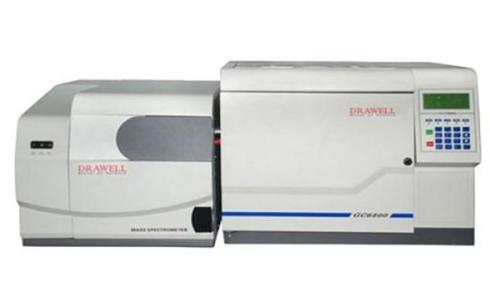
The Importance of Sample Preparation in GC-MS
Insuring Compatibility GC-MS System
GC-MS requires that the samples be thermally stable, volatile and dissolvable in suitable solvents. A lot of raw materials, particularly ones from the environmental or biological realms as well as industrial substances do not meet these standards. The process of preparation for samples involves steps like solvent extraction, filtering, or derivatization to transform the sample into an GC-compliant form. If you do not follow these steps the sample can block the column, harm it, and generate insufficient data because of poor volatilization.
Improving Sensitivity and Detection Limits
The majority of targets are found at trace levels in complicated matrixes. Concentration methods such as Solid-phase Extraction (SPE) and solvent evaporation in preparation can boost the concentration of the analyte and increase the sensitivity of the detection. By eliminating unnecessary components and focusing the sample increasing the signal-to-noise ratio and allows that compounds are detected in very low concentrations.
Reducing Matrix Interference
Complex sample matrices may introduce compounds that co-elute with analytes or inhibit ionization within an MS detector. Proper preparation of the sample removes or reduces these effects on the matrix. For instance, cleaning procedures like filtration and selective extraction aid in separating the analyte and ensure the peak of the chromatographic analysis can be quantifiable and distinct without interference from compounds similar to it.
Enhancing Reproducibility and Accuracy
Manual preparation can introduce a range of variations due to techniques timing, technique, and the conditions of the environment. Standardized protocols for sample preparation that are either manually or automatically, are crucial for achieving consistent results across several runs. A uniform preparation process ensures that any variation observed in results is due to genuine variations in the samples, not due to irregularities in the process.
Supporting Method Validation and Compliance
In the regulated sectors Validated sample preparation processes are necessary to meet requirements for quality, such as those stipulated within Good Laboratory Practices (GLP) or ISO certifications. Comprehensive, repeatable and documented methods for preparation support method validation, allowing solid comparisons across labs and are the basis for audit-ready, defensible information.

Advantages of Automated Sample Preparation for GC-MS
This chart shows how the automated sample preparation helps to ensure the accuracy, speed and reliability required for Gas Chromatography-Mass Spectrometry in modern laboratories.
| Advantage | Description |
| Enhanced Reproducibility | This ensures uniform and consistent treatment of samples, reducing variation in GC-MS run. |
| Improved Sensitivity and Accuracy | Controlling the precise extraction, derivatization, as well as injection improves the quality of data and the detection limit. |
| Higher Throughput | It allows processing massive batches of samples in a short time which is ideal for high-demand GC-MS applications. |
| Reduced Human Error | Reduces the need for manual intervention, thereby avoiding frequent errors, like incorrect pipetting or timing issues. |
| Optimized Workflow Integration | It seamlessly connects to GC-MS instruments, which allows for automatic injection and synchronized analyses. |
| Labor and Time Savings | Eliminates analysts from monotonous tasks and allows them to concentrate on developing methods and analysis of data. |
| Improved Safety | Reduces exposure to harmful biological and chemical substances by automating handling procedures. |
| Regulatory Compliance | It provides traceable, documented and prepared steps that are standardized to help support GLP/GMP-related environments. |
| Consistent Matrix Cleanup | Improves matrix removal with standard extraction and filtration, which improves the GC-MS’s performance. |
| Round-the-Clock Operation | It can be used for weekend or overnight runs, which maximizes instrument use and the amount of samples that can be processed. |
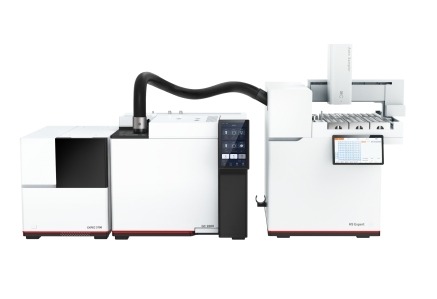
Key Automated Sample Preparation Techniques for GC-MS
1. Solid Phase Extraction (SPE)
A Solid Phase Extraction is among the most frequently automated methods for the preparation of complicated samples like blood, water and food extractions. The samples are pumped through cartridges filled with sorbents which selectively hold the analytes of particular interest. Automated SPE ensures precise control of the flow rate, solvent volume and elution processes which results in consistent purification. Robotic systems are able to handle many cartridges at once, thereby increasing the number of samples processed and reducing the amount of work required.
2. Liquid-Liquid Extraction (LLE)
Traditionally, it is a labor-intensive method. Liquid-Liquid Extraction consists of separating substances according to their solubility two solvents that are immiscible. Automated LLE systems use Vortex mixers, robotic arms and centrifuges to manage removal, separation of phases as well as the transfer to the layer you want precisely. The automation minimizes exposure of the operator to harmful solvents and guarantees the same efficiency of partitioning even with large or complicated samples.
3. Derivatization
A lot of target compounds that are suitable for Gas Chromatography Mass Spectrometry are not thermally stable or volatile in their natural form. Derivatization transforms these substances into more compatible GC-compatible derivatives. Automated systems regulate time, temperatures and the addition of reagents for derivatization processes, which are crucial to getting consistent yields from reactions. When using silylation or alkylation, the automated systems eliminate the guesswork and guarantee that each sample is handled in the same way under identical conditions.
4. Filtration and Protein Precipitation
For biological samples, such as plasma and urine, these automated platforms are able to conduct protein precipitation, followed by filtering. Robotic platforms disperse solvents like acetonitrile and methanol, mix well and then remove the supernatant and put it into new vials. This is crucial in preventing the accumulation of proteins within the GC inlet and column which could affect the performance of the instrument and its accuracy.
5. Solvent Exchange and Concentration
In the event that the original sample solvent is not compatible with GC-MS, automated systems are able to conduct the exchange of solvents and concentrate in controlled conditions. Systems that have integrated nitrogen evaporators can remove solvents without causing excessive heat to the sample. The robotic handlers then reconstitute this residue using a GC-compatible solvent. This is a crucial step when analyzing trace samples where the loss of analytes has to be reduced.
6. Headspace Sampling and Solid Phase Microextraction (SPME)
Automation is particularly beneficial for headspace sampling and SPME which are commonly employed for volatile organic compound (VOC) analyses. Autosamplers for headspace heat sealed vials and then extract vapors from the GC inlet, without having direct contact with the matrix of the sample. In automated SPME robotic arms, robotic arms insert the coated fibers from sample vials as well as in the GC inlet, while maintaining the same the same timeframe for extraction as well as temperature and desorption. These systems are perfect for forensic, environmental and analysis of flavor.
7. Online Sample Preparation
Modern automated platforms can now connect sample preparation directly into GC-MS systems. Online configurations permit continuous workflows from cleanup and extraction to injection, without any manual transfer. The integration helps reduce the risk of contamination as well as improves traceability of the sample and provides the monitoring in real time and controls of the preparation stages.

Applications of Automated GC-MS Sample Preparation
The impacts of automated GC-MS sample preparation covers a wide range of fields where accuracy, reproducibility, and efficiency are crucial.
- Environmental Analysis
Monitoring the environmental, and the identification of contaminants such as herbicides, pesticides, the polycyclic aromatic hydrocarbons (PAHs) and other volatile organic compound (VOCs) require meticulous preparation. Automation of solid phase extraction (SPE) and LLE, or liquid-liquid extraction (LLE) as well as headspace samples are utilized to treat soil, water and air samples in a timely manner. Automated recovery ensures consistency and faster turnaround times for samples, and adherence to regulatory standards like EPA as well as ISO protocols.
- Food Safety and Quality Control
Food industry relies on Gas Chromatography Mass Spectrometry to identify the presence of pesticides, plasticizers, preservatives and other contaminants, such as acrylamide and 3-MCPD. Automated systems make food matrices ranging from oils and liquids to packaged goods and powders–through the extraction of solvents, filtering and derivatization. Automation improves reproducibility and lowers the chance of cross-contamination in high-throughput test environments, thereby ensuring conformance to international food safety standards (e.g. Codex Alimentarius EFSA, FDA).
- Pharmaceutical and Biomedical Applications
In research into pharmaceuticals and clinical diagnostics, GC-MS is extensively employed for drug testing, analysis of metabolites and analysis of impurities. Biochemical samples such as urine, plasma, and tissues require a complex process of preparation, including the precipitation of proteins, derivatization and concentration. Automated platforms standardize these procedures and ensure uniformity in studies of pharmacokinetics as well as toxicology tests and monitoring of therapeutic drugs. In addition, automation assists in meeting regulatory requirements in GLP as well as GMP environments.
- Forensic Science and Toxicology
Forensic laboratories employ GC-MS for the identification of narcotics and accelerants, poisons and other trace-level substances in difficult matrices like hair, blood and even tissue. Automated sample preparation facilitates rapid screening of huge case backlogs, helps with chain-of custody documentation and increases the accuracy needed in legal processes. Automation is especially beneficial in the field of toxicology, where batch processing of samples without involvement of the analyst is crucial to increase efficiency and accuracy.
- Petrochemical and Industrial Testing
In the industry of petrochemicals automated GC-MS workflows are employed to study the hydrocarbons in fuel additives as well as chemical feedstocks, and lubricants. The preparation of samples involves the filtration, dilution and sometimes derivatization to increase the volatility. Automation allows for the safety of handling flammable and acidic solvents, while allowing exact infusion into GC system, which reduces downtime and enhancing the quality control process.
- Flavor, Fragrance, and Cosmetic Testing
The automated sample preparation process is essential for the study of volatile ingredients in essential oils, perfumes or personal-care products. Headspace sampling and microextraction in solid-phase (SPME) enable high-quality and reliable extraction of aromatic compounds. These techniques increase the sensitivity of products and ensure their integrity during testing, assisting quality assurance as well as development of products.
- Academic and Research Laboratories
In academic settings, where a variety of kinds of samples and designs for experiments are prevalent, automated GC/MS sample preparation lets researchers concentrate on data interpretation instead of manually preparing. Automating allows for complex method development and reproducibility across multiple user environments, and integration to other platforms for analysis, such as LC-MS and NMR.

Challenges and Future Directions in Automated Sample Preparation for GC-MS
This chart shows how automation in the sample preparation of GC-MS faces operational and technological challenges, however, future innovations driven by AI, IoT, and modular design, are expected to address these issues and make the technology more accessible, intelligent, and versatile.
| Challenges | Description | Future Directions |
| High Initial Cost | Affording robotic systems equipment, accessories, and maintenance may be costly for small laboratories. | The development of cheaper modular, scalable, and flexible automation platforms. |
| Complex Method Translation | Manual methods can be difficult to translate to automated procedures, particularly for sensitive samples that are diverse. | AI-assisted method design and user-friendly software interfaces to make setup easier. |
| Sample Matrix Variability | Diverse sample types (e.g., blood, soil, food) may require unique preparation methods not suitable for standard automation. | Auto-adjusting systems that adjust the parameters of preparation based on the matrix recognition. |
| Instrument Compatibility | Integration between the sample prep devices and GC-MS systems can be limited or require customized solutions. | Standardized interfaces for hardware and software to facilitate effortless cross-platform compatibility. |
| Maintenance and Downtime | Automated systems require regular maintenance. Any time they are down, it could stop the entire process. | Predictive maintenance based on IoT sensors as well as cloud-based diagnostics. |
| Training and Skill Requirements | Users need to be trained to program to troubleshoot and maintain automated systems. | Improved user-friendly design with virtual training tools and remote assistance. |
| Reagent and Consumable Management | Automated systems typically depend on consumables and reagents that need to be monitored and replenished. | Intelligent inventory tracking and automated alerts or system for reordering. |
| Limited Flexibility for Custom Protocols | Certain systems are designed for everyday tasks, but they lack flexibility for workflows that are tailored to research needs. | Hybrid automation platforms which support customized and standard protocols. |

Final Thoughts
Automated sample preparation for GC-MS is revolutionizing the workflow of analytical processes by providing the reliability, efficiency and scalability. As laboratories continue to be under the demands for faster turnaround and greater accuracy, investing in automated sample preparation systems is not just a convenience and it’s an absolute necessity. Future advancementswill likely see these systems more smarter, adaptable and integral to every high-performance lab.
Related Products Recommendation

Get Quote Here!
Latest Posts

What Next?
For more information, or to arrange an equipment demonstration, please visit our dedicated Product Homepage or contact one of our Product Managers.


