


In modern laboratory conditions, water in reagent form has grown well beyond its nascent phase of being merely a solvent. Incubating water for use in high-performance liquid chromatography (HPLC), analyzing trace metals by ICP-MS, amplifying DNA through PCR, or promoting cultivation of the sensitive mammalian cells will directly affect the accuracy of data, durability of instruments, and reproducibility of those experiments on a larger scale.
Yet, not all “pure water” is created equal. Different applications require different water purity levels. Using water that doesn’t meet the stringent requirements of your application can lead to ghost peaks, elevated background noise, failed amplifications, or even cell death. Here we talk about the precise water quality needs for four of the most demanding laboratory applications—HPLC, ICP-MS, PCR, and cell culture—and helps you match them to the right water purification system for reliable, consistent results.
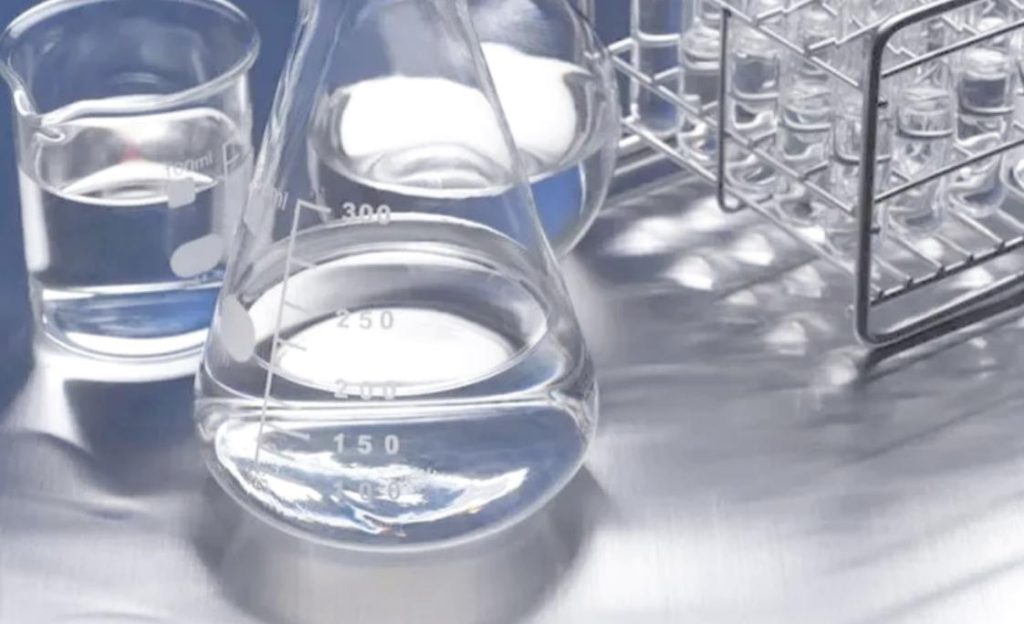
Understanding Grades of Laboratory Water (I, II, III)
International regulatory bodies ASTI, CLSI, and ISO 3696 are the global-classification schemes accepting three laboratory water grades:
- Type III (RO water): resistant to ion flow of ≥0.05 MΩ·cm; useful for rinsing of glassware and the preparation of feed water for Type I units. Type III-type water is useful for mildly hefty lab activities, and: buffer preparation, media formulation, and analytical tasks, especially for a clinic, laboratory using primary pure water.
- Type II (Primary Pure Water): Resistivity (Ohm·cm) of water at a Nest 2 cellular measure: ≥1_MΩcm. Its uses are: buffer preparation, media formulation, and the clinical analyzer. Type II water is made up of impurities and granulated material. It is meant only for a hospital’s clinical analyzers and for the use of patients in need of buffering.
- Type I (Ultrapure Water): Resistivity = 18.2 MΩ·cm at 25°C, with total organic carbon (TOC) < 5 ppb, and extremely low levels of endotoxins, nucleases, and ions. This is the gold standard for sensitive analytical and life science applications.
Whether for HPLC, ICP-MS, PCR, or products for cell culture: in Type I ultrapure water-case, you have no choice, but, there are subtle variations in contaminants, even within Type I, that will be very critical.
Water Quality Requirements for Different Applications
Different laboratory applications have unique risks associated with contaminants. Below is a detailed breakdown for four major applications.
1. Water for HPLC
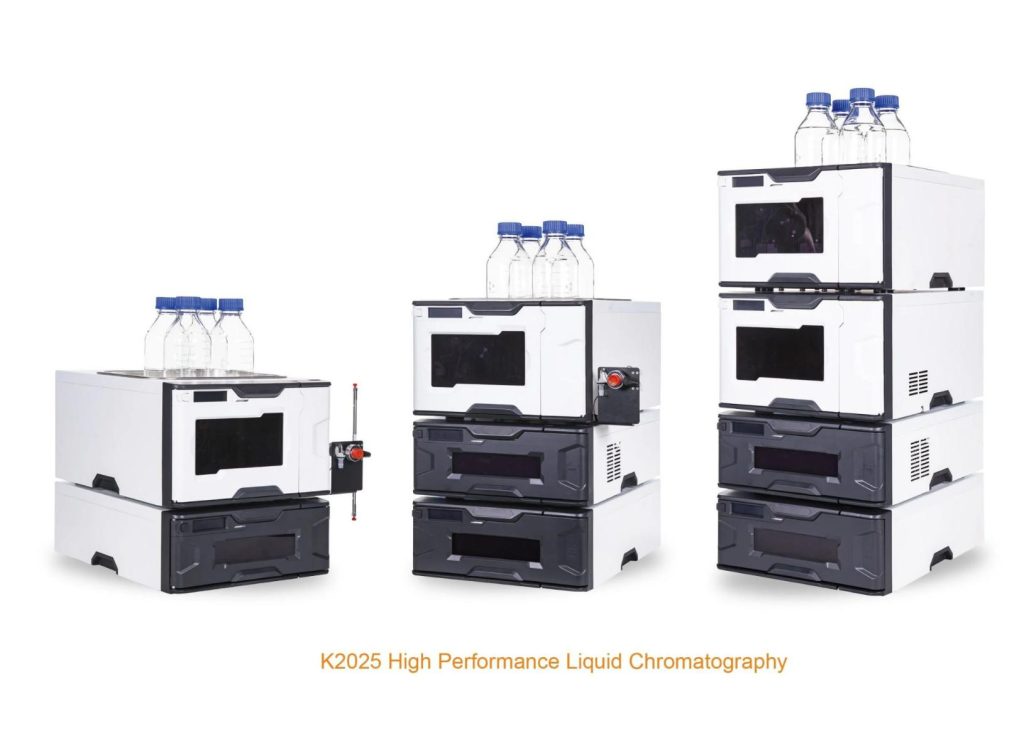
How does water quality affect HPLC?
In HPLC, even minute organic contaminants can cause baseline noise, ghost peaks, and poor reproducibility. TOC is critical because organic residues interfere with UV detection.
Core water quality requirements
- TOC < 5 ppb
- Resistivity 18.2 MΩ·cm
- Particles removed down to 0.22 μm
- Minimal ions and organics
- Stable, low-noise baseline
Recommended water grade
Type I Ultrapure Water
Consequences of poor-quality water
- Baseline drift
- Poor peak resolution
- Column damage
- Increased maintenance frequency
2. Water for ICP-MS
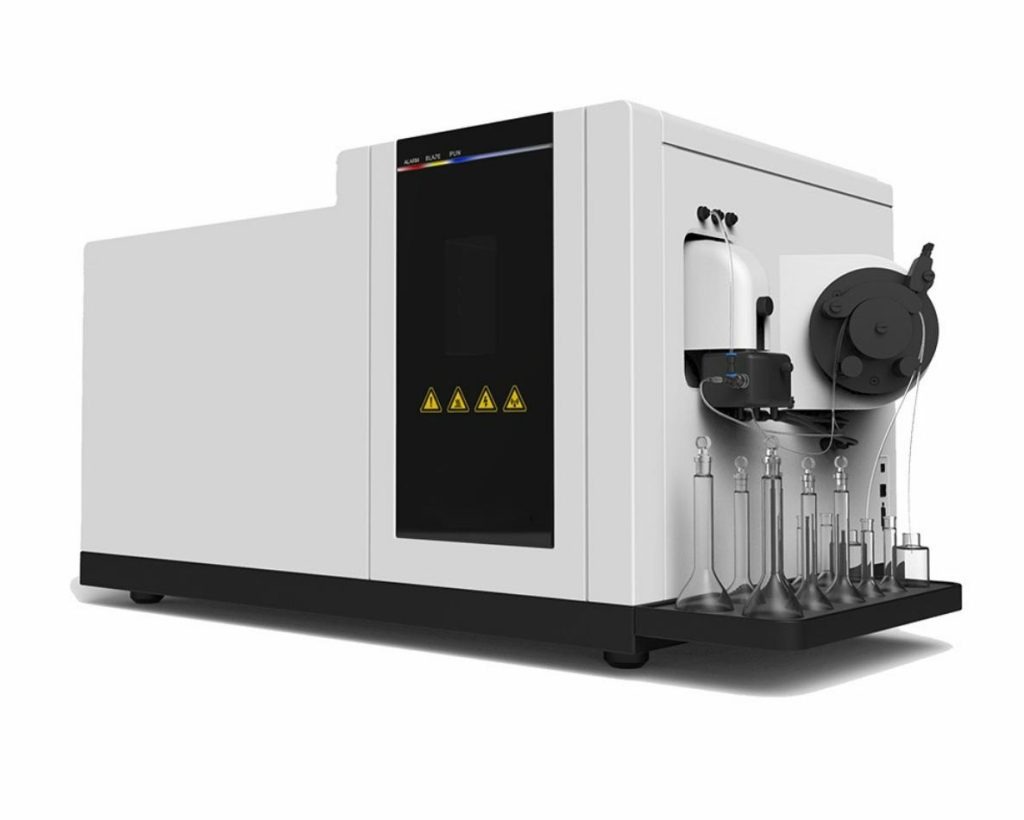
How does water quality affect ICP-MS?
ICP-MS instruments detect elements at ppt or even ppq levels. Trace metals—even in nanogram quantities—can produce false positives or elevate background noise.
Core water quality requirements
- Minimum trace metal content
- Resistivity 18.2 MΩ·cm
- Low TOC to avoid carbon-based interferences
- Ultrafine filtration to remove nanoparticles
Recommended water grade
Type I Ultrapure Water
Consequences of poor-quality water
- Elevated detection limits
- Memory effects and contamination
- Inaccurate quantification
- Premature torch or cone wear
3. Water for PCR and Molecular Biology
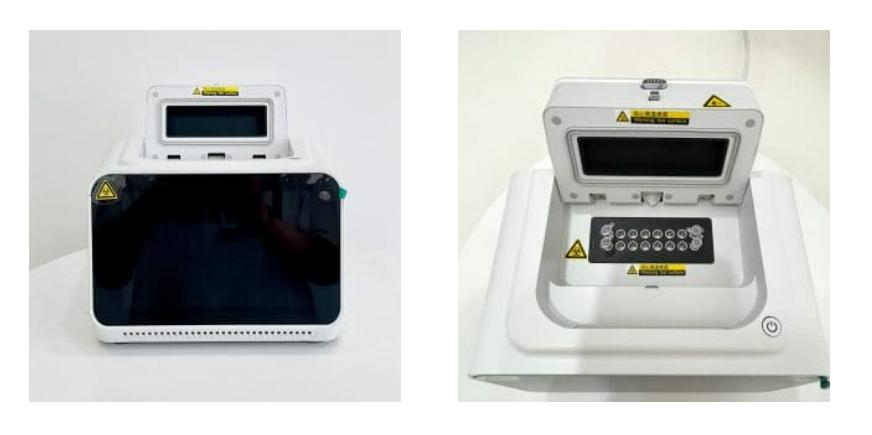
How does water quality affect PCR?
PCR is highly sensitive to biological contaminants. DNase, RNase, and nucleic acids can inhibit or degrade samples, leading to failure of amplification.
Core water quality requirements
- DNase/RNase-free
- Endotoxin < 0.001 EU/mL
- Very low microbial content
- Low organics
Recommended water grade
Type I Ultrapure Water (Molecular Biology Grade)
Consequences of poor-quality water
- False negatives or false positives
- Poor amplification efficiency
- Contaminated controls
- Irreproducible results
4. Water for Cell Culture

How does water quality affect cell culture?
Cells are extremely sensitive to microbial contaminants, heavy metals, and endotoxins. Water quality affects cell viability, morphology, and proliferation.
Core water quality requirements
- Endotoxin < 0.001 EU/mL
- Minimal heavy metals
- Ultra-low TOC
- Free of microorganisms and particulates
Recommended water grade
Type I Ultrapure Water (Cell Culture Grade)
Consequences of poor-quality water
- Reduced cell growth
- Cytotoxicity
- Contamination
- Altered cellular responses
Choose the best system based on the needs of the application
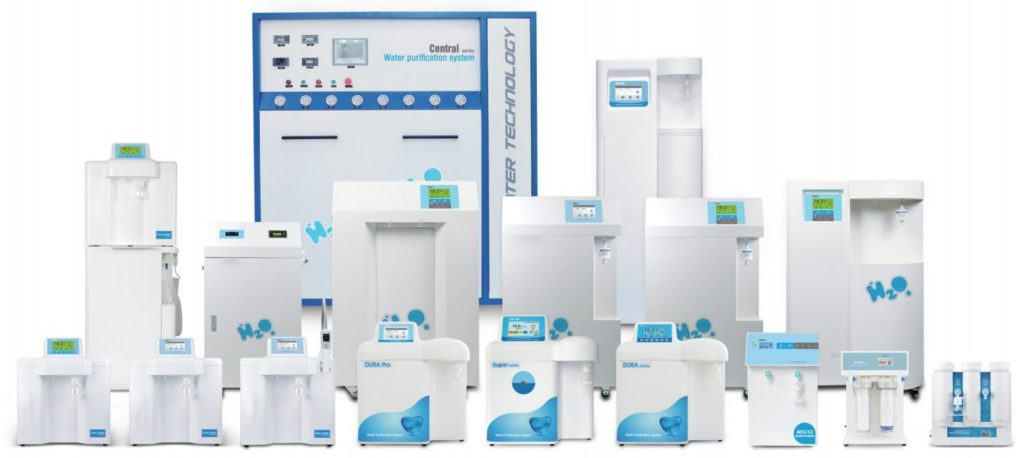
Choosing the water purification system for your lab goes beyond volume capacity and requires consideration of how to purify contaminants so that the system and components do not interfere with analytical measurements. For example, the needs of high-pressure liquid chromatography (HPLC) users imply systems engineered with advanced UV deionization and drop feed systems with TOC reduction. For conditions inductively coupled plasma mass spectrometry (ICP-MS) labs, an alternative configuration—for instance, low-metal fluid paths and efficient ion exchange—is likely needed. European manufacturers, in particular, are beginning to engineer even greater DI quality by adding even more resistive components that act as porous media or electro-dialysis systems. For molecular biology and cell culture-based operations, nuclease/endotoxin removal should be in place through ultrafiltration. The bare minimum step is the real-time monitoring of resistivity and TOC for all critical apps.
A robust system is made up of several stages:
Pretreatment followed by 07single-phased RO production flowing to deionizer (DI) → A burst of UV pulse for some oxidation → Ultrafiltration → 0.22 μm terminal filter.
This multiple-barrier approach guarantees to consistently deliver Type I water that best suits water end uses.
Besides, regular maintenance is vital. Such components as RO membranes, DI cartridges and terminal filters must be replaced in due time to avoid breakthrough contamination. Drawell systems, for instance, come with online monitors to real-time monitor resistivity—up to 18.2 MΩ·cm—and the ppb level of TOC. This allows the user to ascertain water quality every time before use.
For the identification of suppliers, look for partners who provide custom-made configurations, good after-sales service, and systems that are validated by any international compliance (example: CE, ISO etc.); looking for a purifier that is one-fit-for-all will not help. The science you are involved in just waited for a customized solution of its own.
FAQ: Common Questions About Laboratory Water for Sensitive Applications
Q1. Can I use the same ultrapure water system for HPLC, ICP-MS, PCR and cell culture?
Yes—if the system is equipped with modular purification technologies (e.g., low-TOC, low-metal, ultrafiltration, and 0.22 μm filtration). Systems like Drawell’s Master Touch-S or Edi Touch-S are designed for multi-application labs requiring high-purity water across disciplines.
Q2. How often should I replace filters and cartridges in a lab water system?
Typical replacement cycles:
- Pre-filters: every 3–6 months
- Activated carbon: 6–12 months
- RO membrane: 2–4 years
- Ultrapure column: 1–2 years (or based on liters produced)
- Terminal filter: 6–12 months
Always follow manufacturer guidelines and monitor performance indicators.
Q3. How can I verify that my water meets the requirements for PCR or cell culture?
Use systems with real-time endotoxin/nuclease validation or send samples to a certified lab. For routine checks, ensure your purifier includes ultrafiltration + 0.22 μm filtration and displays resistivity = 18.2 MΩ·cm and TOC < 5 ppb.
Q4. Is bottled water or manually prepared DI water acceptable for these experiments?
No. Bottled “ultrapure” water can absorb atmospheric CO₂ (lowering resistivity) or leach organics from containers. Manually regenerated DI resin lacks consistency and cannot remove organics, endotoxins, or nucleases reliably. On-demand, freshly purified water is essential.
Q5. Do I need an on-line TOC monitor for HPLC or ICP-MS?
Absolutely. TOC directly impacts HPLC baselines and can interfere with ICP-MS via carbon-based plasma instability. An integrated TOC analyzer (measuring in ppb) is a must for these applications.
Q6. What is the minimum daily water production rate recommended for a lab doing these experiments?
For a small-to-medium lab running multiple applications:
15–30 L/hour is sufficient for daily reagent prep and instrument feed.
High-throughput labs may require 45–125 L/hour systems (e.g., Drawell’s Medium-S series).
Always account for peak demand and future expansion.
Whether you’re setting up a new lab or upgrading your current setup, invest in a water purification solution that’s as precise and reliable as your science demands. With the right system, pure water isn’t just a utility—it’s your silent partner in discovery.
For more types of water purification systems, explore Drawell’s ultrapure water solutions at here.
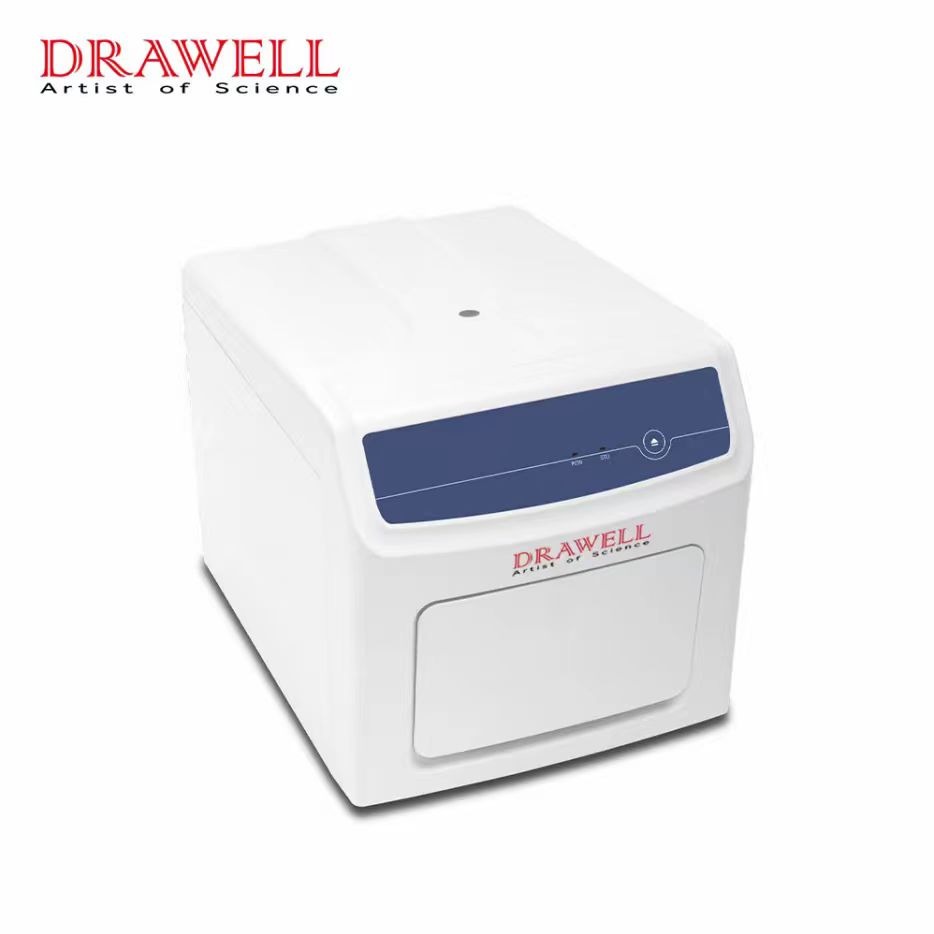
Related Products Recommendation
2.jpg)
Get Quote Here!
Latest Posts


What Next?
For more information, or to arrange an equipment demonstration, please visit our dedicated Product Homepage or contact one of our Product Managers.


