


Chromatographic columns are commonly used for gas chromatography (GC) and High-performance liquid chromatography (HPLC) and other separation techniques to ensure the identification and quantification of chemical components. Due to their essential importance and their high cost, maintaining the performance of chromatographic columns and extending their lifetime is essential to ensure reliable results while reducing the cost of laboratory equipment. This article focuses on the topic of prolonging the lifespan of chromatographic columns. It will explore the key factors that affect the lifespan of chromatographic columns and crucial strategies to prolong their lifetime.
What are Chromatographic Columns
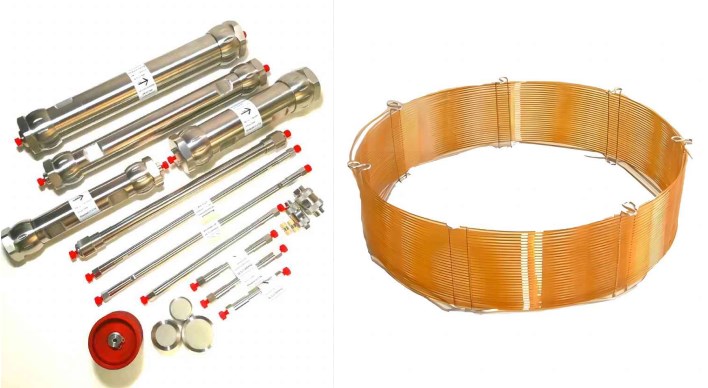
Chromatographic columns are a crucial component of chromatography systems, used to isolate mixtures into their individual components. They have a stationary part that is typically filled by solids or mitigating liquid, and through which mobile phases carry the sample. When a sample passes through the column various compounds interact in a unique way in the stationary part, which allows the separation of these compounds by their physical or chemical properties. Chromatographic columns are used extensively for chemical analysis and environmental testing, pharmaceuticals and a variety of other fields to provide accurate and efficient separation.
Key Factors Affecting the Lifetime of Chromatographic Columns
| Factor | Description | Impact on Column Lifetime |
| Sample Cleanliness | The presence of particulates or complicated matrix of samples in injection samples. | This can cause clogging, high backpressure and damage on the stationary portion. |
| Mobile Phase Quality | Quality, pH, and the compatibility of solvents within the mobile phase. | Solvents of low quality or with an incorrect pH can cause degradation of the packing material, or stationary phase. |
| Injection Volume and Concentration | Size and strength of sample that is injected into the column. | Overloading can cause distortion of peak and stationary phase damage. |
| Flow Rate and Pressure | The speed at which the mobile phase moves throughout the column. | Intense flow or abrupt changes in pressure can harm columns bed. |
| Temperature Control | The temperature during operation and storage. | Temperatures that fluctuate or are high could cause degradation of bonded phases and column hardware. |
| Column Maintenance | Method of cleansing and protecting the column. | Cleaning that is not properly done can lead to the build-up of toxins and permanent damage. |
| Storage Conditions | Conditions in which the column is kept even when it is not in use. | Dryness or improper solvent can cause microbial growth, drying, or abrasion. |
| Sample Matrix Complexity | The composition of the sample particularly in the case of environmental or biological samples. | Complex matrixes can be bound irreparably or block the column. |
| Use Frequency | How often and how frequently the column is utilized. | Utilization of high-throughput equipment or frequency can wear down the column and shorten its longevity over time. |
| Column Compatibility | It is important to determine the suitability of the column’s chemical composition for the intended application. | Columns that aren’t matched degrade quicker and result in unreliable results. |
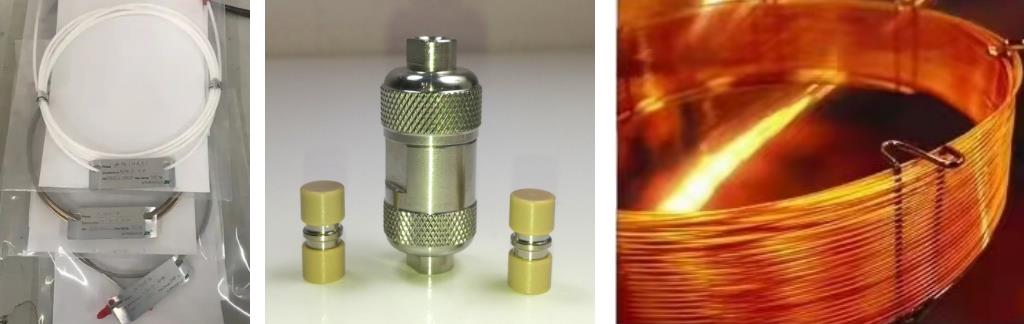
Practical Strategies for Extending the Lifetime of Chromatographic Columns
1. Select the Right Column for Your Application
The first step to preserve the life of a column begins with selection. Utilizing a column that is suitable for stationary phase chemical properties, particle size and dimensions that match the analytes you are using and mobile phase conditions can prevent degradation that is premature.
Best Practices:
- Select columns based upon the characteristics of the analyte, its polarity and the matrix’s complexity.
- Make sure that the device is compatible with the mobile phase and the pH conditions.
- Do not use columns that are general-purpose for extremely complex or specialized analyses.
2. Ensure Proper Sample Preparation
One of the most common causes of degradation in the column is poor quality of the sample preparation. Unfiltered or impure samples often introduce particulates, proteins, or high-molecular-weight substances that can clog the column or irreversibly bind to the stationary phase.
Best Practices:
- Samples of filtering through 0.2-0.45 um syringe filters prior to injecting.
- Make use of methods to clean up your sample, such as solid-phase extract (SPE) or precipitation of proteins.
- Avoid injecting too concentrated samples or large volumes of fluid that may cause the column to become overloaded.
3. Use High-Quality Mobile Phases
Mobile phase can be described as the main phase in chromatography. It is a major influence on the health of columns. Poor quality solvents or ineffective solvent mixtures can cause degradation of the bonded phases and raise the pressure in the system.
Best Practices:
- Always make sure to use HPLC or GC-grade solvents in order to avoid the introduction of impurities.
- Degas and filter mobile phases prior to use in order to eliminate particulates and gases that are dissolved.
- Keep the pH of the mobile phase within the recommended range of the manufacturer to safeguard that stationary portion.
4. Operate Within Recommended Limits
Each chromatographic column is created with a specific tolerance for flow rate, temperature and pressure. Excessing these parameters could result in mechanical damage or alter the stability of the chemical stabilities of stationary phases.
Best Practices:
- Gradually increase the rate of flow and temperatures throughout the shutdown and start-up phases.
- Be aware of backpressure in the system and beware of sudden spikes that could rupture the bed of the column.
- Don’t override the column’s temperatures or pressure limits during the operation.
5. Implement Routine Column Maintenance
A regular maintenance schedule can dramatically prolong the useful life of columns. In time, the retention of substances and matrix residues can accumulate inside the column and impact the performance.
| Maintenance Activity | Purpose | Recommended Frequency | Benefits |
| Column Flushing | Get rid of any retained analytes, and helps prevent from clogging or carrying over. | Following each analysis or the at the end of the day | Maintains peak shape, reduces pressure buildup, prolongs column lifespan. |
| Filter and Degas Solvents | Reduces the risk of particulate contamination and prevents air bubble creation. | Each preparation of solvent | It ensures a smooth flow and solid baselines. |
| Monitor Backpressure | Finds out if there is a blockage or internal flogging early. | After and before each run | Helps to determine the condition of columns and helps plan maintenance. |
| Inspect Peak Shape & Retention | Identifies the changes that result from degradation or contamination. | Routinely, during validation of methods | Assuring consistent analytical performance. |
| Reverse Flush Column | Removes particles from columns head (if it is supported). | Each week or as often as is needed | Improves reproducibility, restores flow and enhances performance. |
| Cleaning with strong solvents | Removes hydrophobic or strong retained substances. | Weekly or following complex analysis of the sample | Helps prevent ghost peaks and column degrading. |
| Track Column Usage Log | Record operational history and determines the performance trends. | Continuous | Helps with predictive maintenance and helps prevent unexpected failures. |
| Follow Manufacturer Guidelines | Ensures that maintenance procedures comply with the specifications of columns. | Always | Protects against damage caused by the incompatible solvents or processes. |
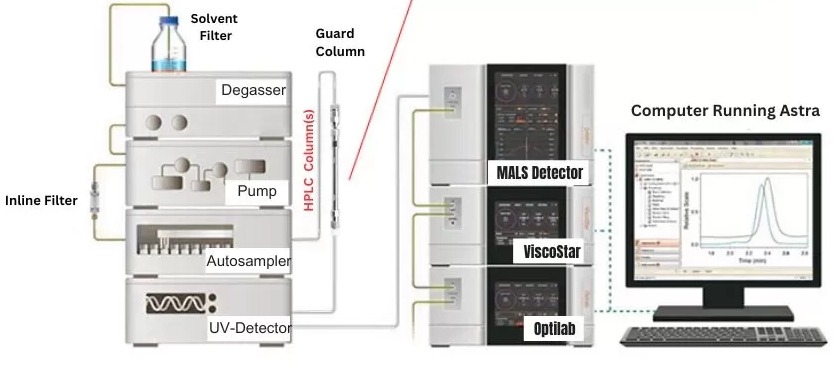
6. Use Guard Columns and In-Line Filters
Filters and guard columns serve as sacrificial elements, capturing contaminants that would otherwise deteriorate the column in its entirety.
Best Practices:
- Install a guarding column to guard the analytical column against the contaminates in the sample.
- Replace columns of guard regularly in accordance with sample load and backpressure.
- In-line solvent filters are added to stop particulates of the system from entering the column.
7. Store Columns Properly When Not in Use
Incorrect storage could lead to the growth of microbial colonies, solvent evaporation and chemical degrading of the stationary part. Proper storage can prolong the lifespan of the column even if it isn’t in usage.
Best Practices:
- The column should be stored in a liquid that’s suitable for the stationary phase.
- Secure both ends by using caps to avoid the loss of solvent and contaminating.
- Follow the guidelines of the column manufacturer for long-term and short-term storage conditions.
8. Monitor Column Performance Regularly
An approach that is proactive in monitoring column performance allows prompt replacement or maintenance options before issues become critical. Performance metrics can show early indicators of degrade.
Best Practices:
- Monitor the retention time and resolution, peak shapes and backpressure trends for each column.
- Compare the current performance to the initial data for column validation.
- Replace columns if significant performance decreases are noticed for example, a broadening of peaks or a higher amount of the amount of tailing.

Summary
Extending the lifetime of chromatographic columns requires a combination of proper handling, proactive maintenance and careful method optimization. Implementing these guidelines, laboratories can lower the cost of replacing columns, ensure consistent performance and be sure of reliable analytical results. Regularly monitoring and adhering to the manufacturer’s guidelines is essential for ensuring the longevity of chromatographic columns.
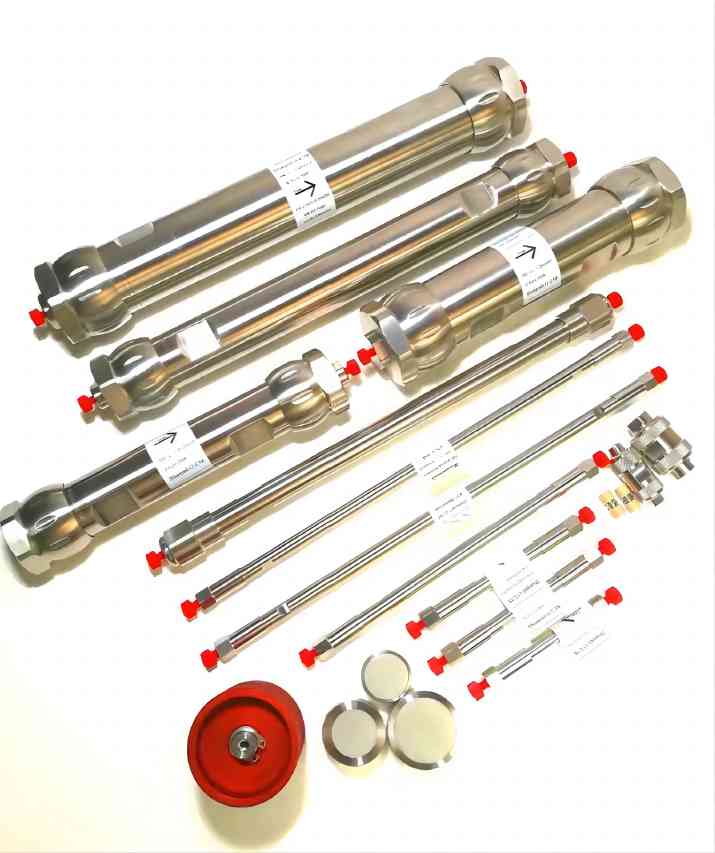
Related Products Recommendation
Get Quote Here!
Latest Posts

What Next?
For more information, or to arrange an equipment demonstration, please visit our dedicated Product Homepage or contact one of our Product Managers.


