


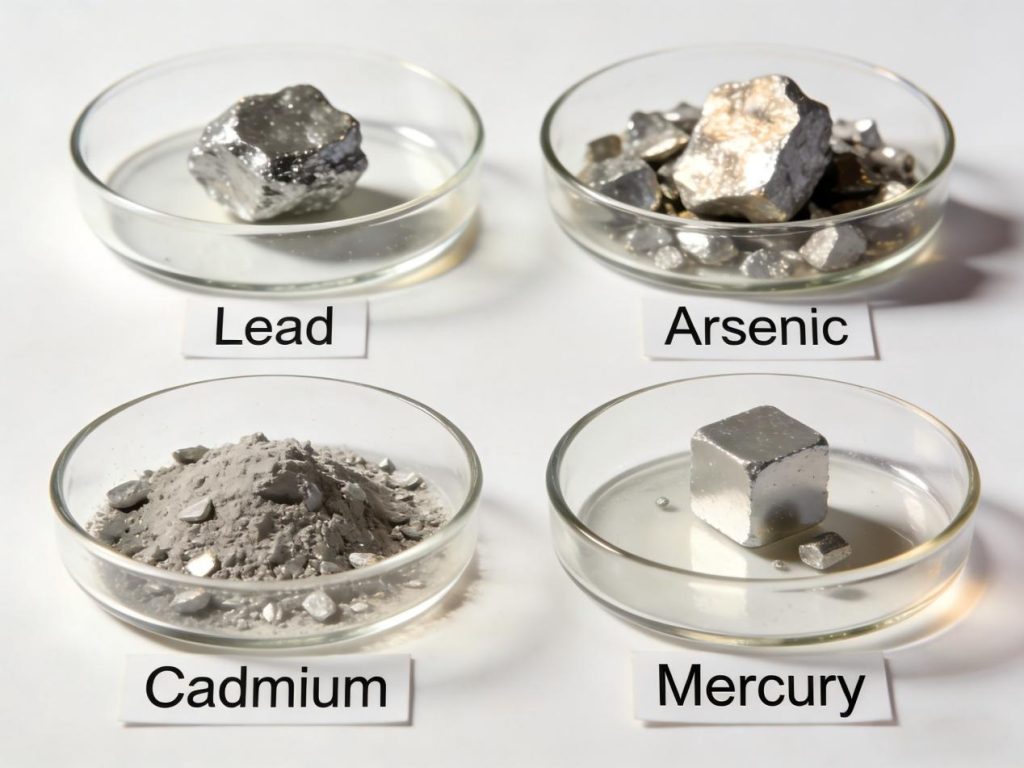
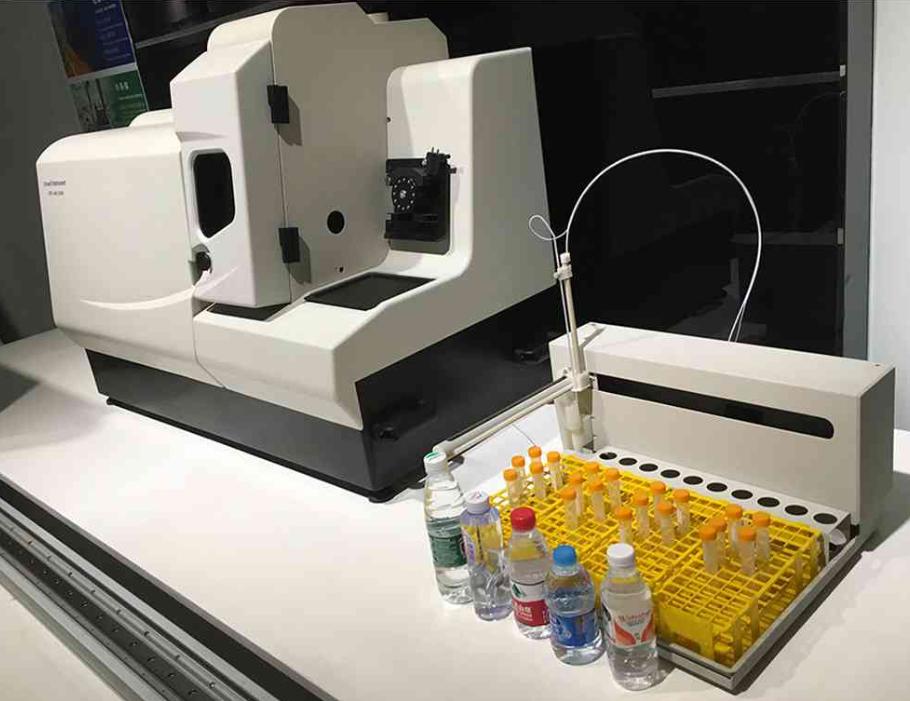
For laboratories tasked with safeguarding water quality, ICP-MS(Inductively Coupled Plasma Mass Spectrometry) has emerged as the gold standard for trace heavy metal analysis. But what makes it so special? And why are more labs choosing it over traditional methods? Let’s dive in.
Understanding the Challenge: Detecting the Nearly Undetectable
When we talk about “trace” heavy metals in water, we’re often dealing with concentrations measured in parts per billion (ppb) or even parts per trillion (ppt). To put that in perspective, that’s like finding a single drop of ink in an Olympic-sized swimming pool.
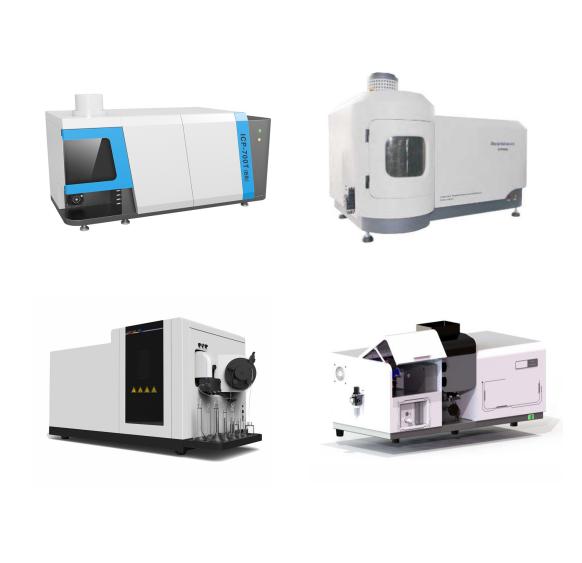
Traditional techniques like Atomic Absorption Spectroscopy (AAS) or even ICP-OES (Optical Emission Spectroscopy) can handle many routine analyses. But when regulations demand lower detection limits, faster turnaround times, and the ability to test for dozens of elements simultaneously, ICP-MS for metal analysis becomes not just preferable—it becomes essential.
What Makes ICP-MS the Preferred Choice?
1. Unmatched Sensitivity
ICP-MS delivers detection limits that are simply in a different league. While ICP-OES typically reaches ppb levels, ICP-MS pushes into the ppt and even sub-ppt range for many elements. This means you can detect and quantify contaminants long before they reach dangerous levels.
For water laboratories monitoring drinking water supplies or environmental samples, this sensitivity isn’t just a technical achievement—it’s a public health imperative.
2. Multi-Element Power
Here’s where ICP-MS really shines: you can analyze 70+ elements in a single run, typically in just 2-3 minutes per sample. Compare that to Graphite Furnace AAS, which tests one element at a time and can take 5-10 minutes per element, and the efficiency gains become obvious.
For commercial laboratories handling hundreds of samples daily, this throughput advantage translates directly into lower costs per sample and faster delivery of results to clients.
3. Wide Dynamic Range
One instrument, countless applications. ICP-MS offers a linear dynamic range spanning 6-10 orders of magnitude. This means you can measure ultra-trace contaminants and major elements in the same analysis—without dilution or method changes.
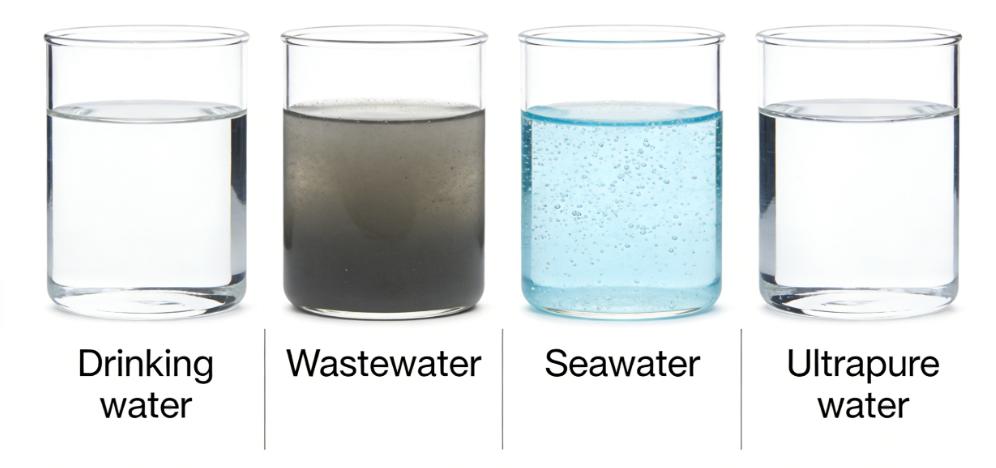
Whether you’re testing ultrapure semiconductor-grade water or industrial wastewater with elevated metal content, ICP-MS heavy metal analysis adapts to your needs.
4. Isotopic Information
This is a capability unique to mass spectrometry. ICP-MS doesn’t just tell you how much lead is present—it can reveal which isotopes of lead, opening doors to source tracking, forensic analysis, and advanced research applications that other techniques simply cannot support.
ICP-MS vs. Other Techniques: A Practical Comparison
Let’s be honest: ICP-MS isn’t always the right tool for every job. But for trace heavy metal analysis in water, the advantages are compelling. Here’s how it stacks up:
| Feature | ICP-MS | ICP-OES | Graphite Furnace AAS |
| Detection Limits | ppt (10⁻¹²) to ppq | ppb (10⁻⁹) | ppb (10⁻⁹) |
| Elements per Run | 70+ | 30+ | 1 |
| Analysis Speed | 2-3 min/sample | 1-2 min/sample | 5-10 min/element |
| Dynamic Range | 10⁶-10¹⁰ | 10⁴-10⁵ | 10²-10³ |
| Isotope Analysis | ✓ Yes | ✗ No | No |
| Operating Cost | Moderate-High | Moderate | Low |
| Best For | Ultra-trace, multi-element | Routine, higher concentrations | Single element, low budget |
The bottom line? If your lab needs to meet stringent regulatory limits, handle high sample volumes, or future-proof your capabilities, ICP-MS for heavy metal analysis delivers the performance you need.
Real-World Applications: Where ICP-MS Makes a Difference
Drinking Water Safety
Municipal water utilities and third-party testing labs rely on ICP-MS heavy metals test methods to ensure compliance with standards like EPA Method 200.8 and the WHO Guidelines for Drinking-water Quality. With detection limits well below regulatory maximum contaminant levels (MCLs), ICP-MS provides the confidence that water is safe to drink.
Environmental Monitoring
From rivers and lakes to groundwater and seawater, environmental laboratories use ICP-MS for metal analysis to track pollution sources, assess ecosystem health, and support remediation efforts. The ability to handle complex matrices—like high-salt seawater—makes ICP-MS indispensable for comprehensive environmental monitoring.
Industrial Wastewater Compliance
Manufacturing facilities in electronics, mining, battery production, and metal plating must monitor effluent discharge to meet environmental permits. Heavy metal analysis by ICP-MS enables these industries to detect violations before they occur, avoiding costly fines and protecting their reputation.
Pharmaceutical and Medical Device Testing
The pharmaceutical industry faces strict limits on elemental impurities per ICH Q3D and USP <232>/<233>. ICP-MS is the method of choice for verifying that drugs, raw materials, and medical devices meet these requirements—ensuring patient safety and regulatory compliance.
Tackling Interferences: How Modern ICP-MS Overcomes Challenges
Let’s address the elephant in the room: interferences. When analyzing complex water samples, polyatomic ions and matrix effects can skew results. For example, argon chloride (ArCl⁺) can interfere with arsenic (⁷⁵As⁺) detection—a critical issue for drinking water analysis.
Modern ICP-MS instruments tackle this head-on with:
- Collision/Reaction Cell (CRC/DRC) Technology: Uses reactive gases to break apart interfering species before they reach the detector
- High-Resolution Sector Field ICP-MS: Physically separates interfering ions based on exact mass differences
- Internal Standardization: Compensates for matrix effects and instrument drift in real-time
At Drawell, our ICP-MS systems incorporate advanced interference removal technologies to ensure accurate results even in challenging matrices like seawater or industrial effluents.
Compliance and Standards: Meeting Regulatory Requirements
When your lab’s results carry legal and public health implications, compliance isn’t optional—it’s mandatory. ICP-MS is explicitly recognized in major international standards:
- EPA Method 200.8: Determination of trace elements in waters and wastes
- ISO 17294-1/2: Water quality—Application of inductively coupled plasma mass spectrometry
- GB/T 5750.6-2023 (China): Standard examination methods for drinking water—Metal indicators
- USP <232>/<233>: Elemental impurities in pharmaceuticals
- ASTM D5632: Trace elements in ultrapure water
Choosing an ICP instrument for metals that’s validated against these standards simplifies your accreditation process and gives regulators confidence in your data.
Making the Decision: Is ICP-MS Right for Your Lab?
Ask yourself these questions:
✓ Do you need to meet detection limits below 1 ppb for elements like lead, arsenic, or mercury?
✓ Are you testing for multiple elements in each sample?
✓ Do you handle high sample volumes that demand fast turnaround?
✓ Are you preparing for stricter future regulations?
✓ Do you need isotopic data for source tracking or research?
If you answered “yes” to any of these, ICP-MS heavy metal analysis is worth serious consideration.
Why Partner with Drawell for Your ICP-MS Needs?
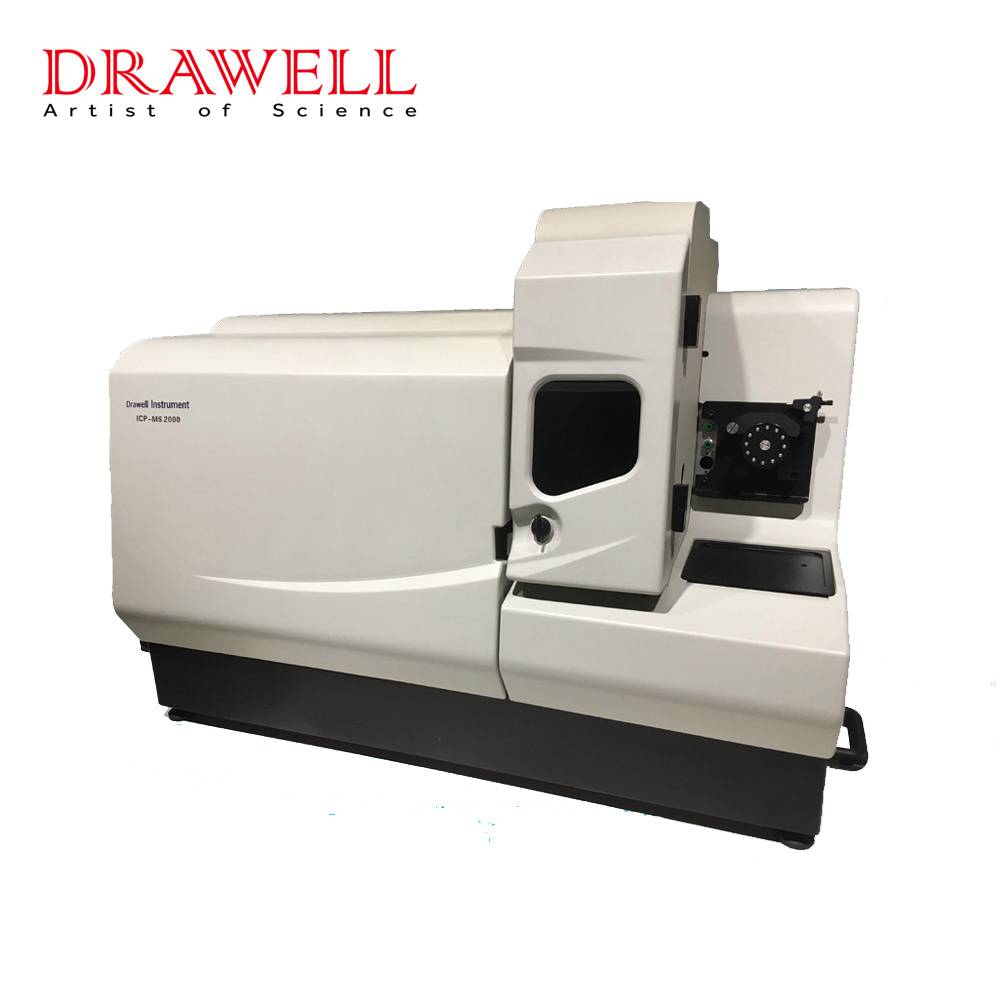
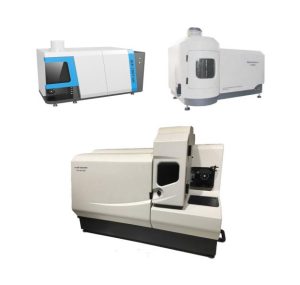
Choosing an ICP-MS system is about more than specs—it’s about partnership. Drawell’s ICP-MS 2000 delivers ppt-level sensitivity, multi-element throughput, and robust interference removal in a platform built for real-world water labs. And because we manufacture our instruments, we offer direct support: from method development and on-site training to fast spare-parts delivery and remote diagnostics—so your lab stays productive, compliant, and ahead of evolving standards.
Ready to see the difference a dedicated ICP-MS manufacturer can make?
Explore: Drawell ICP-MS 2000 specifications
Contact our application specialists today for a free consultation and discover how Drawell’s ICP-MS solutions can meet your specific water testing needs.
Your commitment to water quality deserves the best analytical tools available. Let’s build that capability together.
Related Products Recommendation
Get Quote Here!
Latest Posts


What Next?
For more information, or to arrange an equipment demonstration, please visit our dedicated Product Homepage or contact one of our Product Managers.


