


In laboratory environments, rotary evaporators are integral instruments that allow for the methodical removal of solvents using controlled methodologies. They are used for numerous tasks, including chemical reactions, synthetic extractions, the purification of target compounds, and concentrating solutions. Yet, the complexity of the decision-making process for the right rotary evaporator can be influenced by a various factors, including the type of samples, throughput requirements, the attributes of the volatile solvents in use, etc.
What is a Rotary Evaporator
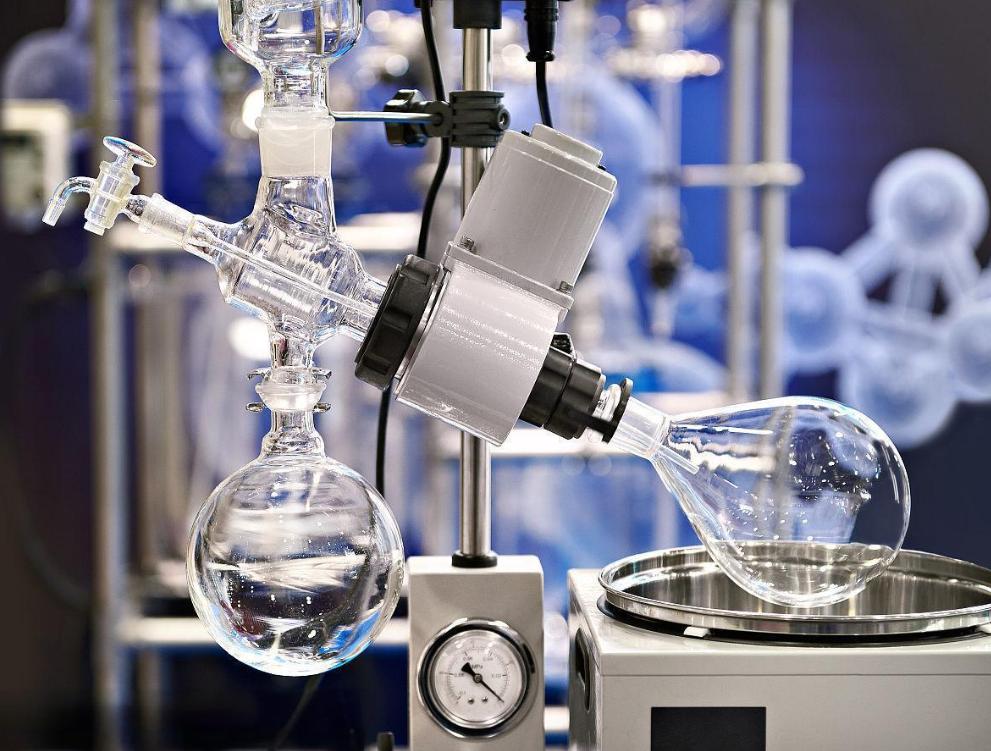
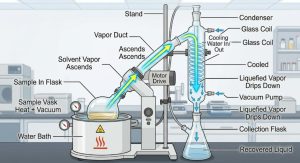
A rotary evaporator refers to a class of instruments developed for the controlled and expeditious evaporative removal of solvents from a mixture. This is accomplished by the use of a mixture in conjunction with increased controlled heat to evaporate at a lower boiling point. This method is preferred for the removal of high boiling point solvents, especially where the sensitivity of the matrix is a concern.
key components
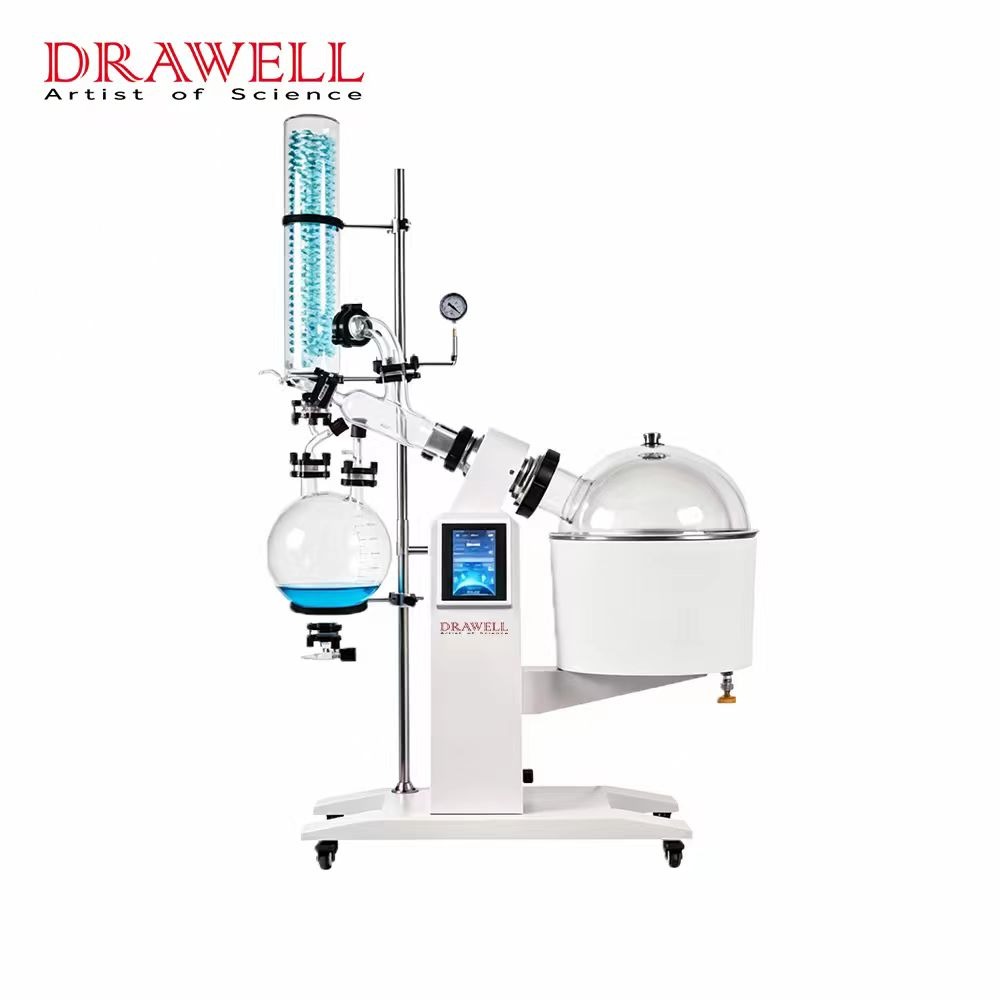
These components of rotary evaporators work together to create an efficient and controlled environment for solvent evaporation, distillation and recovery in laboratory applications.
| Component | Function |
| Evaporating Flask | Holds the sample or solvent to be evaporated. It rotates during the process to increase surface area for evaporation. Typically made of glass. |
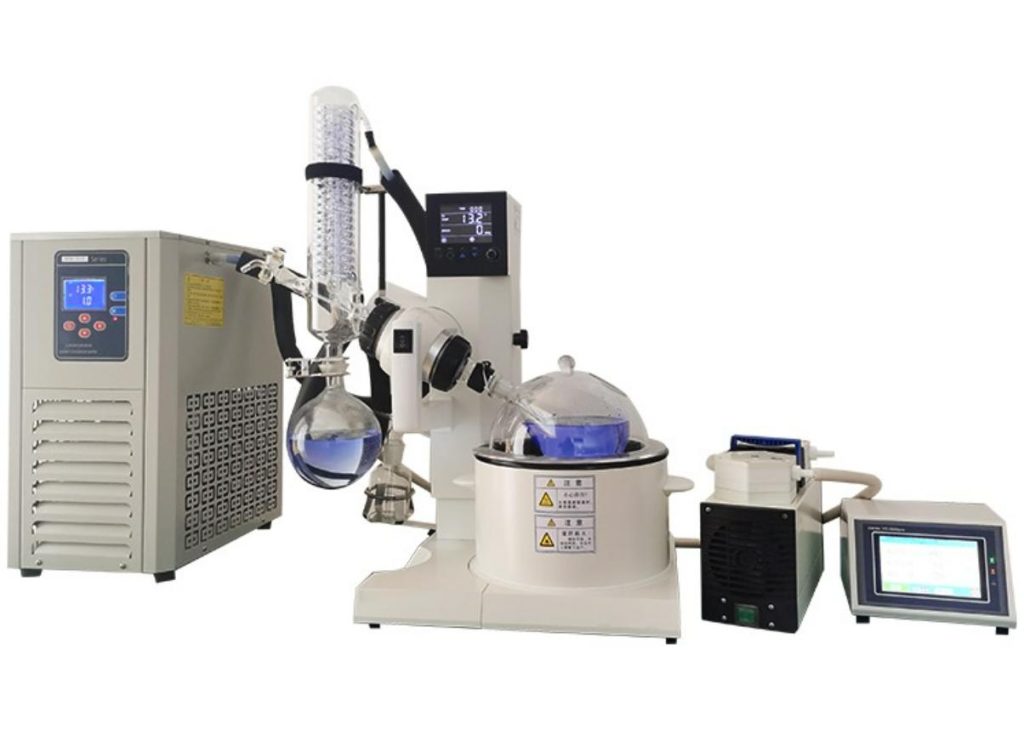
| Condenser | Cools and condenses the vaporized solvent into liquid form, which is collected in a receiving flask. Can be water- or air-cooled. |
| Heating Bath | Provides controlled heating to the evaporating flask to facilitate solvent evaporation by reducing the boiling point of the solvent. |
| Vacuum System | Lowers the atmospheric pressure within the system, allowing the solvent to evaporate at lower temperatures. Common systems include diaphragm or rotary vacuum pumps. |
| Vacuum Controller | Allows precise control over the vacuum pressure to ensure optimal evaporation conditions and prevent foaming or splashing. |
| Motorized Lift | Automatically raises or lowers the evaporating flask, allowing for easy flask handling and precise control over the distance between the flask and the heating bath. |
| Rotating Mechanism | Rotates the evaporating flask, promoting even heat distribution and increasing the surface area of the liquid to improve evaporation efficiency. |
| Receiving Flask | Collects the condensed solvent from the condenser. Typically placed beneath the condenser and can be easily detached for solvent recovery. |
| Temperature Controller | Regulates the temperature of the heating bath to ensure it stays within the desired range for the solvent being evaporated. |
| Sealing Rings/Flange | Ensures a tight seal between the evaporating flask, condenser, and receiving flask to prevent leakage and maintain vacuum integrity. |
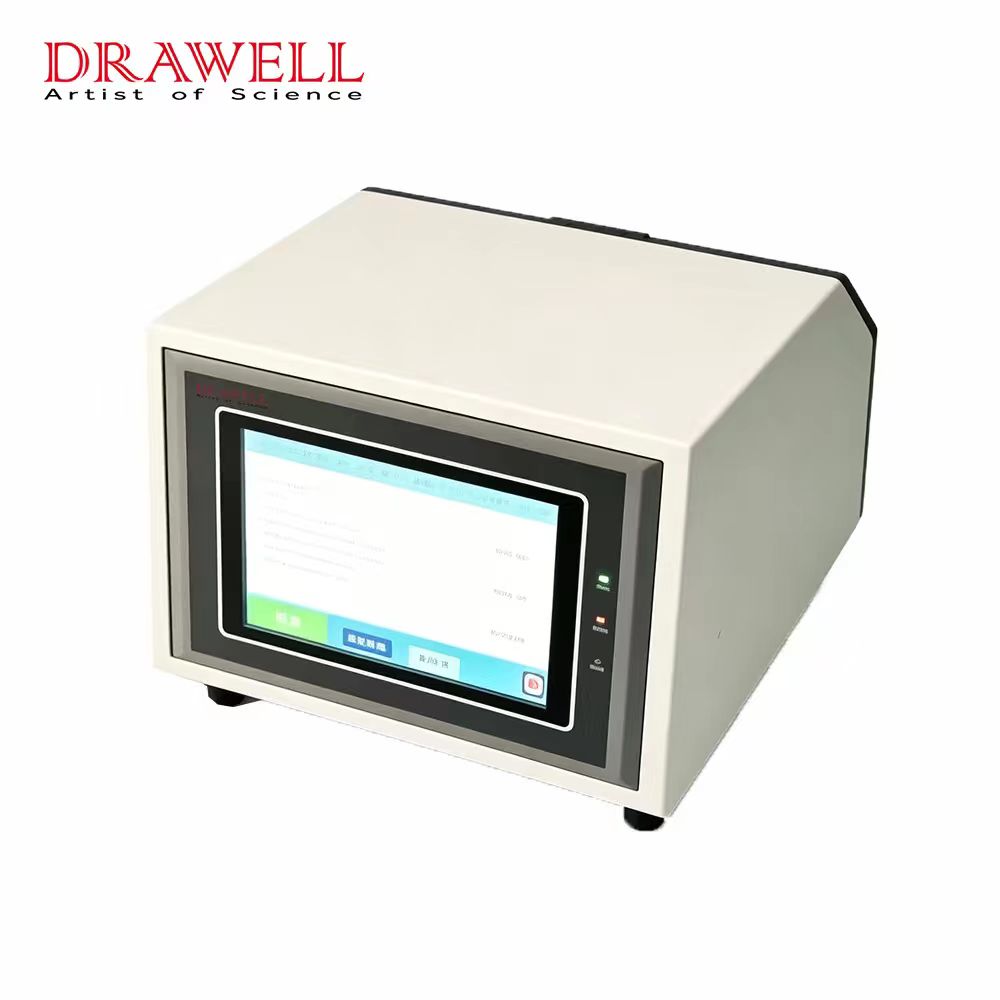
| Control Panel | Interface for setting and adjusting parameters such as temperature, rotation speed, and vacuum level. Can include digital or analog controls. |
Types of Rotary Evaporators for Laboratory Applications
Here’s a chart summarizing the types of rotary evaporators based on different factors like size, application, heating method, and features
| Type of Rotary Evaporator | Flask Capacity | Heating Method | Applications | Key Features |
| Benchtop Rotary Evaporator | 1–5 liters | Water or Oil Bath | Small-scale research, sample preparation, solvent removal | Compact size, simple operation, low cost |
| Mid-Scale Rotary Evaporator | 5–20 liters | Water or Oil Bath | Medium throughput labs, small batch production, solvent recovery | Adjustable speed, precise temperature control, automated vacuum control |
| Large-Scale Rotary Evaporator | 20–50 liters or more | Oil Bath (high-temperature) | High-throughput labs, industrial solvent recovery, distillation | High-capacity flasks, enhanced heating and vacuum systems, automatic flask lift |
| Explosion-Proof Rotary Evaporator | 1–10 liters | Water or Oil Bath | Hazardous environments, flammable solvents | Explosion-proof design, advanced safety features, ATEX-certified components |
| Dual-Stage Rotary Evaporator | 5–50 liters | Water or Oil Bath | High-volume, multi-solvent applications, distillation | Dual-phase vacuum pumps, multiple flasks for simultaneous evaporation |
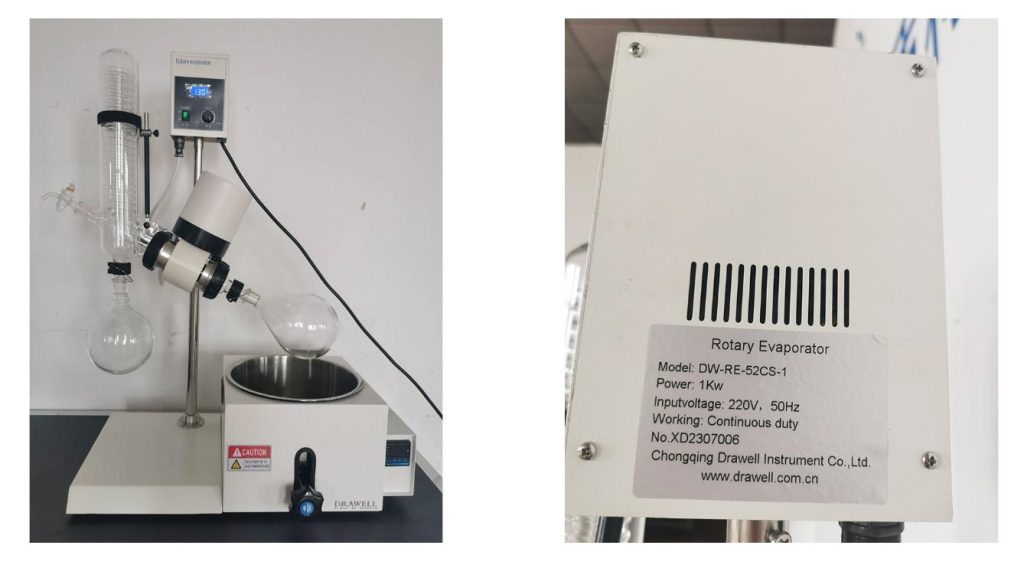
| Compact Rotary Evaporator | 1–3 liters | Water Bath | Educational labs, small research labs, pilot-scale experiments | Small, portable, easy to store, ideal for educational or limited space settings |
| Solvent Recovery Rotary Evaporator | 1–20 liters | Water or Oil Bath | Solvent recovery in labs with expensive or toxic solvents | Integrated solvent collection systems, automated solvent recycling |
Key Factors to Consider When Selecting the Right Rotary Evaporator for Your Laboratory Needs
1. Sample Volume and Throughput
The first point of discussion when buying a rotary evaporator is how much liquid you need to process. Rotary evaporators range in size from small, benchtop, small scale devices to large, automated systems that handle liters of solvent.
The sample volume and throughput requirements directly influence the size, capacity, and complexity of the rotary evaporator you choose.
| Sample Volume | Throughput | Recommended Rotary Evaporator Features | Impact on Rotary Evaporator Choice |
| Small-Scale (1–5 liters) | Low (Occasional or research use) | Compact size, lower capacity, simple controls, standard heating methods (water bath) | Small benchtop models with flask capacities of 1–5 liters; ideal for research labs with limited space |
| Medium-Scale (5–20 liters) | Moderate (Frequent use, batch processing) | Adjustable rotation speed, higher heating capacity, enhanced vacuum system | Medium-sized systems, with increased flask capacity, better for high-quality, consistent evaporation |
| Large-Scale (20+ liters) | High (Industrial or continuous use) | High-capacity flasks (up to 50 liters or more), automated controls, enhanced safety and performance features | Industrial-grade models with larger flasks, higher vacuum and heating capabilities, suitable for high-throughput labs or production-scale applications |
| High-Throughput (Multiple samples per day) | Very High (Continuous operation) | Automation (motorized lifts, automated solvent recovery), dual-flask systems, increased cooling capacity | Requires large models with quick evaporation rates, automated features, and robust systems for handling large volumes |
2. Heating Method and Temperature Control
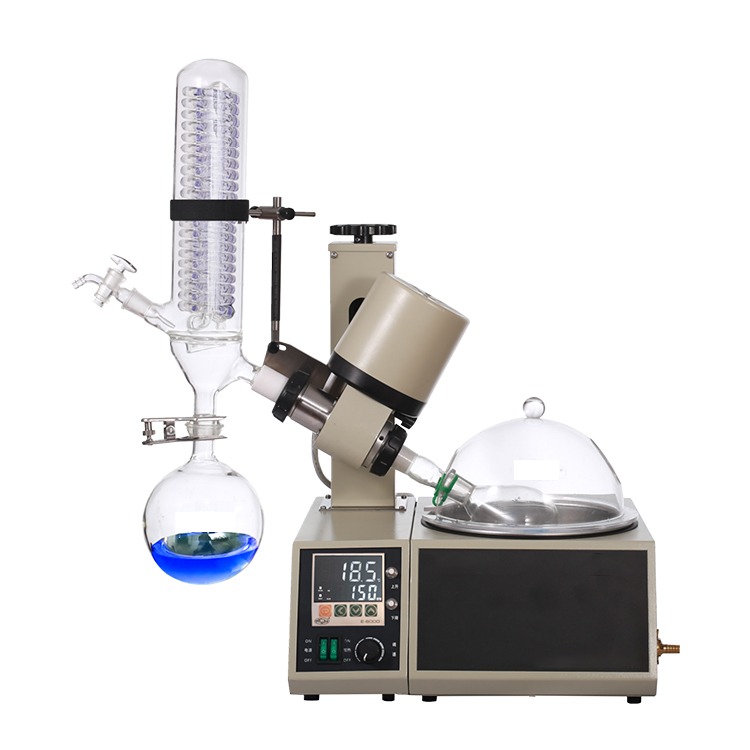
The heating method is one of the most important things to consider when choosing a rotary evaporator. Evaporation of the solvent must be done with a control of temperature, and the method of heating the flask in which the solvent is held is a large factor in how efficient that process will be. For most rotary evaporators, the evaporating flask is heated with either a water or oil bath.
Water baths are the most common form of heating, and are appropriate for general laboratory uses. They are cheap and work well for solvents with a boiling point lower than 100°C. If the laboratory uses solvents with boiling points that are higher, an oil bath is a more appropriate choice. Oil baths are necessary for some specialized or industrial uses, because they can reach much higher temperatures than 200°C.
Temperature control is a critical part of every heating method when using a rotary evaporator. When heating a liquid sample, finding the correct heating temperature is vital, since overheating can lead to the breakdown of sensitive materials, but under-heating can result in a very slow evaporation. Rotary evaporators with high-quality temperature control can ensure that a constant heating temperature is maintained, allowing evaporating to be carried out under optimal temperature control.
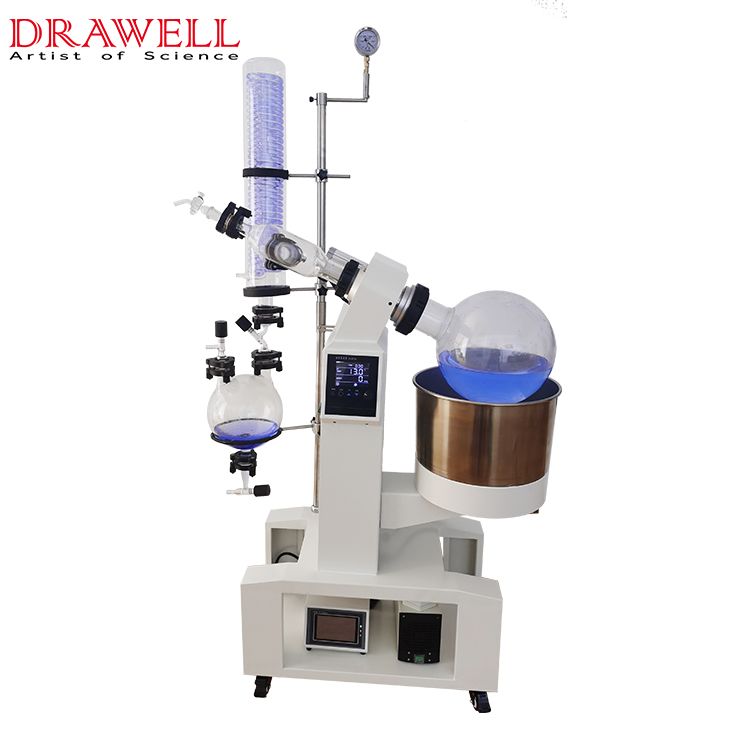
3. Vacuum System and Pressure Control
An additional important component of a rotary evaporator is the vacuum system. The vacuum system is designed to lower the atmospheric pressure in the system, which in turn acts to reduce the boiling point of the solvent present in the system. This permits evaporation of the solvent at a much lower temperature, which is important when dealing with heat sensitive sample materials that would otherwise decompose or breakdown at higher heating temperatures.
From a performance perspective, there are considerations that should be made when handling the vacuum systems incorporated in most rotary evaporators, most of which, include diaphragm pumps intended for general laboratory purposes. However, in high end applications that involve evaporating volatile or corrosive solvents, more complex vacuum systems such as oil sealed rotary pumps may be warranted. There are also systems that come with vacuum control systems which are designed to provide stability in the desired vacuum level and thus, more effective control of the evaporation process.
4. Flask Capacity and Size Considerations
Another important thing to consider when selecting a rotary evaporator is its evaporating flask size. The evaporating flask size will determine the volume of solvent you can process at a time. In small scale applications like research or academic laboratories, a flask of 1 to 5 liters is usually required.
For medium to high through put laboratories, a rotary evaporator of flask size between 5 to 20 liters is most appropriate. In larger scale operations like industrial or pharmaceutical settings, these systems are often required to handle 20 liters or more of solvent. Selecting a flask size compatible with the volume of material you usually operate with is important to avoid under-loading or overloading the flask; this can negatively compromise the evaporation process.
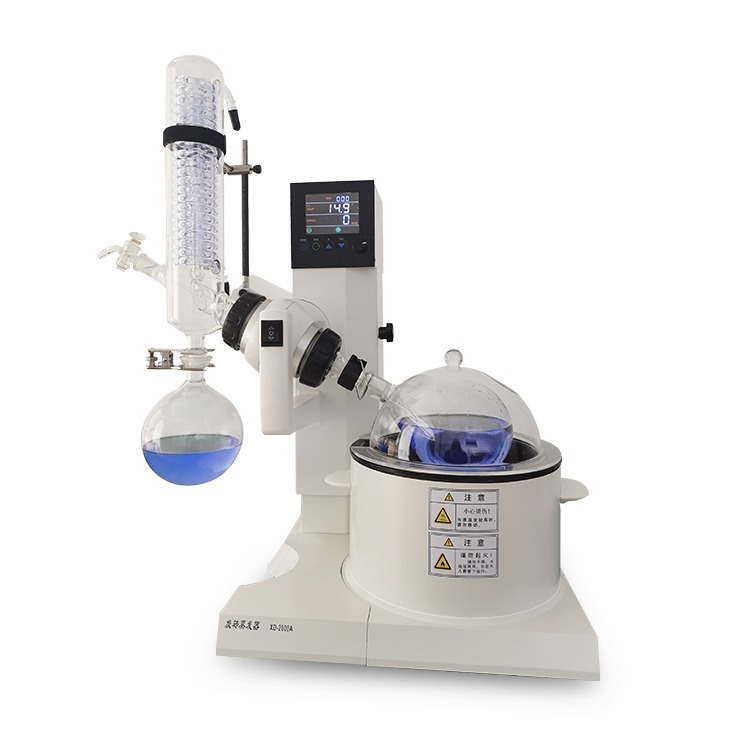
5. Speed and Rotation Control
Rotary evaporators operate by rotating the flask, which increases the surface area of the solvent and facilitates faster evaporation. The rotation speed is an important factor that can impact both the evaporation rate and the quality of the results. If the rotation speed is too high, the solvent can foam or splash, making it difficult to recover the solvent efficiently. On the other hand, a low rotation speed can reduce the surface area available for evaporation, slowing down the process.
The best rotary evaporators offer adjustable rotation speeds, allowing you to optimize the evaporation rate depending on the solvent being used and the specific conditions required for your experiment. This feature also helps in maintaining the stability of sensitive compounds that might be affected by excessive agitation.
6. Safety Features
Safety is a priority on the laboratory rotary evaporator and all laboratory equipment should prioritize safety. The laboratory rotary evaporator will also have an array of manual and automated built in safety features for the protection of the user and the equipment.
Among the key safety features are over temperature protection, which automatically cuts off the heating system if the temperature is too high, and automatic shut-off systems are activated during power loss or if a device malfunctions. Some more sophisticated designs include explosion-proof features, which are required in laboratories working with flammable solvents and/or other volatile materials.
It is also an advantage to choose a rotary evaporator with safety features that are user-friendly, including control panels that are simple to operate and automatic functions that lessen the chances of human error during the use of the equipment.
7. Ease of Maintenance and Usability
Performance and safety features aside, the ease of maintenance also has to be taken into account. Laboratories are busy places, and complex equipment that requires a lot of maintenance can create a headache. Look for rotary evaporators that are designed to be cleaned and serviced easily. To minimize downtime, maintenance of the unit is simplified with removable components, such as the condenser and evaporating flask.
User-friendly designs of the rotary evaporator are beneficial in busy environments, especially in high-throughput laboratories, where multiple operators are expected to use the equipment. Controls that are digital, and intuitively designed navigation systems are preferable to overly complex control systems as they ease the use of rotary evaporators for operators with different competencies.
Summary
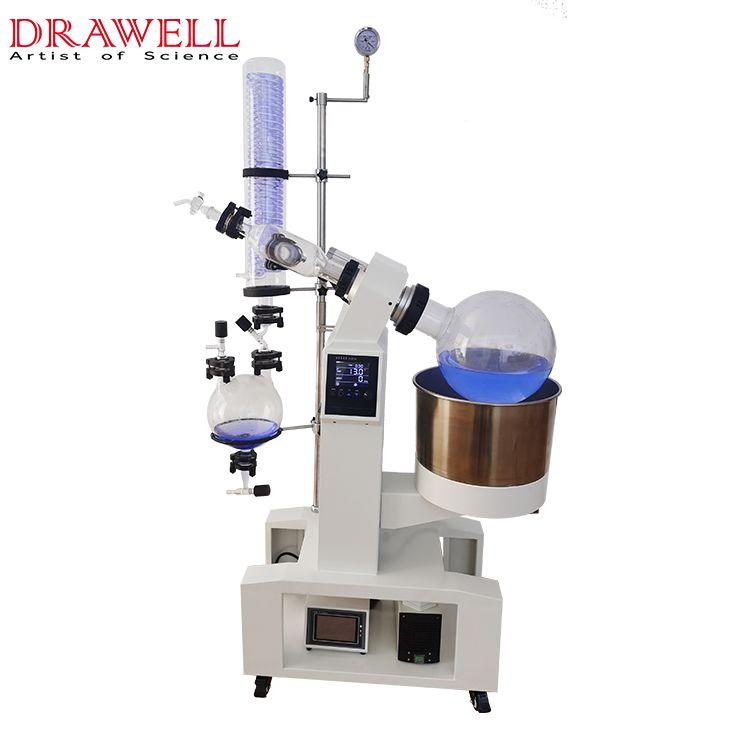
When selecting an appropriate rotary evaporator for use in the laboratory, several factors must be taken into account, including vacuum configurations, heating methods, rotation speeds, flask sizes, etc. Being aware of your laboratory’s particular demands, the kinds of samples and solvents used and you can select the right rotary evaporator to improve the effectiveness, safety, and quality of your work. Having the proper tools will yield accurate, dependable, and economically advantageous evaporation outcomes for a wide range of laboratory applications.
Related Products Recommendation
Get Quote Here!
Latest Posts

What Next?
For more information, or to arrange an equipment demonstration, please visit our dedicated Product Homepage or contact one of our Product Managers.


