


The process of removing solvents from samples takes on essential importance within laboratory work because it supports three different procedural needs which include sample preparation and chemical reaction work and purification activities. The right solvent removal techniques needs to be selected because this choice guarantees safe and efficient solvent extraction while maintaining sample quality. The laboratory requires knowledge about multiple methods which handle different solvent types, sample attributes and laboratory equipment to select their appropriate solvent removal techniques.

Why Solvent Removal Techniques are Needed in Laboratories
The majority of laboratory experiments require solvents to dissolve or extract substances and to clean equipment and to enable chemical processes. The researchers must eliminate the solvent after achieving their extraction goal because they need to obtain the target compound and protect sample quality and maintain correct results for future tests. Solvent removal techniques are indispensable in laboratory settings for several key reasons:
- Isolation of Target Compounds: The target compounds need to be separated from their respective solvents into their desired form.
- Prevention of Contamination:The process eliminates all remaining solvents which would create testing problems by changing the sample characteristics.
- Preservation of Sample Integrity: The process stops all heat-sensitive compounds from losing their original form through the process of removing solvents.
- Accurate Analysis: The analysis process needs complete solvent removal from the sample because Gas Chromatography(GC) and High-performance Liquid Chromatography(HPLC) require this step to prevent analysis problems during testing.
- Maximized Yield: Removes solvents leading to higher target compound recovery which results in increased yield.
- Facilitation of Subsequent Steps: Prepares samples for upcoming purification and analysis processes.
- Compliance with Safety and Environmental Regulations: Ensures proper solvent disposal and reduces lab hazards.
- Optimized Workflow: Enhances lab efficiency by streamlining sample preparation and minimizing contamination.
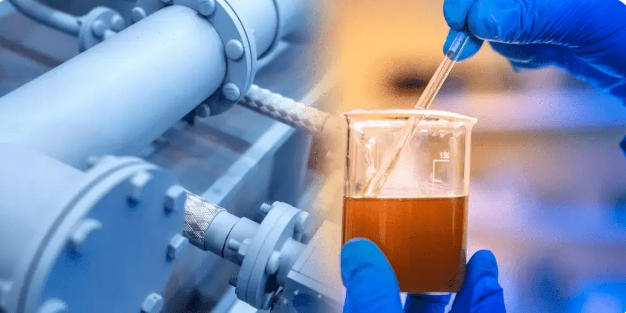
Common Solvent Removal Techniques Used in Laboratories
| Technique | Description | Advantages | Limitations |
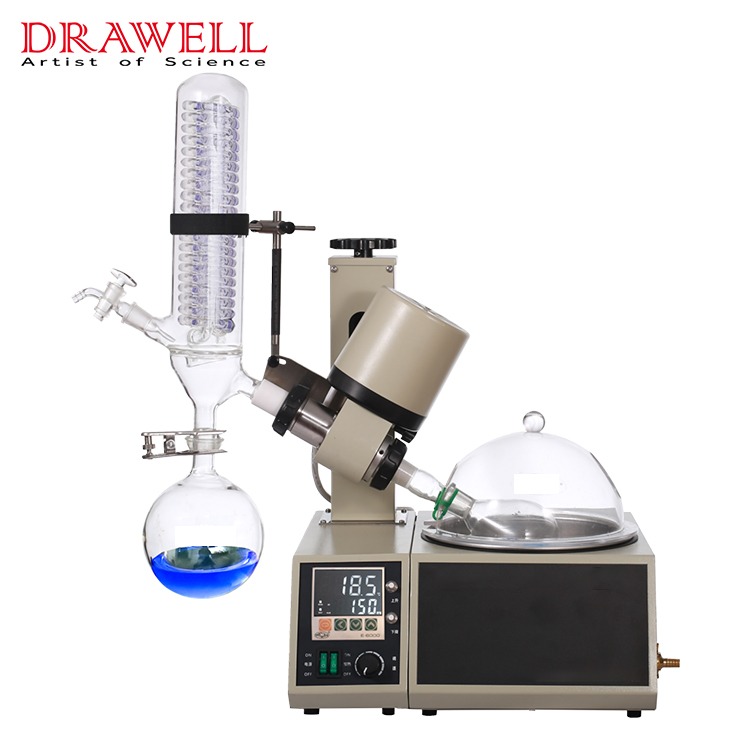
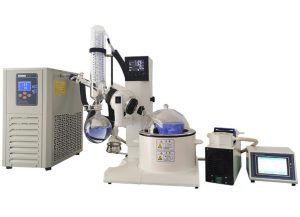
| Rotary Evaporation | Uses reduced pressure and heat to evaporate volatile solvents. | Fast, efficient, gentle on heat-sensitive compounds, widely used in labs. | Requires expensive equipment, may not be suitable for high-boiling solvents. |
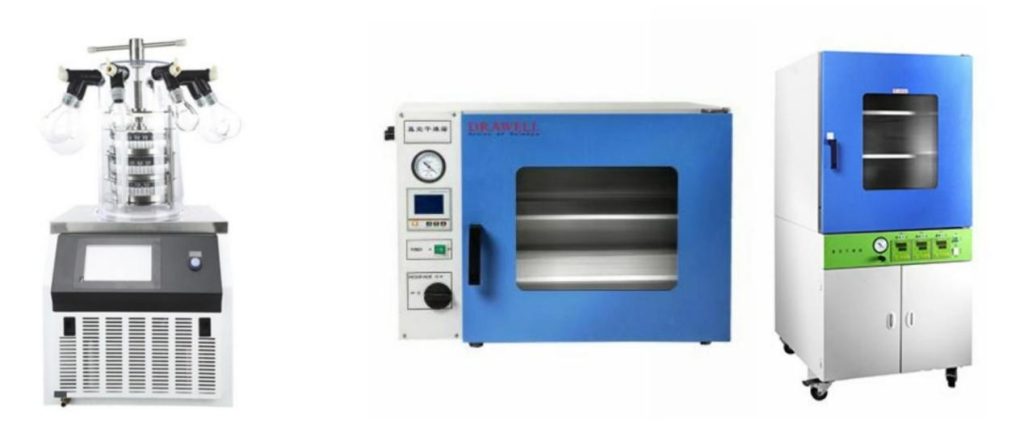
| Vacuum Evaporation | Solvent is evaporated under reduced pressure, lowering its boiling point. | Gentle on heat-sensitive samples, can handle larger volumes than rotavap. | Slower than rotary evaporation, requires vacuum system. |
| Freeze Drying (Lyophilization) | Freezes the sample and removes solvent via sublimation (solid to gas). | Preserves sample integrity, ideal for water-sensitive materials. | Slow, expensive equipment, low throughput for large volumes. |
| Distillation | Solvent is evaporated and separated based on boiling points. | Simple, effective for separating solvents with different boiling points. | Heat can degrade heat-sensitive samples, not ideal for close boiling-point solvents. |
| Hot Air/Oven Drying | Solvent is removed by heating the sample in an oven or under hot air. | Simple, cost-effective, no need for complex equipment. | Can degrade heat-sensitive compounds, slower for liquid solvents. |
| Solvent Exchange | Solvent is replaced with another immiscible solvent through liquid-liquid extraction. | Simple, effective for replacing one solvent with another. | Limited to immiscible solvents, can require multiple steps. |
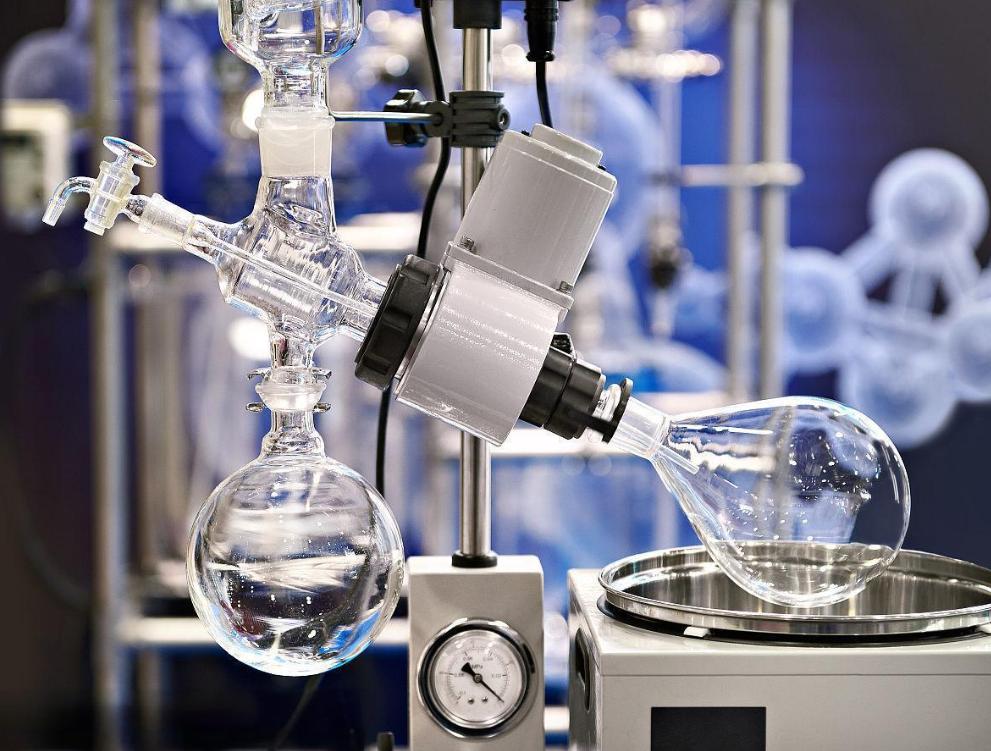
Key Factors to Consider for Choosing the Right Solvent Removal Techniques Used in Labs
1. Sample Types and Properties
In the context of choosing the solvent sample evacuation method, the sample type is the foremost consideration. Depending on the sample’s type, different methods become more suitable. For example, for liquid samples, rotary evaporation (rotavap) or vacuum evaporation is most useful, especially in cases where the solvent is volatile, and participation in evaporation can occur sans heat-induced degradation. Conversely, lyophilisation, namely the freeze-drying technology, shall be more suitable for biological samples or heat-sensitive samples due to the absence of any use of heat during the process.
When treating the solid matter or residual matter, the use of hot-air or oven drying may be optimal, particularly for volatile solvents and the residual volatiles that could be readily evaporated away. But one must ascertain that the heat will not compromise the sound integrity of the solid sample afterward.
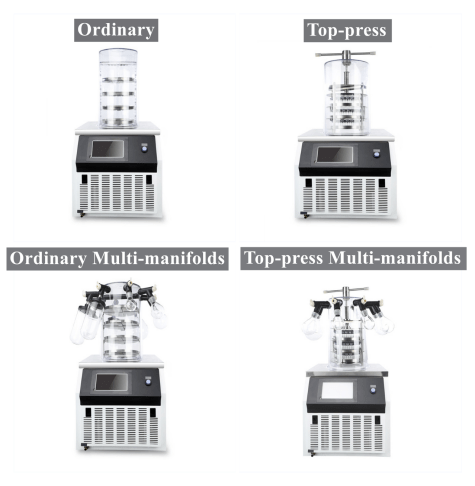
2. Sample Heat Sensitivity
Heat is known to affect the quality, and perhaps effectiveness, of samples vulnerable to heat particularly biological and pharmaceutical materials. This simply means that solvent-removing methods using heat such as conventional distillation or hot air drying are not to be considered.
The gentle manner of solvent removal provided by rotary evaporation and vacuum evaporation by reducing the pressure, and hence the boiling point of the solvent, along with reduced exposure. Freeze drying is another ideal choice for heat-sensitive materials, as it uses sublimation to remove the solvent at low temperatures, preventing thermal degradation.
3. Solvent Type and Volatility
The nature of solvent employed during an experiment is crucial in relation to choosing the best technique for solvent removal. Solvents with lower boiling points or higher volatility can be effectively removed by methods such as rotary or vacuum evaporation, relying on the latter’s decreased pressure on accelerating the evaporation of solvents at much lower temperatures.
For solvents with higher boiling points or mixtures of solvents with close boiling points, distillation could be a more suitable route for removal. The method involves heating the compounds to separate the solvents on account of their boiling points thereby leading to selective removal. Solvent exchange could be carried out for immiscible solvents to replace an unsuitable solvent with another appropriate one, e.g., during organic compound extraction with water where the desired replacement, an organic solvent, might be needed.
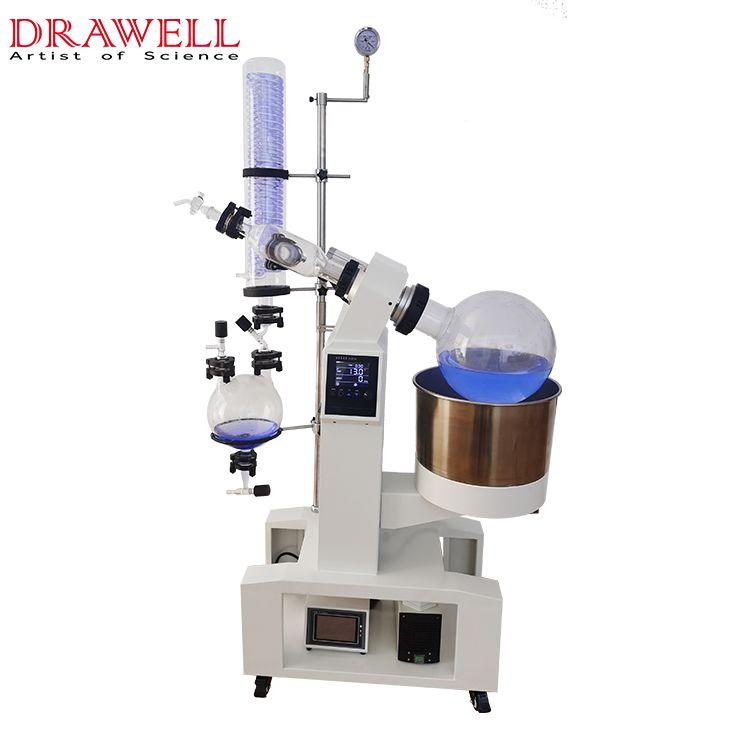
4. Volume of Solvent to be Removed
Besides solvent removal, other important factors in choosing the need for the proper technique are the experimental scale or the volume of solvent used. Most commonly, the preferred methods for small to medium volumes are vacuum evaporation and rotavap. According relevant if solvent removal time is as important as the experimental process employed in the lab.
If one needs the drying of a high volume of solvents, then rotovaps might be more suitable. However, they would then need to be big and designed to attain high-throughput. These methods are suitable for drying large samples from solid or residues for many solvents.
For smaller quantities, freeze drying is preferable as it is gentle and can dry heat-sensitive samples; but it is time-consuming especially for air-cooled freeze-thaw volumes; for larger volumes it is better to consider different options because it will influence total throughput.
5. Cost and Equipment Availability
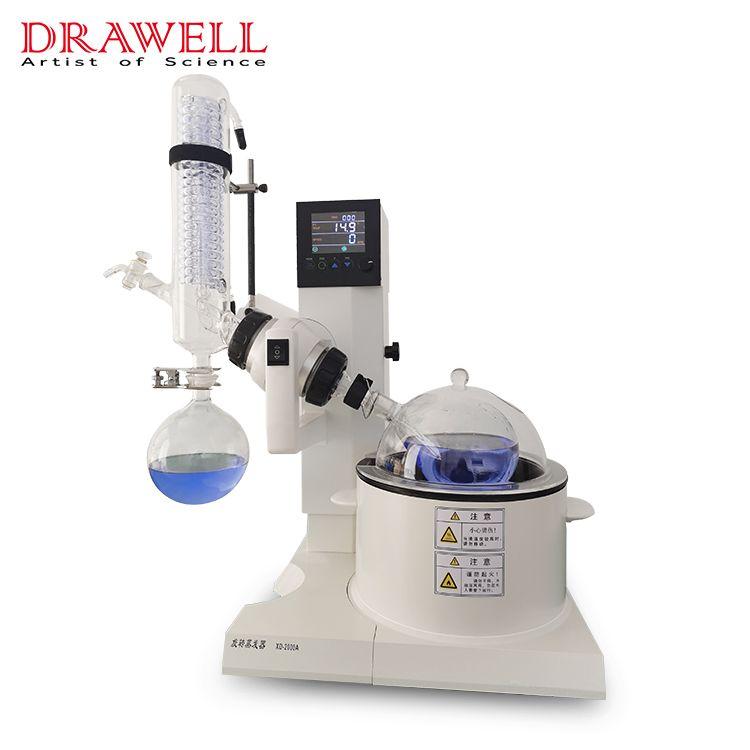
Equipment cost and availability are necessary considerations for any analyzer. Basic techniques such as drying the air heat and vacuum evaporation are less demanding when it comes to more advanced equipment and hence less costly, aspects that are important in selecting techniques for labs situated in budgetary constraints. On the other hand, rotary evaporation and freeze-drying require specialized equipment that is costly to acquire and maintain.
When cash is tight and equipment is not readily available to the lab, any of these five basic methods–drying using the vacuum or a rotary evaporator or distillation, then proceeds to post, distillation, or trabia distillation with the vacuum-would be most practical to apply. On the other hand, if utmost precision in obtaining the most delicate samples is the priority, investing in more advanced techniques like rotary evaporation or freeze drying may be worthwhile in the long run.
6. Time Efficiency
In many lab cases, time is one of the most important factors for the extraction of several samples or completion of pending projects, or both. Thus, for a quick removal of the solvent, rotary evaporation or vacuum evaporation is the most efficient and capable of handling multiple samples in a short amount of time. These techniques are therefore ideal for the rapid removal of a solvent in the research lab with high experimental operations.
Freeze drying can be used for maintaining the integrity of a heat-sensitive substance. It is usually slower than other methods. This method is best suitable for applications requiring sample preservation above all, yet efficiency in terms of time should not be a major point to worry about.
7. Sample Integrity and Preservation
While discussing the various critical issues about solvent removal that must be taken into account, one important issue is the preservation of the sample’s integrity. Some processes, like distillation and oven drying, can involve the generation of high heat, which, in turn, may result in the destruction of the sample, its chemical reactions, or distinct changes in configuration or properties. For the materials that are susceptible to heat under the worst conditions or for those which are very vulnerable, the methods, which preclude the heating of the material, such as rotary evaporation, vacuum evaporation, or freeze drying, are obligatory.
In the freeze drying process, the structure and activity of biological samples, pharmaceuticals, or proteins can be preserved as the solvent is eliminated without harming them. On the other hand, these methods of solvent removal would otherwise affect the properties, rendering them useless.
8. Laboratory Scale and Automation
The size of the experiment is considered as a relevant condition for the selection of the method of solvent removal. For smaller scale laboratory experiments, methods such as rotary evaporation and vacuum distillation work well and are easily operated manually. However, these systems can be partially or completely automated to address the prospects of some high-performance laboratories.
Freeze drying is almost always practiced at small-scale and specialty laboratories, where it can be closely watched manually and is great for batch processing. However, large production-scale operations or those involving larger volumes may require automated equipment or systems for handling the workload.
Summary
- Rotary evaporation and vacuum evaporation are usually the better methods for labs handling volatile solvents or small volumes.
- Freeze drying is the alternative for samples that are heat-sensitive or have a gentle response.
- Distillation and hot air drying are more popular in removing larger solvent scales or in solvent separation if the sample can tolerate the heat.
Final Thoughts
Choosing solvent removal technique for your laboratory will be based on a variety of factors which include sample type, solvation, temperature sensitivity, sample amount, costs and time efficiency; it is by considering these factors that inquirers will find the best method to meet their needs. It is when one is intimately acquainted with the benefits and drawbacks of the various solvent removal techniques that can exert full control over the removal process in order to preserve the integrity and quality of samples.
Related Products Recommendation
Get Quote Here!
Latest Posts

What Next?
For more information, or to arrange an equipment demonstration, please visit our dedicated Product Homepage or contact one of our Product Managers.


