


Laboratories and industrial facilities use ultrasonic homogenizers to achieve particle size reduction, create emulsions, disrupt cells, produce dispersions, perform extractions and prepare samples. The systems generate high-frequency sound waves to produce cavitation bubbles in liquids which create violent bubbles that release strong energy at specific locations. The most widely used ultrasonic homogenization systems include probe and bath ultrasonic homogenizers. The two systems both use ultrasonic energy, yet their design, power delivery system and operational capabilities are completely different. The selection process for suitable equipment needs an understanding of these differences between the two systems because it helps match equipment to specific application needs.
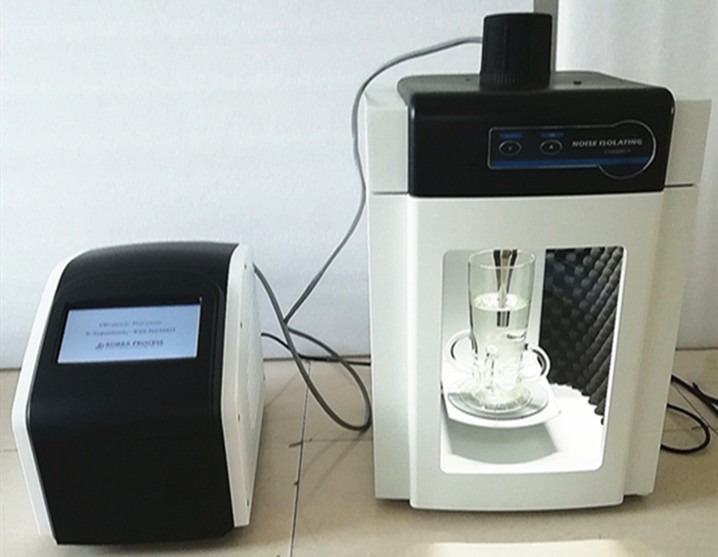
Understanding Probe Ultrasonic Homogenizers
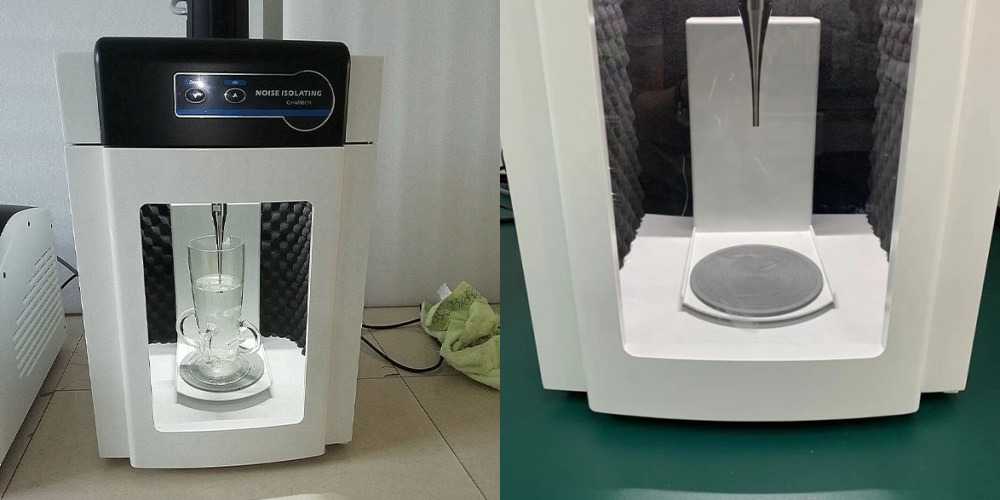
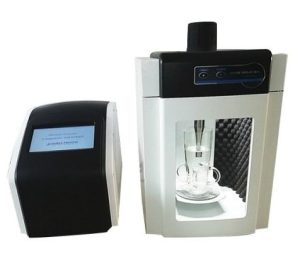
A probe ultrasonic homogenizer operates as a high-energy machine which uses ultrasonic cavitation to achieve particle size reduction and material dispersion and liquid emulsification and cell disruption. The ultrasonic homogenizer functions as one of the strongest laboratory and industrial homogenization instruments which enables rapid and effective sample analysis.
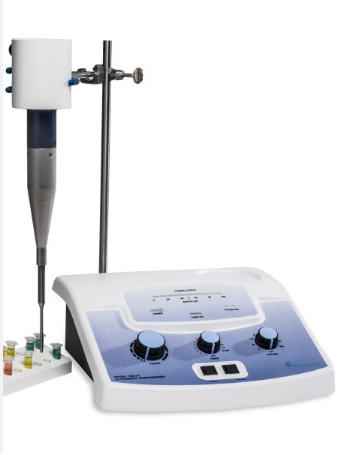
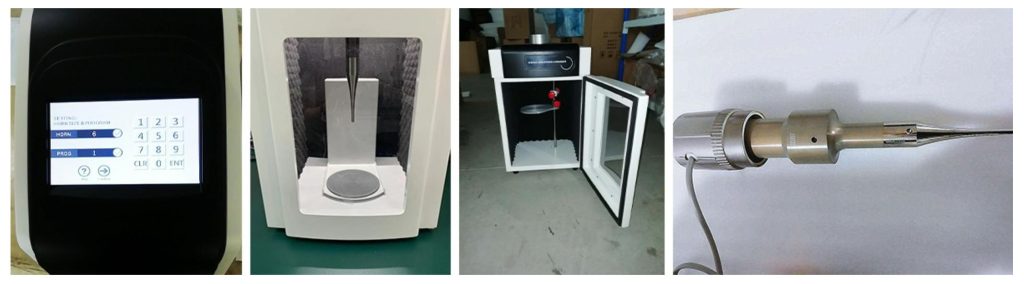
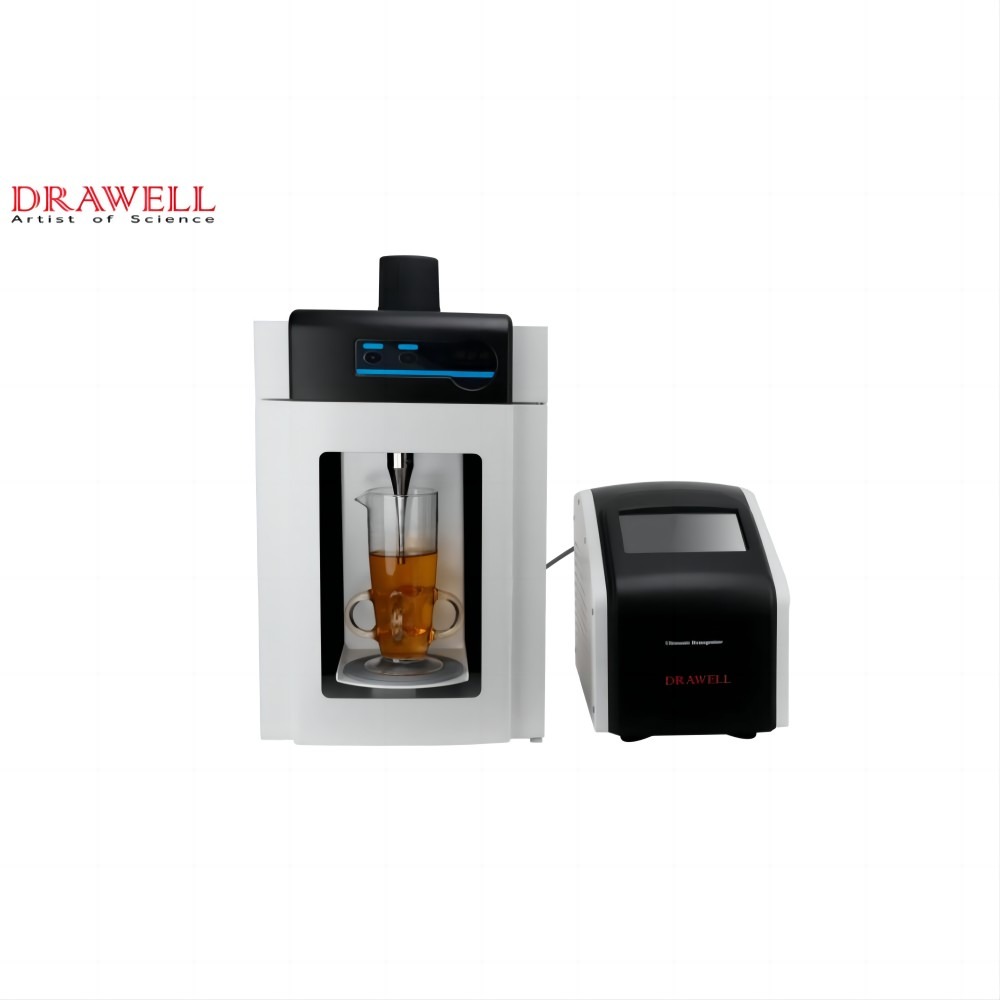
The system typically consists of a power generator, a transducer, and a titanium probe (also called a horn or sonotrode). The generator transforms electrical energy into high-frequency power while the transducer converts that power into mechanical vibration. The probe transmits these vibrations to the sample liquid which produces tiny bubbles that form and collapse at high speed. The process of cavitation produces extreme localized shear forces which enable complete particle disintegration and thorough material mixing.

How Probe Ultrasonic Homogenizers Work
The system uses its probe tip to send ultrasonic energy into the sample through the submerged probe tip. The system achieves superior energy distribution through direct energy transfer which enables quicker system operation. The user can modify the system’s amplitude and pulse cycles and treatment duration to achieve different testing results with various materials.
Advantages
- High Processing Power: The ultrasonic energy delivery directly into the sample through probe systems results in stronger cavitation effects compared to indirect ultrasonic baths. The technology shows excellent performance when handling challenging materials that exist in dense suspended forms.
- Fast Homogenization Speed: The probe homogenizers enable scientists to complete particle size reduction processes and mixing tasks and cell disruption activities within a short time frame that lasts only a few minutes.
- Precise Process Control: The modern systems enable users to optimize processing conditions for their specific samples through three adjustable parameters which include amplitude and pulse duration and processing time.
- Excellent for Small Sample Volumes: The laboratory-scale applications of probe homogenizers provide an effective solution for treating small volumes that need treatment to be completed at a consistent speed.
- Wide Application Range: The technology finds applications in multiple industries that include pharmaceuticals and food science and cosmetics and environmental testing and nanotechnology and molecular biology.
Limitations
- Heat Generation: The intense cavitation process creates a sample heating effect that occurs within a short period. Heat-sensitive materials such as proteins and enzymes and biological samples need to maintain their temperature through ice baths or jacketed vessels.
- Risk of Contamination: The direct sample contact through the probe requires proper cleaning procedures to prevent cross-contamination between runs. This requirement holds particular significance for analytical procedures and biological research work.
- Probe Wear and Maintenance: The probe tip experiences gradual erosion through time because of its contact with abrasive materials during processing. The equipment needs routine checkups which include inspections and component replacements.
- Noise Production: The operation of high-power ultrasonic systems produces loud sounds that require protective enclosures or hearing protection devices for operator safety.
- Limited Batch Capacity: The standard probe systems operate most effectively with sample volumes that range from small to medium-sized.
Understanding Bath Ultrasonic Homogenizers
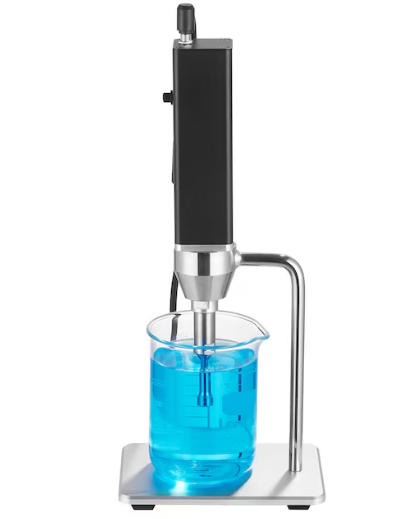
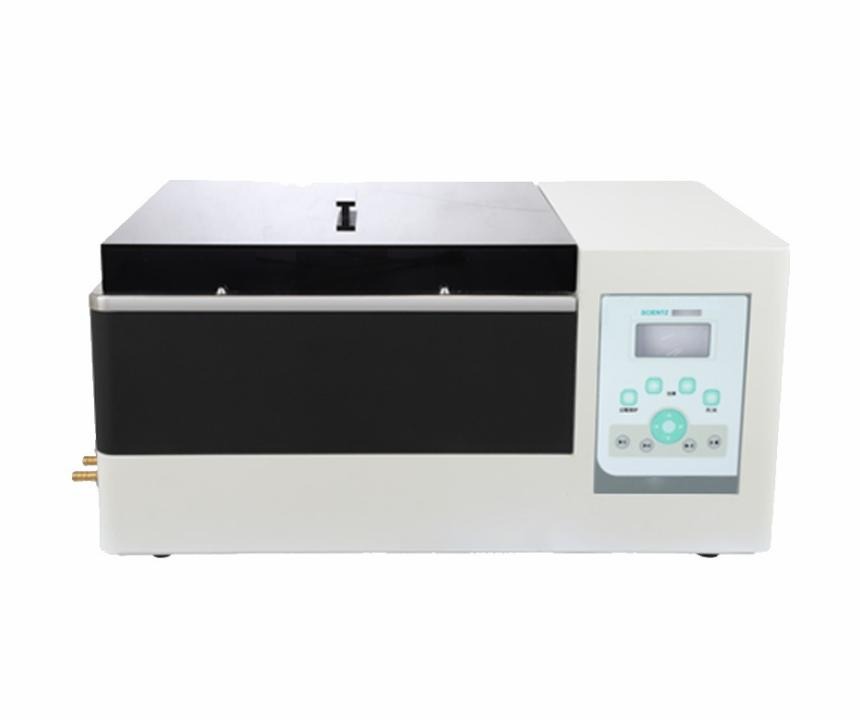
The bath ultrasonic homogenizer functions as an ultrasonic processing system which utilizes high-frequency sound waves to generate ultrasonic energy through a liquid-filled tank for sample mixing and sample dispersion and sample extraction and sample cleaning and sample homogenization. The bath homogenizers use ultrasonic energy which they transfer through the surrounding bath liquid to create energy output which their systems deliver from a probe. The system functions effectively for standard laboratory work because it can handle sensitive materials and handle multiple containers at the same time.
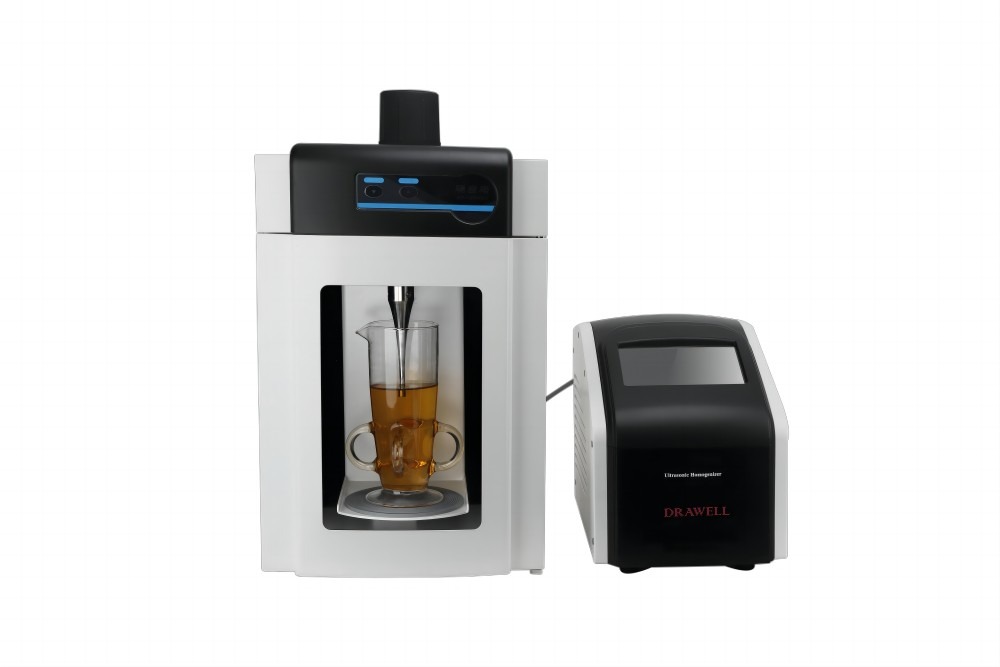
How Bath Ultrasonic Homogenizers Work
A bath ultrasonic homogenizer consists of a stainless-steel tank filled with water or a suitable coupling liquid. The tank contains ultrasonic transducers which engineers installed below its surface and along its perimeter to create high-frequency vibrations. The vibrations travel through the bath liquid and into the sample containers placed inside the tank. The liquid ultrasonic waves create cavitation bubbles which develop quickly and then collapse. The resulting energy helps loosen particles, promote mixing, assist extraction, and improve dissolution. Sealed tubes and flasks and beakers and bottles serve as the usual containers for samples which enable machine treatment without any direct contact between machine components and the sample.

Advantages
- Non-contact Sample Processing: The sample stays contained within its own storage unit which prevents machine components from contaminating it. This process proves vital during handling of both sterile and sensitive materials.
- Simultaneous Multi-Sample Handling: Bath systems can process multiple tubes and containers at the same time which leads to better productivity for laboratories that perform repetitive tasks.
- Gentle and Uniform Energy Distribution: Ultrasonic energy spreads through the entire bath system which decreases the chances of concentrating energy in one area that would harm the samples.
- Easy to Use: Bath ultrasonic homogenizers become operational through basic procedures which require no specialized knowledge for their maintenance.
- Lower Maintenance: The system requires less maintenance because its design does not include probe tips which contact samples directly.
- Suitable for Delicate Samples: The bath treatment method benefits biological samples and emulsions and materials that cannot endure aggressive direct sonication.
Limitations
- Lower Energy Intensity: The ultrasonic energy must travel through both the bath liquid and sample container walls which reduces energy delivery to the sample when compared to direct probe systems.
- Slower Processing Speed: The bath homogenizers need more time to complete particle size reduction and cell disruption tasks when compared to their operational speed.
- Less Precise Energy Delivery: Energy distribution can change based on how the sample is positioned and the design of the bath and the water level and the type of container used.
- Limited Effectiveness for Tough Samples: The system needs more powerful probes to process materials which include highly viscous substances and strong agglomerates and hard cell walls.
- Temperature Rise During Extended Use: The bath liquid temperatures increase through extended operating times which creates a risk of heat-sensitive samples getting damaged from the bath system temperature rise.
Key Differences Between Probe and Bath Ultrasonic Homogenizers
| Comparison Factor | Probe Ultrasonic Homogenizer | Bath Ultrasonic Homogenizer |
| Working Principle | Ultrasonic probe is inserted directly into the sample and transfers energy directly | Ultrasonic waves pass through bath liquid and then into sample containers |
| Energy Intensity | High, concentrated power | Lower, more distributed power |
| Processing Speed | Faster homogenization and disruption | Slower processing time |
| Homogenization Efficiency | Excellent for tough samples and strong agglomerates | Better for light-duty or gentle applications |
| Sample Contact | Probe directly contacts sample | No direct contact with sample |
| Contamination Risk | Higher if probe is not cleaned properly | Lower because samples remain sealed in containers |
| Heat Generation | Higher due to concentrated energy | Lower and more gradual |
| Precision Control | High control over amplitude, pulse, and timing | Usually limited control compared with probe systems |
| Best Sample Volume | Small to medium volumes | Multiple small samples or medium containers |
| Multi-Sample Processing | Usually one sample at a time | Can process several samples simultaneously |
| Maintenance Needs | Probe cleaning and tip replacement may be required | Lower maintenance requirements |
| Noise Level | Typically louder during operation | Usually quieter |
| Ideal Applications | Cell lysis, nanoparticle dispersion, emulsification, DNA shearing | Cleaning, degassing, extraction, dissolving, gentle mixing |
| Equipment Cost | Often higher for advanced systems | Usually lower for standard laboratory models |
| Scalability | Suitable for lab to industrial inline systems | Mostly laboratory and light industrial use |
Key Factors to Consider for Choosing Between Probe and Bath Ultrasonic Homogenizers
Selecting the right ultrasonic homogenization system requires careful evaluation of application needs, sample properties, workflow efficiency, and long-term operating requirements.
- Understanding the Difference in Energy Delivery
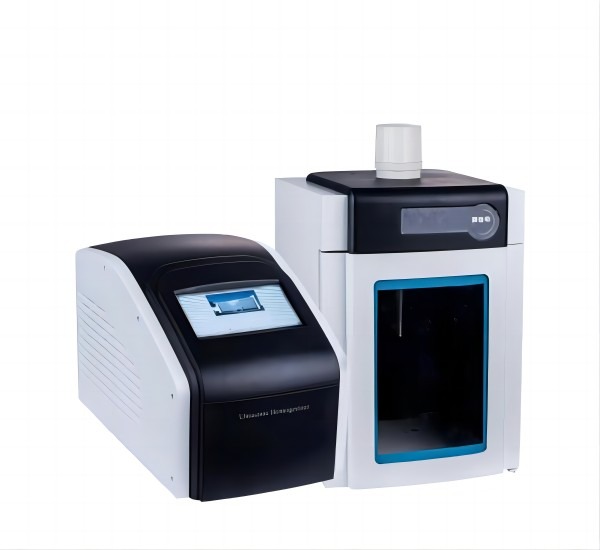
Probe ultrasonic homogenizer requires a probe that immerses in the sample and allows energy transfer directly to the sample. Due to direct contact, cavitation activity is extremely intense and the mechanical force is also quite strong, making them suitable for processes like cell lysis, nanoparticle deagglomeration, and instant emulsification.
Sometimes indirect energy transfer is done for the sample, especially in a bath ultrasonic homogenizer through a bath medium where either the water or coupling liquid is filled into the sample container. Since the energy continues through an intermediate medium, the treatment is very much less than intense. Therefore bath systems are ideal for the processing of fragile samples, routine mixing, washing, and the operation of multiple containers.
- Evaluating Sample Type and Processing Difficulty
The physical form of the sample heavily influences the choice of equipment. Dense suspensions, viscous liquids, fibrous materials and tough biological cells often require high cavitation forces produced by probe systems. For materials preliminarily broken down swiftly or thoroughly, direct sonication would usually be the option providing utmost results.
For fragile biological specimens, low viscosity liquids, dissolved compounds, or materials sensitive to harsh treatment, a bath-type ultrasonic homogenizer would be more appro-priate. It provides softer and more even distribution of energy that reduces the chances of over-processing or damage to the structural integrity.
- Considering Required Processing Speed
Speed becomes another critical factor to consider. A probe ultrasonic homogenizer will move through its work faster, as it delivers its powerful forces directly to the sample. Such high speeds become a boon to laboratories with high-throughput testing or to production situations that demand quick turnaround times.
The time duration being bath processed is unacceptably long to exert a comparable fine-mixing or extraction effect. However, it is operatively beneficial due to several samples processed at one time, which goes in favor of the overall routine operation efficiency.
- Assessing Sample Volume and Throughput Needs
In order to aptly understand the size of the sample and its proper time of dissociation, we must know the descriptors of two factors worthy of consideration. Probe homogenizers are basically for small-to-medium batches with some commercial-scale instruments rigged to deliver industrial processes. It is noted, however, that laboratory units designed for batch processing are typically optimized for fairly low volumes.
Bath ultrasonic homogenizing units are convenient in situations where many small specimens need to be treated within the same period. Research laboratories, testing services, and quality control facilities generally prefer bath-type ultrasonicators due to the convenience of processing multiples of tubes, flasks, or beakers.
- Managing Contamination and Cleanliness Requirements
When discussion is focused on the purity of any sample, the concern of control of contamination mounts. The least acceptable way is to clean the probe homogenizing tool on a priority basis on its first, every-occasion use, as the homogenizing tool comes in direct contact with the sample. Cross-contamination issues may arise out of failed cleaning in pharmaceutical, biochemical, and analytical labs.
Bath-based homogenizers are able to minimize the risk by keeping the sample enclosed in its container. This is of particular relevance for applications in cases, for example, where the sample is sterile, the ingredients are a biohazard, or in the case of materials that need to be kept well away from the outside.
- Monitoring Temperature Sensitivity
Ultrasonic processing creates heat, and some samples are very heat sensitive. Probe homogenizers can quickly create heat owing to their concentrated power density—a potential threat. Protein compounds, enzymes, and heat-sensitive biological compounds may perhaps call for pulse mode operation, cooling jackets, or ice baths at a time of probe sonication.
Bath systems generally heat more slowly, which makes them safe for temperature-sensitive operations. Regardless, very extended operations may eventually need some sort of temperature control, or a cooled bath unit.
- Reviewing Maintenance and Operating Costs
Owning the gear involves more than just the outright price. Probe ultrasonic homogenizers may make the operator face frequent maintenance costs, including inspection of the probe, replacement of the tip, and cleaning operations. The increased power output also means higher wear.
Bath ultrasonic homogenizers generally require less frequent maintenance because of elimination of any direct-contact part of the probe that may erode. For laboratories that desire simple day-to-day operation and minimum maintenance activity, bath systems may bring reduced total operational expenses.
- Matching Precision and Process Control Requirements
Some applications demand precise control over ultrasonic amplitude, pulse cycles, and exposure time. Probe systems typically provide more advanced parameter adjustment, allowing users to fine-tune performance for specialized research or product development.
Bath ultrasonic homogenization systems are often simpler to operate, but they may offer less control over localized energy intensity. For routine procedures, this simplicity can be an advantage, while advanced applications may favor probe technology.
- Aligning with Industry Applications
Diverse industries opt for various systems depending on the requirements in their workflows. Biotechnology, nanotechnology, advanced materials, and pharmaceutical R&D are mostly reliant upon probe-type ultrasonic probes, which equip them with massive and targeted processing capabilities. Educational laboratories, environmental testing systems, and more common analytical labs are mainly running on bath ultrasonic homogenizers for convenience, safety, and bulk handling.
Summary
- If your priority is high power, fast processing, and intensive sample disruption, a probe ultrasonic homogenizer is usually the better option. It is particularly valuable in molecular biology, nanomaterial and emulsification processes.
- If you need gentle treatment, contamination control, or simultaneous handling of multiple samples, a bath ultrasonic homogenizer is often more practical. It is ideal for routine laboratory preparation, extraction and cleaning tasks.
Final Thoughts
Choosing between probe and bath ultrasonic homogenizers depends on balancing performance, sample sensitivity, throughput, cleanliness, and budget. The users must carefully evaluate real needs of processing either in the laboratory or production line, which will help the user to apply the ultrasonic homogenizer with the best efficiency, repeatability, and value in the long-term.
Related Products Recommendation


Get Quote Here!
Latest Posts

What Next?
For more information, or to arrange an equipment demonstration, please visit our dedicated Product Homepage or contact one of our Product Managers.


