


For laboratories in molecular biology, biochemistry, and diagnostics, gel electrophoresis is one of the most routine yet critical analytical techniques. However, deciding between a vertical and horizontal electrophoresis system can be confusing — especially when each appears similar in function but differs greatly in application, cost, and performance.
As a professional laboratory equipment supplier, Drawell understands that buyers are not just seeking a product — they are seeking consistency, reliability, and suitability for their specific workflows. This article will help you understand the key differences between the two systems and guide you toward the right purchasing decision.

Core Differences: Vertical vs. Horizontal Electrophoresis Systems
Before diving into the details, the table below provides a quick snapshot of the two systems to help you quickly establish the overall concept.
| Feature | Horizontal Gel Electrophoresis | Vertical Gel Electrophoresis |
| Primary Application | Nucleic Acid Separation (DNA, RNA) | Protein Separation (SDS-PAGE, Western Blot) |
| Gel Type | Agarose Gel | Polyacrylamide Gel (PAGE) |
| Separation Principle | Molecular size and conformation | Molecular size (primarily) and charge |
| Resolution | Lower (suitable for large molecules > 100 bp) | High Resolution (essential for protein analysis) |
| Gel Casting | Simple, direct pour into a tray | Complex, requires glass plates, spacers, and casting stand |
| Ease of Use | Higher (simple loading, fewer components) | Lower (more steps, higher precision required) |
| Typical Cost (Per Run) | Lower (cheaper agarose, less buffer) | Higher (precast gels or complex manual casting) |

In-Depth Comparison: How They Differ in Real Use
1. Structure and Working Principle
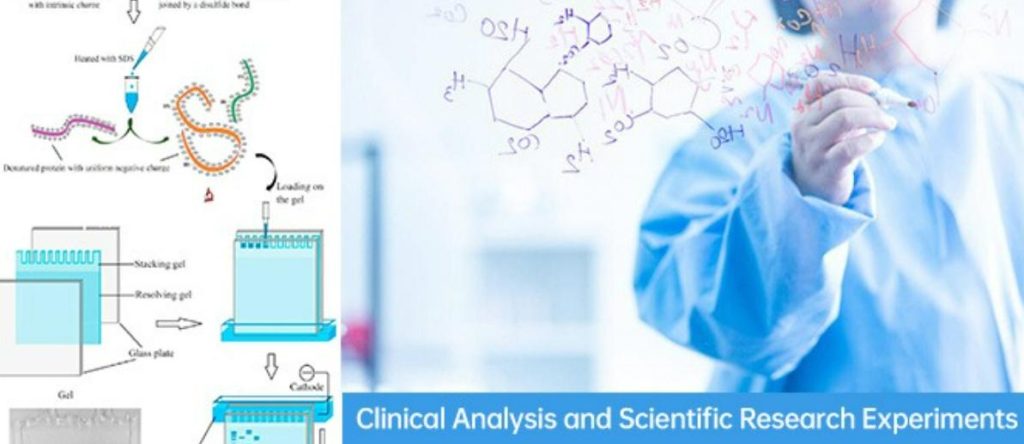
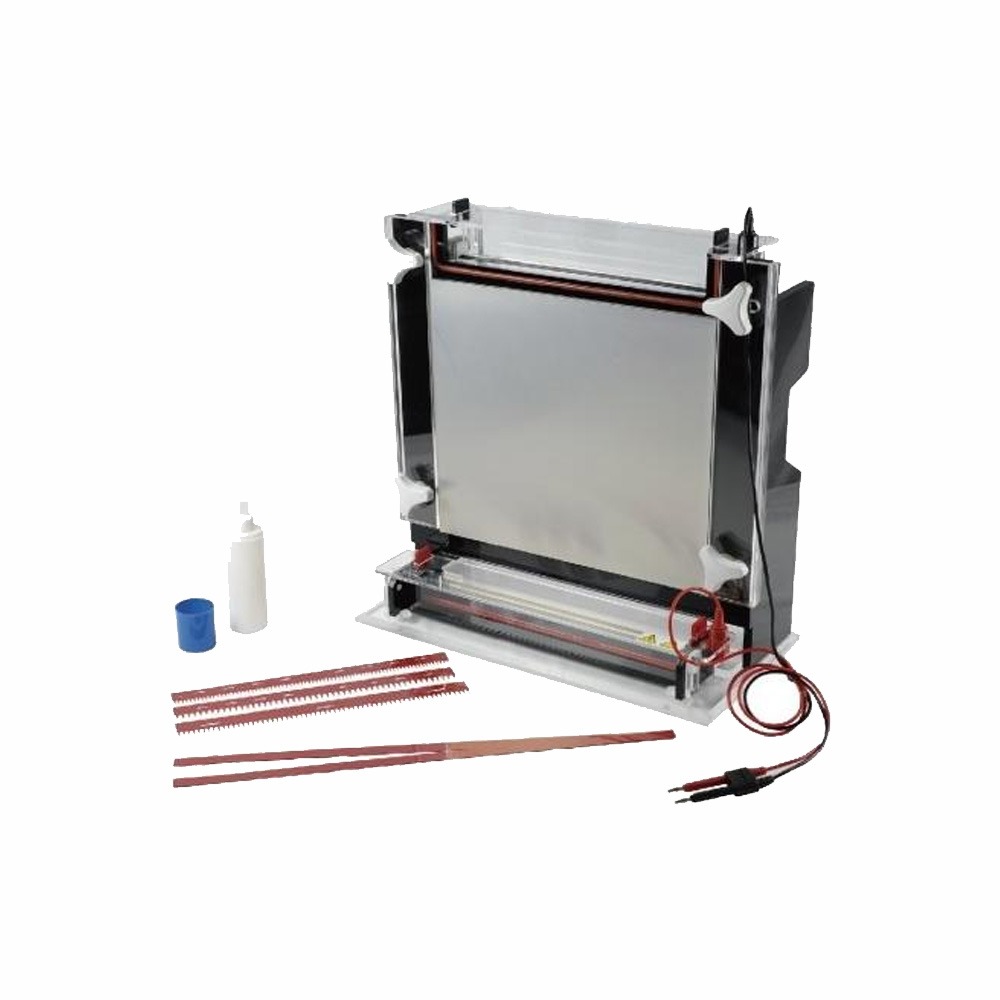
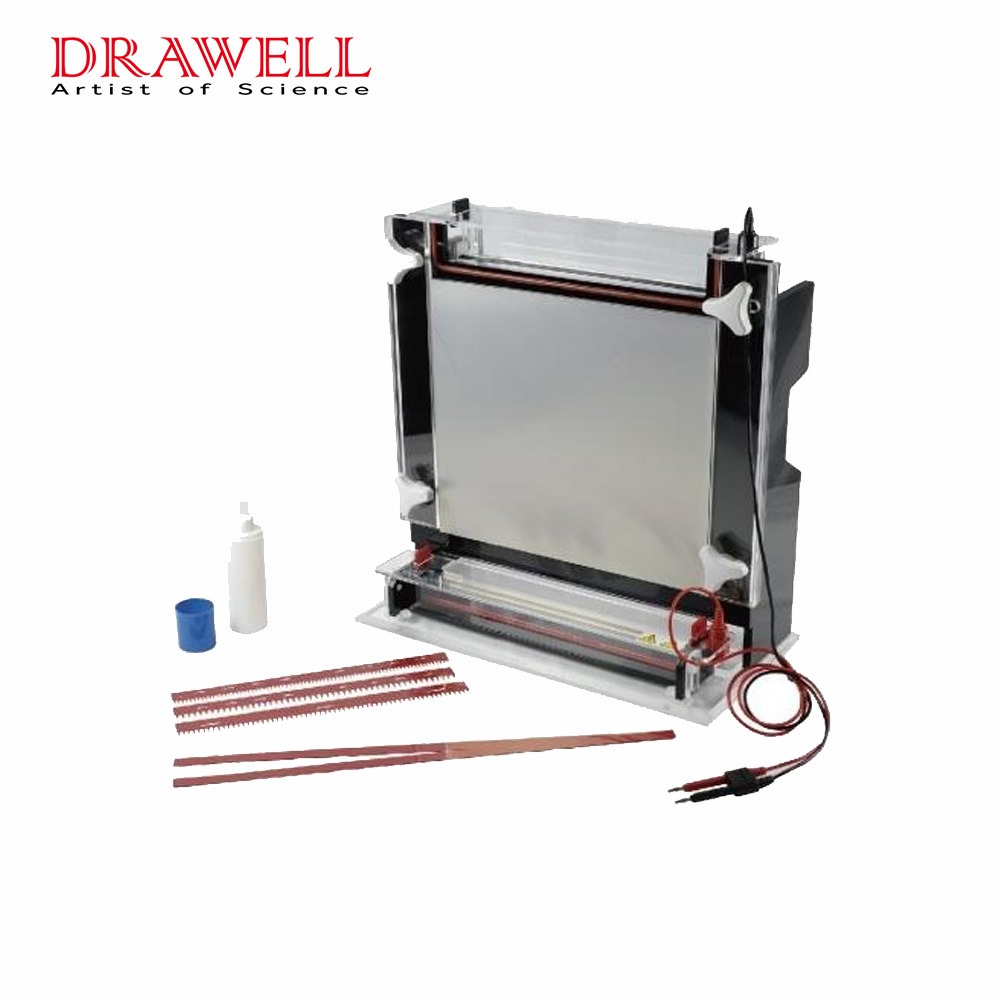
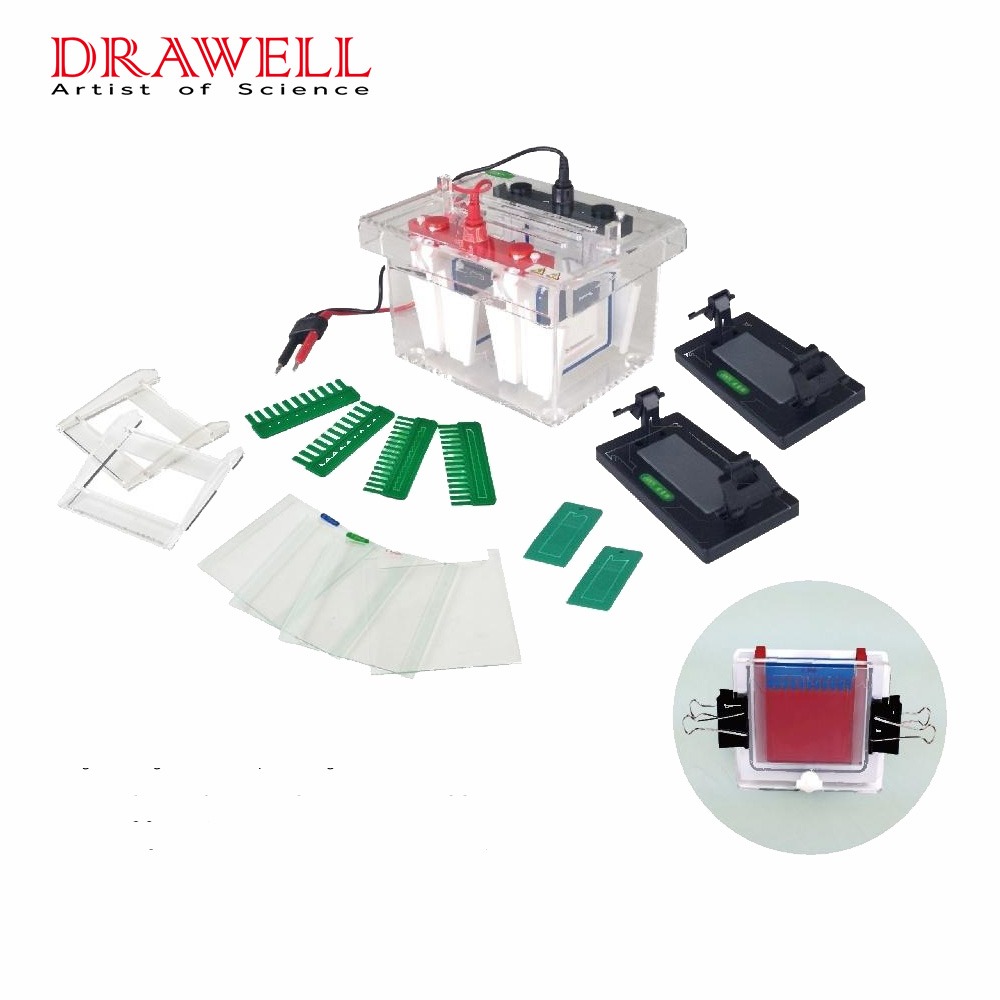
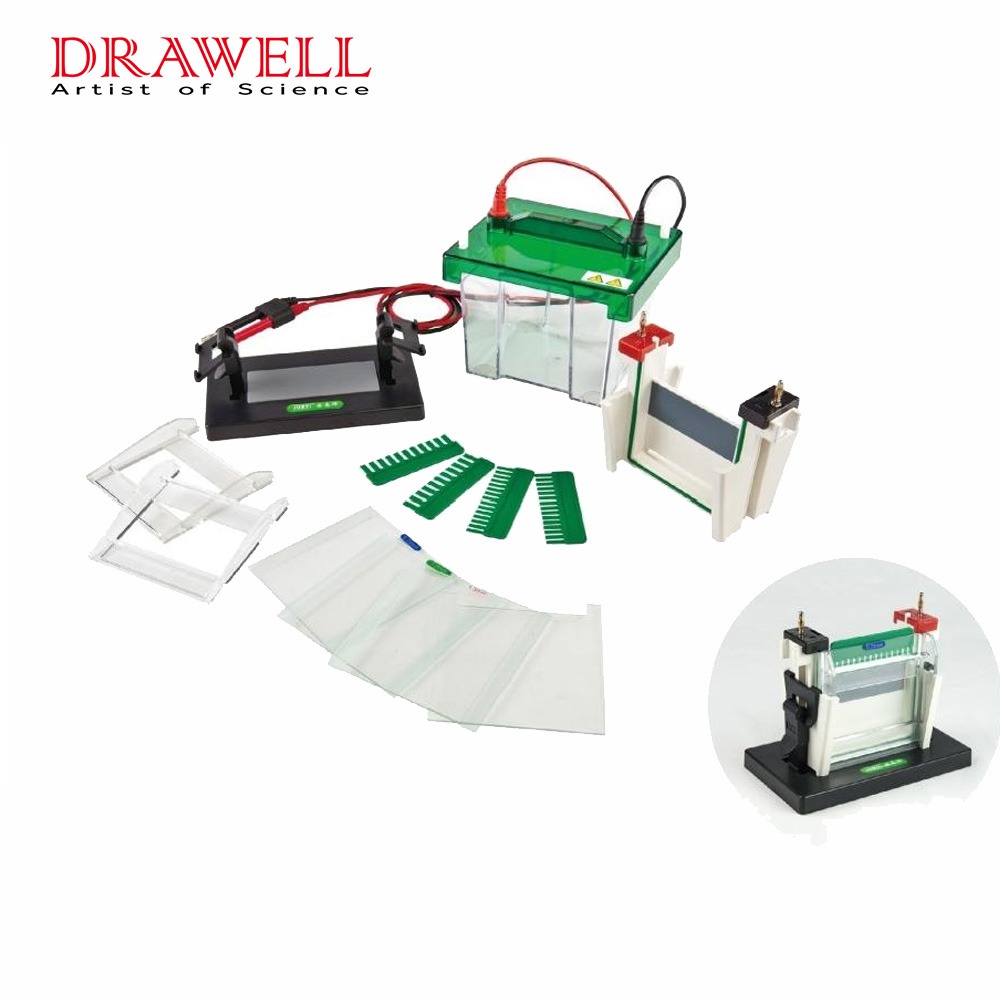
A vertical electrophoresis system features gel sandwiched between glass plates, with buffer chambers at both the top and bottom. The electric field runs vertically, forcing proteins through a tight polyacrylamide matrix — providing excellent resolution for protein analysis.
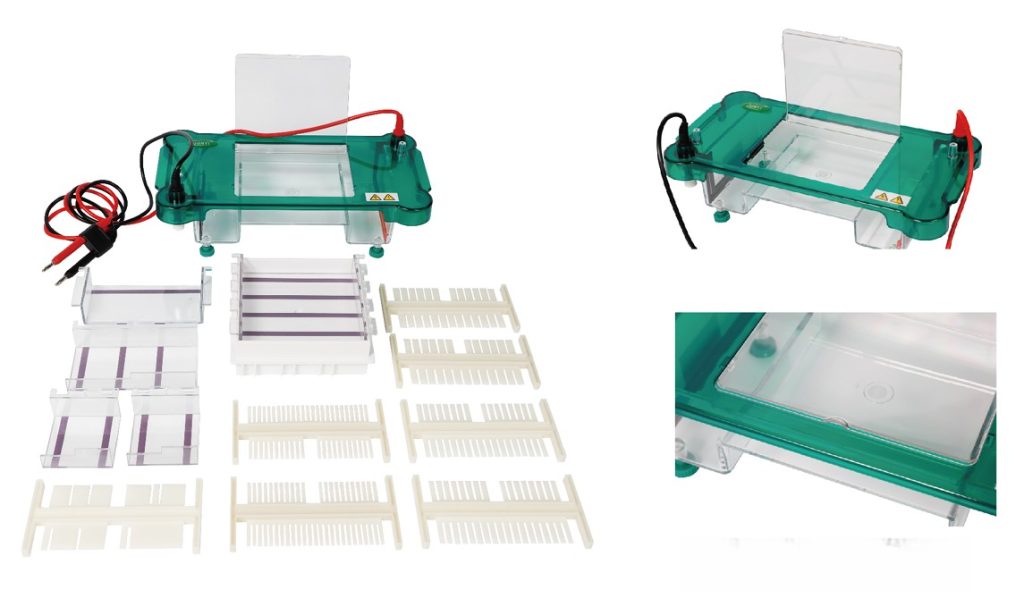
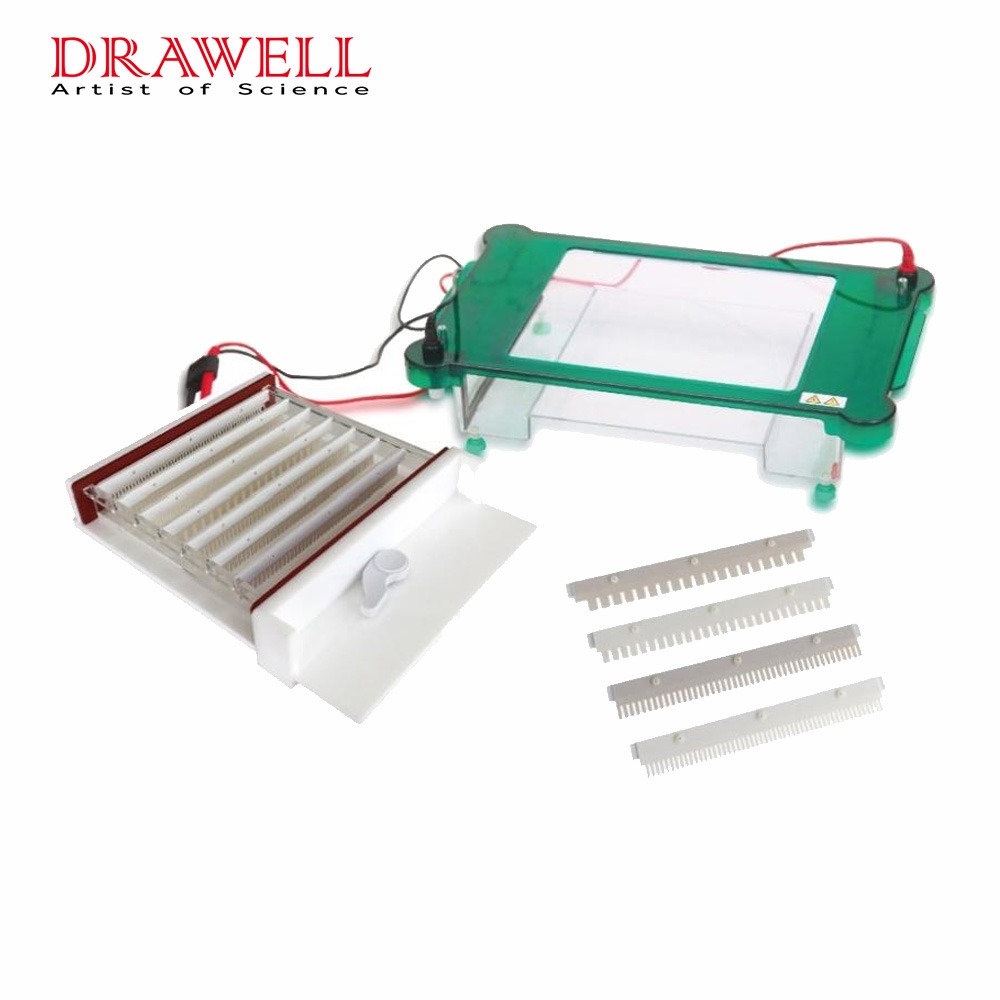
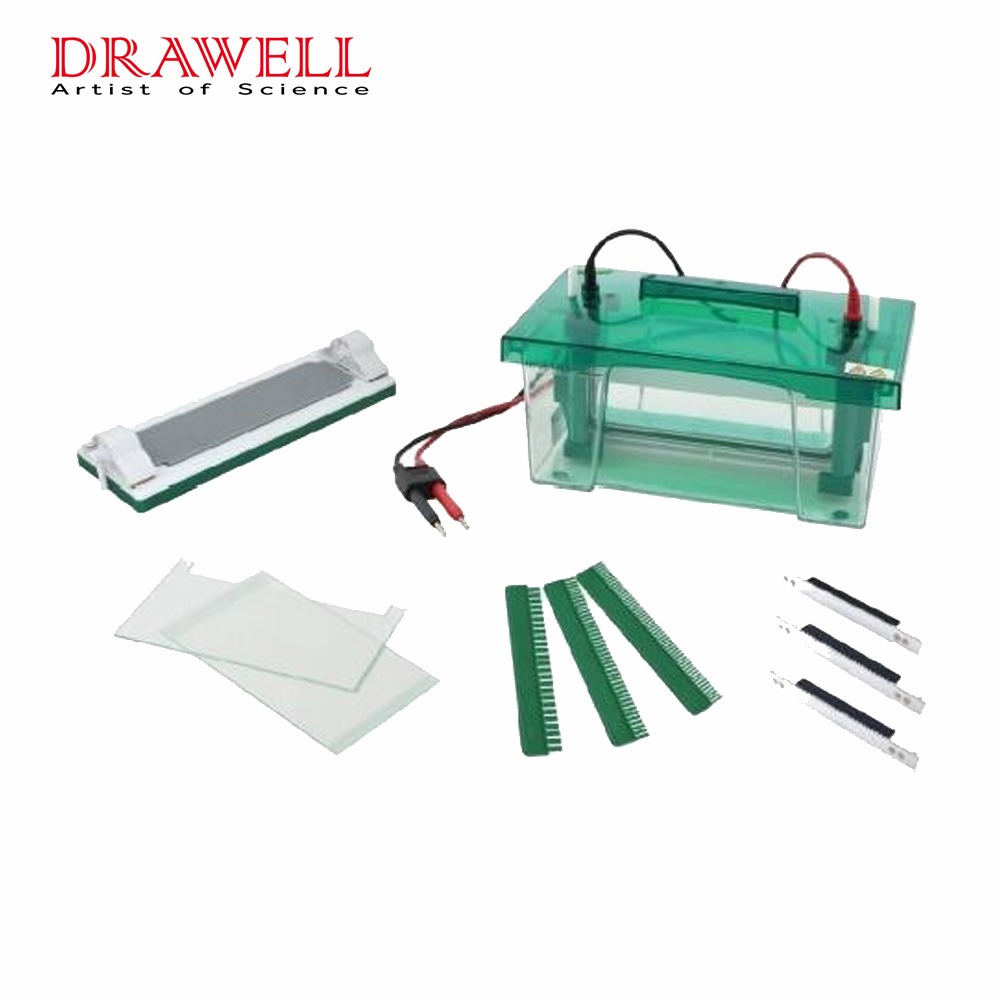
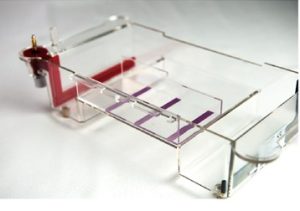
In contrast, a horizontal electrophoresis system uses an agarose gel slab laid on a tray and submerged in a single buffer tank. The electric field runs horizontally, allowing nucleic acids (DNA or RNA) to migrate smoothly through larger pores in agarose gel.
From a manufacturer’s perspective, both systems are designed for precision, but they serve distinct research goals. For buyers, understanding this difference helps match equipment to your research domain.
- Application Scenarios: Which One Fits Your Lab?
| Research Focus | Recommended System | Typical Use Cases |
| Protein research, enzyme analysis | Vertical | SDS-PAGE, native PAGE, 2D electrophoresis |
| DNA/RNA research, PCR verification | Horizontal | Agarose gel electrophoresis for DNA/RNA fragments |
| Teaching or educational use | Horizontal | Simple nucleic acid demonstration |
| High-resolution molecular characterization | Vertical | Protein molecular weight and purity testing |
If your laboratory often performs DNA extraction checks or PCR verification, the horizontal system is usually the most practical choice. However, for protein-level studies in pharmaceutical or biotech R&D, a vertical electrophoresis system offers the precision you need.
- Resolution and Performance
Resolution determines how effectively different molecules are separated.
- Vertical systems use polyacrylamide gels, which have small pore sizes and enable high-resolution separation of proteins differing by as little as a few kilodaltons.
- Horizontal systems are best for visualizing larger DNA or RNA fragments, though resolution is lower compared to PAGE.
As a gel electrophoresis manufacturer, Drawell optimizes buffer circulation and gel casting mechanisms to ensure consistent field strength, reducing band distortion and enhancing reproducibility across runs.
- Ease of Operation and Workflow
| Aspect | Vertical System | Horizontal System |
| Setup | Gel casting, glass plate assembly | Simple gel pouring on tray |
| Sample Loading | Requires precise pipetting into narrow wells | Easier, wider wells |
| Cleaning | More parts to clean and maintain | Quick cleanup |
| Training Needs | Moderate to high | Beginner-friendly |
For laboratories with frequent turnover of staff or students, horizontal systems offer ease of use. However, when precision matters more than convenience, vertical systems remain the standard for research-grade separation.
- Cost Analysis: Investment and Consumables
From a procurement standpoint, cost is not just about the initial purchase price.
- Vertical electrophoresis systems have higher upfront costs due to their more complex structure but require less buffer volume per run, saving on long-term consumables.
- Horizontal systems, while cheaper initially, consume more buffer and agarose gel materials over time.
When purchasing from a professional laboratory electrophoresis supplier like Drawell, buyers should evaluate long-term total cost of ownership (TCO), not just the equipment price.
- Safety Considerations
Safety should never be overlooked.
- Acrylamide, used in vertical gels, is toxic before polymerization, requiring gloves and fume hood operation.
- Agarose gels, used in horizontal systems, are non-toxic and safer, making them ideal for teaching and routine genetic analysis.
Drawell’s modern electrophoresis systems include safety interlock covers, leak-proof chambers, and transparent lids for safe and visible operation — ensuring user protection without compromising visibility.
Frequently Asked Questions (FAQ)
Q1. Are vertical and horizontal systems mainly different in direction?
Not exactly. The difference goes far beyond orientation.
The vertical electrophoresis system uses polyacrylamide gels — a fine, cross-linked matrix suitable for separating proteins or peptides based on molecular weight and charge. The horizontal system, on the other hand, uses agarose gels, which have larger pores suitable for nucleic acids (DNA/RNA) of varying sizes.
In essence:
Vertical = High resolution for small biomolecules (proteins)
Horizontal = Fast visualization for large biomolecules (DNA/RNA)
The direction of the field is just a physical outcome of the gel’s configuration, not the main differentiator.
Q2. What’s the function of the stacking and separating gels in SDS-PAGE?
SDS-PAGE (a common vertical electrophoresis method) uses two gel layers for precision:
Stacking Gel (Top Layer):
Has a low acrylamide concentration and low pH buffer. It compresses all protein samples into a tight band before entering the separating gel, ensuring synchronized migration.
Separating Gel (Bottom Layer):
Has a higher acrylamide concentration and higher pH buffer. This is where proteins are actually separated according to their molecular weight.
Without the stacking gel, bands would be diffuse, making it hard to distinguish proteins of similar sizes.
Q3. What voltage should be used? Constant voltage or constant current?
For most applications:
Vertical electrophoresis (SDS-PAGE):
Start at 80V–100V for stacking, then increase to 120V–150V for separation.
Horizontal electrophoresis (DNA/RNA):
Typically runs at 80–120V depending on gel size and desired resolution.
Constant voltage is the standard mode since it provides consistent migration speed and stable field strength.
Constant current mode is used in special cases — for example, when the buffer’s ionic strength changes significantly during long runs, and maintaining a fixed current helps prevent overheating.
Q4. Can the electrophoresis buffer be reused?
Technically, buffers can be reused once or twice, but each run alters the ion balance and reduces conductivity, leading to:
- Slower migration speed
- Increased heat and distorted bands
- pH drift, especially in SDS-PAGE systems
For reproducible results, replace buffer after 2–3 runs (or sooner for critical protein separations).
As a supplier, Drawell recommends using fresh buffer for quantitative or publication-grade experiments.
Q5. How to choose gel concentration to prevent poor separation or loss of sample?
The pore size of the gel depends on its concentration:
For proteins (polyacrylamide):
- 6–8% → large proteins (>100 kDa)
- 10–12% → medium proteins (30–100 kDa)
- 15% → small proteins (<30 kDa)
For DNA (agarose):
- 0.8% → large DNA (>1,000 bp)
- 1–1.5% → medium (300–1,000 bp)
- 2% → small (<300 bp)
Choosing the correct gel percentage ensures sharp, distinct bands and prevents molecules from running off the gel or merging together.
Q6. How to handle pre-cast gels and prevent well collapse?
Pre-cast gels save preparation time but must be handled properly:
- Store at 4°C in sealed packaging to prevent drying.
- Avoid prolonged exposure to air before use.
- When loading, do not touch the comb area with pipette tips — insert gently to prevent tearing.
- Check for bubble formation during sample loading, which can distort wells.
Proper care ensures each well retains its shape and samples migrate evenly.
Q7. My DNA bands are blurry — is it equipment or operation?
Blurry or faint bands can arise from multiple factors:
- Uneven gel casting → causes irregular migration.
- Degraded or reused buffer → leads to inconsistent conductivity.
- Overloading samples → broad or smeared bands.
- Unstable power supply → fluctuating voltage affects migration rate.
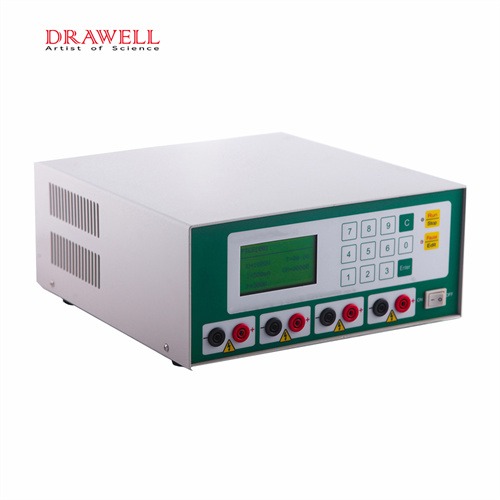
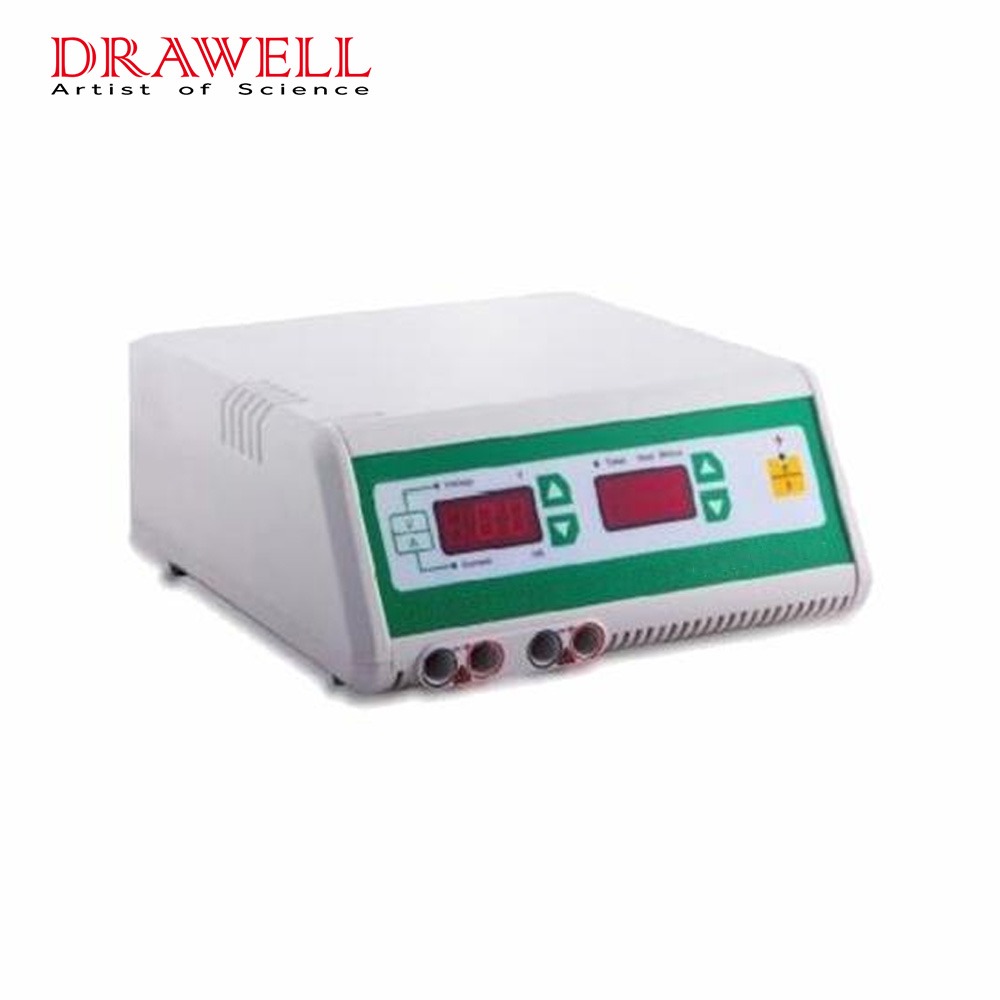
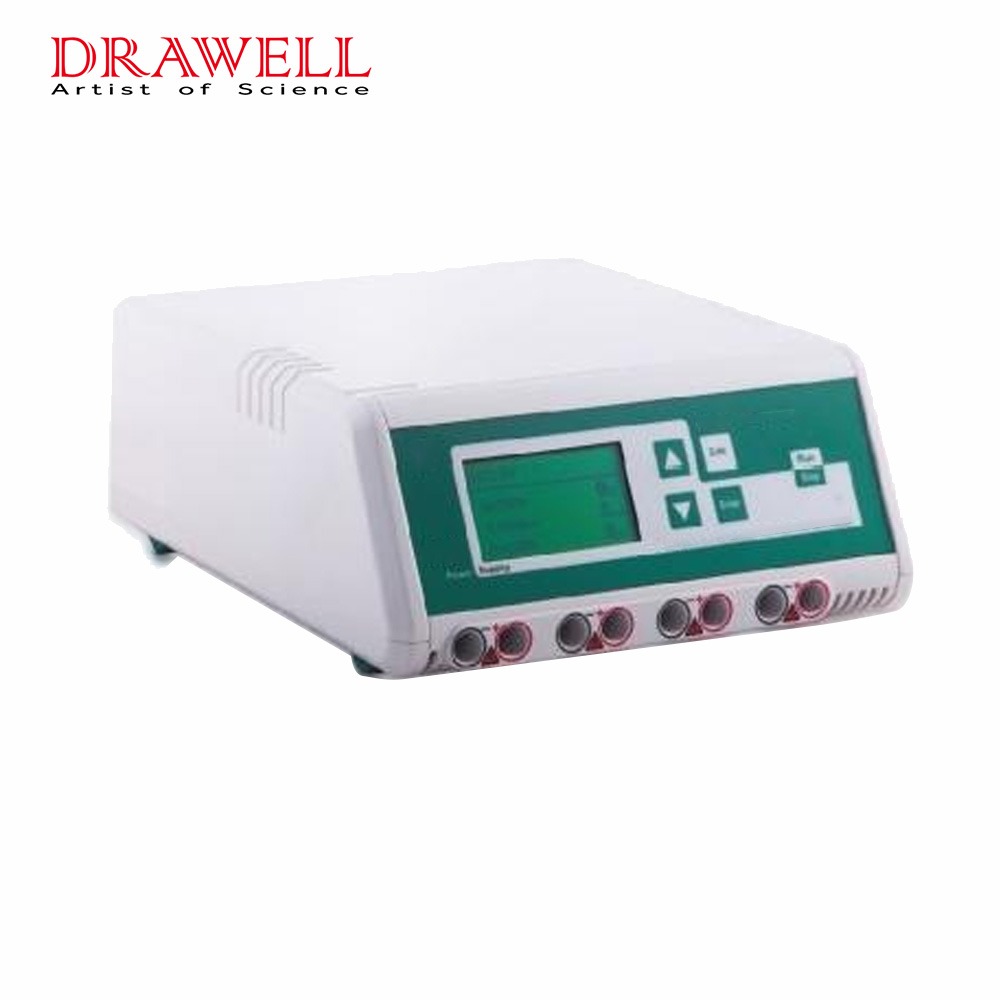
In most cases, the issue is procedural, not the electrophoresis unit itself. However, investing in a stable and precise power supply, such as Drawell’s DW-EPS Series, can significantly improve consistency and resolution.
Q8. Can vertical and horizontal electrophoresis systems share the same power supply?
Yes — most modern electrophoresis power supplies are universal and compatible with both system types, as long as the voltage and current ranges match your equipment specifications.
For example:
A supply capable of 20–300V and 400mA can power both a small SDS-PAGE and an agarose gel system.
However, always verify connector types and safety interlocks before use. Drawell supplies multi-output power units that can run two gels simultaneously, improving laboratory efficiency.
Choose the System That Fits Your Science
The decision between a vertical and horizontal gel electrophoresis system ultimately depends on your lab’s focus — proteins or nucleic acids, high precision or high throughput, research-grade or teaching-level work.
At Drawell Analytical, we design electrophoresis systems that combine precision, durability, and user safety, supporting laboratories worldwide in achieving accurate, reproducible separations. Feel free to contact us for your needs.
Whether you’re establishing a new lab or upgrading your existing equipment, choosing the right electrophoresis system means investing in reliability — and in the quality of your results.
Related Products Recommendation
Get Quote Here!
Latest Posts
What Next?
For more information, or to arrange an equipment demonstration, please visit our dedicated Product Homepage or contact one of our Product Managers.


