


Polymerase Chain Reaction (PCR) is one of the major molecular biology techniques people use today in science and medicine. It is a lab method that lets researchers crank out millions, or even billions, of copies of a specific DNA sequence starting with only a tiny sample. And because PCR can amplify genetic material so quickly, it has slowly turned into a necessary tool in medical diagnostics, genetic investigations, biotechnology, forensic work, and many other fields.
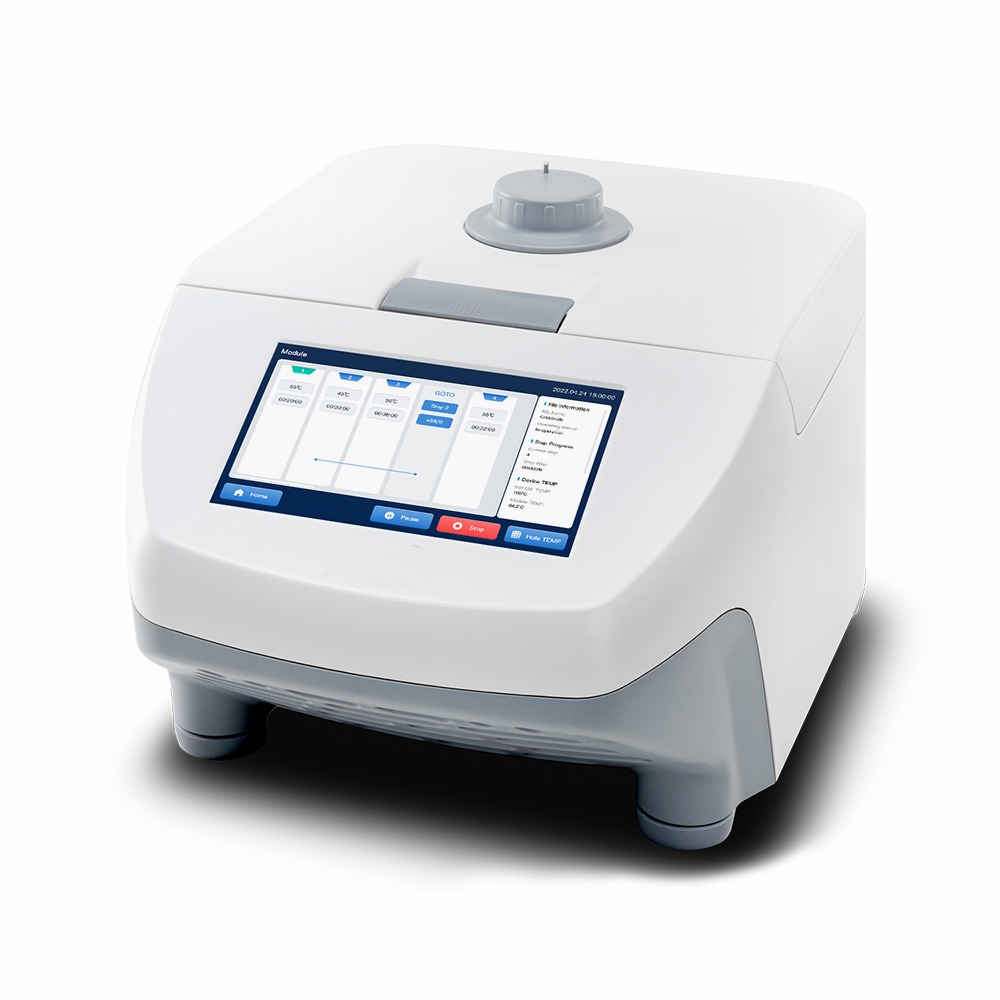
Understanding the PCR Technology
PCR is basically a method built to amplify chosen segments of DNA. The workflow depends on a few key ingredients, like template DNA, primers, DNA polymerase enzymes, and nucleotides. With a series of repeated cycles that heat things up ,and then cools them down, PCR first separates the DNA strands, then lets primers latch onto specific regions, and after that DNA polymerase builds brand new DNA copies.
One important enzyme in PCR is Taq polymerase, it’s a heat-resistant DNA polymerase that was first taken from bacteria that survive in very hot places. That trait, meaning it can stay working during high-temperature rounds, makes it especially good for repeated DNA amplification.
The key PCR working process usually goes through three main phases :
- Denaturation: Heating splits double-stranded DNA into two single strands.
- Annealing: Primers attach to the particular DNA sequences scientists aim to copy.
- Extension: DNA polymerase adds nucleotides so new DNA strands can form
When those steps are repeated a lot of times, PCR ends up producing a large quantity of DNA from a very small starting sample, almost like turning little input into big output.
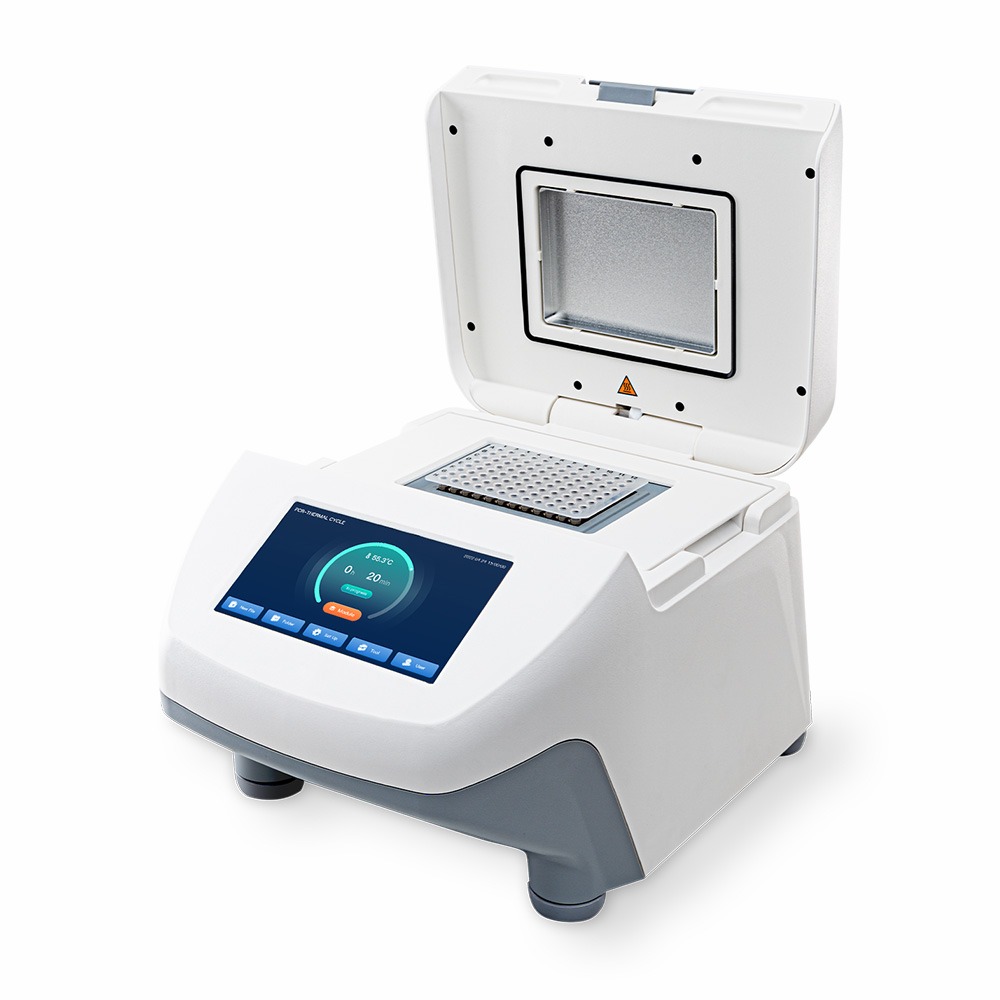
Main Applications of Polymerase Chain Reaction (PCR)
1. Medical Diagnosis and Disease Detection
One of the most important applications of PCR is medical diagnosis. PCR technology lets healthcare professionals to pinpoint genetic material from viruses, bacteria, and other microorganisms even when they show up in tiny amounts. That high sensitivity makes PCR particularly useful for catching infectious diseases early on, before symptoms become obvious.
PCR-based diagnostic tests are commonly used to spot respiratory infections, bacterial diseases and viral infections. By targeting particular DNA or RNA patterns linked to pathogens, PCR can deliver precise outcomes and support doctors in making better treatment decisions. During outbreaks, PCR testing becomes critical for tracking transmission, verifying infections, and also strengthening public health actions.
Beyond the realm of infectious disease detection, PCR is also applied in cancer research and diagnosis, and there it becomes a bit more involved. Researchers can assess genetic mutations linked to distinct cancers, so clinicians get a clearer picture of tumor traits and they can pick more suitable treatment paths. PCR-based approaches aid personalized medicine too, because medical professionals are able to inspect individual genetic differences, then design targeted therapies accordingly.
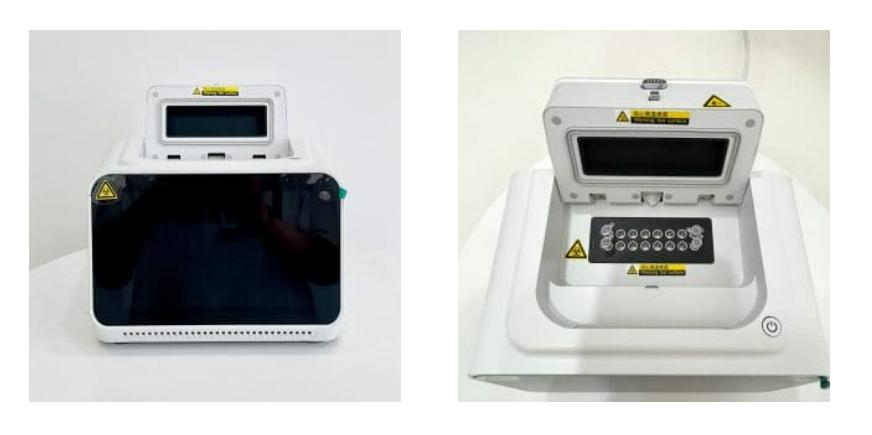
2. Genetic Research
PCR has really widened what scientists can do when it comes to studying genes and genetic information. In a lot of studies, only a tiny amount of DNA is on hand, so direct inspection becomes difficult. PCR handles this by amplifying selected DNA segments, and it generates sufficient genetic material for additional analysis, which makes follow-up work much easier.
Researchers use PCR to dig into gene functions, explore genetic variations, parse DNA mutations, and even prep materials for DNA sequencing. In practice it is a key method in many molecular biology labs, because it gives a fairly straightforward and efficient way to look at chosen pieces of the genome.
PCR also feeds into studies of inherited diseases. Scientists can apply PCR to spot genetic changes tied to specific disorders and to understand more clearly how those changes show up in human health. This kind of knowledge supports better disease detection, prevention strategies, and also guides the design of future treatment development.
3. Genetic Testing and Personalized Medicine
Genetic testing leans on PCR a lot, since it enables accurate inspection of particular DNA sequences. When genetic markers are examined, PCR helps flag inherited conditions, detect mutations linked with disease, and provide useful insights about someone’s genetic profile.
In personalized medicine, PCR helps doctors see how a patient’s genes may influence their response to particular medications or treatments. This method lets healthcare providers choose therapies that tend to work better and also lowers the chance of unwanted reactions happening. As genetic medicine keeps evolving PCR stays an important tool for examining patient-specific genetic details.
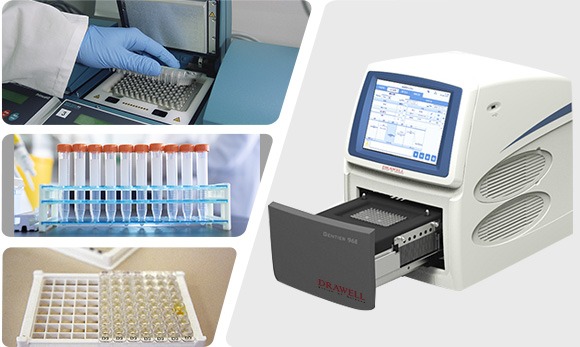
4. Forensic Science
PCR has changed forensic science, it makes DNA analysis possible even when only very small biological samples are on hand. Material gathered at crime scenes, like hair, skin cells, or tiny biological leftovers, usually includes limited DNA. PCR can amplify those samples so the DNA can then be examined and matched.
Forensic labs use PCR to make DNA profiles that can assist with pinpointing people, figuring out biological links, and probing criminal matters. The strong accuracy, plus the sensitivity of PCR-based DNA work, makes it one of the most useful technologies for current forensic investigations.
PCR also finds use in naming unknown human remains and for assisting disaster victim identification. Scientists can compare the DNA that gets amplified with reference samples, and in that way help establish identities when traditional identification methods do not do the job well enough, or fail to work at all.
5. Biotechnology and Pharmaceutical Research
Biotech and pharmaceutical companies rely on PCR across lots of research and development tasks. With PCR, researchers can create copies of particular genes and examine what those genes do, a key step for creating new medicines, vaccines, and various biological products.
In genetic engineering, PCR is used to prepare DNA fragments for cloning and further modification. The researchers can amplify desired genetic sequences and then insert them into biological systems, for more study. This whole process supports the making of advanced therapies, such as gene-based treatments and recombinant biological products.
PCR also shows up in vaccine research, because it helps scientists examine genetic materials from pathogens, and evaluate changes in microbial genomes. Because PCR can identify and reproduce genetic sequences quickly, it becomes a key technology in contemporary biotechnology.
6. Environmental and Food Safety Testing
PCR technology is not only for medicine and lab work. It is also used in environmental monitoring and in food safety tasks. Scientists apply PCR to find microorganisms, determine species, and scrutinize biological samples that come from many different environments.
In the food sector, PCR helps to pinpoint dangerous bacteria and check food quality, in a way that feels pretty fast. It can spot contamination from microorganisms that may trigger foodborne illnesses, and that lets producers, together with regulators tighten up safety standards.
Environmental researchers also use PCR, for ecosystems and microbial tracking. They look at DNA samples from soil, water, and other surroundings, and they try to understand how ecosystems shift over time, as well as follow biological activity. In the end, it supports measuring biodiversity, not just surface observations.

Different Types of PCR and Their Uses
Several types of PCR have been developed to meet different research and diagnostic needs.
| Type of PCR | How It Works | Common Uses |
| Ordinary PCR | Amplifies specific DNA sequences and analyzes the final product after the reaction is complete. | DNA cloning, gene identification, basic molecular biology research, and DNA fragment analysis |
| Real-Time PCR (qPCR) | Monitors DNA amplification during each PCR cycle and measures the amount of genetic material in real time. | Pathogen detection, gene expression analysis, cancer research, and quantitative DNA measurement |
| Reverse Transcription PCR (RT-PCR) | Converts RNA into complementary DNA (cDNA) before amplification. | RNA virus detection, studying gene expression, and analyzing RNA-based biological processes |
| Digital PCR (dPCR) | Divides a sample into thousands of small reactions to provide highly accurate DNA quantification. | Rare mutation detection, genetic testing, cancer monitoring, and precise DNA measurement |
| Multiplex PCR | Uses multiple primer pairs in one reaction to amplify several DNA targets at the same time. | Detecting multiple pathogens, genetic screening, and complex DNA analysis |
| Nested PCR | Uses two sets of primers in two consecutive PCR reactions to improve specificity and sensitivity. | Detecting low-abundance DNA samples, microbial identification, and difficult genetic analysis |
| Hot-Start PCR | Uses specially designed enzymes or activation methods to reduce unwanted DNA amplification before the reaction begins. | Improving PCR accuracy, reducing non-specific products, and enhancing research reliability |
| Allele-Specific PCR | Uses primers designed to identify specific genetic variations or mutations. | Genetic disease diagnosis, SNP analysis, and personalized medicine research |
| Long-Range PCR | Amplifies very long DNA fragments that are difficult to copy using standard PCR methods. | Genome studies, large gene analysis, and genetic engineering |

Final Words
The Polymerase Chain Reaction(PCR) is a powerful molecular biology technique that is used to amplify and then analyze DNA. People apply it across medical diagnosis, genetic testing, forensics investigations, biotechnology work and environmental studies. With PCR, scientists can deal with tiny amounts of genetic material quickly and in a pretty accurate way, so it has transformed modern science. It keeps playing an important part in advancing healthcare, research and technology.
Get Quote Here!
Latest Posts



What Next?
For more information, or to arrange an equipment demonstration, please visit our dedicated Product Homepage or contact one of our Product Managers.


