


In the ER, a nurse gets a complete blood gas and electrolyte report from a bedside analyzer just two minutes after drawing blood; meanwhile, in the central lab upstairs, a large-scale analyzer is silently and efficiently processing nearly a hundred samples from across the hospital.
The demands for electrolyte testing vary dramatically across these clinical scenes. Choosing the wrong equipment can mean wasted precious minutes during rescue, unstable data for monitoring, or unnecessary costs in daily operations.
This article will take you through the Emergency Department, the ICU, and the Central Laboratory, analyze their unique needs, and help you find the most matching electrolyte testing solution.
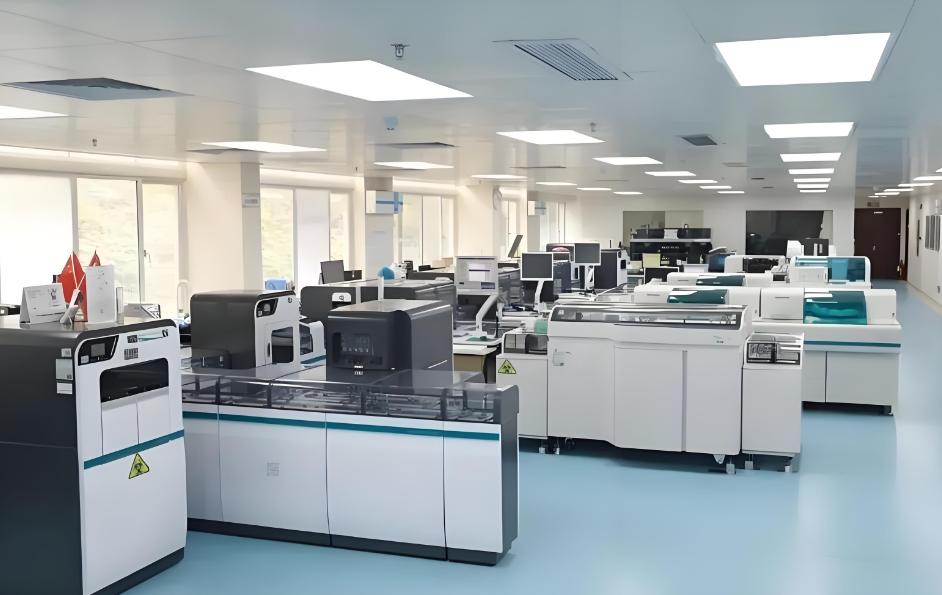
ER: Speed Comes First—Fast Results That Are “Good Enough”
In the Emergency Room, every minute is directly tied to a patient’s survival. There is no room for “wait a moment.” The core demand for electrolyte testing here can be summed up as: results must be “fast enough and sufficient.”
When a diabetic patient with altered consciousness or a severely dehydrated child with diarrhea is brought in, doctors need to instantly determine if there is a life-threatening electrolyte imbalance (like hypernatremia or severe hypokalemia) and acid-base disturbance.
Therefore, the ER almost invariably opts for Point-of-Care Testing (POCT) devices. The primary goal is to obtain the most critical life parameters within 2-5 minutes using the minimal amount of whole blood (sometimes just a drop).
Common Equipment Used in the ER
The ideal device for the ER is a portable or benchtop blood gas analyzer integrated with an electrolyte testing module. Such a device can provide a comprehensive set of results including pH, pO₂, pCO₂, Na⁺, K⁺, Cl⁻, ionized calcium (iCa), and even lactate and glucose from a single blood sample. A consolidated report allows physicians to assess a patient’s respiratory function, metabolic status, and ionic balance at a glance, providing “one-stop” decision support for rapid triage and emergency intervention.
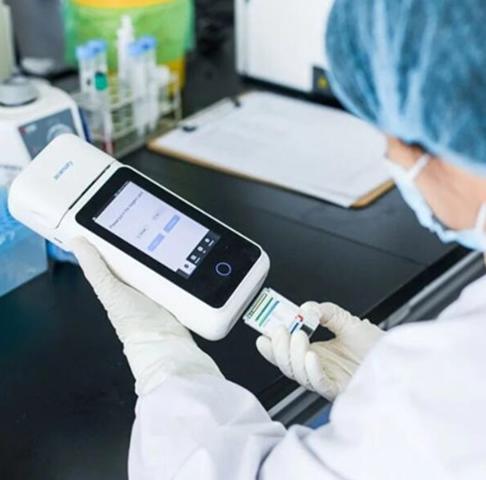
So, what is unsuitable for the ER? Traditional large fully automatic biochemistry analyzers and dedicated flame photometers are clearly not appropriate. The former requires sample transport, centrifugation, and queuing, which takes too long; the latter involves cumbersome operation, requires combustible gas, and typically only measures a few elements like sodium and potassium, offering insufficient information dimensions for the ER’s need for rapid comprehensive assessment.
A modern ER’s standard setup often involves equipping multiple resuscitation bays and consultation rooms with such blood gas and electrolyte analyzers, ensuring an immediate response to critical situations anywhere.
ICU: Stability, Repeatability, and Continuous Monitoring Matter More
If the ER fights a “blitzkrieg,” then the ICU (Intensive Care Unit) fights a “war of attrition” that requires precise data. Here, patients are critically ill and their conditions change rapidly. The demand for electrolyte testing upgrades from “rapid initial screening” to “stable, repeatable, and continuous monitoring.”
The ICU’s pain point is that patients often require multiple tests daily to guide treatment, such as adjusting ventilator settings, evaluating potassium replacement efficacy, or monitoring renal function changes. Transporting samples not only delays therapy but also increases the risk for critically ill patients being moved from the monitored environment.
Therefore, bedside testing is the default choice for the ICU, with its core value being bringing the lab to the patient’s side. However, the ICU’s requirements for equipment are more stringent than the ER’s. It demands not only speed but also exceptional long-term stability and excellent repeatability, as minor result drift could lead to entirely opposite treatment decisions. The device must integrate seamlessly into the busy ICU workflow, with operation being extremely straightforward to reduce nursing staff burden and operational error.
Typical ICU Equipment Choices
Many high-level ICUs opt for more comprehensive, highly automated critical care blood gas and electrolyte analyzers. These devices often feature automated quality control, automatic calibration, reagent cooling, and robust data management systems.
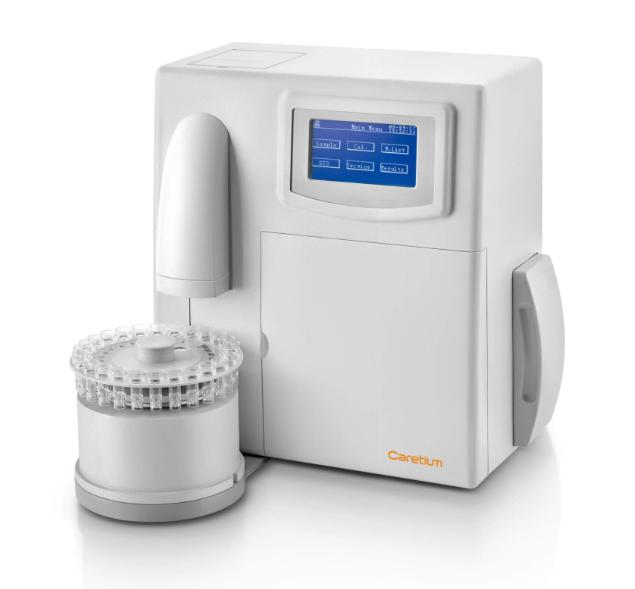
The role of the flame photometer in direct clinical testing in the modern ICU is very limited. Due to its complex operation, need for combustible gas, slower testing speed, and typical limitation to a few elements, it cannot handle the rapid, continuous monitoring required at the ICU bedside.
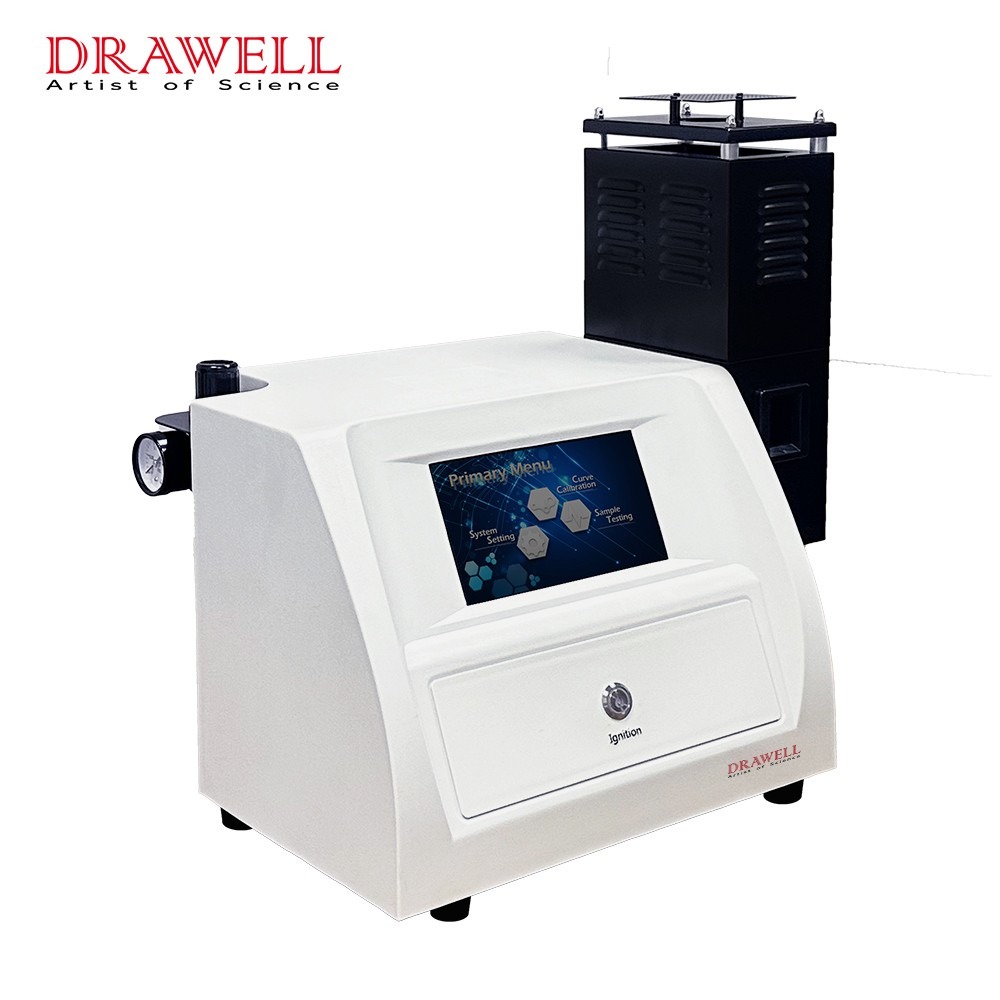
However, it hasn’t completely exited the stage. As a classic, highly accurate method, the flame photometer is often used as a “reference standard” or “calibration verification tool” for other faster testing devices within the ICU. In scenarios where bedside device result drift is suspected or periodic methodology comparison is required, measurements from a flame photometer still hold significant value, ensuring the data foundation of the entire monitoring system is solid.
Central Lab: Balancing Throughput, Accuracy, and Cost
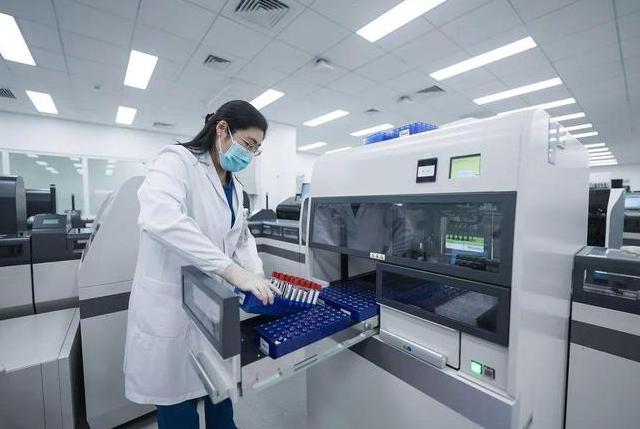
The Central Laboratory is the “heart” and “brain” of a hospital’s testing work, processing a massive volume of samples from outpatient, emergency, and inpatient departments. Here, the core drivers for electrolyte testing are high throughput, high precision, and stringent cost control.
The lab faces not a few critical samples but hundreds or even thousands of routine serum and plasma samples daily. Efficiency is the primary productivity factor. This means equipment must be able to run in batches, automatically, and uninterrupted, while minimizing the reagent, consumable, and labor cost per test.
Typical Lab Equipment Combinations
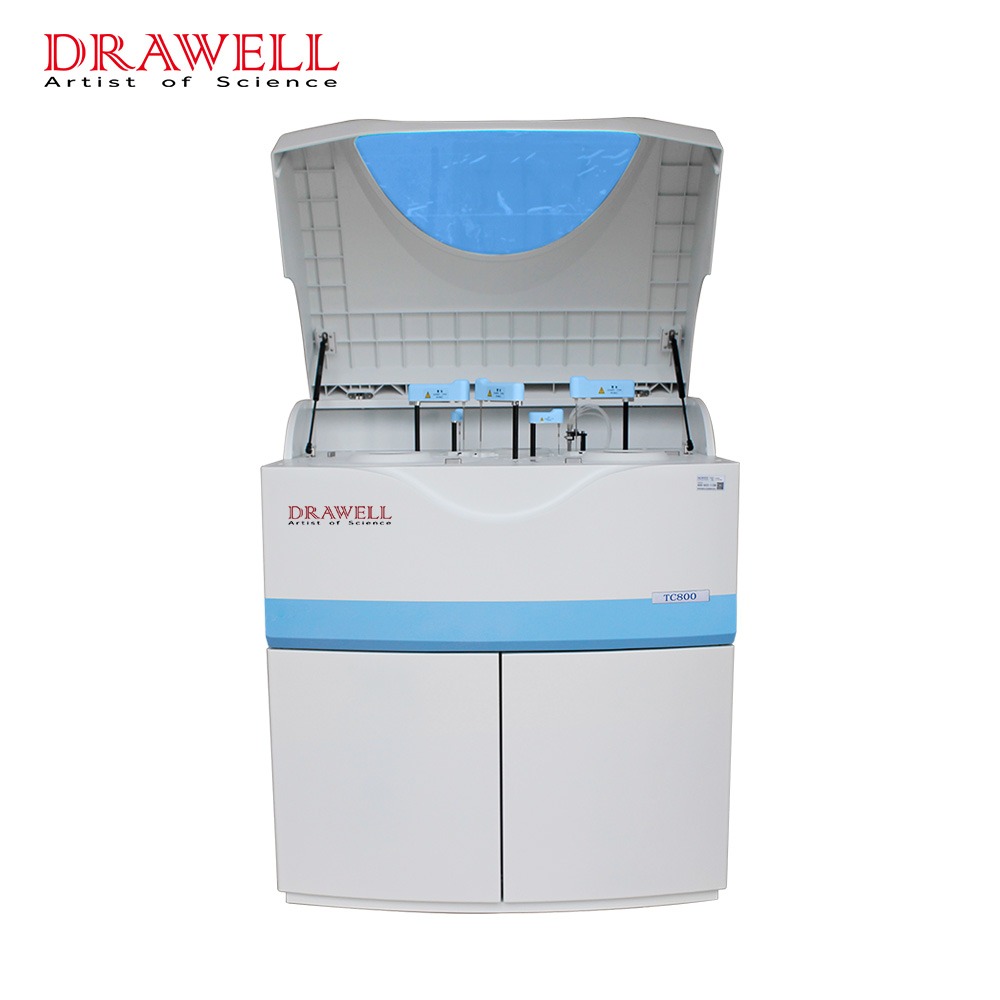
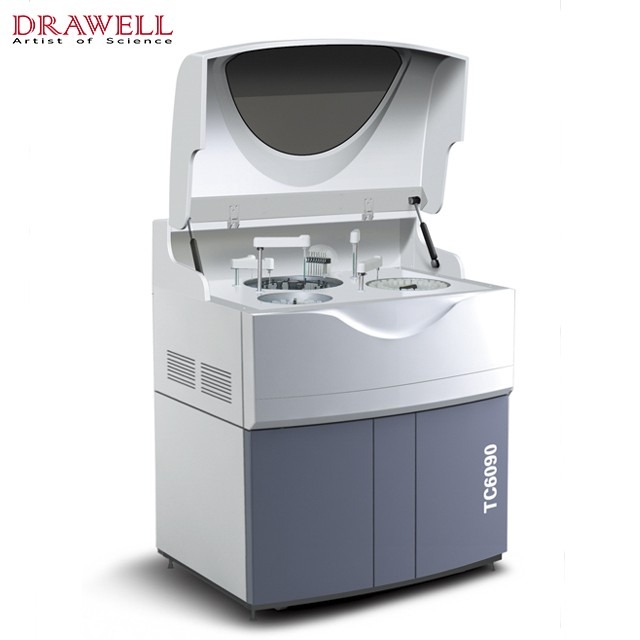
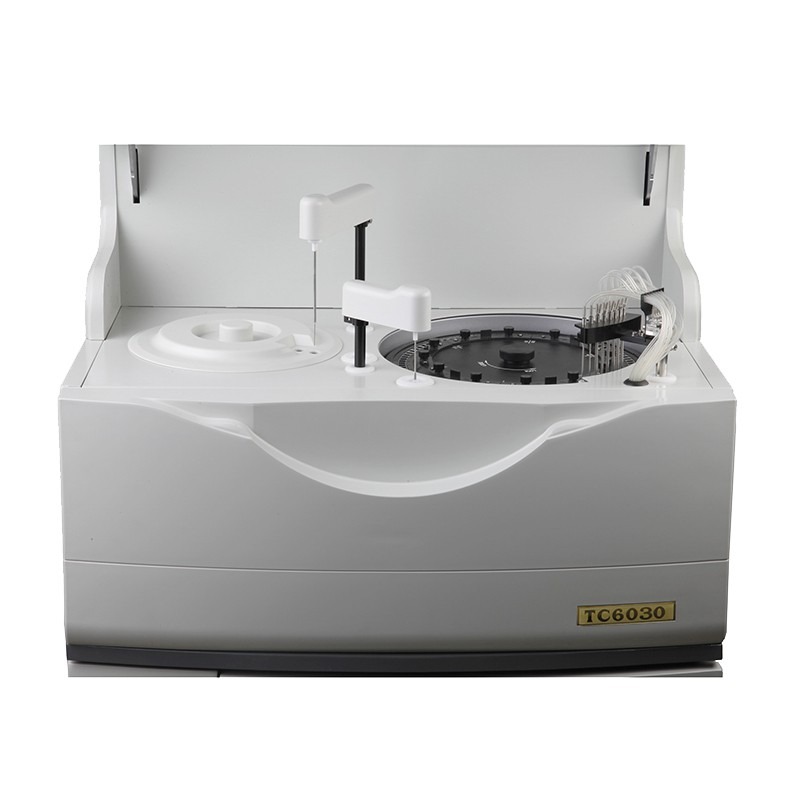
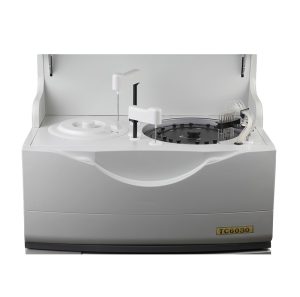
To meet this demand, large fully automatic biochemistry analyzers are the absolute mainstream. These behemoths often integrate Ion-Selective Electrode (ISE) modules, capable of performing high-speed electrolyte analysis simultaneously with dozens of other biochemistry tests (like liver function, kidney function, glucose, lipids). For central laboratories pursuing ultimate efficiency and cost control, Drawell’s fully automatic biochemistry analyzers provide electrolyte analysis capabilities suitable for large-scale testing demands.

In the central lab, the role of the flame photometer has also transformed. It is no longer the mainstay for routine testing but retains value in certain specific scenarios: for example, as a reference instrument for methodological verification, or for measuring sodium/potassium in certain special samples (like urine, dialysate).
When selecting equipment, lab managers focus not only on the purchase price but also on the Total Cost of Ownership (TCO) — including reagent costs, daily calibration consumption, maintenance frequency, throughput limits, and compatibility with the Laboratory Information System. A stable, efficient, low-operational-cost fully automatic biochemistry analyzer is key to ensuring the lab runs economically and effectively in the long term.
Choosing the Right Equipment for Each Clinical Setting
Through the analysis above, we see the distinct demand spectra of the ER, ICU, and Lab. To facilitate intuitive comparison and decision-making, we have condensed the core needs and configuration recommendations for the three scenarios into the following table:
| Scene | Core Need & Characteristics | Primary Configuration | Key Rationale & Device Requirements |
| Emergency Room (ER) | Speed is absolutely priority: Unknown, critical condition. Need key indicators within minutes for triage & rescue. | Integrated Blood Gas & Electrolyte Analyzer | Rationale: One report provides blood gas, electrolytes, lactate & other core life parameters, supporting clinical decision-making in seconds. |
| Requirements: Fast start-up, extremely simple operation, stable results, easy maintenance. | |||
| Intensive Care Unit (ICU) | Continuous Monitoring & Data Stability: Requires ongoing, dynamic vital sign monitoring for critical patients. Results must be highly reliable. | Dedicated Bedside Blood Gas & Electrolyte Analyzer | Rationale: Enables true bedside testing, avoids sample transport risks, allows real-time tracking of treatment (e.g., K+ supplementation). |
| Requirements: High stability & repeatability, automated QC, robust data management, seamless HIS/LIS integration. | |||
| Central Laboratory (Lab) | Batch Processing & Cost Efficiency: Handles massive routine samples hospital-wide. Pursues high throughput, low cost-per-test & standardized workflow. | Large Fully Automatic Biochemistry Analyzer (with ISE module) | Rationale: Batch, fully automatic testing for electrolytes & dozens of other biochemistry items. Maximizes overall efficiency, minimizes per-sample cost. |
| Requirements: Very high throughput, exceptional long-term stability, complete QC system, low operational consumption. |
Selecting electrolyte testing equipment is never about finding a “jack-of-all-trades” champion, but about matching the right “specialized tool” to different clinical missions.
In summary, the key is to ask three questions:
- How fast do you need the result? (Speed)
- How frequently and how reliably do you need it? (Quality)
- How many samples do you need to process? (Volume).
The ER answers “Right now,” the ICU answers “Continuously and it must be accurate,” and the Central Lab answers “In large volumes, accurately, and economically.” Once these are clear, your selection path becomes evident.
In practical terms, many hospitals operate a hybrid setup, where bedside analyzers serve urgent needs while flame photometers and biochemistry analyzers anchor the laboratory’s routine electrolyte testing.
As a supplier of analytical instruments, Drawell can meet your diverse equipment procurement needs. Please feel free to contact us if you have any requirements.
Related Products Recommendation
Get Quote Here!
Latest Posts

What Next?
For more information, or to arrange an equipment demonstration, please visit our dedicated Product Homepage or contact one of our Product Managers.


