



Blog
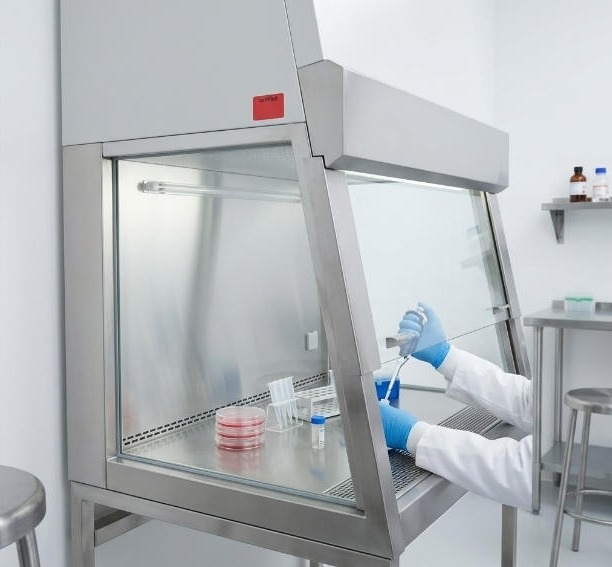
Standards for Biosafety Cabinets: From BSL-1 to BSL-4
Biosafety cabinets (BSCs) are critical laboratory equipment meant to protect the people working there, the lab materials, and also the surrounding environment from exposure to potentially hazardous biological agents. Their use ends up being tied to Biosafety Levels (BSL), meaning each laboratory…
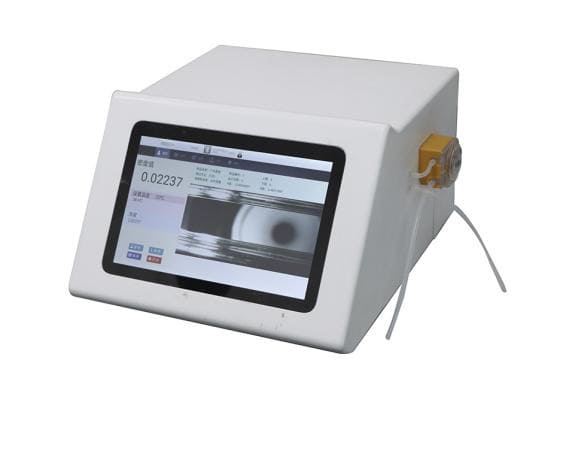
Density Meters: Principle and Types
Density, sort of one of the most important physical properties, gets used a lot to help identify, characterize, and keep an eye on the overall quality of materials. Basically, it shows how the mass of a substance lines up with…
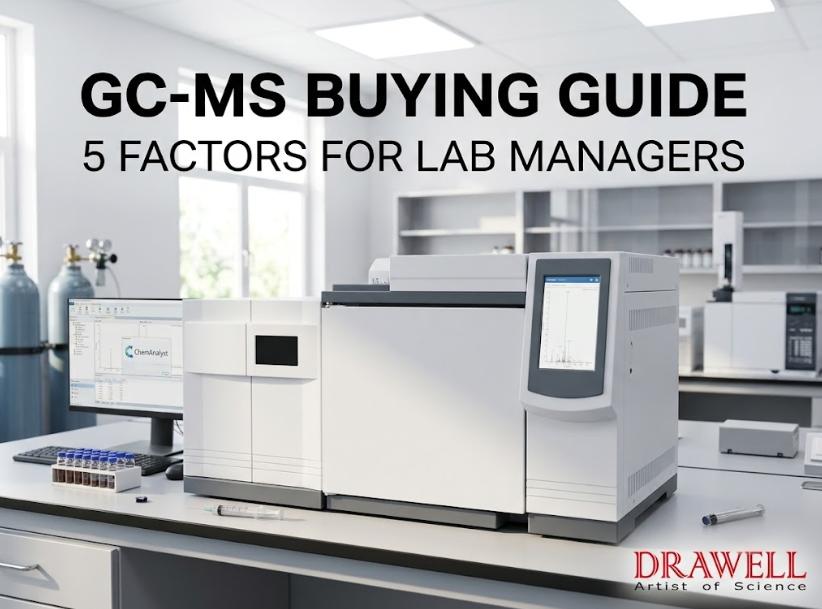
Buying a GC-MS? 5 Factors Every Lab Manager Must Know
Let’s face it—adding a Gas Chromatography-Mass Spectrometry (GC-MS) system to your lab is a big deal. It’s the ultimate combo tool: the gas chromatograph separates your complex mixtures, and the mass spectrometer tells you exactly what’s inside them. But let’s…
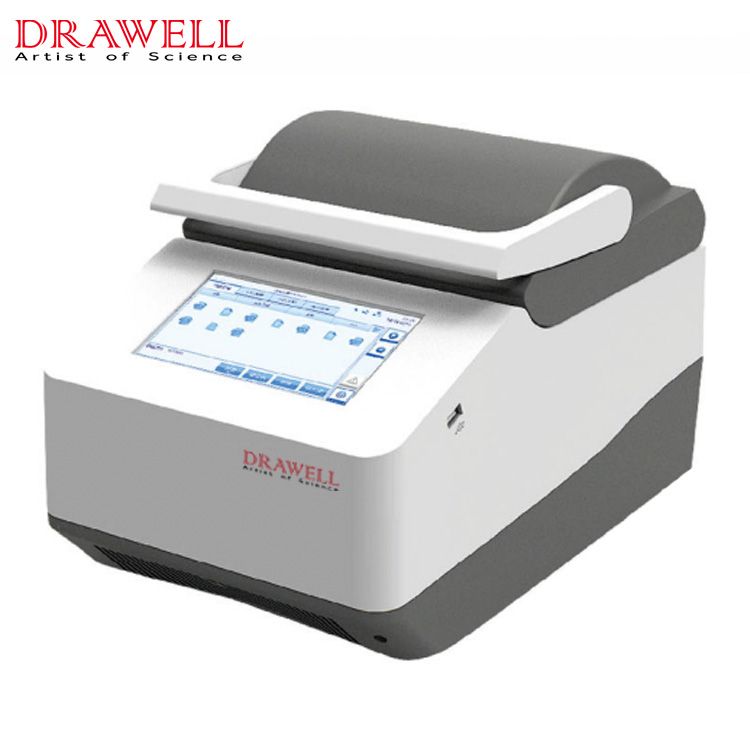
PCR vs. qPCR: How to Choose the Right Technique
Polymerase Chain Reaction (PCR) has become one of the most important molecular biology approaches for amplifying particular DNA stretches. Since its early development, PCR tools have changed a lot, so there are now more advanced options, like quantitative PCR (qPCR),…
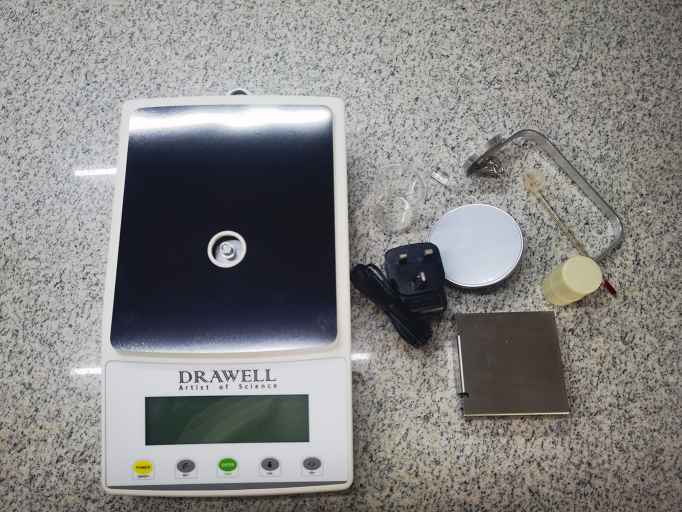
Top Density Measurement Instruments and Devices for Modern Laboratories
In high-stakes research and manufacturing, a tiny decimal-place error in fluid density can reject a pharmaceutical batch or halt a chemical production line. Density isn’t just a textbook formula—it is the ultimate indicator of material purity and quality control. Yet,…
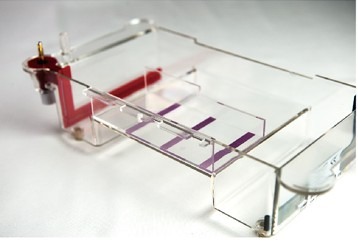
[Updated] Gel Electrophoresis Systems: Mechanisms, Types, and Troubleshooting
Have you ever stared at a blurry, “smiling” gel band at 8:00 PM in the lab, wondering whether it was your buffer, your voltage, or the instrument itself that failed? You are not alone. While a gel electrophoresis system is…
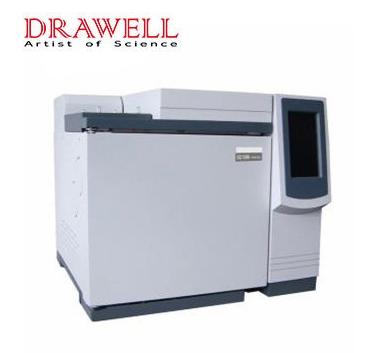
8 Key Components of a Gas Chromatography System
Gas chromatography is one of the most broadly used analytical approaches for separating and finding volatile along with semi-volatile compounds. It turns out to be pretty essential in environmental monitoring, pharmaceutical analysis, food safety testing, petrochemical work, and also in…
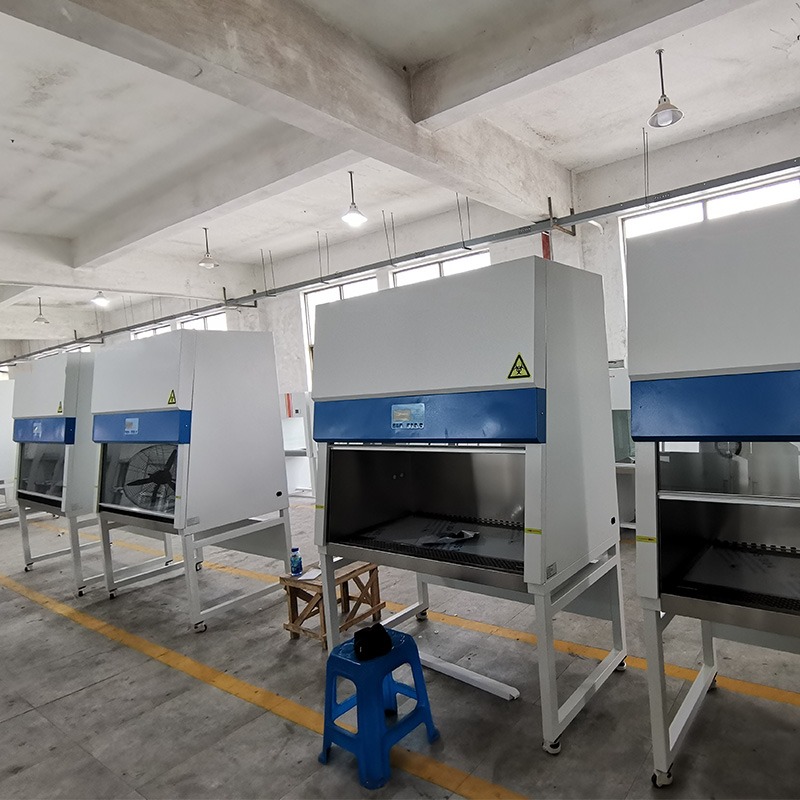
Comparing Class I, II, and III Biosafety Cabinets: Choosing the Right Type
Biosafety cabinets are categorized into Class I, II, and III, each offering different levels of protection and suitable for specific applications. Understanding the differences among these classes is essential for selecting the right biosafety cabinet for your laboratory’s needs. If you are setting up a…
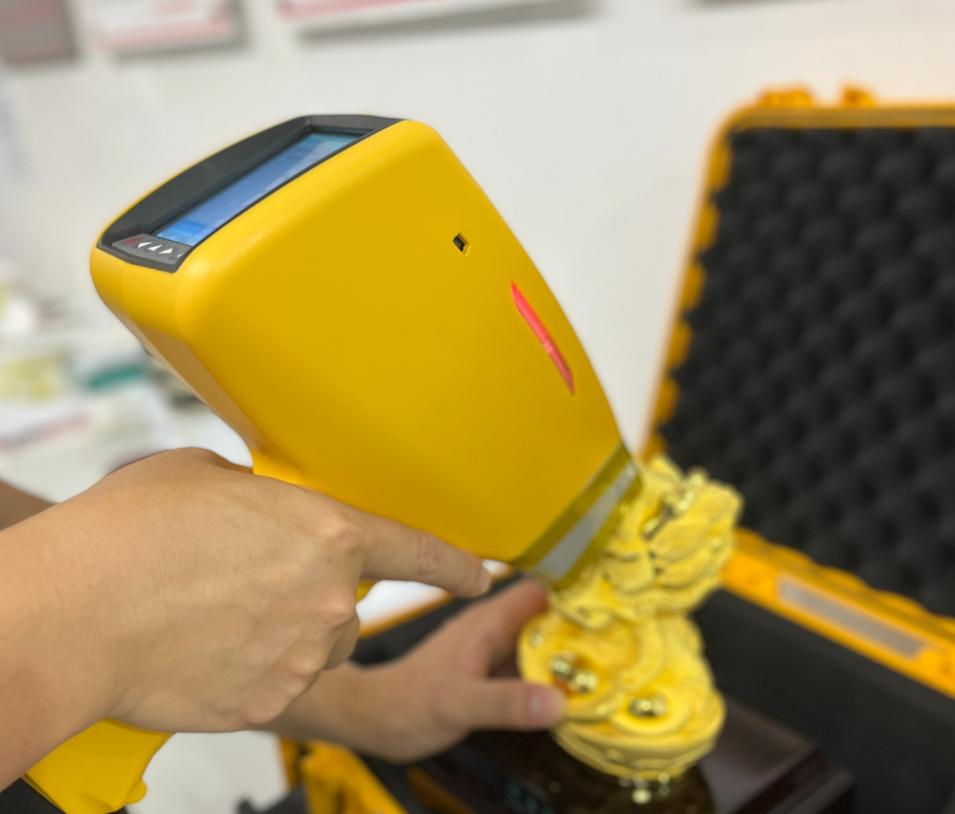
Is X-Ray Fluorescence Reliable For Gold Purity Analysis?
If you are running a pawn shop, managing a jewelry refinery, or handling precious metal recycling, one question keeps you up at night: Is this gold piece actually real, and exactly how pure is it? Making a mistake by even…
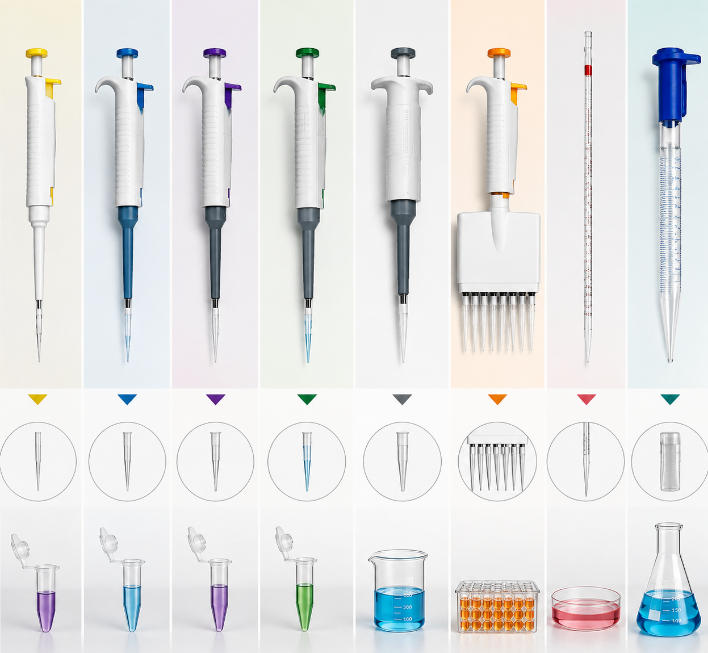
How to Choose the Right Lab Pipette for Different Volume Ranges
In modern laboratories, accurate liquid handling is essential for getting reliable results that are actually reproducible. Choosing the right pipette for the required volume range, directly affects precision, efficiency, and experimental success. And because in different applications you end up moving…
Browse by category:


