



Blog
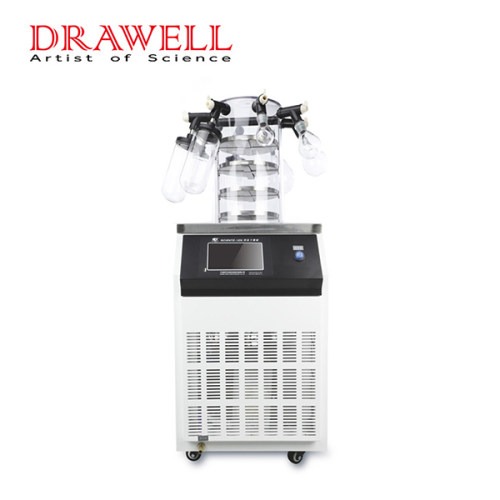
Spray Dryers vs. Freeze Dryers: When to Choose Each Method
Drying technologies play a kinda crucial role across industries like food processing and pharmaceuticals, chemicals and materials science too. Among the most used equipment you’ll run into spray dryers and freeze dryers. Even though both are trying to pull the…
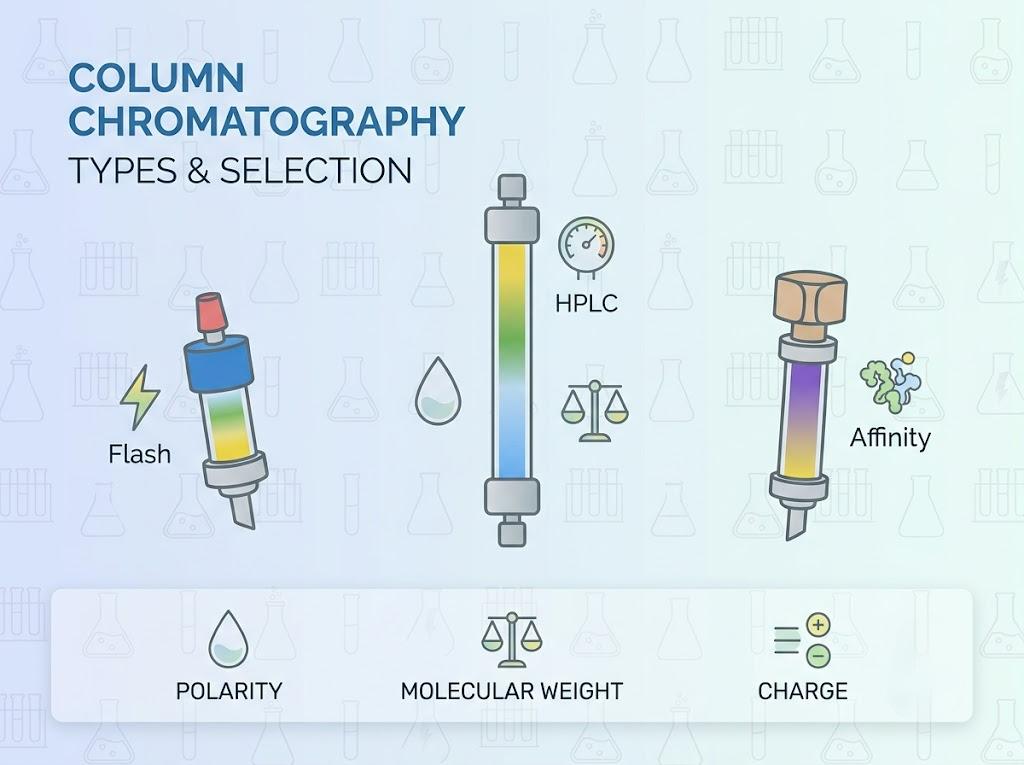
Column Chromatography – What are Different Types and How to Select the Right Method
Ever wondered how scientists pinpoint a single compound out of a messy, complex chemical mixture? In the discipline of chemistry, column chromatography is a versatile and commonly used separation process. It permits molecules to be separated, purified, and analyzed based…
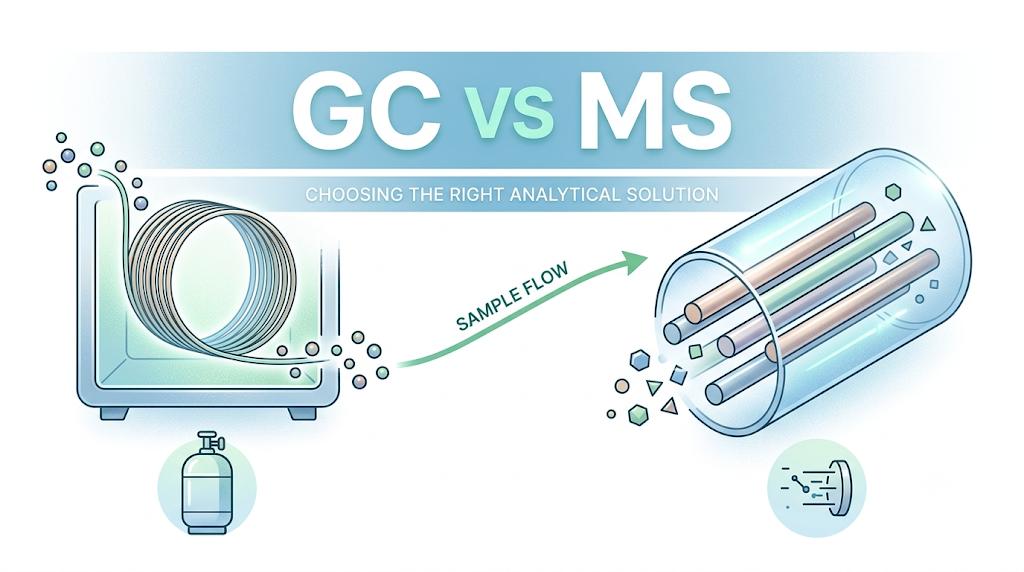
Gas Chromatography (GC) vs Mass Spectrometry (MS): Which is Right for Your Analysis
In the world of analytical chemistry, precision and accuracy are paramount. Researchers and scientists often find themselves at a crossroads when choosing the most suitable method for their analysis. Two popular techniques that frequently come into play are gas chromatography…
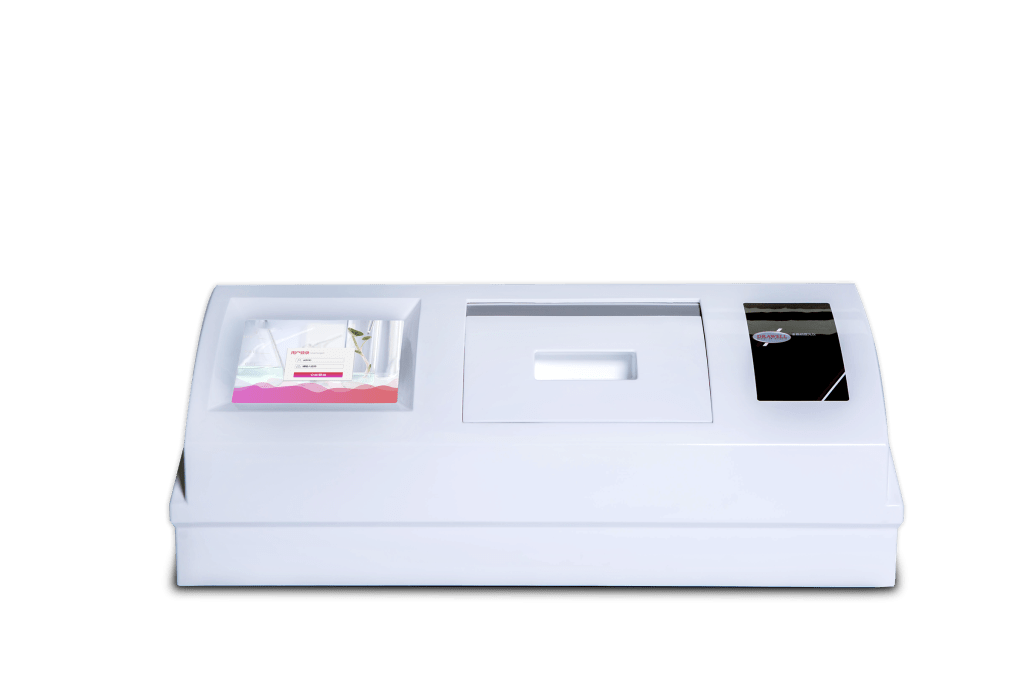
How to Use a Polarimeter
A polarimeter is an analytical instrument used to measure the optical twist of a substance. It works by sending plane-polarized light through a sample and then watching how far the light’s plane of polarization gets turned. You’ll see this kind…
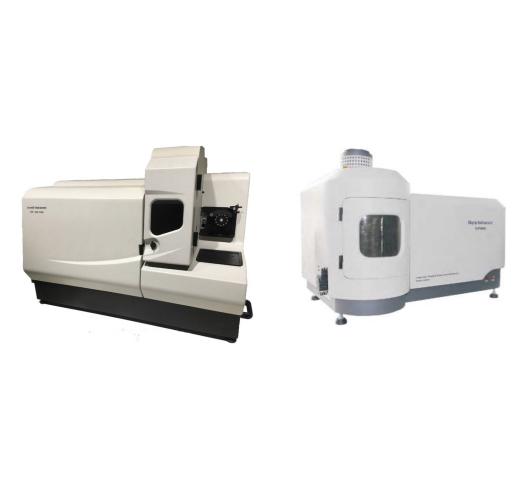
ICP-OES VS ICP-MS:7 Key Differences Analysis
If you are stepping into elemental analysis, you have likely run into a classic laboratory dilemma: ICP-OES vs. ICP-MS. Both are heavyweights in modern analytical chemistry, offering incredible insight into sample composition. However, picking the wrong technique can lead to…

Sample Preparation for AAS Analysis: Sample Types and How to Prepare
Ever wondered why your Atomic Absorption Spectroscopy (AAS) results occasionally drift, even when your instrument calibration is spot on? The truth is, your data is only as good as what you feed into the machine. As a widely used analytical…
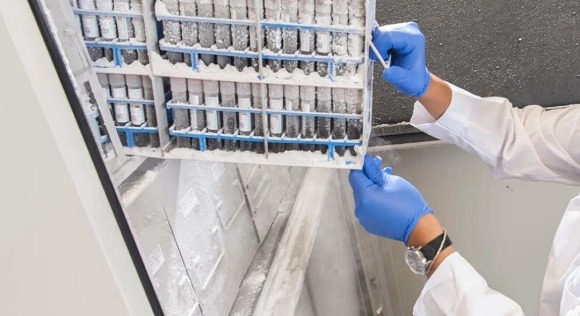
How Ultra-Low Temperature Freezers Work for Maintaining Sample Integrity
Ultra-Low Temperature (ULT) Freezers are a kind of specialized refrigeration system built to store biological sample lots, pharmaceuticals, vaccines, reagents, and other things that can’t handle temperature swings at extremely low levels, usually sitting somewhere around -40°C to -86°C. In…
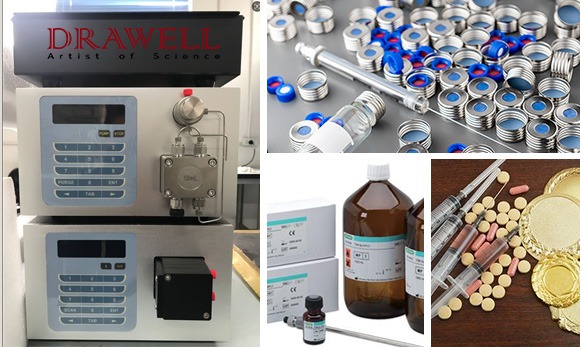
What are the Key Uses of HPLC? (2026 Updated Guidance)
Ever wonder how food testing labs catch trace contaminants before they hit supermarket shelves, or how pharmaceutical companies guarantee that every single tablet contains the exact life-saving dosage? The answer almost always boils down to one incredibly powerful technique: HPLC…

How to Select the Right Type of Laboratory Analytical Balance
Selecting the appropriate laboratory analytical balance is kind of a big deal for any lab that lives off exact mass readings. In places like pharmaceuticals, chemical analysis, food checks, or materials research, the dependability and accuracy of the analytical balance…

Why Pressure in HPLC is Crucial and How to Optimize?
Ever stood in front of your HPLC system, ready to run a critical batch of samples, only to be greeted by a screaming high-pressure alarm? If you have, you are definitely not alone. In the world of analytical chemistry, system…
Browse by category:


