


Lab pipettes are one of the most basic tools in scientific research, medical diagnostics, and industrial testing. The precision and accuracy of laboratory pipettes directly affects the outputs of an experiment, making the choice of pipette a critical decision for the laboratory professional. In recent years, electronic pipettes have been growing more and more popular among the traditional manual pipettes. When considering which may be the best tool for a particular application, it is essential that the differences, advantages, and limitations of each type are kept in sight.
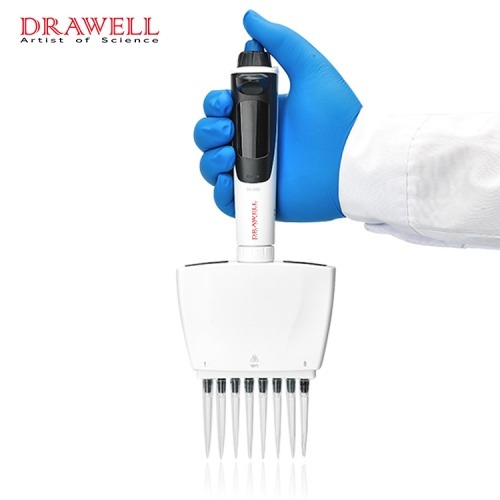
What are Electronic Lab Pipettes?
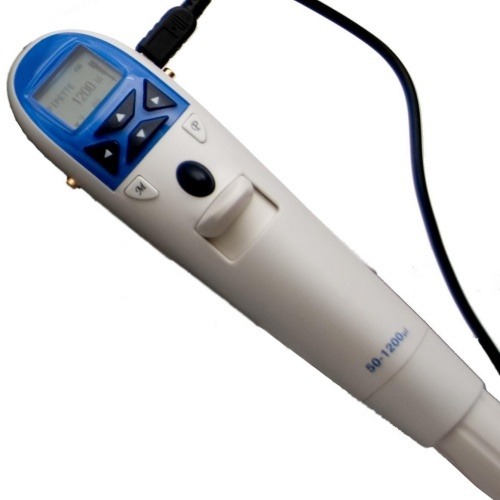
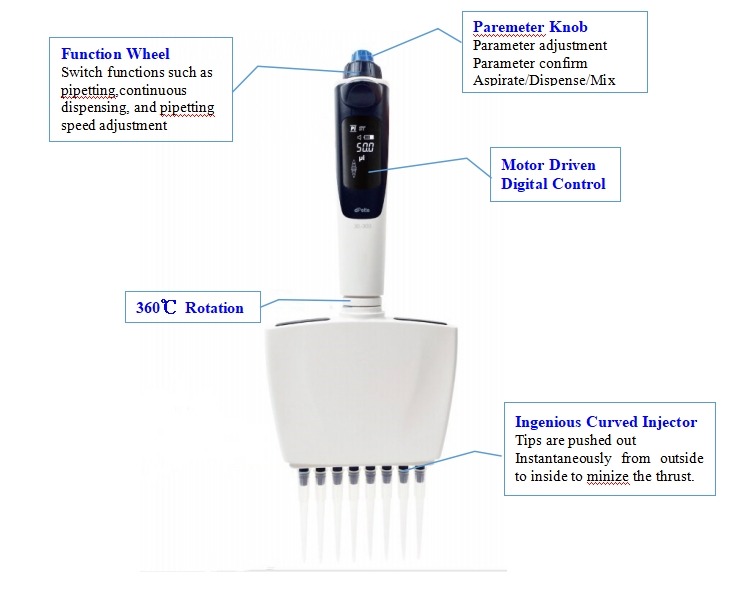
Electronic lab pipettes are battery-powered or rechargeable and are used to automatize liquid aspiration and dispensation. Unlike manual pipettes, which depend on the user’s hand strength and skills of dexterity, electronic agencies, with the use of motors and digital controls, can maintain an immobilized fluid handling regime, leading to enhanced consistency and reduced tedium for the user.
Advantages
- Precision and Accuracy: Despite being noticed for its ergonomic benefits in longer duration use, e-pipettes, with the reduction in physical exertion, demonstrate ease of manipulation from increasing depletion of force of gravity. At the same time through the examples above there’s practically nothing in terms of difficulty of using them.
- Reduced Hand Fatigue: Electronic cold electronic pipettes are designed to be small and lightweight-suitable even for lean hands. Nevertheless, they are diguided with a large, easy-to-read display that provides the user with real-time feedback of each operation.
- Programmable Functions: Many electronic pipettes come with programmable features, including multi-dispense, reverse pipetting, and mixing protocols. This versatility improves workflow efficiency and allows users to perform complex tasks with minimal effort.
- Speed and Efficiency: Electronic pipettes can dispense liquids faster and more consistently than manual pipettes, saving time in experiments that involve repetitive sampling or high-volume tasks.
- User-Friendly Interface: Digital displays and intuitive controls combined with electronic pipettes make them easier to operate, thereby shortening the training time required for new users and significantly reducing human error risks.
Limitations
- Higher Initial Cost: Electronic pipettes are generally pricier compared to manual ones, which can push labs of short budget thinking into a dilemma.
- Battery Dependence: The operation of electronic pipettes relies entirely on batteries or other rechargeable power which would require charging and could fail unexpectedly in the middle of an experiment.
- Maintenance Requirements: More electronics and motor components suggest that electronic pipettes require frequent mending, in a much more careful state for their advanced life than would be required for manual pipettes.
- Less Suitable for Some Simple Tasks: In some cases, manual pipettes will serve the task even though they are less costly, as compared to an electronic model that is unnecessary for some tasks that are simple and performed less frequent.

What are Manual Lab Pipettes?
Manual lab pipettes involve a user-carrying infusion of liquid into small tubes. They come in different variations, including single-channel pipettes, multi-channel pipettes, volumetric pipettes and adjustable pipettes depending on volume and experimental need.
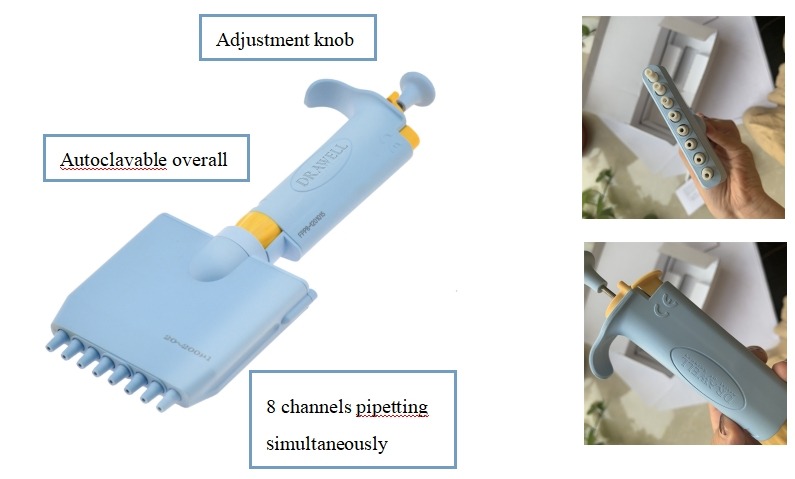
Advantages
- Cost-Effective: Manual pipettes are more affordable than electrical ones, making manual pipettes accessible to shamful labs framing for cost.
- Simple Operation: Simple degradable substances remained the advantage of manual pipettes, keeping it even to cognition by workers in proving themselves with equal skill as always concerning mechanical forniture to be recognized by electronic pipettes.
- Reliable and Durable: Manual pipettes are vastly superior as they come without the inherent downsides of batteries and electronics, which are usually inclined towards technical malfunctions in the absence of their safeguards. By constant care, there is now no need for electronic pipettes.
- Portability: Manual pipettes are lightweight and easy to carry around, making them suitable for fieldwork or situations with minimal bench space.
- Flexibility for Various Tasks: Manual pipettes are good for everyday tasks and also for conducting highly accurate measurements by a skilled operator; incorporating a wide tip range and accessories expands their usability.
.jpg)
Limitations
- Operator-Dependent Accuracy: The truth is manual pipetting is strictly operator-dependent, and this is where proper training is necessary. Fatigue or incorrect handling will lead to error, especially on a task where repetition or high volume comes into play.
- Hand Fatigue and Strain: Due to the manipulation involved towards aspiration and dispensing, elongate period usage of the manual pipette may cause discomfort or repetitive strain injury.
- Slower for High-Throughput Tasks: With their fully manual movement, many repetitive tasks require more time and manpower when compared to automated systems that electronic pipettes have.
- Limited Advanced Features: By contrast, manual pipettes do not offer programmable features, such as multi-dispensing or mixing programs to stall more complex workflow experiments.
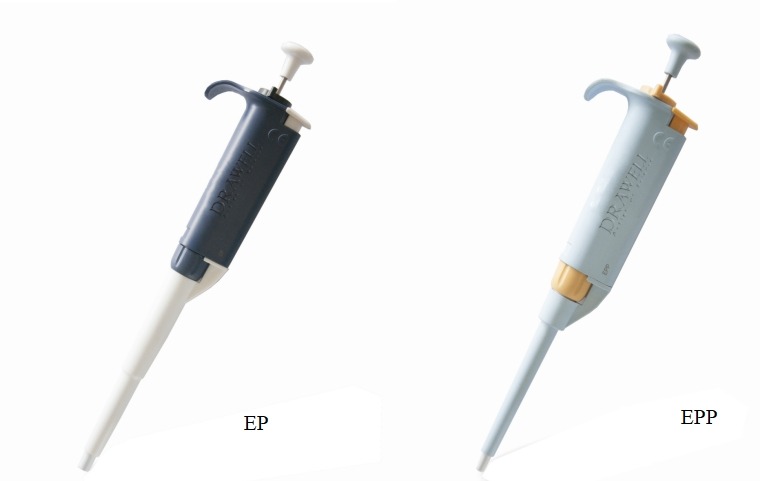
Key Differences Between Electronic and Manual Lab Pipettes
| Feature | Manual Pipettes | Electronic Pipettes |
| Operation | Hand-operated using plunger pressure | Motorized aspiration and dispensing |
| Precision and Accuracy | High when used carefully, but user-dependent | Consistently high, less affected by user variability |
| Ease of Use | Simple, straightforward | User-friendly with digital interface; programmable |
| Ergonomics | Can cause hand fatigue during repetitive use | Reduces strain and repetitive stress injuries |
| Speed and Efficiency | Slower for repetitive tasks | Faster for repetitive or high-throughput tasks |
| Flexibility | Limited to basic pipetting | Multiple dispensing modes and programmable protocols |
| Cost | Lower initial cost | Higher initial cost; ongoing battery/maintenance costs |
| Portability | Lightweight, portable | Bulkier; requires battery power |
| Maintenance | Minimal, mainly calibration | Requires battery management and occasional servicing |
| Best Use Case | Low-volume, occasional pipetting, field use | High-throughput labs, complex protocols, repetitive pipetting |

Key Considerations for Selecting Between Electronic and Manual Lab Pipettes
- Precision and Accuracy
Precision and accuracy are the primary concerns to evaluate while making the choice of a pipette. Manual pipettes can provide high precision in the hands of a skilled user; however, this will greatly vary due to human factors, such as hand fatigue and/or sloppy technique. On the other hand, the electronic pipettes ensure the uniform aspiration and dispensing motor control by the users, which render repetitive results across multiples of the same tests. For some instances, like molecular biology assays or clinical diagnostics, where reproducibility is a must, electronic pipettes give a considerable advantage.
2. Workload and Throughput
Volume and frequency of pipetting tasks are key determinants of which pipettes are most suitable: manual pipettes are best when a low volume or fewer perks are preferred and require no power; therefore, laboratories benefit greatly from automated pipettes when there are high-throughput operations. Automation allows the dispensing of largely repetitive manual motions, processes moved at higher speeds and accuracy across smart numbers of samples, making efficiency and productivity further enhanced.
3. Ergonomics and User Comfort
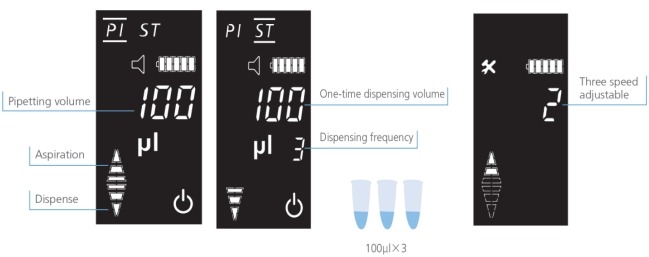
Pipetting repeatability over some years may end hand fatigue, tends to repetitive injury even; one must press the piston lever uniformly in manual pipettes (demand that the person endowed with the physical strength to press for as long as needed else gets another). In this respect, electronic pipettes mitigate the physical toll; this way, operations can be performed more comfortably over prolonged periods. In high-volume laboratories, user-tailored comfort is, in fact, likely to have a positive bearing on the health of its workforce while maintaining consistent pipetting performance.
4. Cost and Budget Considerations
In budget terms, the feature of cost often emerges as the major influencer when selecting a pipette. Manual pipettes are generally cheaper and require little maintenance, suitable for small laboratories or those with limited work culture and financial restraints. There is a high initial outlay with electronic pipettes and costs that may recur throughout their working life include battery changes and service. Laboratories, therefore, must decide whether the extra costs for electronic equipment justify its higher efficiency, ergonomics, and programmable functions.
5. Flexibility and Functionality
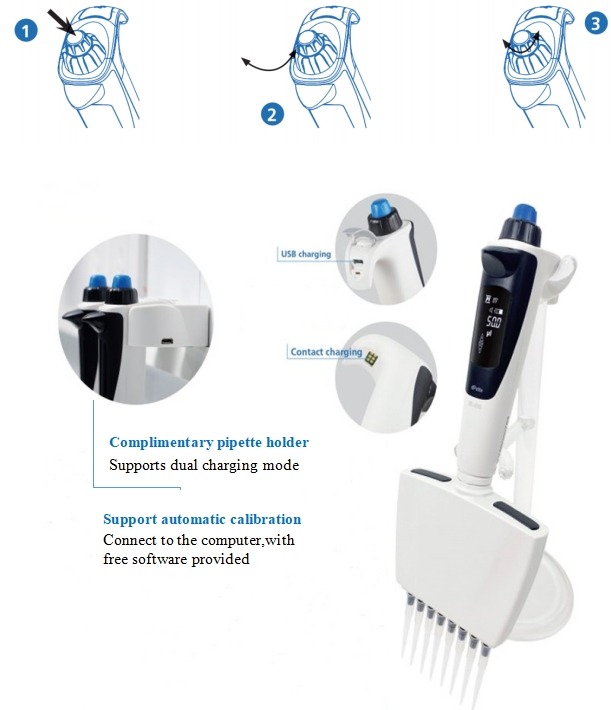
Requirements of one laboratory will differ from those of other laboratories. Manual pipettes are easy to use and consistent in performance for basic entities such as pipetting. The advanced version of electronic pipettes combines various parameters such as programmable dispensing modes, memory storage for repeating operations, and a stepwise dilution feature. These features make them highly compatible to carry out the most complicated and repetitive procedures that require precision and speed.
6. Maintenance and Durability
How well the instrument needs to be maintained and how much does it endure are the important issues for consideration. Manual pipettes are solid and hence less sensitive toward environmental factors, which translates into a need for lesser service. Electronic pipettes need to be maintained more frequently than the manual counterparts because of batteries needing a mentioned care, and electronic devices with a battery also requires special service. They also join things that are adversely affected by environmental factors, like moisture, temperature swings, and sometimes reckless falling off of the worktop, which should probably be taken into consideration in a few other laboratory setups.
7. Laboratory Environment and Portability
The physical frame of the laboratory plays a salient role in selecting the pipette. Manual pipettes get weight, portable, and are free from any need for power for their befitting use in field experiments or a portable laboratory. While electronic pipettes have numerous advantages in terms of functions they perform, they normally cumbersome and are powered by batteries; thus, they are not very efficient in places with controlled environments and staffed lab personnel.
Summary
- Electronic pipettes are ideal for high-throughput, precision-critical and ergonomically demanding applications
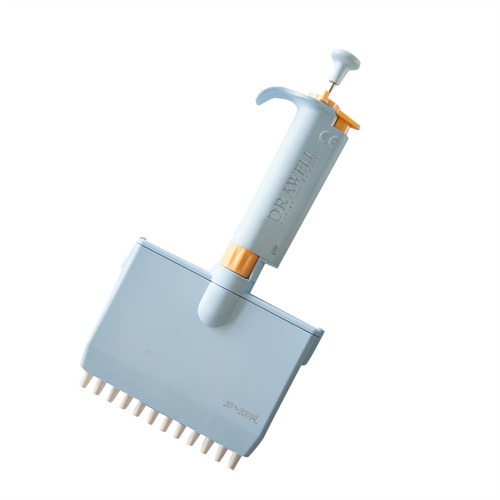
- Manual pipettes remain invaluable for their simplicity, durability, affordability and portability.
Final Words
Within modern laboratories, both manual and electronic pipettes have their pivotal functions. For making an assortment of the type of pipette that maximizes the efficiency and accuracy in their daily work usually boils down to a close follow on factors like workload, budget and required precision, etc.
What Next?
For more information, or to arrange an equipment demonstration, please visit our dedicated Product Homepage or contact one of our Product Managers.


