



Blog
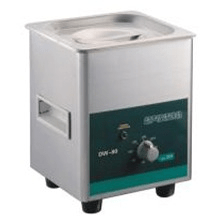
What Liquid to Use in Ultrasonic Cleaners: Common Types and Key Considerations
Ultrasonic cleaners show up in laboratories, workshops, medical facilities, and all kinds of industrial environments because they can sort of quickly loosen and remove dirt, grease, and other contaminants from delicate yet intricate items. One big thing that really affects…

Fake 304 Stainless Steel? How Spectrometers Reveal the Truth
A polished stainless steel surface can look convincing at first glance. But in real manufacturing and metal trading, appearance alone does not guarantee the material is genuine 304 stainless steel. In recent years, cases of lower-grade stainless steel being sold…
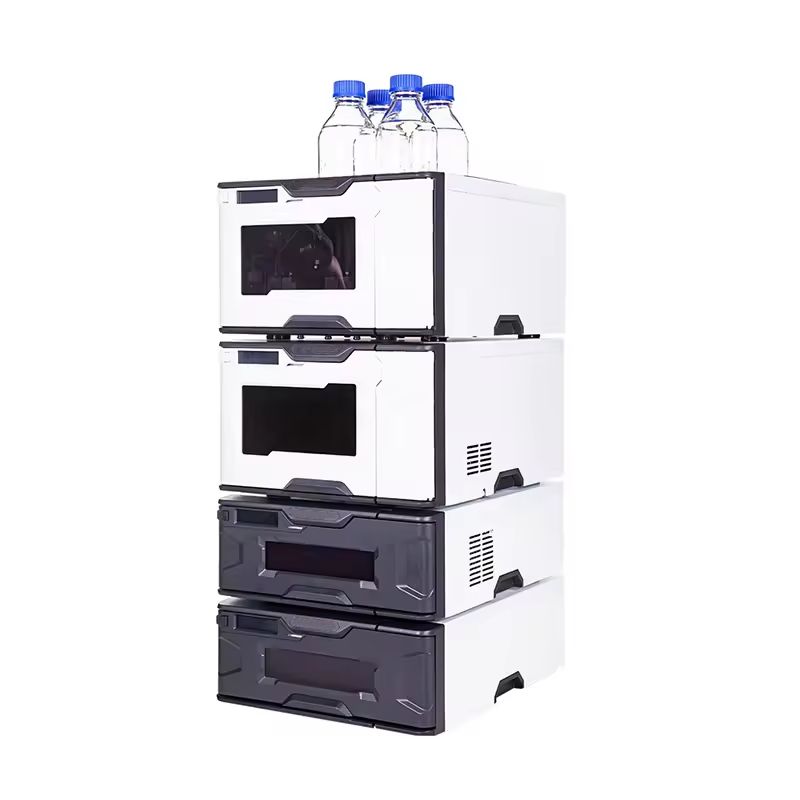
How to Choose a Suitable Type of HPLC System
High-Performance Liquid Chromatography (HPLC) allows for separating, recognizing, and measuring compounds that are mixed together pretty densely. But picking the right HPLC system isn’t really a one-size-fits-all kind of thing. The best choice depends on several details, from what the…
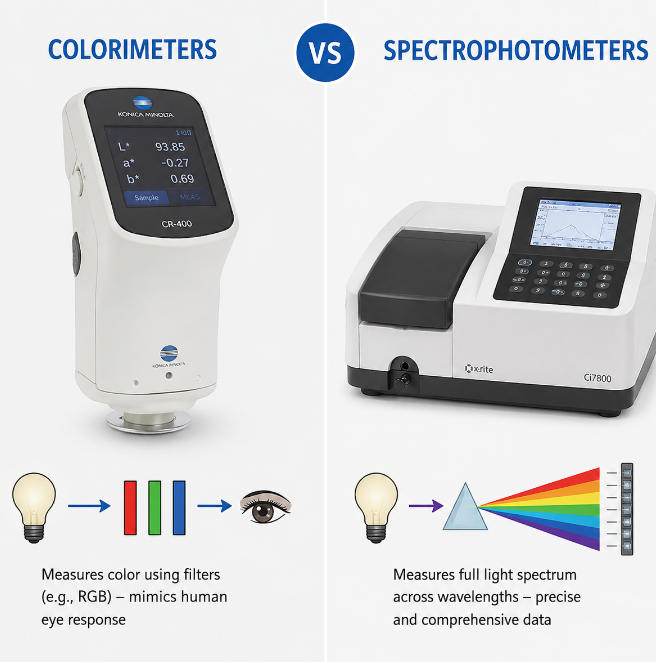
Colorimeters vs. Spectrophotometers: How to Make a Suitable Choice
Getting accurate color measurement is honestly critical for quality control, keeping product consistency steady, and making sure consumers are satisfied. Two of the instruments people use most often to figure out color are colorimeters and spectrophotometers. They both are meant…
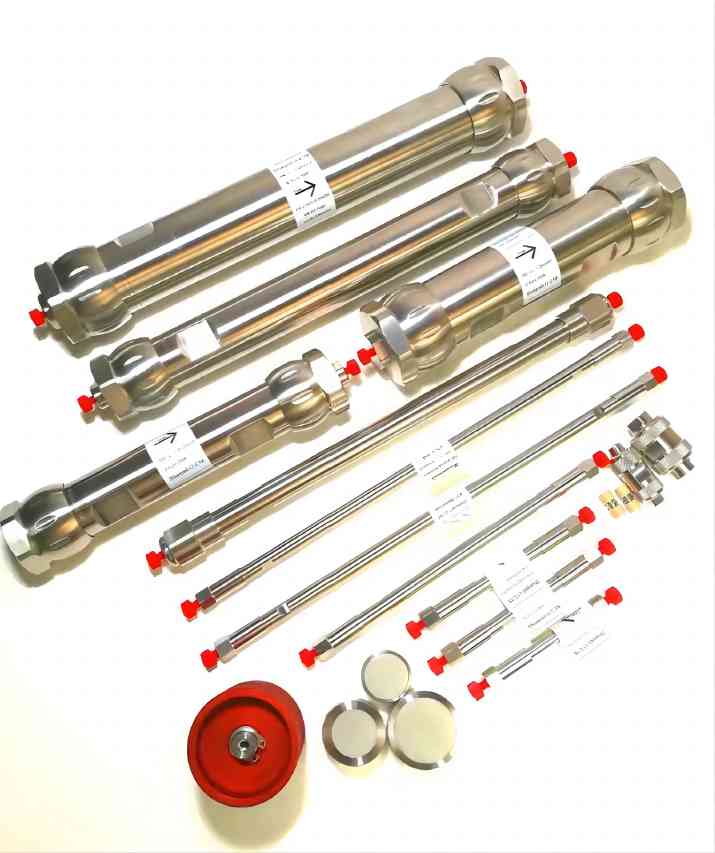
Gas Chromatography Columns: Types & Selection Tips
If you’ve ever run a Gas chromatography (GC) method, you know that the instrument itself is only as good as the column inside it. Think of the GC system as a high-powered race car; the column is the engine that…
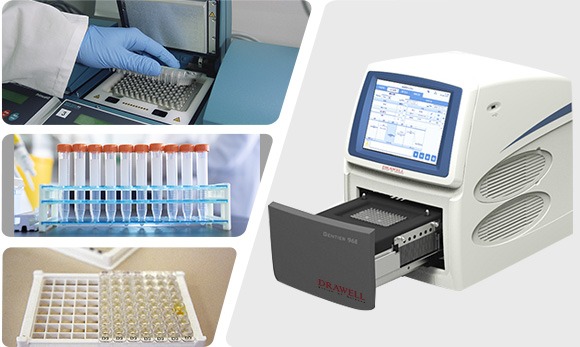
How Taq Polymerase is Used in PCR
Polymerase Chain Reaction (PCR) is a foundametal technique in molecular biology, letting scientists rapidly amplify certain DNA sequences. A critial part of that success is Taq polymerase, which is a DNA polymerase enzyme that people really like because it can…
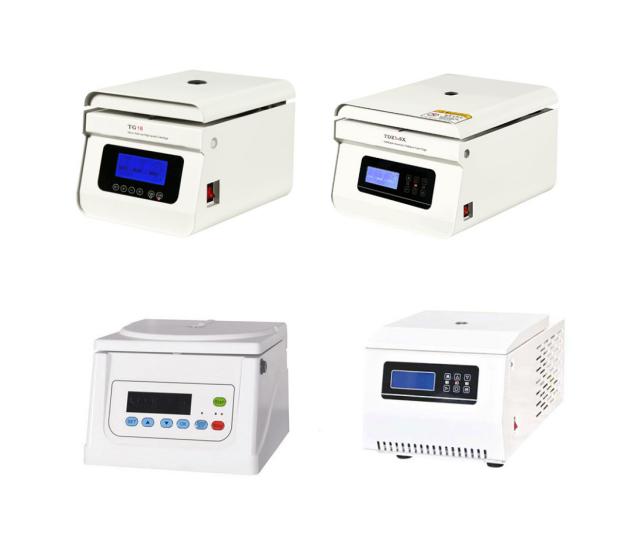
What are the Types of Centrifuges and Their Rotors (Selection & Comparison)
If a laboratory centrifuge is considered the engine of your separation workflow, then the rotor is the steering wheel. While the centrifuge body provides the raw rotational power and temperature controls, it is the rotor that dictates how your samples…
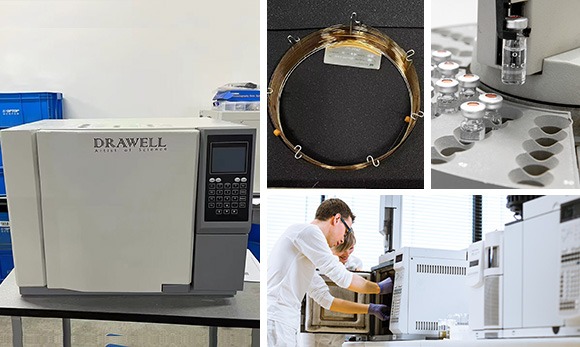
What are the 10 Key Applications of Gas Chromatography
Gas chromatography (GC) is a pretty versatile analytical technique, used to separate, identify, and quantify volatile along with semi-volatile compounds found in complicated mixtures. Because it’s extremely sensitive, accurate, and runs efficiently, GC has turned into an important tool in…
RO, DI and UV Technologies in Water Purification Systems
Water purification systems increasingly depend on multiple technological systems to reach their required water quality standards. The system uses Reverse Osmosis(RO), Deionization(DI) and Ultraviolet(UV) technologies as essential components to create ultrapure water. The right system selection for specific needs requires understanding…
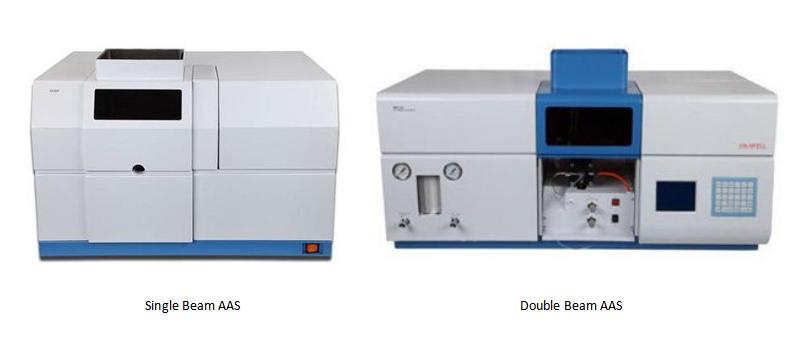
Single Beam vs. Double Beam Spectrophotometers: How to Make a Choice
A spectrophotometer is one of the most essential instruments in modern analytical chemistry. It is widely used to find out how much a chemical substance absorbs or transmits light at certain wavelengths. In this area, two primary optical designs are…
Browse by category:


