



Blog

How to Choose the Right Laboratory Glassware Washer
The selection process for laboratory glassware washers stands as an essential choice which determines cleaning efficiency, experimental accuracy and compliance with applicable regulations. Laboratories must evaluate their specific operational needs before selecting from the available models of lab glassware washers, each designed for…
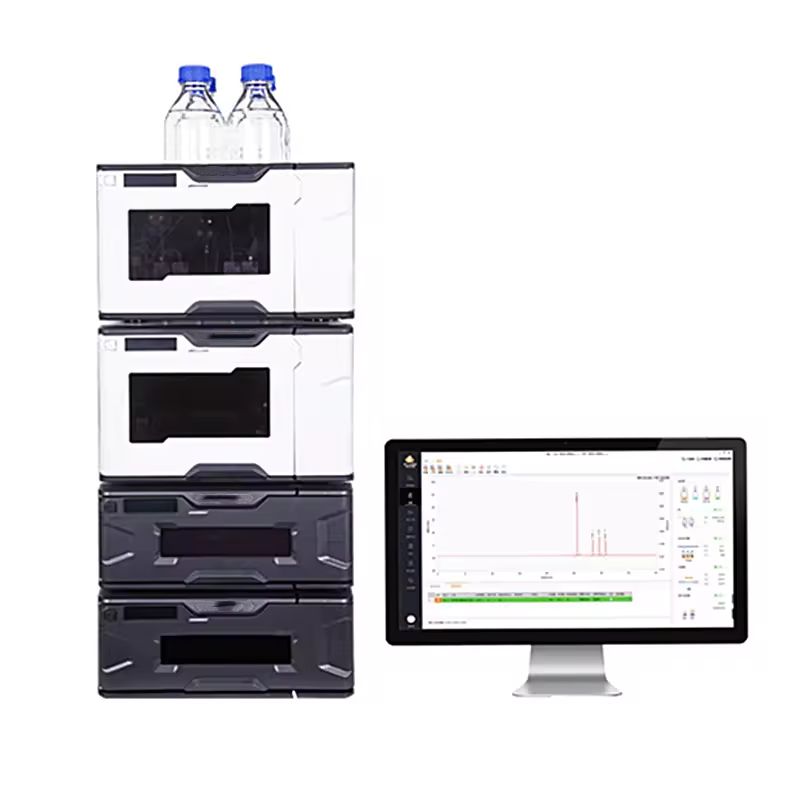
Sample Preparation for HPLC Analysis: Common Steps and Techniques
High-performance liquid chromatography (HPLC) stands as the most frequently employed analytical method across pharmaceutical and environmental and food and chemical and biological research laboratories. The method provides precise methods to separate different compounds from complicated mixtures while identifying each compound’s…
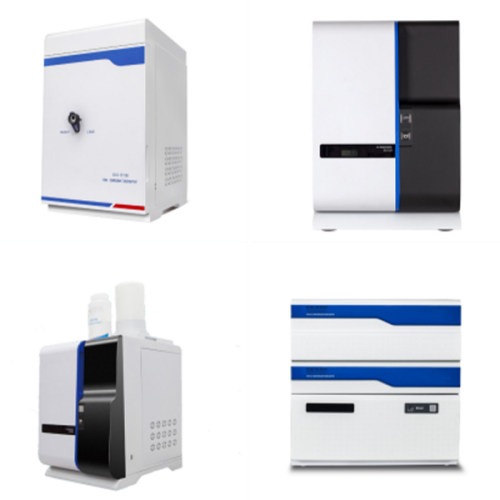
Qualitative and Quantitative Analysis in Chromatography: Processes and Techniques
Chromatography uses both qualitative and quantitative analysis to allow the detection of specific substances and the determination of their concentration. Understanding the analytical methods and mechanisms behind these processes is crucial in a host of applications in the pharmaceutical, environmental,…
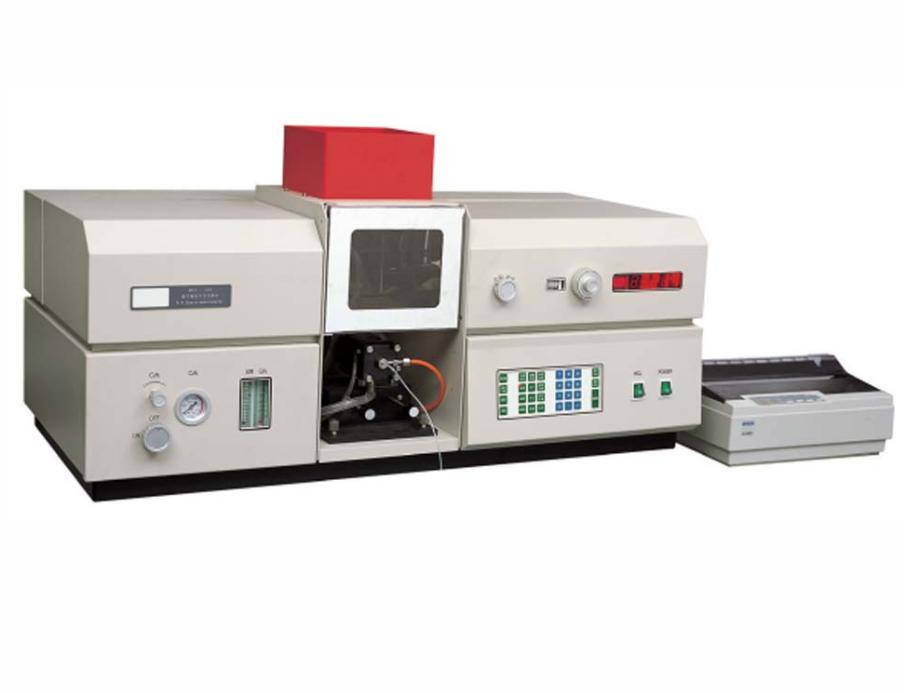
Flame Atomic Absorption Spectrophotometer(FAAS): Types of Flames and Different Applications
The Flame Atomic Absorption Spectrophotometer (FAAS) has established itself as a fundamental instrument used in analytical chemistry to perform fast and accurate trace metal analysis across different sample types. FAAS operates by measuring how free gas phase atoms absorb light…
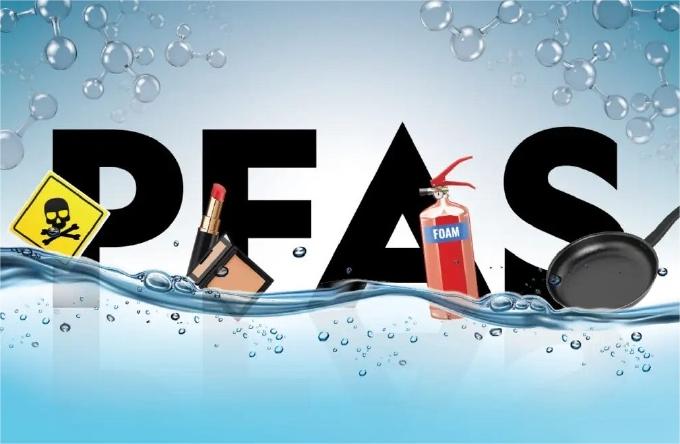
Flood of Forever Chemicals? Is Your Laboratory Ready for the Full 40-Compound PFAS Analysis?
You’ve seen the headlines. “Forever chemicals” are everywhere – in non-stick pans, waterproof jackets, food wrappers, and firefighting foam. That same chemical stability that makes them useful also allows them to travel. They move into groundwater, rivers, soil, and eventually…
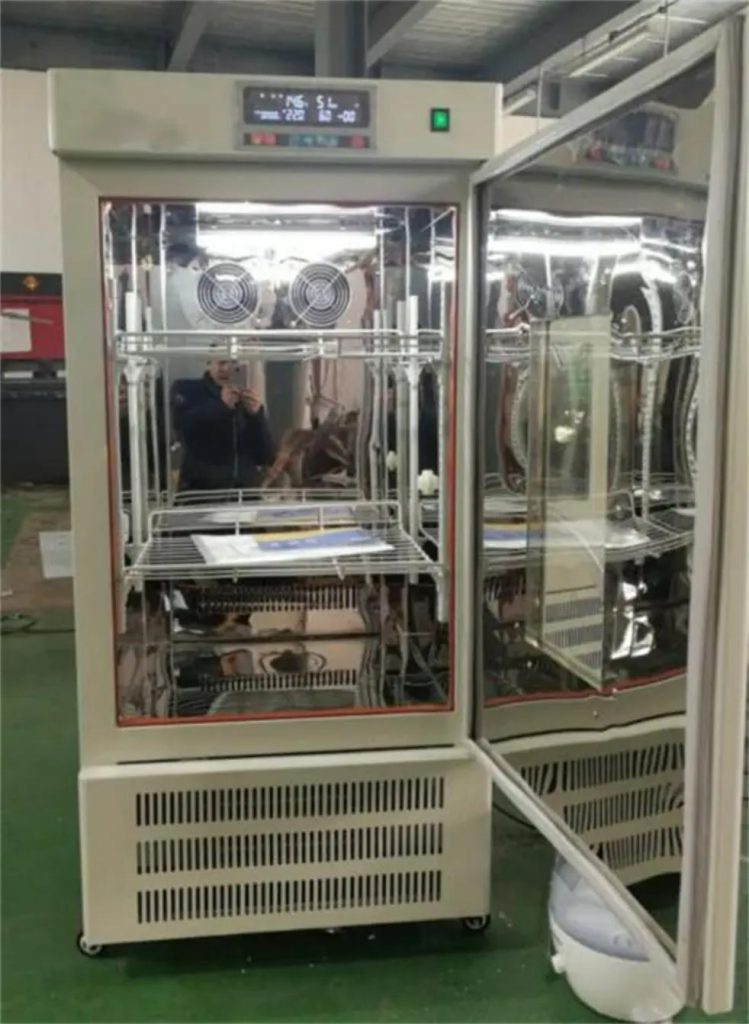
6 Common Illumination Incubator Problems and How to Fix Them
You set up your illumination incubator, dialed in the parameters, and walked away expecting perfect conditions. A few hours later, you come back — and nothing looks right. Maybe the temperature won‘t stabilize. Maybe the lights aren’t turning on. Or…

Probe vs. Bath Ultrasonic Homogenizers: Which System to Choose
Laboratories and industrial facilities use ultrasonic homogenizers to achieve particle size reduction, create emulsions, disrupt cells, produce dispersions, perform extractions and prepare samples. The systems generate high-frequency sound waves to produce cavitation bubbles in liquids which create violent bubbles that release…
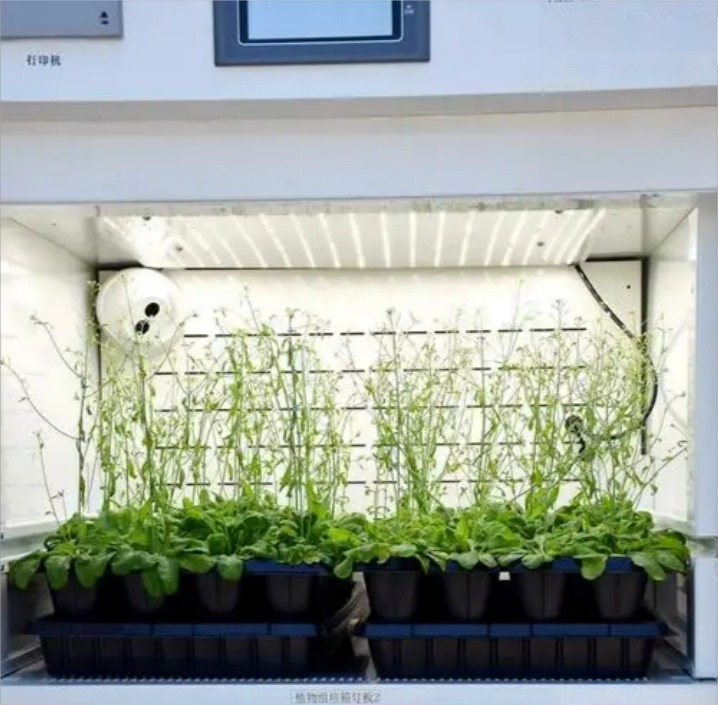
From Seed to Flower: Choosing the Right Environmental Chamber
Let’s be honest for a moment: many plant researchers buy a growth chamber and hope it can do it all. Seeds? Yes. Seedlings? Probably. Flowering? Maybe. But the reality is more complicated. A seed sitting in high humidity doesn‘t care…

Laboratory Cleaning Equipment: Types and How to Choose
Cleanliness serves as the essential requirement which every laboratory needs to fulfill its operational needs. The proper operation of laboratory cleaning equipment helps maintain hygienic conditions which protect scientific results and enable scientists to use their essential instruments for extended…
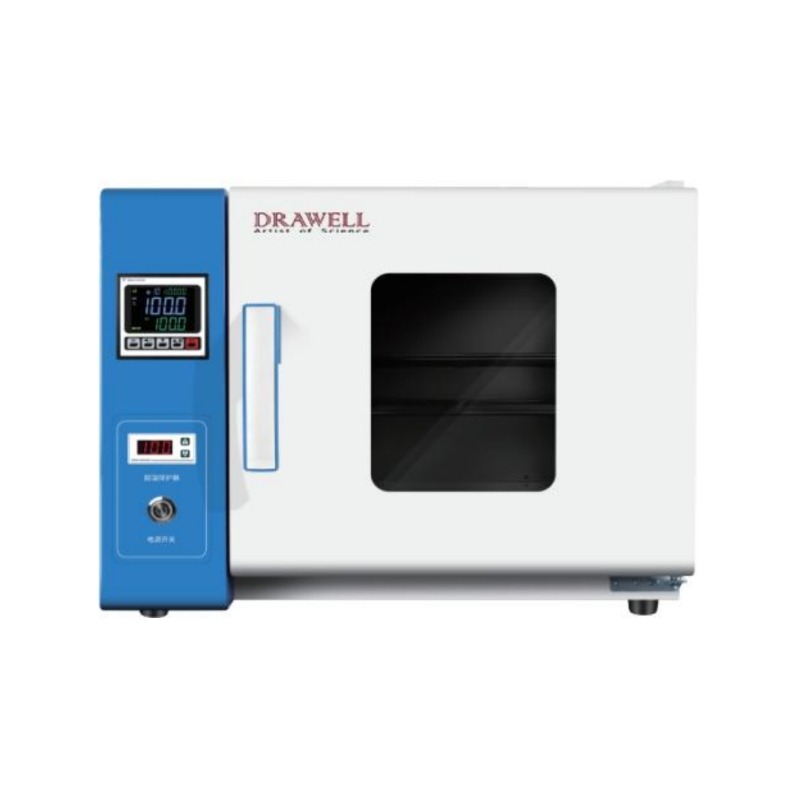
How to Choose the Right Lab Drying Oven for Your Application
Choosing a laboratory drying oven might seem like a straightforward purchase, but pick the wrong one, and you risk more than just a ruined sample. From compromised pharmaceutical compounds to unevenly cured coatings, the stakes are high. Whether you are upgrading…
Browse by category:


