


The price of a laboratory centrifuge is just the beginning. The real cost of a poor choice is measured in inconsistent results, damaged precious samples, frustrating downtime, and compromised safety—expenses that far exceed the number on the price tag.
For anyone tasked with buying a centrifuge machine, cutting through the technical jargon and sales pitches to find the perfect match for your lab’s actual workflow is the critical first step.
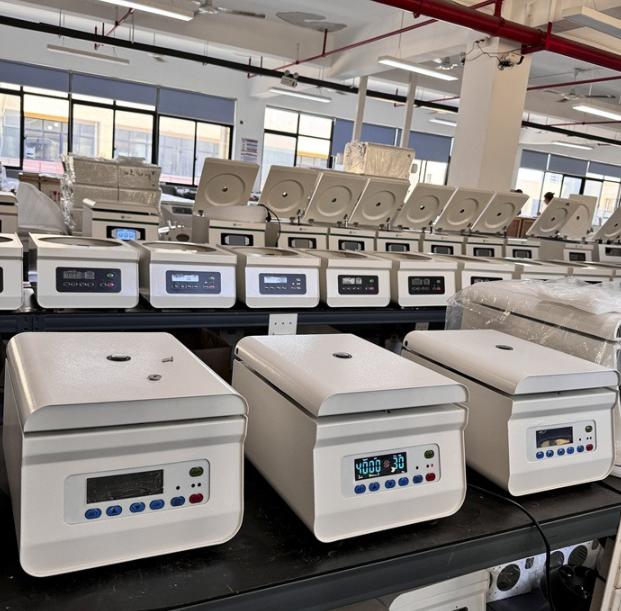
The Costly Missteps: 3 Common Pitfalls in Defining Your Needs
Before building your requirements, it’s crucial to recognize and avoid the traps that lead many labs to invest in the wrong equipment.
Pitfall 1: Parameter-Driven, Not Application-Driven
The most frequent error is getting dazzled by impressive specs like “maximum speed of 15,000 rpm” or “ultra-fast cooling.” The problem? You might be paying a premium for performance your experiments will never use, while overlooking the features you truly need.
The Right Approach: Let your specific experimental protocols dictate the requirements. Will you be isolating delicate RNA, spinning down cell cultures, or separating blood components? The answer points you to the necessary machine type-be it a gentle low-speed centrifuge, a powerful high-speed centrifuge, or a precise refrigerated centrifuge.

Pitfall 2: Considering Only the Present, Ignoring Future Flexibility
It’s easy to buy a machine tailored perfectly for today’s project. But what happens when a new research direction emerges next year? A hyper-specialized device can quickly turn into a shelf-bound asset.
The Right Approach: Think of your centrifuge as a platform. Does the manufacturer offer a wide range of rotors and adapters? Can the same main unit serve multiple purposes? Investing in a versatile system from a reputable lab centrifuge manufacturer protects your long-term investment and adapts to your lab’s evolving story.
Pitfall 3: The Price Tag Illusion, Overlooking Total Cost of Ownership
Focusing solely on the lab centrifuge machine price is the surest path to higher long-term costs. A cheaper model often comes with hidden expenses: higher energy consumption, frequent maintenance, expensive proprietary consumables, and lengthy repair waits.
The Right Approach: Calculate the Total Cost of Ownership (TCO). A slightly more expensive but robust and efficient centrifuge machine for laboratory use, known for reliability and backed by responsive service, will almost always cost less over a 3-5 year period. Consider energy efficiency, standard rotor compatibility, and the supplier’s service reputation.
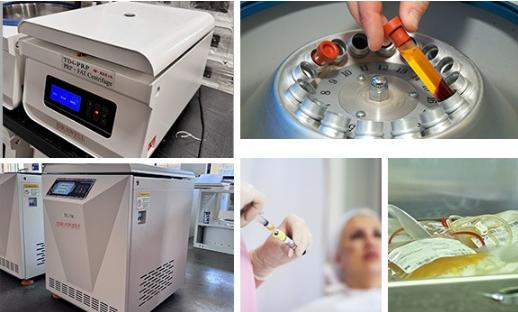
4 Dimensions to Precision Defining Requirements
Steering clear of these pitfalls sets the stage. Now, use this four-dimensional framework to construct a crystal-clear picture of your ideal centrifuge.
Dimension 1: Pinpoint Your Core Application Scenarios
Start with the “why.” List every task the centrifuge will perform. This is the primary filter that narrows the field from hundreds of models to a relevant handful.
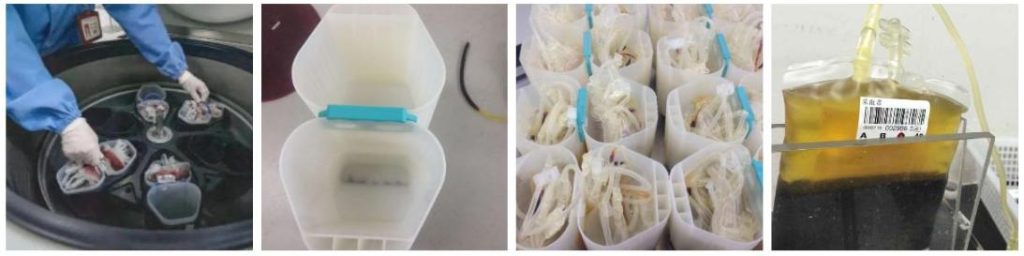
- Clinical/Diagnostic Labs: Standardized, reproducible blood separation is key. A dedicated blood bank centrifuge with pre-set protocols and specialized rotors for blood bags is non-negotiable for compliance and reliability.
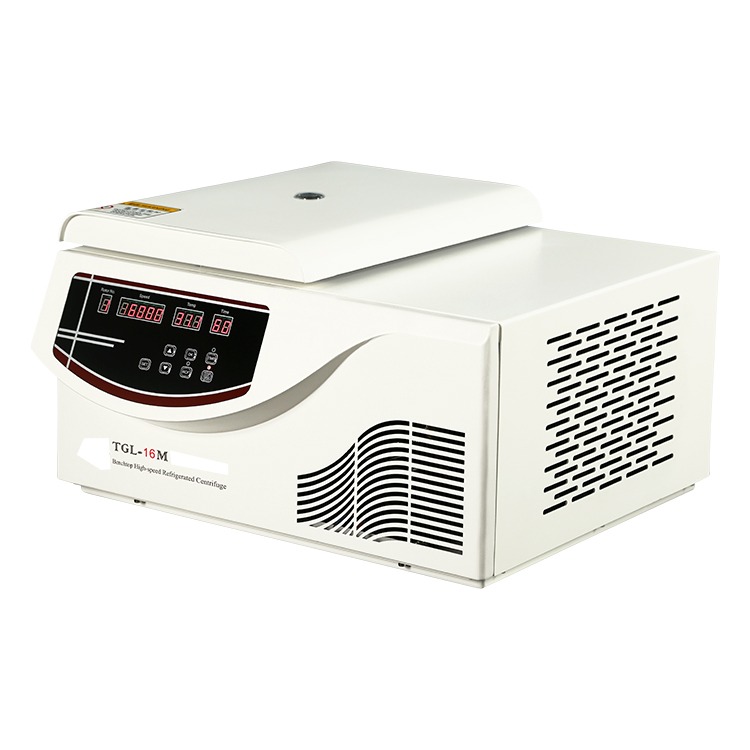
- Cell Culture & Protein Labs: Preserving sample viability is everything. A benchtop refrigerated centrifuge with precise temperature control (like ±1°C uniformity) is essential.
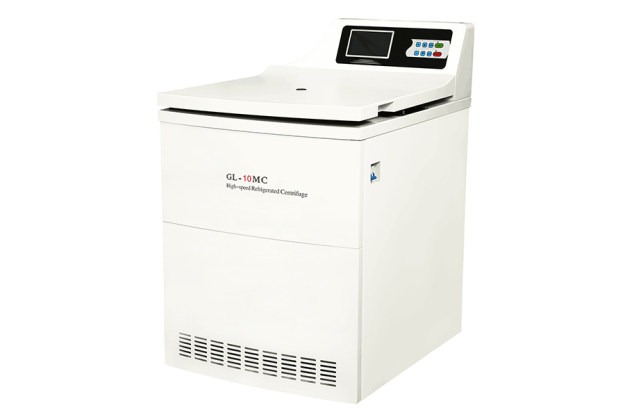
- High-Throughput & Industrial Prep: When volume is the challenge, capacity wins. A powerful floor ultra capacity centrifuge is designed to handle large bottles or continuous flow.
- Specialized Fields (e.g., Cosmetology): Procedures like PRP (Platelet-Rich Plasma) therapy require specific g-forces and cycle times. A beauty centrifuge is engineered with these validated protocols in mind.
Dimension 2: Quantify Your Sample Volume & Throughput
Transform “a lot of samples” into hard numbers. This defines the scale of the machine you need.
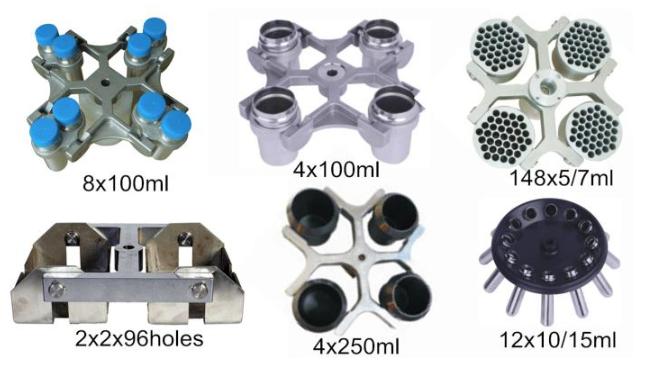
Ask: What type of tubes or bottles? (e.g., 1.5 mL microtubes, 15 mL conical tubes, 500 mL bottles). How many do you need to process in a single run? How many runs per day or week? This dictates the rotor configuration (number of places) and the size of the centrifuge itself-from a compact benchtop unit to a large floor centrifuge.
Dimension 3: Prioritize Key Performance Parameters
Not all specs are created equal. Understand which ones are critical for your success.
- RCF is King, Not Just RPM: Relative Centrifugal Force (RCF or g-force) is the true measure of separation power, as it accounts for rotor radius. For reproducible science, insist on machines that allow you to set and monitor RCF directly.
- Temperature: Precision Over Promise: It’s not just “can it cool?” It’s about stability, uniformity, and how fast it can recover after the door is opened. Look for detailed performance data.
- The Right Tool for the Job: The table below summarizes how these priorities shift with different applications:
| Application Focus | Top Priority | Key Performance Driver | Centrifuge Type |
| Molecular Biology | High RCF | Speed stability & reproducibility | High-Speed Centrifuge |
| Cell Biology | Precise Refrigeration | Temperature uniformity & fast cooling | Refrigerated Centrifuge |
| Clinical Diagnostics | Standardization | Programmable protocols & timer accuracy | Blood Bank Centrifuge |
| Industrial Processing | Capacity & Throughput | Rotor options & system durability | Floor Model / Ultra-Capacity |
| Specialized Fields | Validated Protocols | Ease of use & specific certifications | Application-Specific (e.g., Beauty) |
Dimension 4: Assess Compliance & Future-Proofing
Look upward at requirements and forward at growth.
- Compliance Requirements: Does your lab operate under GLP, GMP, or ISO standards? If so, features like password protection, detailed run logs (audit trails), and full validation support (IQ/OQ documentation) move from “nice-to-have” to essential. Discuss this early with your lab centrifuge supplier.
- Future-Proofing Your Investment: Consider the lab’s 3-year horizon. Could you be working with new sample types? Will throughput increase? Choosing a centrifuge platform with a comprehensive and compatible rotor ecosystem allows you to adapt without buying a whole new machine.
Your Action Plan: The Lab Centrifuge Needs Definition Template
Now, turn your insights into action. Use this concise template to create your definitive needs brief. Filling this out will empower your conversations with any supplier.
Lab Centrifuge Requirement Definition Template
- Primary Applications: [e.g., Plasmid DNA purification, Serum separation from blood samples, Cell pellet collection]
- Sample Types & Containers: [e.g., 2 mL microtubes, 10 mL glass tubes, 200 mL bottles]
- Throughput Needs:
- Maximum samples per run: _________ tubes/bottles
- Typical runs per day/week: _________
- Performance Must-Haves:
- Maximum RCF required: _________ x g
- Temperature Control: Yes / No. If yes, set point: _________ °C, Stability: ± _________ °C
- Compliance & Data: [e.g., Requires audit trail, Must comply with 21 CFR Part 11, Needs calibration certification]
- Future Considerations & Budget Range: [e.g., Possible expansion into lipid nanoparticle work, Budget range: $X – $Y]
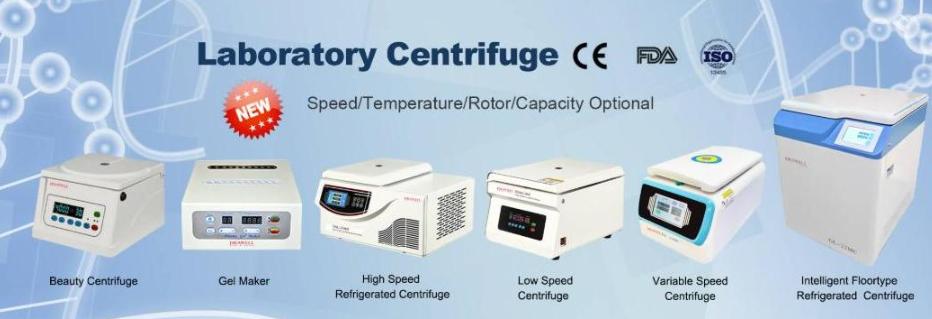
Armed with this clarity, you are no longer just comparing brochures-you are conducting a targeted search for a lab partner. A knowledgeable supplier like Drawell can then move beyond generic sales pitches to provide a solution that truly fits, whether it’s a reliable benchtop centrifuge or a high-capacity floor model. We can offer expert configuration advice, ensuring the rotor and accessory setup matches your template point-for-point.
The journey to the right centrifuge begins with asking the right questions. With your needs clearly defined, you’re ready to confidently evaluate the technology, safety, and long-term value behind every option on the table.


Get Quote Here!
Latest Posts


What Next?
For more information, or to arrange an equipment demonstration, please visit our dedicated Product Homepage or contact one of our Product Managers.


