


Low-speed centrifuges are essential laboratory tools widely used for separating biological components such as cells, plasma, and precipitated proteins. From basic tabletop low-speed centrifuge units to advanced refrigerated models, their features are different. So the selection process can be overwhelming. As a lab expert, my goal is to simplify this process by guiding you through the key factors to consider. The most effective approach is to start with a deep understanding of your sample and then match it to the centrifuge’s technical specifications and features. By the end of this guide, you’ll be equipped to make an informed decision that meets your lab’s specific needs.
Understanding Your Sample
The first and most crucial step in selecting a low-speed centrifuge is to thoroughly analyze the characteristics of the materials you will be separating. Your sample’s properties will dictate the type of centrifugation required.
Sample Type and Volume
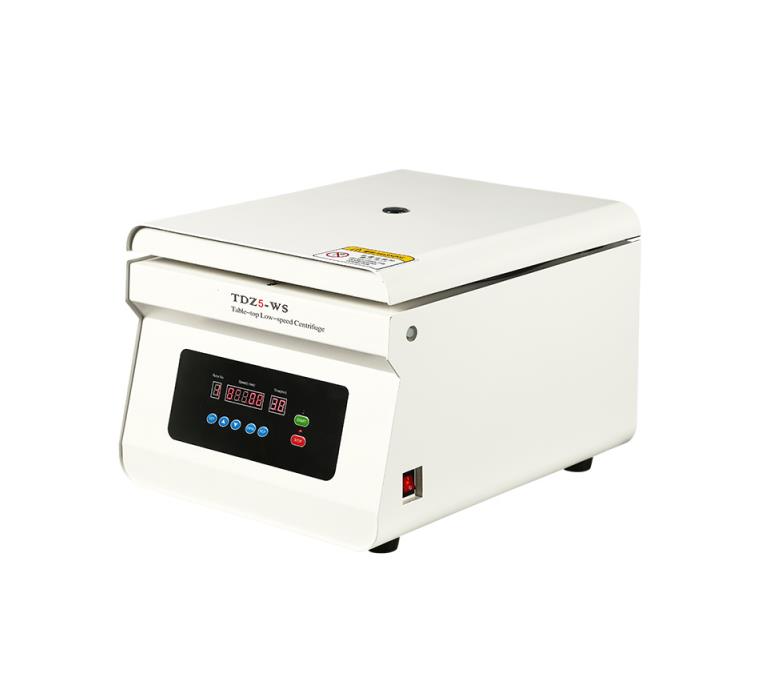
The physical nature and volume of your sample are foundational considerations. Different applications require different capacities. For labs handling micro-samples, such as small blood, urine, and other body fluids, a tabletop low-speed centrifuge is often the most practical and space-efficient choice. These compact units are designed for tubes ranging from 0.2 mL to 50 mL.
Conversely, for applications involving larger volumes, such as processing multiple blood bags or large cell culture batches, a floor-standing model with a higher capacity rotor is necessary.
Here are some common samples:
| Sample Type | Typical Volume | Speed Requirement | Notes |
| Whole Blood | 2–10 mL | 2,000–3,000 rpm | Low force needed to avoid hemolysis |
| Cell Suspensions | 10–50 mL | 1,500–2,500 rpm | Requires even pellet formation |
| Plant Extracts | 50–100 mL | 3,000–4,000 rpm | May need larger rotor cups |
Matching the centrifuge’s capacity to your typical workload prevents the need for multiple runs, saving time and ensuring consistency.
Sample Temperature Sensitivity
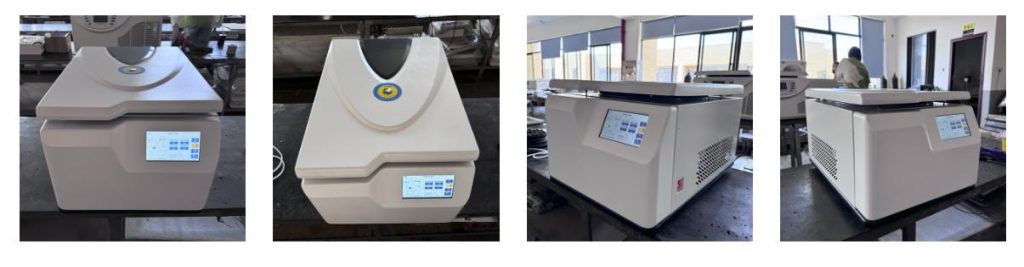
Many biological samples, especially enzymes, nucleic acids, or live cells, are sensitive to heat buildup during centrifugation. In such cases, a low speed refrigerated centrifuge is essential to prevent protein degradation or cell lysis, especially for labs in molecular biology, cell culture, and clinical diagnostics.
For example, when isolating lymphocytes or spinning down yeast cultures, maintaining a temperature between 2–8°C ensures sample integrity. Models equipped with digital temperature control help maintain stable cooling, particularly during long runs.
If your samples require ambient conditions, a non-refrigerated tabletop low speed centrifuge is typically sufficient.
Sample Viscosity and Density
High-viscosity samples like plasma, lipid fractions, or dense suspensions (e.g., clay-containing soil extracts) demand careful matching of rotational speed and centrifugal force. A lower RPM with longer duration is often safer than high-speed spinning, which might cause imbalance or tube breakage.
In cases of dense materials, such as bacterial pellets in high-nutrient broth, ensure your centrifuge can sustain consistent maximum speed of low speed centrifuge without vibrations or overheating.
Key Technical Specifications
Once you understand your sample’s requirements, you can translate those needs into specific centrifuge features. Focusing on these technical details will help you narrow down your choices to find a model that is both effective and reliable.
Speed and Force (RPM vs. RCF)
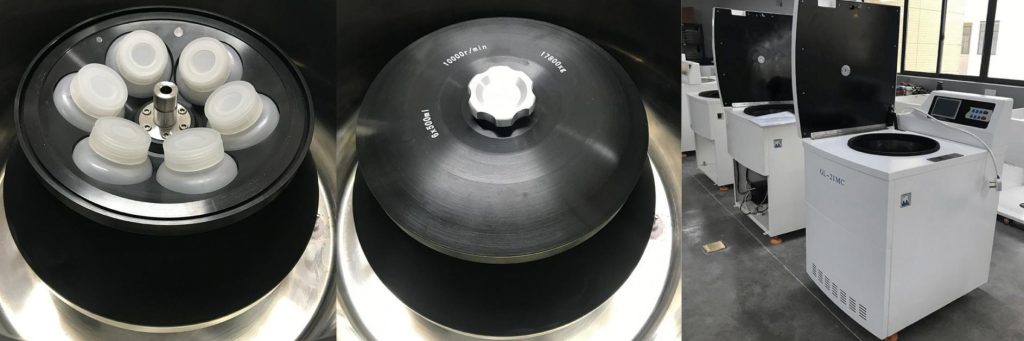
While a centrifuge’s speed is often advertised in low speed centrifuge RPM (revolutions per minute), the most critical parameter for separation is the RCF (Relative Centrifugal Force), measured in g-force. RCF is a more accurate measure of the separating power because it accounts for both the angular velocity (RPM) and the rotor’s radius. For a successful separation, you must meet the RCF specified in your protocol. A centrifuge with a high maximum speed of low speed centrifuge does not guarantee a high RCF if the rotor radius is small. Always check the RCF range to ensure it aligns with your protocol’s needs. Many protocols for low speed centrifuge uses are based on RCF values, making this the most important spec to confirm.
Rotor Type
The rotor is the component that holds your sample tubes and spins them. The two most common types for low-speed centrifuges are:
| Rotor Type | Description | Best For | Advantages |
| Swinging-Bucket | Tubes swing out to a horizontal position during the spin. | Separating gradients, isolating discrete layers (e.g., blood components). | Produces a flat, distinct pellet; excellent for separating layers. |
| Fixed-Angle | Tubes are held at a fixed angle (e.g., 30-45 degrees) relative to the axis of rotation. | Pelleting cells, precipitating nucleic acids or proteins. | Fast pelleting; compact design. |
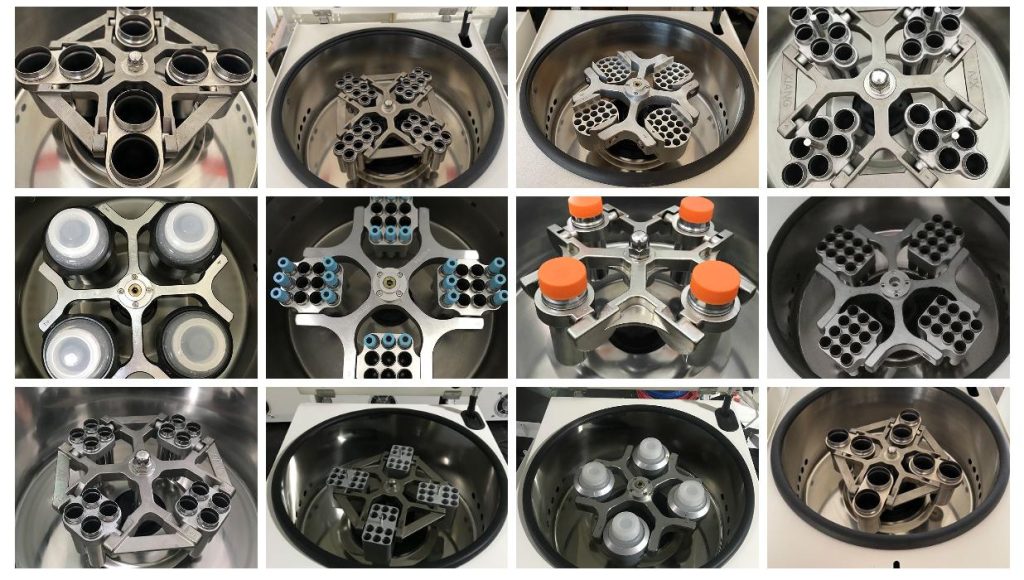
Choosing the right centrifuge rotor type is crucial for achieving the desired separation. A swinging-bucket rotor is ideal for producing sharp, well-defined layers, while a fixed-angle rotor is more efficient for quickly forming a compact pellet at the bottom of the tube.
Some models allow interchangeable rotors, offering flexibility. Check whether the system supports this, especially for labs with diverse applications. The rotors of Drawell centrifuges can be customized as you need, so please do not worry about the compatibility.
Capacity and Adapters
A centrifuge’s capacity is determined by the number and size of tubes it can accommodate. Evaluate your lab’s tube types(e.g., 15 mL conical, 50 mL Falcon, blood collection tubes) to determine the required capacity. For instance, if you routinely process 50 mL falcon tubes, ensure the centrifuge’s rotor and buckets can hold them.
Adapters are a valuable feature that allow you to use smaller tubes (e.g., 15 mL or 5 mL) in a larger rotor, providing flexibility and maximizing the utility of a single machine. Many tabletop low speed centrifuge models come with rotor buckets adaptable to various tubes. The rotors of Drawell centrifuges can be customized as you need, so please do not worry about the compatibility.
Popular Applications and Recommended Centrifuges
Let’s apply these principles to some common laboratory tasks. The right choice can dramatically improve efficiency and results.
3 Popular Applications
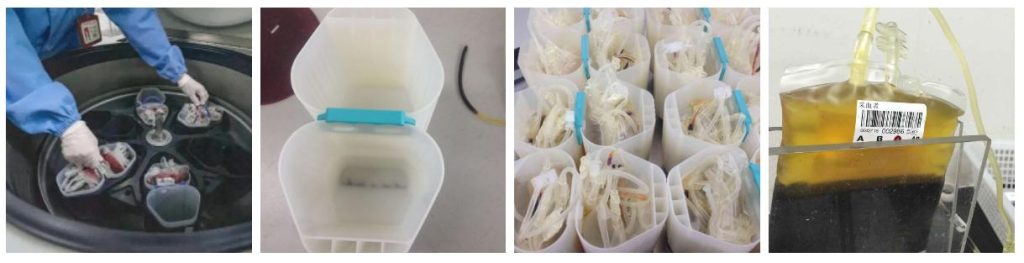
Application 1: Blood and Serum Separation
- Sample: Whole blood.
- Protocol: Separating plasma or serum from red and white blood cells.
- Recommended Centrifuge: A standard tabletop low-speed centrifuge with a swinging-bucket rotor is often the ideal choice. The swinging-bucket design ensures a clean separation into distinct layers.
- Example: A typical protocol might call for spinning at 1,500 RCF for 10 minutes, which is well within the capabilities of most low-speed models. A refrigerated version is preferred for samples intended for sensitive analyses.
Application 2: Cell Culture Harvest
- Sample: Mammalian cells in culture media.
- Protocol: Gently pelleting cells without causing stress or lysis.
- Recommended Centrifuge: A low-speed refrigerated centrifuge is a must-have for this application.
- Example: Cell pelleting is typically performed at a low RCF (e.g., 300 xg for 5 minutes). A refrigerated unit prevents the cells from overheating and ensures viability. The gentle acceleration and deceleration settings found on many modern centrifuges are also important to prevent cell damage.
Application 3: Protein and Nucleic Acid Precipitation
- Sample: Protein or nucleic acid solutions.
- Protocol: Concentrating molecules by forming a pellet.
- Recommended Centrifuge: A refrigerated unit is highly recommended to maintain the stability of these delicate macromolecules. A fixed-angle rotor is more efficient for this task as it quickly drives the precipitate to the bottom of the tube.
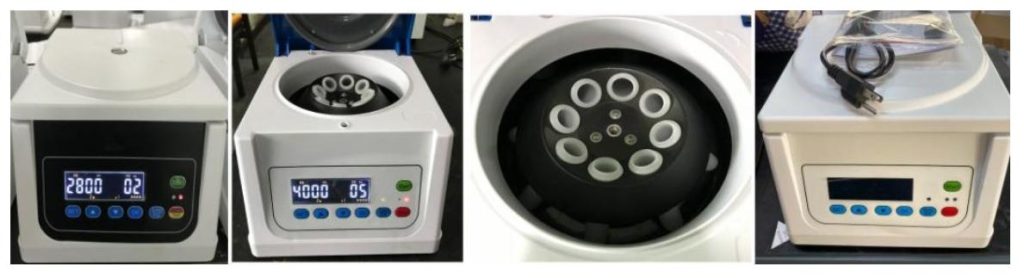
The Case of TD4 Centrifuge
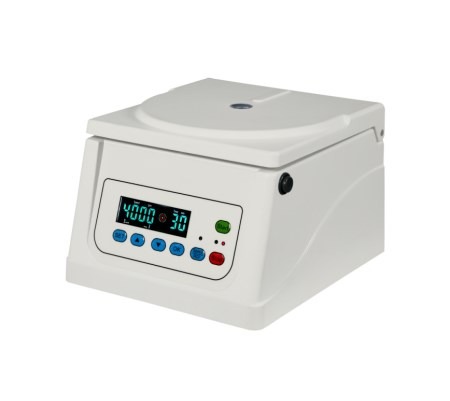
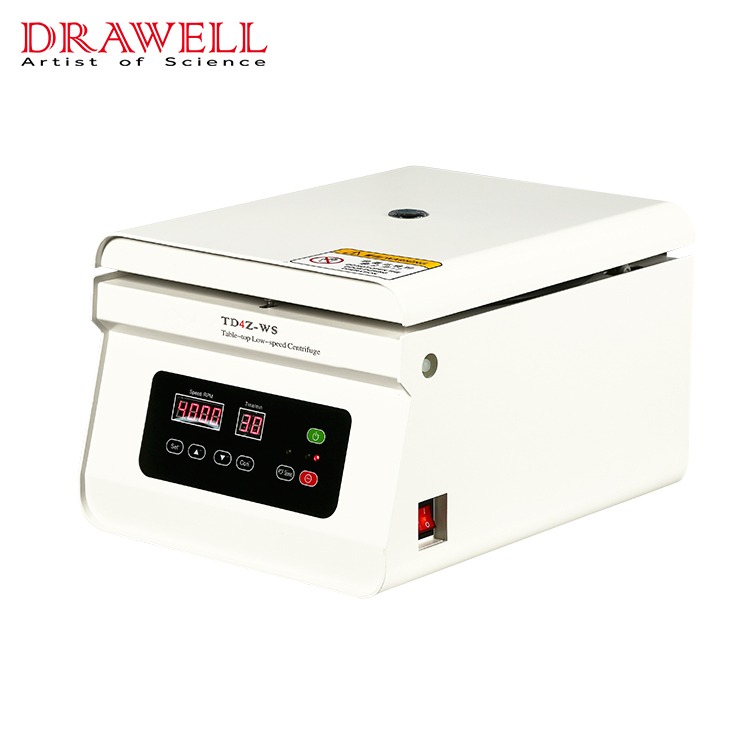
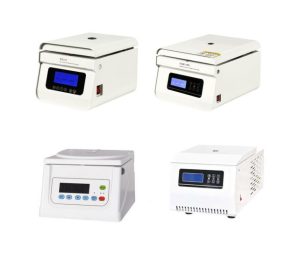
As a lab specialist, I often recommend the Drawell TD4 centrifuge for its blend of compact design and reliable performance. This low speed centrifuge reaches a maximum speed of 4,000 rpm, delivering up to approximately 1,880 × g depending on the rotor configuration—such as a 6×15 mL or 8×10 mL fixed-angle rotor. Its space-saving footprint (320 × 235 × 206 mm) and lightweight construction (~5 kg) make it ideal for labs with limited bench space.
Operationally, the TD4 features a brushless DC motor with microprocessor control, enabling stable performance and low noise levels (≤ 50 dB). The LCD interface clearly displays RPM, RCF, timer, and acceleration/deceleration settings in real-time. This level of control streamlines routine tasks like blood separation or cell pelleting without overcomplicating setup.
In practice, the TD4 serves well across a variety of low speed centrifuge uses—it handles modest blood samples in clinical workflows, processes small-volume cell culture samples, and supports basic biochemical precipitations with ease. Its predictable performance and user-friendly interface make it a go-to tabletop low speed centrifuge, particularly in clinical or educational environments where simplicity and reliability matter.
Matching Sample Types with Centrifuge Features
| Sample Type | Recommended Speed (RPM) | Refrigeration Needed | Rotor Type | Suggested Model |
| Whole Blood | 2,500–3,000 rpm | No | Swing-bucket | Tabletop low speed centrifuge |
| Cell Culture | 1,200–2,000 rpm | Yes | Fixed-angle | Low speed refrigerated centrifuge |
| Protein Precipitate | 3,000–4,000 rpm | Yes | Fixed-angle | TD4 centrifuge (cooling model) |
| Urine Sediment | 1,000–2,500 rpm | No | Swing-bucket | TD4 centrifuge |
Final Advice: Consult with a Low Speed Centrifuge Supplier
Selecting the best centrifuge isn’t just about specs; it’s about understanding your lab’s workflow and the limitations of your samples. While general guidelines help, specific needs such as rotor compatibility, maintenance requirements, and budget should be discussed with an experienced low speed centrifuge supplier. Reputable suppliers can recommend models tailored to your workload, including popular options like the TD4 centrifuge or compact tabletop low speed centrifuge units.
When choosing between models, don’t hesitate to ask for technical datasheets or request a demo, especially when working with temperature-sensitive or high-volume samples. Your investment in the right centrifuge ensures not only successful separations but also reliable, repeatable results over time.
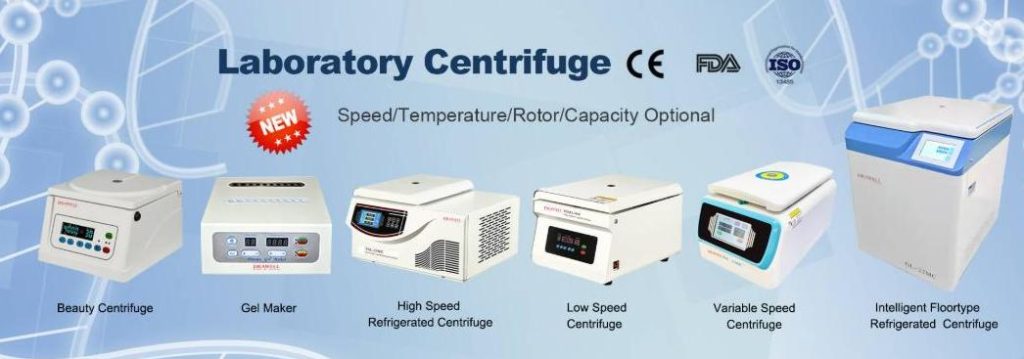
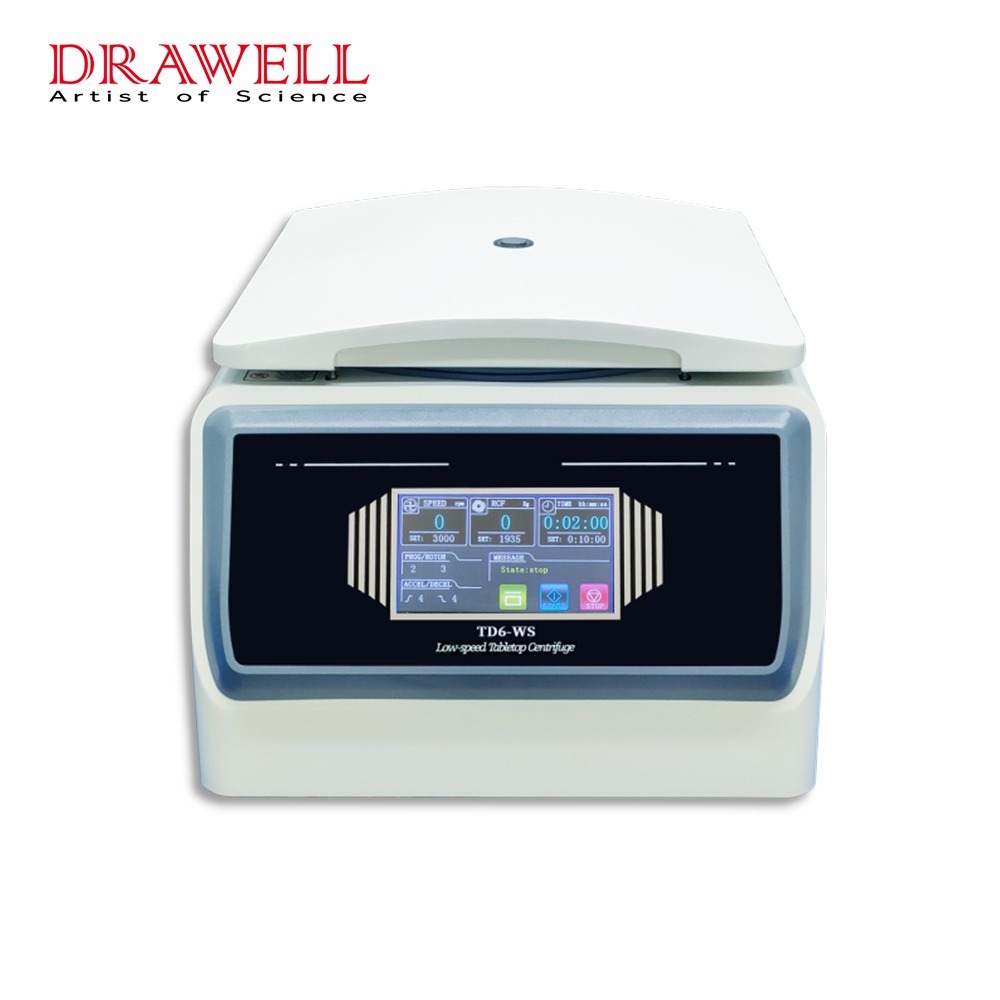
Related Products Recommendation

Get Quote Here!
Latest Posts

What Next?
For more information, or to arrange an equipment demonstration, please visit our dedicated Product Homepage or contact one of our Product Managers.


