


Centrifuge rotors are critical components in laboratory centrifuges, determining both the efficiency of sample separation and the safety of operation. A rotor failure not only interrupts experiments but can also cause severe equipment damage and potential safety hazards. Based on long-term repair and maintenance records, most centrifuge rotor failures can be traced to specific causes that are preventable with proper handling and maintenance. Here we summarizes the most common rotor failure types, their solutions, and practical strategies to extend rotor service life. Understanding these principles can prevent 80% of premature centrifuge rotors failures.
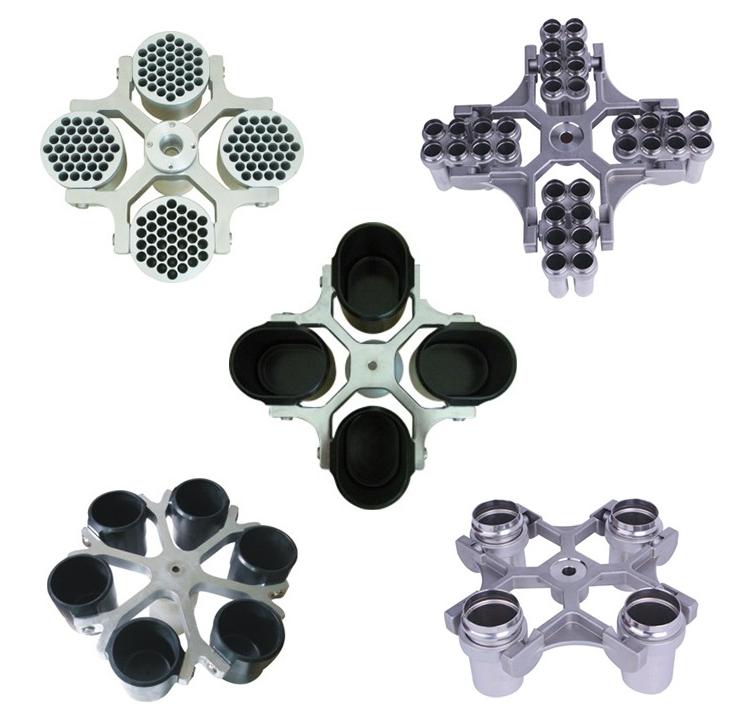
Common Centrifuge Rotor Failure Types and Solutions
Based on our service records, rotor failures can be categorized into four primary types:
| Failure Type | Occurrence Rate | Typical Causes | Example Scenario |
| Physical Damage | 40% | Impact, mishandling, high-speed imbalance | Dropping a rotor during cleaning |
| Corrosion Failure | 30% | Chemical spills, improper cleaning, moisture exposure | Buffer solution left on rotor overnight |
| Over-limit Use | 20% | Exceeding recommended cycle count or max speed | Running beyond manufacturer RPM limits |
| Operator Error | 10% | Wrong rotor installation, incorrect balancing | Misplacing buckets in a swinging rotor centrifuge |
Each has distinct signs, causes, and, most importantly, clear solutions. Let’s know the details:
1. Physical Damage (40% of failures)
Physical damage is the most common cause of failure, often resulting from impacts or mishandling.
Symptoms: This includes visible dents, scratches, cracks, or a wobble during the spin cycle. In swinging rotor centrifuge models, you might see bent bucket pins or damaged trunnions. A horizontal rotor centrifuge might show damage to the rotor body itself or the individual tube carriers.
Causes: The most frequent cause is dropping the rotor or its buckets. Even a seemingly minor drop can create micro-fractures in the aluminum or carbon fiber, which can propagate under the immense G-forces of a high-speed run. Improperly seating the rotor on the drive shaft can also cause damage.
Solution: Immediately stop using any rotor with visible damage. Never attempt to repair a damaged rotor yourself. Rotors are designed to precise specifications, and any alteration can lead to catastrophic failure. A damaged rotor must be replaced.

2. Corrosion (30% of failures)
Corrosion is a silent killer of rotors, often progressing unnoticed until it’s too late.
Symptoms: Look for white, chalky residue on aluminum rotors, rust on steel components, or pitting and discoloration. This is especially common in the bucket cavities of a swinging bucket centrifuge vs fixed angle models. For a 96 well plate centrifuge rotor, corrosion can appear in the wells where samples have spilled.

Causes: Corrosion is caused by exposure to harsh chemicals, acids, bases, and salt solutions. Spills that are not cleaned immediately and thoroughly are the primary culprit. Many labs use corrosive buffers, and even a tiny, uncleaned residue can start a corrosion process that compromises the rotor’s integrity over time.
Solution: The solution is rigorous and immediate cleaning. After every use, especially with corrosive materials, rinse the rotor and all accessories with deionized water. Use a soft brush or cloth to gently remove any residue. Dry every part completely with a lint-free cloth, and store it with the lid open to ensure no moisture is trapped.
3. Over-limit Use (20% of failures)
Exceeding a rotor’s specified limits puts immense stress on the materials, leading to metal fatigue.
Symptoms: This type of failure often presents as stress cracks around high-stress areas, such as the trunnion pins, bucket attachment points, or rotor lid threads. The rotor might also fail to maintain speed or show excessive vibration even when balanced correctly.
Causes: The most common cause is running the rotor above its maximum rated speed or exceeding the maximum number of cycles. Each rotor, regardless of the centrifuge rotor types, has a finite lifespan based on stress cycles. Another cause is spinning samples that exceed the maximum specified density.
Solution: Always adhere to the manufacturer’s instructions for maximum speed, sample density, and run cycles. This is particularly important for high-speed rotors. For example, a rotor rated for 15,000 RPM should never be spun at 16,000 RPM, even for a short duration.
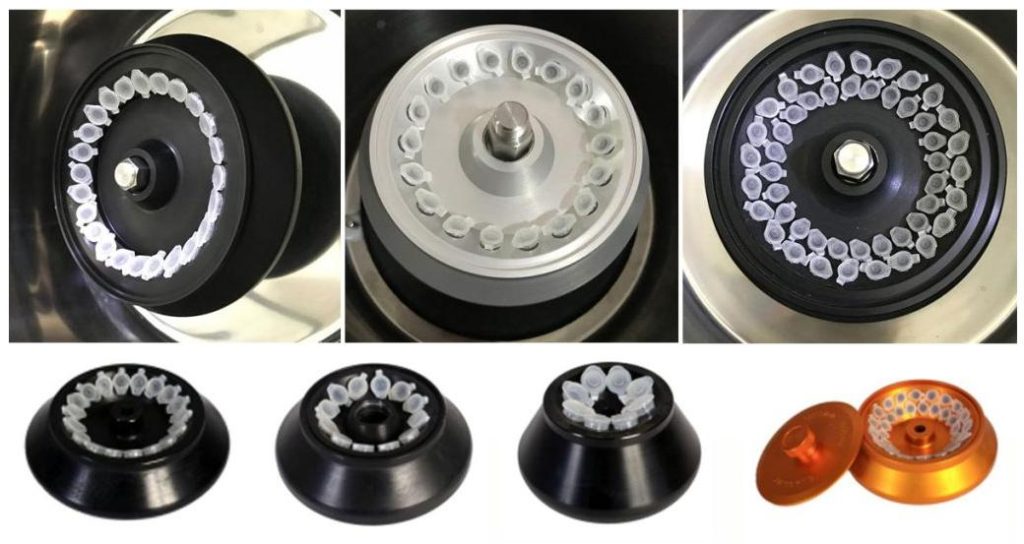
4. Human Error (10% of failures)
While less frequent, human error can have immediate and severe consequences.
Symptoms: This includes loud banging noises during a spin, violent shaking, or a catastrophic rotor explosion.
Causes: The most common errors are improper balancing (e.g., using tubes of different weights), failing to properly secure the rotor lid, or placing a rotor into a centrifuge model it’s not designed for. The distinction between swinging bucket vs fixed angle is critical here; a user might mistakenly use a rotor that isn’t compatible with the centrifuge’s drive system.
Solution: Staff training is the best preventative measure. Ensure all users are familiar with the correct rotor installation, balancing procedures, and safety protocols.
Most failures are preventable. Based on repair logs, following manufacturer guidelines and implementing standard operating procedures can reduce rotor failure rates by more than 70%.
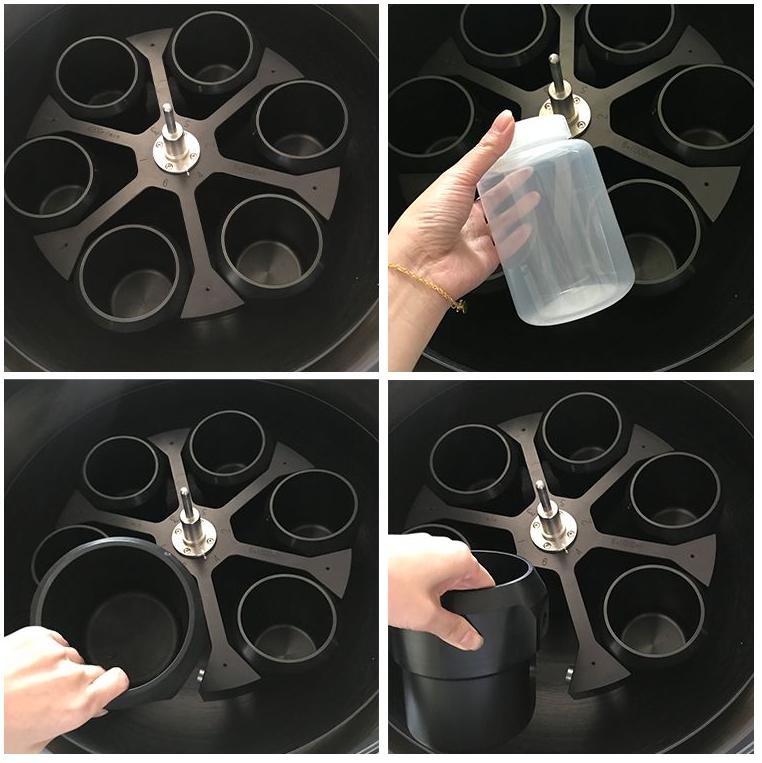
How to Extend Rotor Life
Preventive maintenance and proper operational procedures are the most effective ways to prolong rotor life.
Maintenance by Rotor Type
Different rotor types in centrifugation require specific care. Here are some common types:
| Rotor Type | Maintenance Focus | Common Risks |
| Fixed Angle | Crack inspection, bore cleaning | Stress fractures |
| Swinging Bucket | Hinge lubrication, bucket balance | Pivot wear |
| Horizontal Rotor Centrifuge | Seal cleaning, plate stability | Lid corrosion |
| 96 Well Plate Rotor | Uniform loading, shallow well cleaning | Uneven stress |
Key practices:
- Correct use: Avoid corrosive exposure, respect maximum cycle count.
- Regular inspection: Clean after every use, check for pitting weekly, balance calibration monthly.
- Proper storage: Store upside-down to avoid dust/moisture accumulation; use vertical racks for large swing buckets.

Critical Operational Guidelines (Reduces Failure Rate by 90%)
Following these “golden rules” of centrifugation can significantly reduce the risk of failure.
| Golden Rule | Description | Impact on Safety & Longevity |
| Loading | Always balance opposing tubes and buckets to within the manufacturer’s specified weight tolerance (often +/- 0.1g or less). Use water-filled balance tubes if necessary. | Prevents excessive vibration, bearing wear, and catastrophic rotor failure. |
| Speed | Never exceed the maximum rated speed for your rotor. Always factor in the relative centrifugal force (RCF) for your application. | Prevents metal fatigue and stress cracks. The immense forces at high speed can cause rotors to fail instantly if limits are exceeded. |
| Environment | The lab environment should be clean and temperature-controlled. Avoid spinning corrosive samples without proper cleaning and protection. | Prevents corrosion, which weakens the rotor’s structure over time. |
Consistent care not only extends rotor life but also ensures reliable and reproducible centrifugation results.
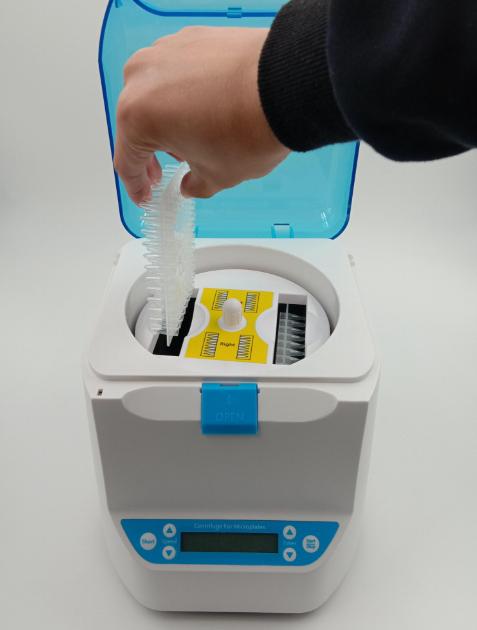
Rotor Selection Guide (Preventive Maintenance)
Selecting the right rotor can reduce future maintenance costs and failure risk:
| Rotor Type | Best For | Lifespan Indicator | Failure Early Signs |
| Fixed Angle | High-speed pelleting | RPM stability loss | Fine cracks in bore |
| Swinging Bucket | Large-volume separations | Smooth pivot motion | Hinge resistance |
| Horizontal Rotor Centrifuge | Cell culture plates | Lid seal integrity | Gasket wear |
| 96 Well Plate Centrifuge Rotor | High-throughput assays | Plate alignment | Plate tilt or noise |
I highly recommend implementing a digital rotor history system. By logging each run’s speed, duration, and sample type, you can predict potential failure points up to 30% in advance. This proactive approach allows you to replace a rotor before it becomes a safety hazard, effectively preventing a centrifuge rotor failure before it occurs.
Choose a Quality Centrifuge and Rotor Supplier
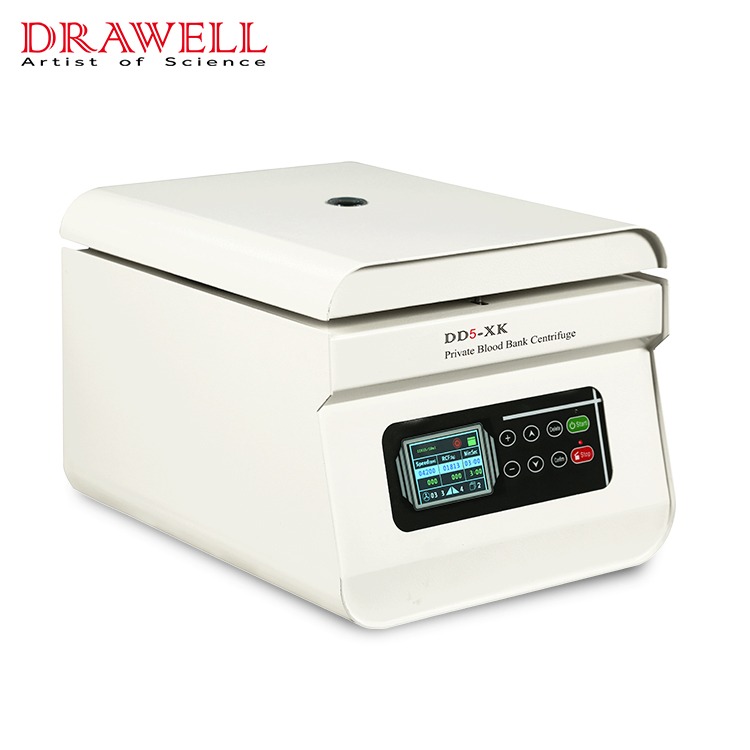
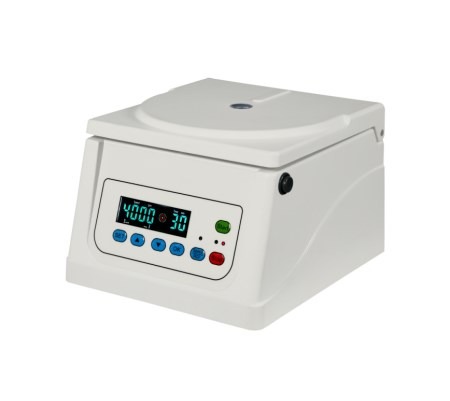
Ultimately, the best way to prevent rotor failure is to start with a quality product. Selecting a reliable centrifuge manufacturer such as Drawell ensures compliance with safety standards, high-quality materials, and precise balancing during production. Drawell offers a wide range of centrifuge rotors, including horizontal rotor centrifuges and swinging rotor centrifuges, with robust corrosion protection and clear maintenance guidelines, reducing total cost of ownership.
Related Products Recommendation





Get Quote Here!
Latest Posts





What Next?
For more information, or to arrange an equipment demonstration, please visit our dedicated Product Homepage or contact one of our Product Managers.


