


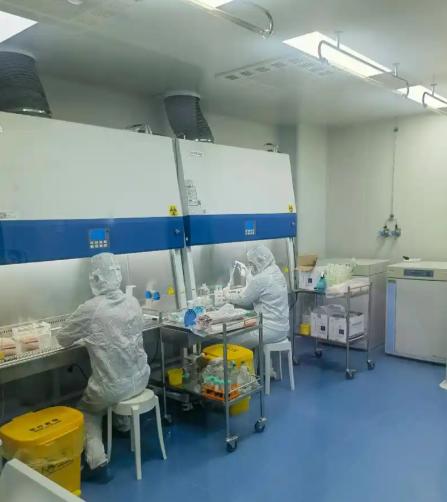
Choosing the right bacteria incubator isn’t just another equipment purchase—it’s an investment in the reliability of your research outcomes. A bacteria incubator may look simple from the outside, but inside it determines whether your cultures grow consistently—or whether you spend weeks troubleshooting uneven results, contamination, or temperature drift. Before investing in a new bacterial culture incubator, it’s worth stepping back and evaluating what your lab truly needs. Let’s walk through the seven critical factors that should guide your decision.

Bacteria Incubator
1. Define Your Specific Application Needs
The first question is not about price or size—it’s about application. Different bacteria require different atmospheric conditions, agitation, and environmental control. Choosing the wrong incubator type often leads to unnecessary cost or performance limitations.
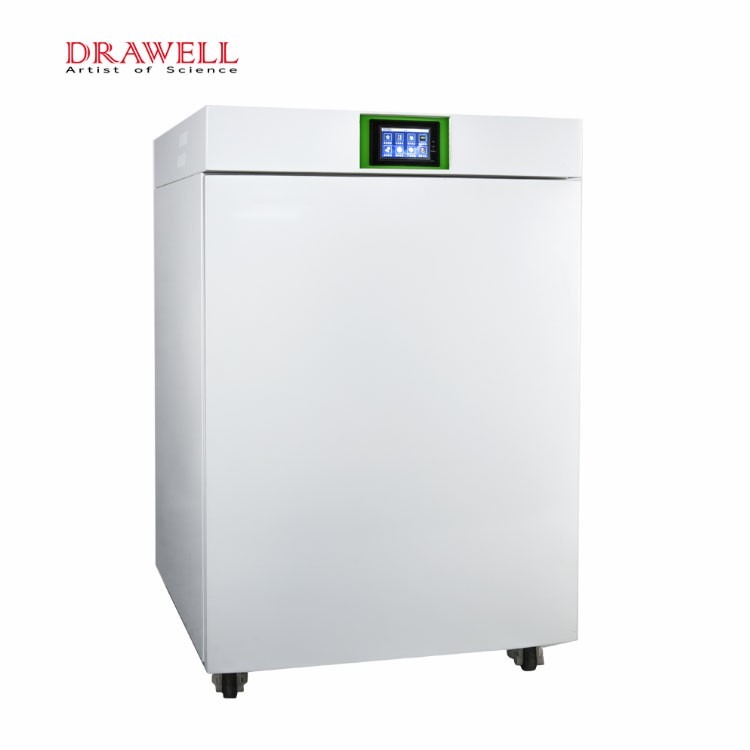
General Incubator
A standard general incubator is suitable for most aerobic bacterial culture at 25–37°C. These are commonly used in microbiology labs for routine plate incubation and are typically the most cost-effective solution.
Best for:
- Aerobic bacteria
- Routine microbiology testing
- Educational labs
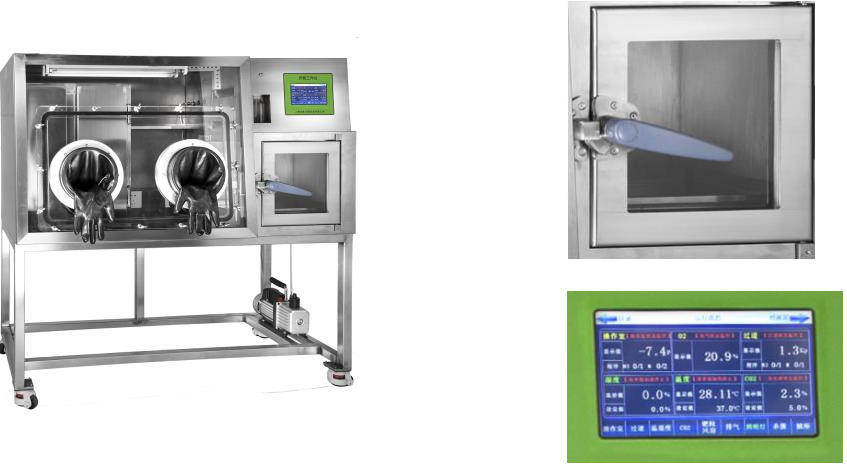
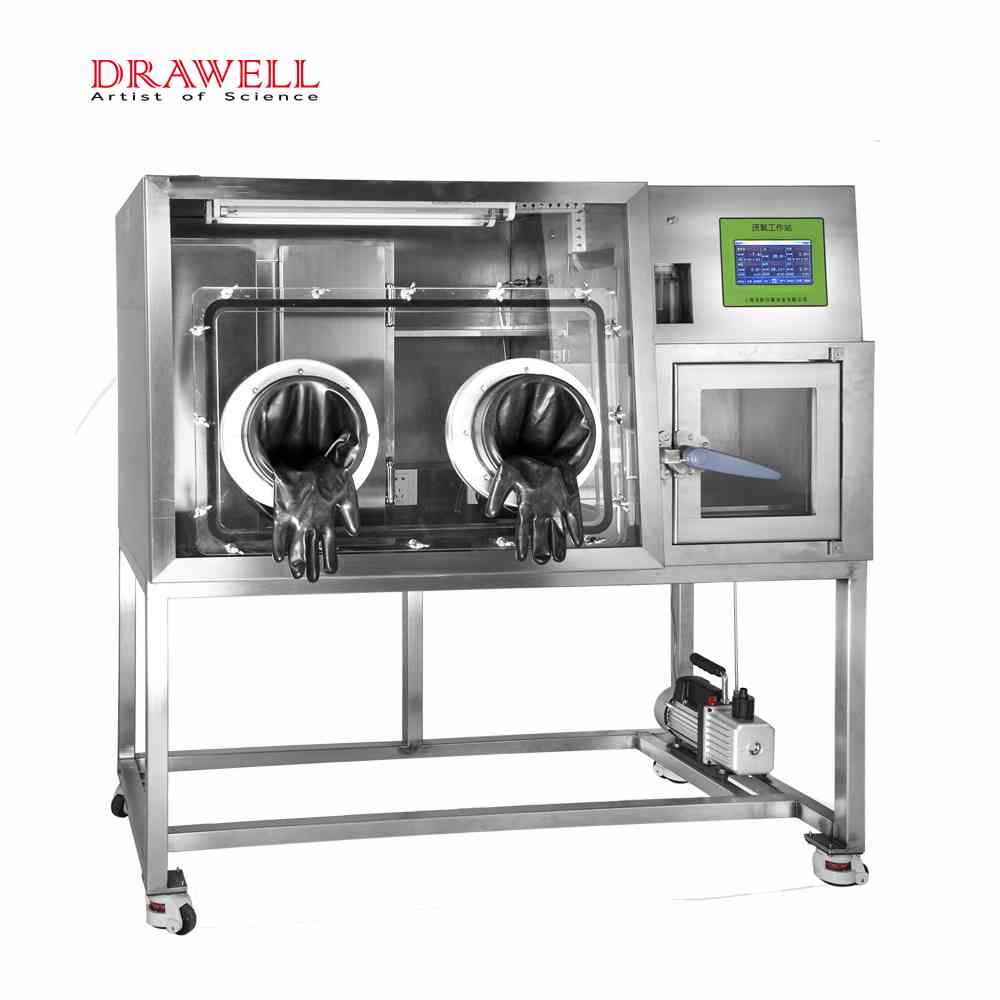
Anaerobic Incubator / Anaerobic Chamber
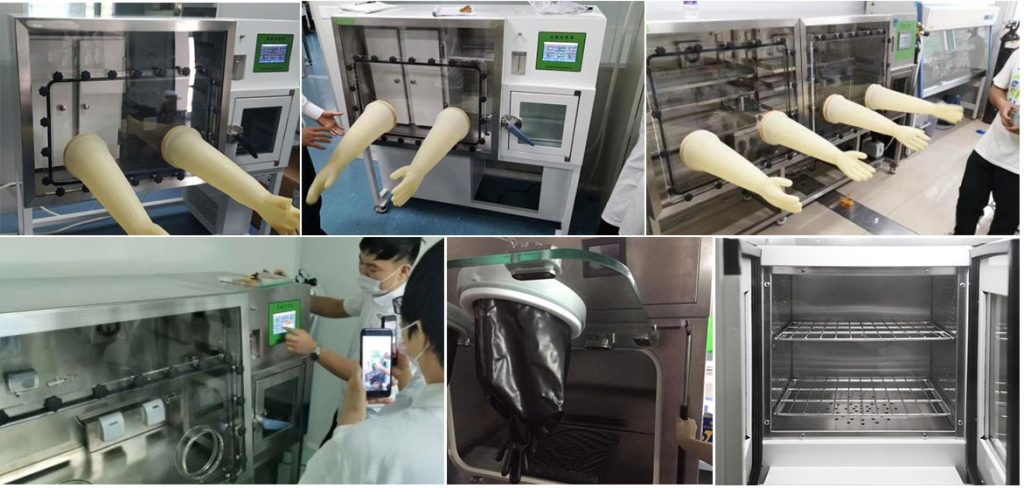
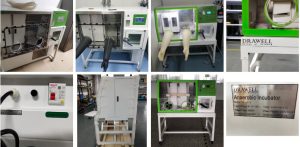
Some bacteria, such as Clostridium species, cannot tolerate oxygen. In these cases, an anaerobic incubator or anaerobic chamber for bacteria is required.
An anaerobic chamber microbiology system (also called an anaerobic chamber glove box or anaerobic growth chamber) maintains oxygen-free conditions using gas replacement systems. Unlike simple jars, chambers allow continuous handling inside a controlled atmosphere.
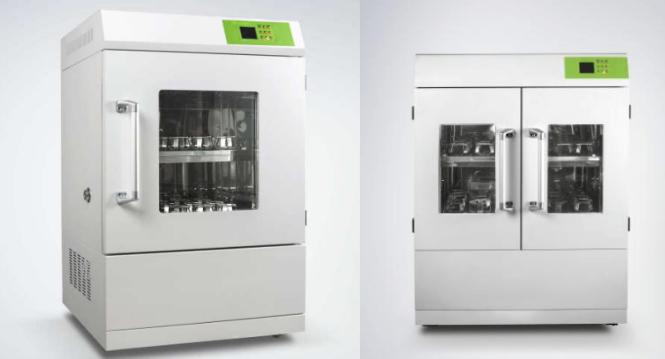
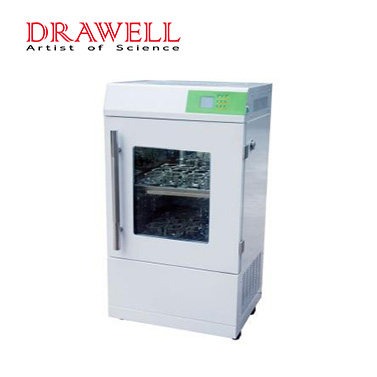
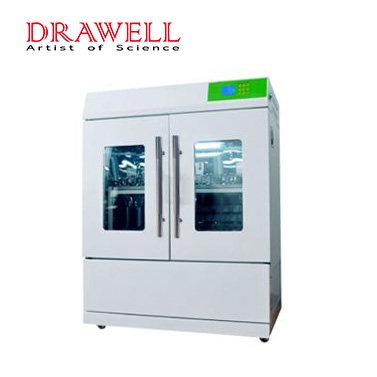
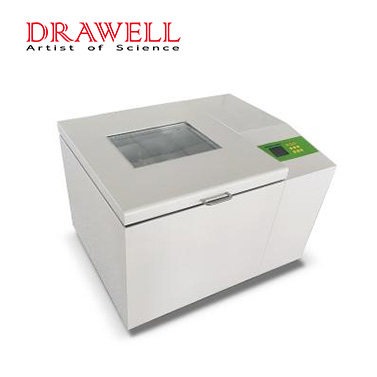
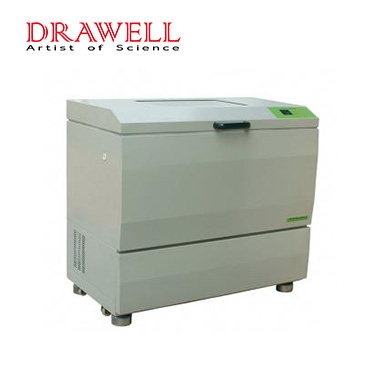
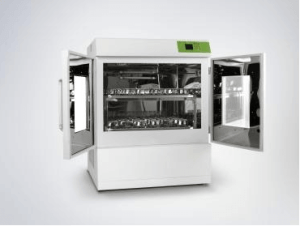
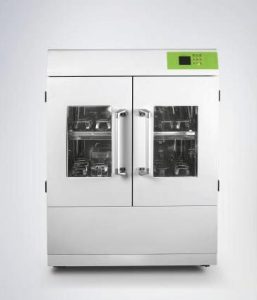
Shaking Incubator
For liquid bacterial cultures, especially in fermentation or molecular biology workflows, agitation improves oxygen transfer and uniform growth.
A shaking incubator bacteria model combines temperature control with orbital shaking. This is essential for:
- Liquid media cultures
- E. coli expression systems
- Enzyme production studies
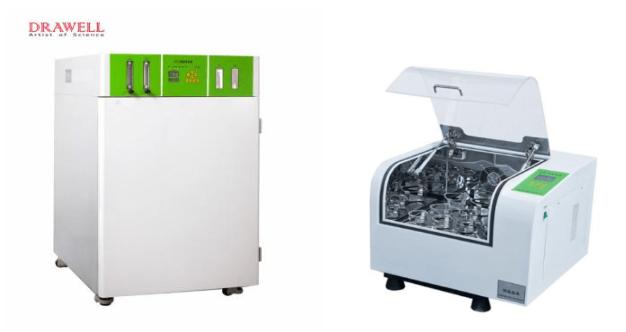
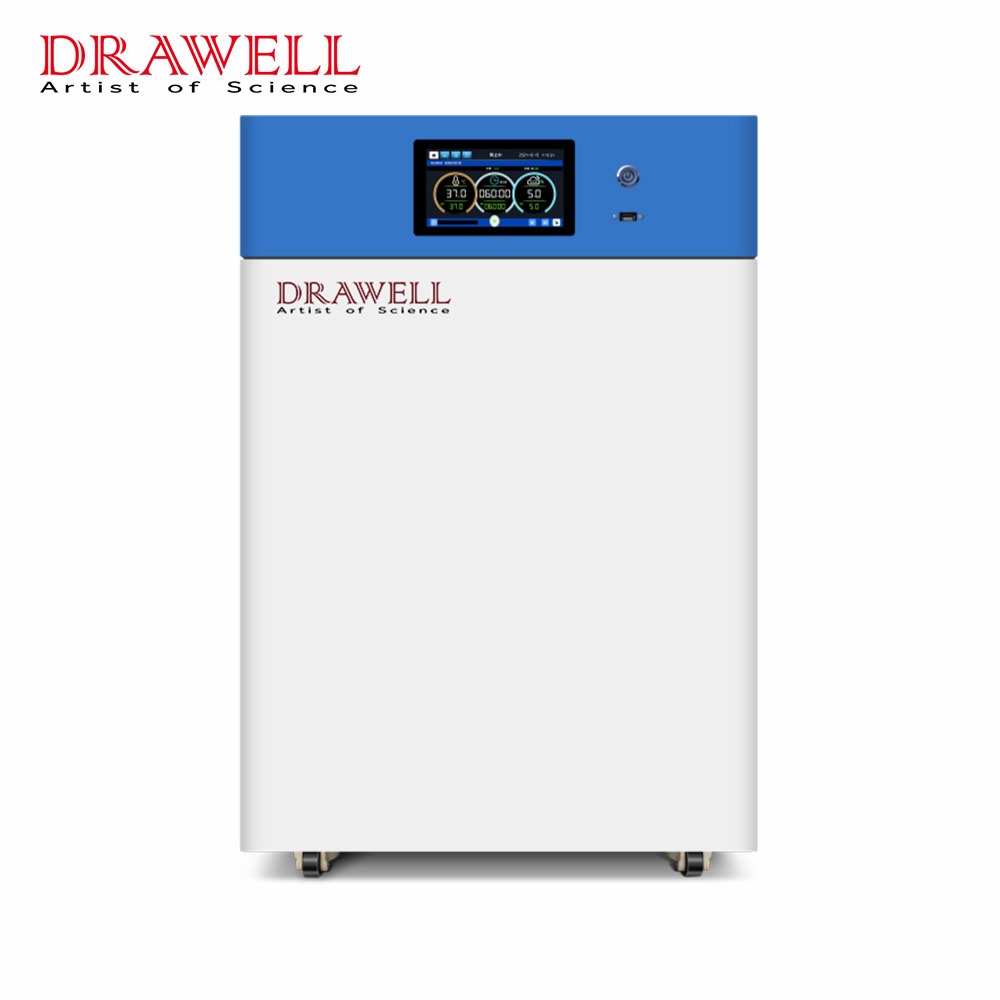
CO₂ Incubator
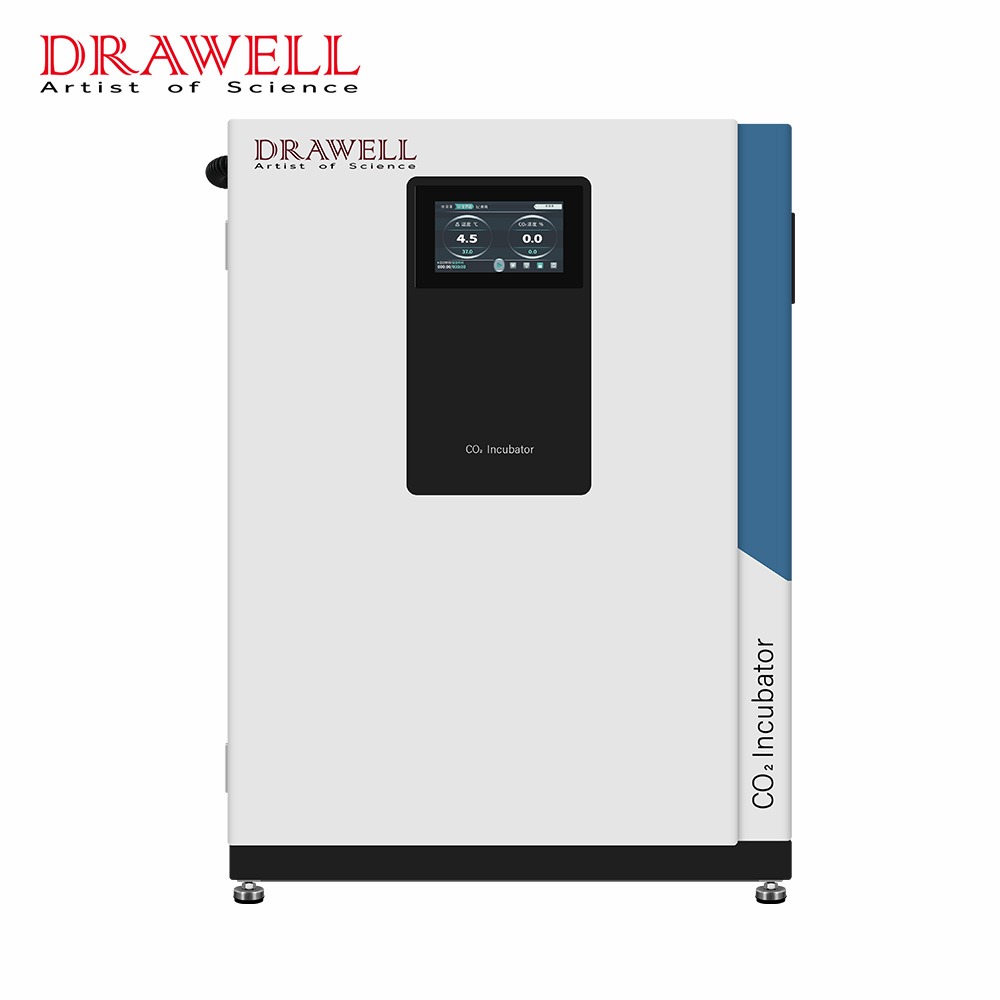
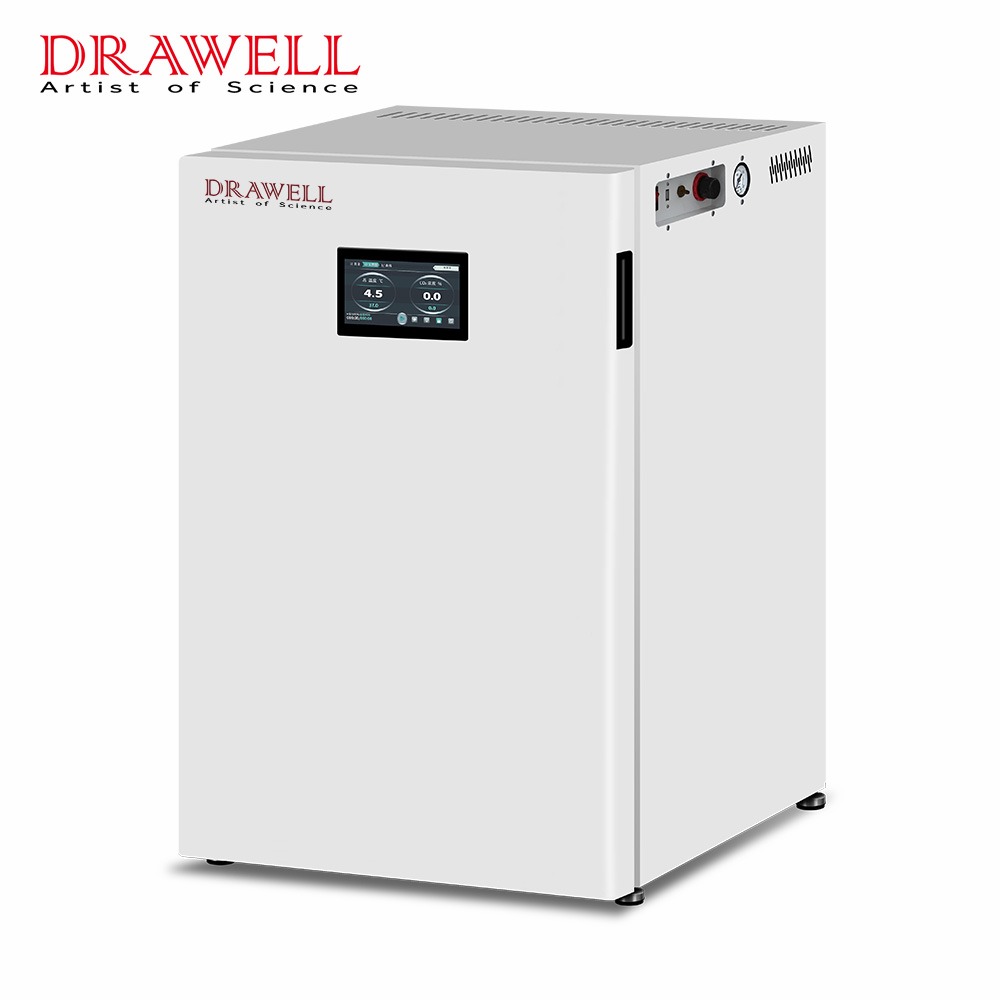
While typically associated with mammalian cell culture, a CO₂ incubator for anaerobic bacteria may be required for certain capnophilic organisms that prefer elevated CO₂ levels.
The key takeaway here is simple: define your bacterial environment first, then choose the incubator type.
2. Temperature Performance: Range, Uniformity, and Stability
Temperature control is the core performance indicator of any bacterial culture incubator. Even small deviations can affect colony morphology and growth rate.
The temperature range should comfortably encompass your experimental needs with room to spare. Most bacteriology work happens between room temperature plus 5°C and 60°C, with 37°C being the sweet spot for many mesophilic organisms. However, if you’re working with thermophiles or psychrophiles, you’ll need equipment that extends beyond these standard parameters.
Temperature uniformity refers to how consistent the temperature is throughout the chamber. A unit with ±0.5°C uniformity might sound acceptable on paper, but in practice, samples positioned at different locations could experience meaningfully different growth conditions. High-quality incubators achieve uniformity of ±0.1°C or better, ensuring that whether your petri dishes are in the center or corner, they’re experiencing identical conditions.
Stability measures how well the incubator maintains set temperature over extended periods. Your bacteria don’t care if the temperature was perfect for the first hour if it drifts significantly over a 24-hour incubation period. Look for units with proven long-term stability, especially if you’re running overnight or multi-day cultures.
Here we sum up the most important parameters, include:
| Parameter | Why It Matters | Typical Requirement for Bacteria |
| Range | Determines flexibility for different organisms | RT+5°C to 60°C+ |
| Uniformity | Ensures all samples grow evenly | ±0.1–0.5°C |
| Stability | Prevents long-term fluctuation | ≤ ±0.2°C |
| Recovery Time | Affects performance after door opening | Fast recovery preferred |
A wider temperature range provides flexibility for fungi, environmental bacteria, or thermal tolerance studies. However, uniformity inside the chamber is often more important than absolute range.
If your lab frequently opens the door, recovery time becomes critical. Slow recovery can interrupt growth cycles and compromise reproducibility.
3. Capacity and Interior Configuration
Choosing the correct volume is not just about current workload—it’s about future expansion.
Common sizes include:
- 100L for small labs
- 200L for routine QC
- 500L+ for high-throughput environments
However, volume alone does not define usability.
Adjustable shelving allows better airflow and flexible sample arrangement. Corrosion-resistant stainless steel (304 or 316) interiors improve durability, especially in high-humidity environments.
Footprint also matters. Many microbiology labs have limited bench or floor space, so external dimensions should be checked carefully before purchase.
When evaluating bacteria incubator price, remember that larger units may reduce the need for multiple smaller systems, potentially lowering total equipment cost.
4. Contamination Control and Sterilization
Cross-contamination is a major risk in microbiology labs. Therefore, the incubator’s internal design directly impacts reliability.
Interior materials should be easy to clean and resistant to corrosion. Stainless steel chambers are common because they resist chemical damage and are simple to disinfect.
Airflow design also plays a role. Natural convection models reduce airflow disturbance, while forced convection improves uniformity but may increase drying risk.
Some advanced models offer high-temperature decontamination cycles at 90°C or even 140°C dry heat sterilization. HEPA filtration systems further reduce airborne contamination risk.
For labs working with sensitive strains, investing in enhanced contamination control often pays off in reduced sample loss.
5. Control System and Data Monitoring
Modern laboratories demand traceability. A simple analog thermostat is rarely sufficient in regulated environments.
Touchscreen interfaces provide intuitive control, but more important is data logging capability. Built-in USB or Ethernet ports allow temperature records to be exported for GLP or GMP compliance.
Remote monitoring through computer or mobile access is increasingly requested, especially in pharmaceutical or hospital labs where continuous oversight is required.
If documentation is critical in your workflow, make sure the control system supports reliable digital recording.
6. Safety Features and Alarms
Incubators run continuously, often overnight. Safety mechanisms protect both samples and laboratory personnel.
Key features include:
- Over-temperature alarms
- Power failure alarms
- Sensor malfunction alerts
- Independent safety thermostat
An independent safety thermostat operates separately from the main controller and prevents overheating if the primary system fails. For regulated industries, this redundancy is essential.
Battery backup or power-failure memory ensures settings are retained after outages, minimizing culture loss.
7. Budget, Warranty, and After-Sales Support
Finally, consider total cost of ownership rather than purchase price alone.
Energy efficiency affects long-term electricity consumption. High-quality insulation and stable temperature control reduce operating cost over years of use.
Warranty terms should clearly specify coverage for critical components such as compressors and controllers. A one-year warranty is common, but extended coverage may be valuable.
Equally important is service capability. Reliable calibration, spare parts availability, and technical support determine how quickly your lab can resume work after maintenance.
Making the Right Choice
Selecting the ideal bacteria incubator requires balancing technical specifications, operational needs, and budget constraints. By carefully evaluating these seven factors—from application requirements to after-sales support—you’ll be positioned to choose equipment that serves your laboratory reliably for years to come.
Remember that the cheapest option upfront often costs more in the long run through higher energy consumption, frequent repairs, or compromised experimental results. Conversely, the most expensive unit might offer features you’ll never use. The sweet spot lies in matching capabilities to your actual needs while ensuring room for future growth.
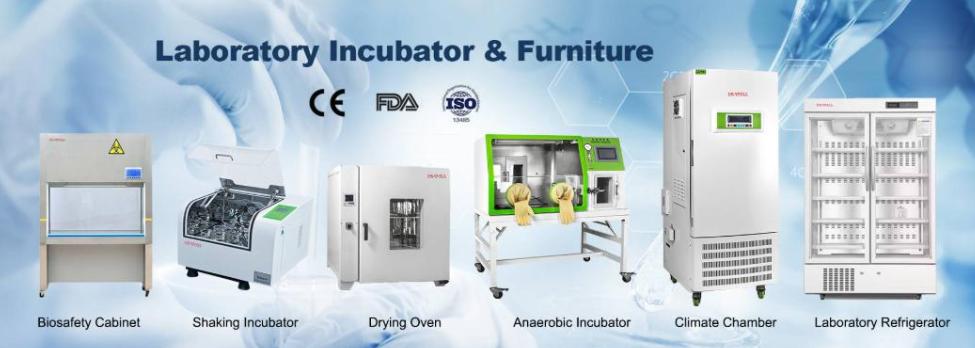
Ready to find the perfect incubator for your laboratory? Drawell offers a comprehensive range of incubation solutions, from standard bacterial culture units to specialized anaerobic chambers and shaking incubators. Our technical team can help you evaluate your specific requirements and recommend equipment that delivers optimal performance within your budget.
Contact Drawell today for expert guidance, competitive pricing, and reliable after-sales support that keeps your research moving forward.
Frequently Asked Questions (FAQ)
Q1: Do bacteria require a CO₂ incubator?
Most bacteria do not require CO₂ control. Standard aerobic bacterial culture can be performed in a regular bacteria incubator. Only specific capnophilic organisms require elevated CO₂ levels.
Q2: What temperature is ideal for bacterial culture?
37°C is the most common incubation temperature for human-associated bacteria. However, environmental species may grow at 25–30°C. Always confirm the optimal temperature for your specific strain.
Q3: What is the difference between an anaerobic incubator and an anaerobic chamber?
An anaerobic incubator provides oxygen-free conditions mainly for incubation. An anaerobic chamber (glove box) allows both manipulation and incubation in a continuous anaerobic atmosphere, making it more versatile.
Q4: How important is temperature uniformity?
Very important. Poor uniformity can cause uneven colony growth on different shelves, affecting reproducibility and experimental accuracy.
Q5: How often should a bacteria incubator be cleaned?
Routine cleaning is typically recommended weekly, with deeper sterilization performed periodically depending on usage intensity and biosafety level.
Q6: Why do bacteria incubator prices vary so much?
Price differences usually reflect variations in temperature precision, chamber material, airflow system, control electronics, and certification standards—not just brand name.
If you are currently evaluating incubator options for your laboratory, it may be helpful to review available configurations and consult with an experienced supplier. Find Drawell lab equipment solutions here: https://www.drawellanalytical.com/
Related Products Recommendation
Get Quote Here!
Latest Posts


What Next?
For more information, or to arrange an equipment demonstration, please visit our dedicated Product Homepage or contact one of our Product Managers.


