


Ensuring stable environments is essential for several microbiological and biochemical practices, including cultivating anaerobic organisms in anaerobic incubators. Of several factors that affect the growth and wellbeing of anaerobic microorganisms, the humidity stability is of utmost importance. Hence, it is important that the humidity is stable in anaerobic incubators to allow for optimal conditions to be created for the cultivation of anaerobic organisms.
What is the Role of Humidity in Anaerobic Incubation
While humidity is an important factor in an anaerobic incubator, it is of fundamental importance in determining the hydration level of cells, their metabolic activity, and the overall health of the cultures.
Preventing Desiccation
Dehydration is one of the most important factors in the incubation of anaerobic organisms. Many microorganisms, including anaerobes, are very sensitive to moisture content. Anaerobes will experience excessive water loss when humidity is lower than the critical threshold. The loss of moisture is actually a serious threat. The microorganism will experience severe disruption of metabolic functions, loss of cell wall integrity, and may die. This is why it is important to maintain optimal humidity conditions. This is especially critical for prolonged incubations since excessive dry conditions for an extended period will cause permanent damage.
Supporting Cellular Functions
Anaerobic organisms depend on water for the integrity and metabolic functions of their structures. Water is necessary for the transport of nutrients, enzymatic activities, and the removal of wastes within the cells. These functions could become compromised when environment humidity is exceedingly low, resulting poor growth and growth inactivity. Consequently, excessively low humidity can greatly inhibit the myriad biological functions that enable the growth and reproduction of anaerobic organisms.
Maintaining Ideal Growth Conditions
Humidity, in addition to facilitating the prevention of desiccation, supplements the provision of environmental conditions that simulate the natural environment of anaerobic organisms. Most anaerobes flourish in moist environments, and the right degree of humidity is necessary to replicate these conditions. To illustrate, certain anaerobic bacteria in the guts of humans or in certain soils will only thrive within certain humidity parameters. Slow or inconsistent growth of microbial cultures in poorly regulated humidity environments is a common occurrence that, in turn, greatly affects the research and industrial activities that rely on these organisms.
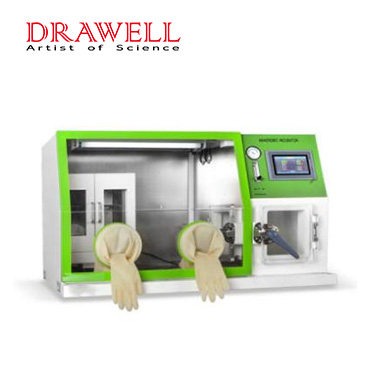
Preventing Overhydration
Preventing dehydration is important; however, overhydration must also be avoided. High humidity in an anaerobic incubator can lead to condensation on surfaces, adding unwanted moisture to the culture medium or the atmosphere of the incubator. This can complicate the situation, as moisture is an important factor for contaminants and other unwanted microorganisms to grow, including fungi and molds. Not to mention, microbial cells that are overhydrated can experience osmotic stress, and disrupt cell osmotic processes. So, the humidity in the environment must be balanced to the level needed for the anaerobic organisms to thrive, without crossing over to overhydration.
Humidity as an Indicator of Incubator Efficiency
The ability of an anaerobic incubator to maintain a consistent humidity level shows the efficiency of the incubator. A properly designed anaerobic incubator is alone able to minimize the fluctuations caused by the external environment. Absence of such fluctuations allows complete confidence in the incubator, while the humidity also supports the assumption that no other factors including temperature or atmospheric pressure are causing variability in the incubation process.
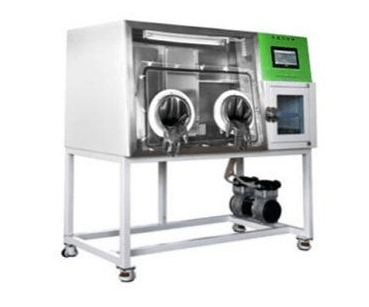
Key Factors Affecting Humidity Stability in Anaerobic Incubators
This chart provides the different elements that must be managed to ensure consistent humidity within an anaerobic incubator. Each factor plays a role in either promoting or disrupting humidity stability, making careful monitoring and maintenance essential for optimal conditions.
| Key Factor | Description |
| Incubator Design | The design of the incubator, including insulation, seals, and ventilation, directly influences humidity stability. Poor design or inadequate seals can lead to fluctuating humidity levels. |
| Water Reservoir Management | The proper management of the water reservoir is critical for maintaining humidity. An improperly sealed or low water level can result in humidity loss. Regular replacement of water is essential to avoid contamination and maintain stability. |
| External Environmental Conditions | Temperature and humidity in the surrounding environment can affect the incubator’s internal conditions. High external humidity may cause condensation, while a dry environment may lead to humidity loss. |
| Airflow and Ventilation | Uneven airflow or improper ventilation can lead to localized areas of high or low humidity within the incubator, disrupting overall stability. Proper airflow management helps maintain even humidity levels. |
| Frequency of Door Openings | Opening the incubator doors frequently introduces external air, which can cause fluctuations in both temperature and humidity. Minimizing door openings is critical to maintaining stable conditions. |
| Humidity Control Systems | Automated humidity control systems with sensors that adjust water levels and ventilation based on real-time measurements are essential for maintaining consistent humidity levels. |
| Seal Integrity | The seals on the incubator doors and windows need to be airtight to prevent the entry of external air, which can cause humidity variations. Regular checks for seal integrity are crucial. |
| Condensation and Water Accumulation | Excess moisture in the incubator, often due to high humidity levels or poor drainage, can lead to condensation. This may alter humidity levels and promote contamination if not managed properly. |
| Incubator Maintenance | Regular maintenance checks on components such as sensors, seals, and water reservoirs are necessary to ensure that the humidity control systems continue functioning properly over time. |
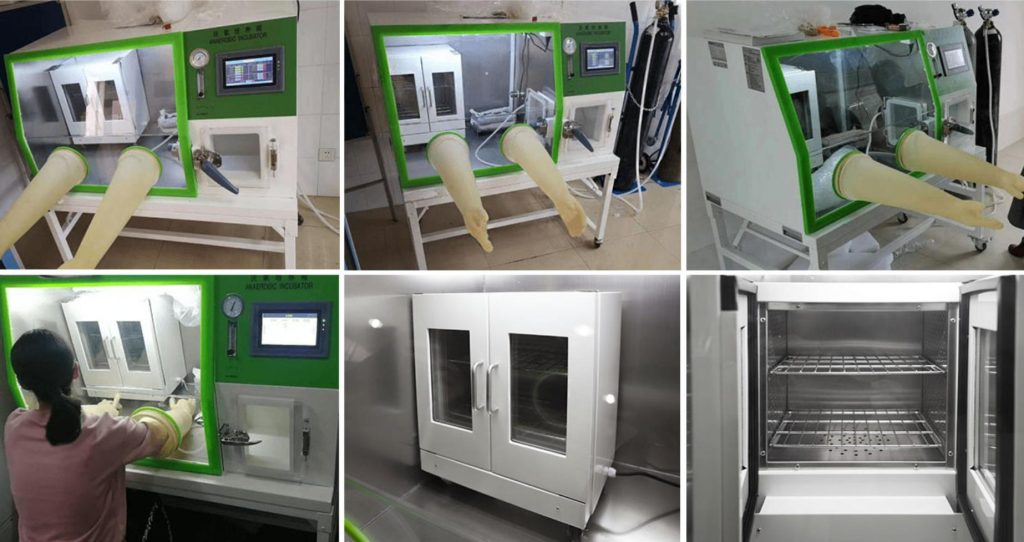
Key Strategies for Ensuring Humidity Stability in Anaerobic Incubators
Key strategies for maintaining humidity stability should focus on design, technology and best practices in anaerobic incubators.
1. Using Automated Humidity Control Systems
Along with the automated humidity control system features incorporated in more sophisticated modern anaerobic incubators, the use advanced humidity sensors that check the incubator environment. With the ability to underscore the extremes of the premises, the automated systems have the ability to adjust the dimensions of the water containers, close or open the incubator systems, and alter the temperature to the preset desired target in the incubator.
For optimum performance of the system, the system integrated with automated sensors, is expected to alert the user in the event that the preset humidity levels have been altered. This way, immediate precautions can be made to avoid any negative effect that might come to the anaerobic fuel.
2. Regular Maintenance of Water Reservoirs
Like any other system, the water reservior must not contain any opening to avoid the contents evaporating. During any maintenance work, check the liquid levels. It is advisable to use distilled or deionized water to avoid any filler minerals. This is to help avoid clogging the humidity control system.
Unclogging, periodic replacement and recharge of the water ensures the humidity levels suitable for anaerobic organism growth are preserved, thus, preventing contamination.
3. Minimize Door Openings to Prevent External Interference
To preserve the stability of humidity, the frequency and the duration of openings should be kept to a minimum. For laboratories that do require sampling or adjustments, smaller access ports or observation windows may provide compromise anaerobic incubators that allow more flexible adjustments to these controls while better preserving the internal environment.
4. Ensure Proper Seal Integrity
To prevent fluctuations in humidity, the seal systems of incubators and their doors must be kept intact. When seals are worn or damaged, the inflow of outside air can cause undesirable variations in temperature and humidity. Therefore, it is important to routinely assess and change worn seals and doors in order to preserve an airtight environment.
Along with the seals, other parts of the incubator should be checked, like gaskets, valves, and vents, to see that they meet the operational requirements. Even minor gaps in the outside of the incubator can cause problems with humidity, and in turn, faulty anaerobic cultures.
5. Control Airflow and Ventilation
Proper airflow and ventilation play an important role in the distribution of humidity within the incubator. Insufficient airflow creates ‘pockets’ of high and low humidity that could disrupt the conditions needed for the growth of microbes. In contrast, too much ventilation would cause the incubator to dry out and lose humidity.
For your incubator to maintain a stable environment, the airflow must be balanced. Choose systems that enable air movement without strong gust potential, realizing that turbulent flow can disrupt humidity. Well-designed incubators will provide a soft, constant flow of air that will provide equal circulation of moisture to all parts of the incubator.
6. Monitor Environmental Conditions
Control relative humidity and temperature forcing air through damp bed sheets. Smooth sheets will allow air to flow easily and dampen sheets will provide a humid to air flow. The incubator will create relative humidity that will cause condensation around the sheets. Control temperature and humidity around the incubator. Avoid placing the incubator near windows, heating vents, and air conditioning units.
7. Invest in High-Quality Incubators
Lastly, the difference it makes when you put resources towards the right anaerobic incubators that target stable humidity control is of note. Incubators that provide good insulation, solid humidity control, and are resistant to outer temperature and humidity variations are the best. Quality incubators come with built humidity sensors, water reservoirs, and airtight seals that create the anaerobic culture without any human energy. Although the price of a good incubator is expensive, the benefits of reliability and performance will deliver value over time.
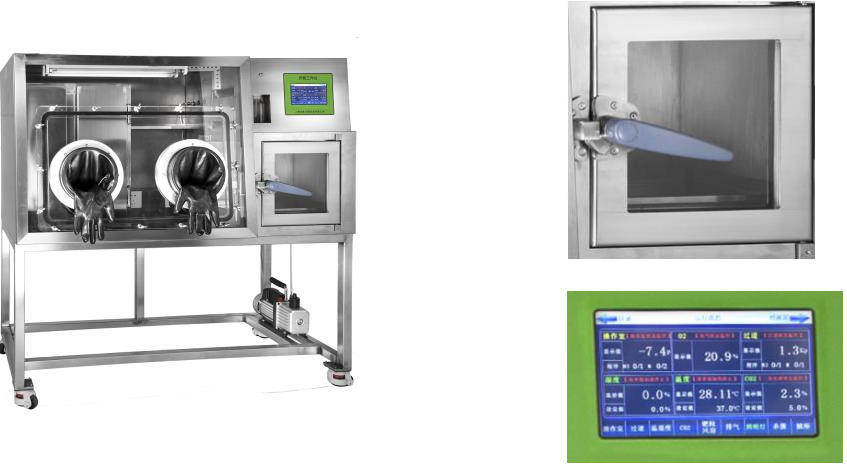
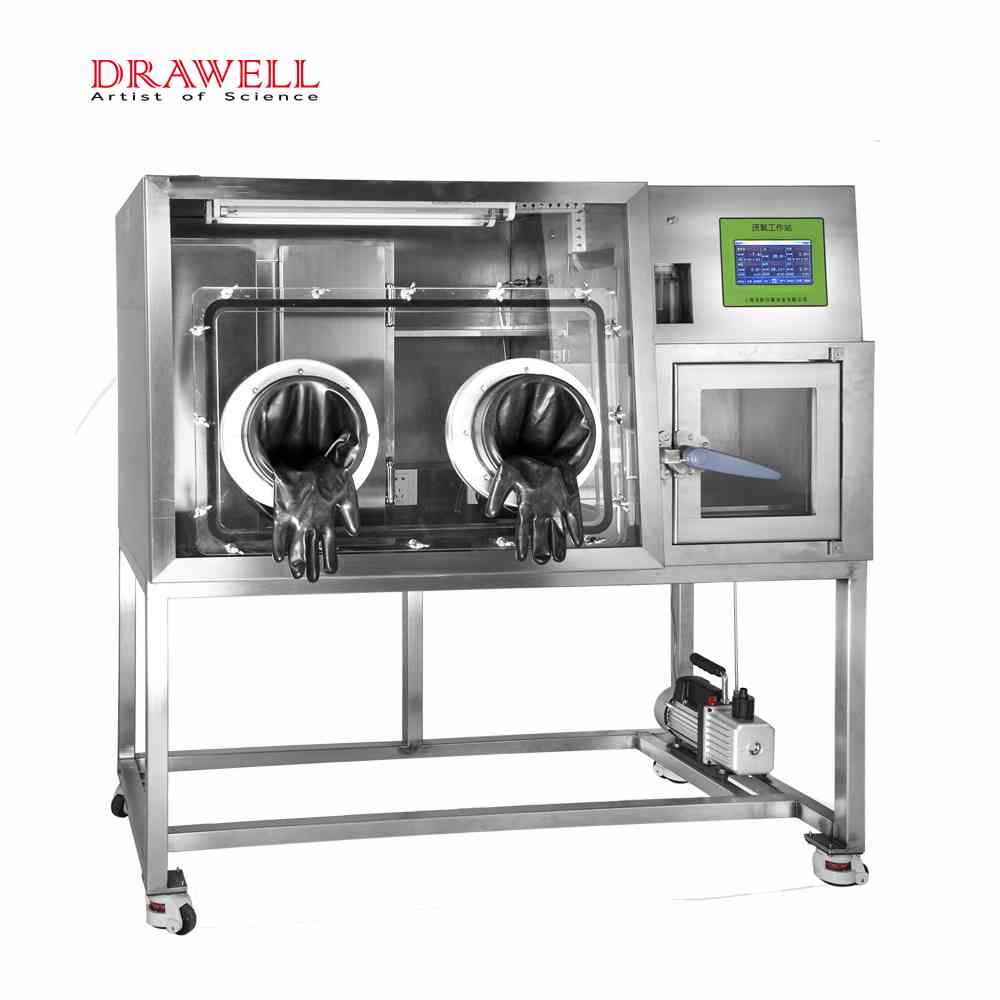
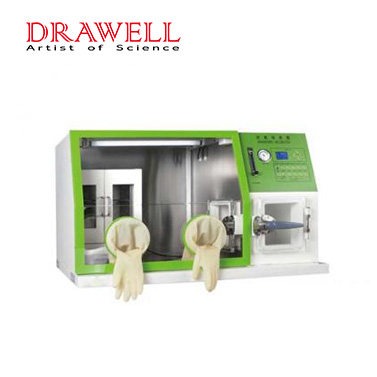
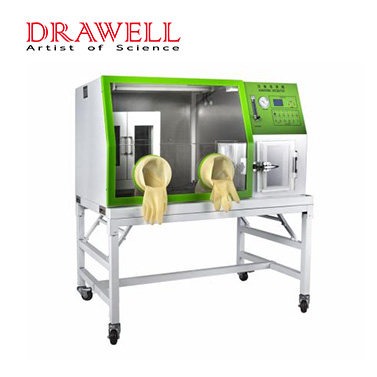
Drawell is a reputable supplier of quality anaerobic incubators aimed at precise control of the environmental parameters needed to grow and cultivate anaerobic microorganisms for the intended use. Their anaerobic incubators are directed to optimal conditions for a diversity of research and industrial applications, such as academic labs, pharmaceutical research, industrial microbiology, and much more. This is attributed to the advanced features including, solid temperature and humidity control, dependable control of oxygen-free atmospheres, and robust structure.
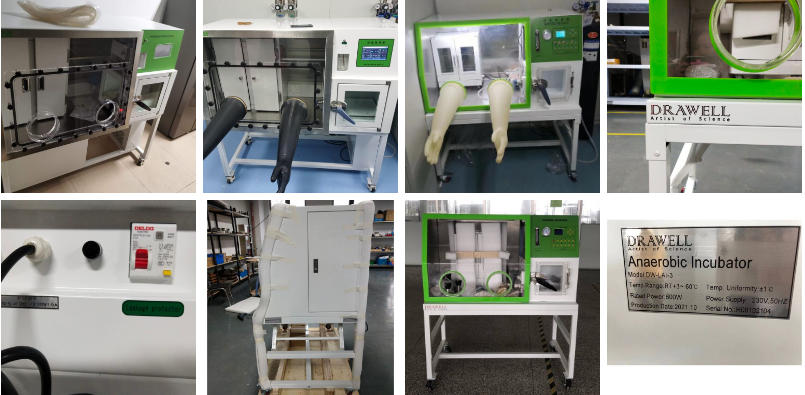
Continuous Monitoring and Maintenance in Anaerobic Incubators
To ensure consistent conditions and avoid any disruptions, it is vital to have anaerobic incubators in place for ongoing monitoring and maintenance.
1. Real-Time Monitoring Systems
Apart from having the right equipment, systems should also be put in place in order to maintain constant surveillance of the anaerobic incubators. Upgraded incubators will also have added features where the user will be able to monitor in real-time the changes in temperature, humidity, and oxygen concentration. Having the systems configured this way, the user will have the opportunity to make adjustments in order to maintain the incubators optimum settings.
Besides being adjustable, real-time systems also enable researchers to record and analyze incubator condition data over a specific interval. This provides the researchers the opportunity to make refinements, track changes, and ultimately pass the data onto the next improvement in the process. Over time, the reliability of the systems will depend on the frequency of their maintenance, including the calibrating of the sensors, which improves precision.
2. Regular Calibration of Sensors and Control Systems
Collecting data and making adjustments will help maintain fixed limits. In order to avoid devices becoming a source of anaerobic contaminations, manual calibration should also be a part of the routine maintenance. Over time, sensors of a poorly calibrated incubator will become drifty and expose the incubator to a range of temperature, humidity, and oxygen concentration, risking the anaerobic organisms.
Calibration should be a part of the routine maintenance plan in the lab and should be undertaken in a timely manner in order to avoid the hygrometer and the incubator becoming a source of contamination. Any major changes to the incubator should also trigger new calibration.
3. Airflow and Ventilation Inspection
Achieving uniform temperature and humidity levels requires consistent and properly managed airflow and ventilation. Stagnant air will form and disrupt internal balance conditions in the incubator when inconsistent airflow occurs. Hence, airflow and ventilation functions should regularly be checked and monitored. Continuous airflow should be maintained, and the ventilation fans should be assessed to determine the balance and evenly distributed air circulation throughout the incubator.
Inevitably, vents will collect dust and debris and possibly interfere with the flow and efficiency of the ventilation system. Cleaning and maintenance of the vents, including the filters and any other part of the system that may contain removable debris, must be kept at regular intervals to ensure consistent effectiveness. In addition, any controllable ventilation system that has adjustable settings should be monitored to determine if the settings are within appropriate and desired conditions.
4. Routine Cleaning and Sanitization
Organic material as well as moisture provides an ideal environment for the growth of fungi and other microorganisms in the incubator, especially in areas of poor circulation. Regular internal cleaning and decontamination are vital to safeguard the anaerobic conditions in the incubator and to maintain the integrity of any experiments in progress.
In addition to regular maintenance, cleaning procedure must include wiping down the incubator surfaces, removing any biological residue, and confirming that no contaminants remain lodged in the incubator. Particular care must be given to the reservoir, which must be scrupulously cleaned to avoid bacterial growth that might attack any humidity control mechanisms of the incubator.
Sterilizing the incubator on a regular schedule leads to a more controlled sterile environment, which is essential to culture work and helps to protect the result of any experimentation from being compromised due to contamination.
5. Documenting and Analyzing Data
Data logging should accompany continuous monitoring systems to track and record a predetermined environmental control. This information is crucial for systems troubleshooting, performance, and continuous strategic improvement. Data monitoring should include temperature, humidity, and oxygen concentration, which will help identify, manage, or control recurring problems.
For example, if humidity is routinely fluctuating, the control system is probably compromised by a faulty water reservoir, seals or unobstructed airflow. This performance data aids users in avoiding complications in the incubator over time.
6. Scheduled Professional Inspections and Maintenance
Besides the routine checks done by the lab staff, it is beneficial to set up professional inspections and maintenance at least once a year. This facilitates more in-depth servicing, which includes inspections on the more intricate systems such as control systems, power supply systems, and ventilation systems. Professional technicians are also able to better answer any questions pertaining to best practices for the control of incubator conditions and any troubleshooting for more persistent problems.
Troubleshooting Common Humidity Issues in Anaerobic Incubators
This chart provides a quick reference guide to troubleshoot common humidity-related issues in anaerobic incubators, along with the causes and practical solutions to maintain a stable environment for anaerobic incubators.
| Humidity Issue | Potential Causes | Solutions |
| Low Humidity | – Insufficient water in the reservoir | – Refill the water reservoir with purified water. |
| – Faulty or improperly calibrated humidity sensor | – Recalibrate or replace the humidity sensor. | |
| – Leaks or cracks in seals leading to moisture loss | – Inspect and replace seals or gaskets. | |
| – Increased external room temperature or low humidity | – Relocate the incubator to a more controlled environment. | |
| – Improper ventilation, causing moisture loss | – Check and adjust ventilation settings or clean the ventilation system. | |
| High Humidity | – Excessive water in the reservoir causing condensation | – Reduce water volume in the reservoir or adjust the humidity control system. |
| – Malfunctioning humidity control system or sensors | – Check, calibrate, or replace the humidity control system or sensors. | |
| – Poor ventilation or excessive airflow causing moisture buildup | – Adjust airflow or ensure that the ventilation system is functioning properly. | |
| – External environmental factors such as high humidity levels in the room | – Ensure that the incubator is placed in a low-humidity area, away from sources of moisture. | |
| Fluctuating Humidity | – Inconsistent door openings allowing external air to enter | – Minimize door openings; use small access ports for sampling. |
| – Water evaporation leading to inconsistent moisture levels | – Seal the water reservoir properly and replenish water regularly. | |
| – Malfunction in the incubator’s humidity control or airflow system | – Inspect, calibrate, and repair the incubator’s humidity control and airflow mechanisms. | |
| – Insufficient insulation or seals causing temperature and humidity swings | – Check insulation and seals for wear, replace if necessary. | |
| Humidity Sensor Malfunction | – Sensor drift or failure to provide accurate readings | – Recalibrate or replace the humidity sensor. |
| – Incorrect sensor placement leading to inaccurate readings | – Ensure sensors are positioned in the correct location, away from direct moisture sources. |
Summary
Monitoring, adjusting, and controlling humidity for anaerobic incubators is critical and affects the growth of anaerobic organisms. Reducing the chances of humidity fluctuation and potential loss in experiments is achievable by understanding the factors that influence humidity, employing automated control systems, and adhering to best practices regarding the management of circulating water reservoirs. Predictable and manageable maintenance will also foster a stable environment for optimum anaerobic cultures to grow, as cultures are more likely to thrive in conditions of frequent monitoring.
Related Products Recommendation
Get Quote Here!
Latest Posts
No posts
What Next?
For more information, or to arrange an equipment demonstration, please visit our dedicated Product Homepage or contact one of our Product Managers.


