



Blog
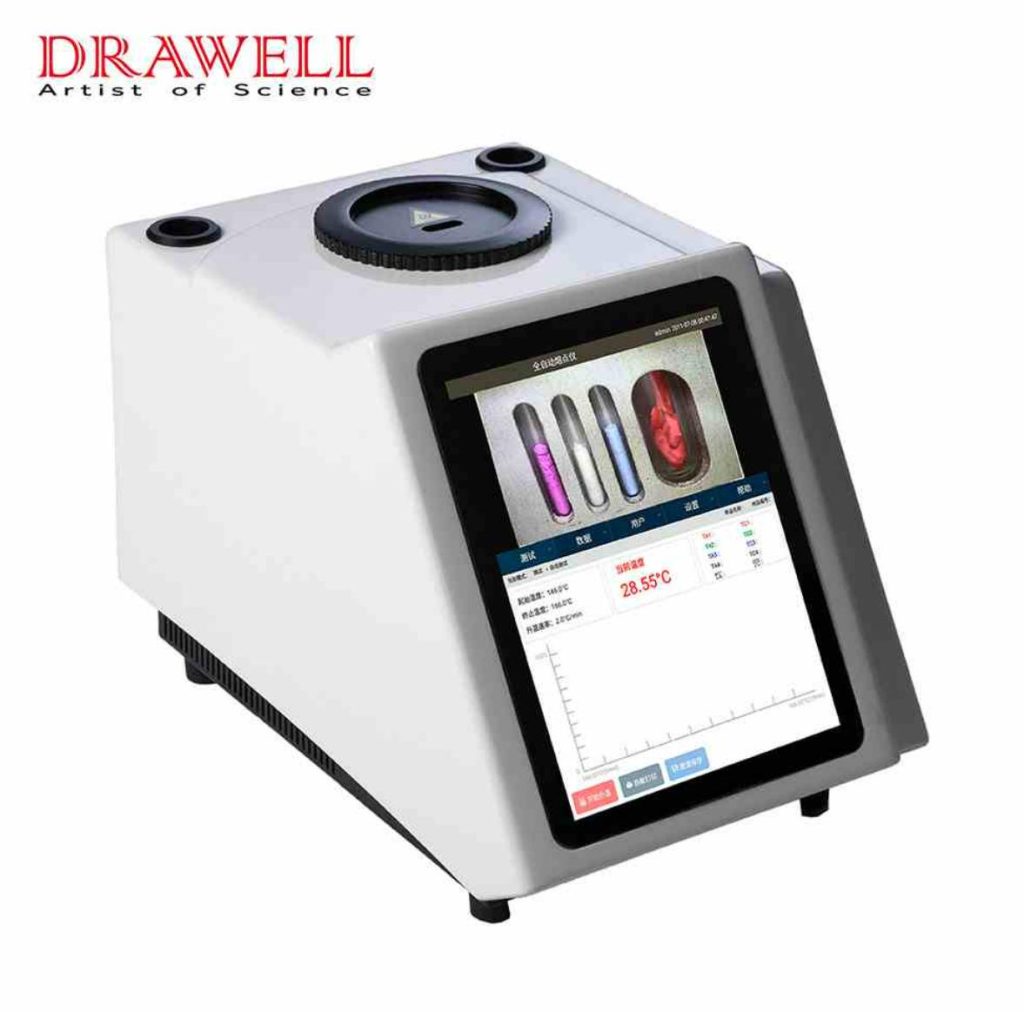
Which Melting Point Apparatus Is Best for Pharmaceutical Labs?
Did you know that in pharmaceutical laboratories, even a seemingly minor deviation in melting point measurement can have far-reaching consequences—impacting millions in R&D investment and, in some cases, determining whether a new drug gains regulatory approval? Melting point determination, a…
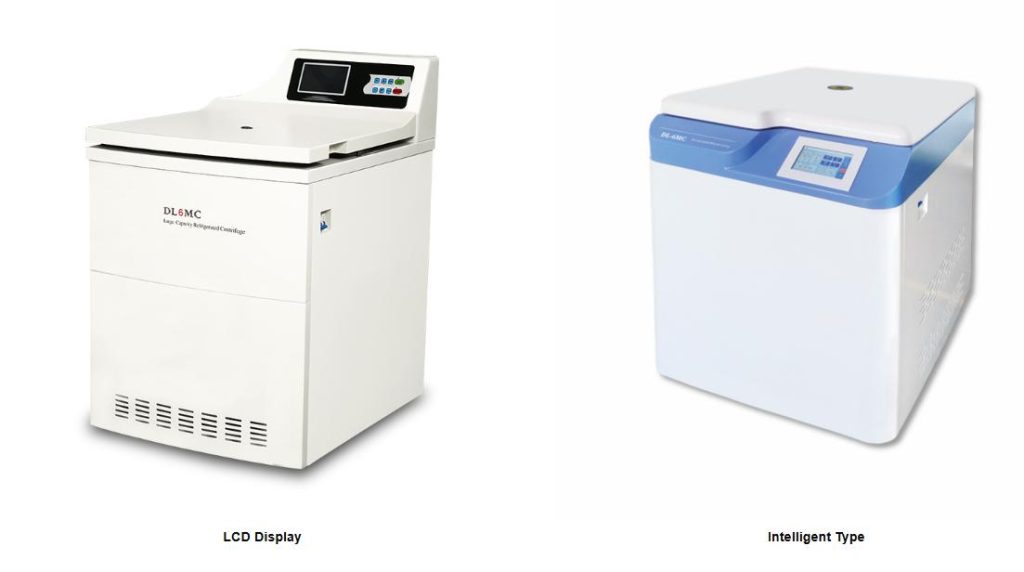
How to Choose a Refrigerated Centrifuge for Blood Banks: Key Specifications Explained
Selecting a refrigerated centrifuge for a blood bank is far more than a routine equipment purchase. It directly affects the quality, efficiency, and safety of blood component separation, with a profound impact on the reliability of clinical transfusions and patient safety…
Choosing the Right Constant Temperature Solution for Your Lab
In modern laboratories, temperature control is no longer a simple supporting function. It directly affects data accuracy, experiment repeatability, and even regulatory compliance. As laboratories become more specialized while also handling increasingly diverse workflows, one key question often arises during equipment…
Precision Cooling: How Refrigerated Thermostatic Baths Used in Biotech & Pharma Lab
Precise temperature control is a foundational requirement in modern biotech and pharmaceutical laboratories. From enzyme activity studies to drug stability testing, even small temperature deviations can affect reaction kinetics, sample integrity, and data reproducibility. Traditional constant-temperature water baths are limited to…
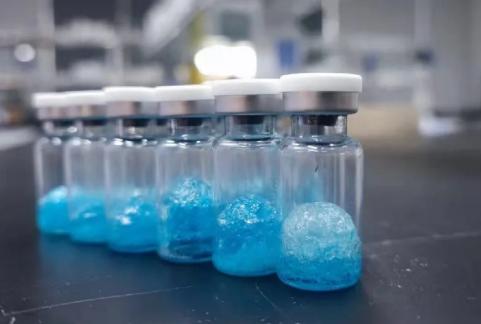
Common Lab Samples Suitable for Freeze Drying and Why
Freeze drying, also known as lyophilization, is one of the closest techniques that exist for labs to preserve the integrity, activity, and structure of sensitive materials. From research labs, pharmaceutical companies, food labs, soil research centers, or everywhere else, the…
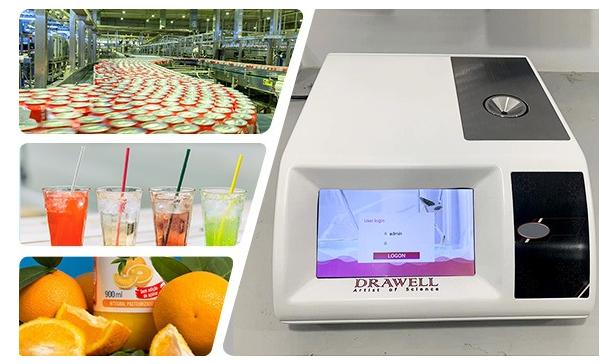
How Automatic Refractometers Support Sugar Content Analysis in Food?
The precise evaluation of sugar content is very important in food production and quality control. For example, products such as sugary drinks, dairy products, concentrated fruit juices, and syrups all require sugar content measurement. The concentration of sugar, on the…
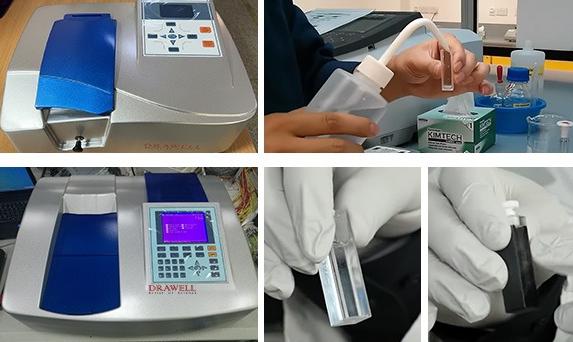
How to Configure the Right UV-VIS Spectrophotometer for Different Water Testing Applications?
Choosing the right water testing spectrophotometer is not just about selecting a UV-Vis instrument—it is about matching the instrument configuration to the actual water quality application. From drinking water laboratories to pond monitoring and wastewater treatment plants, different water types place…
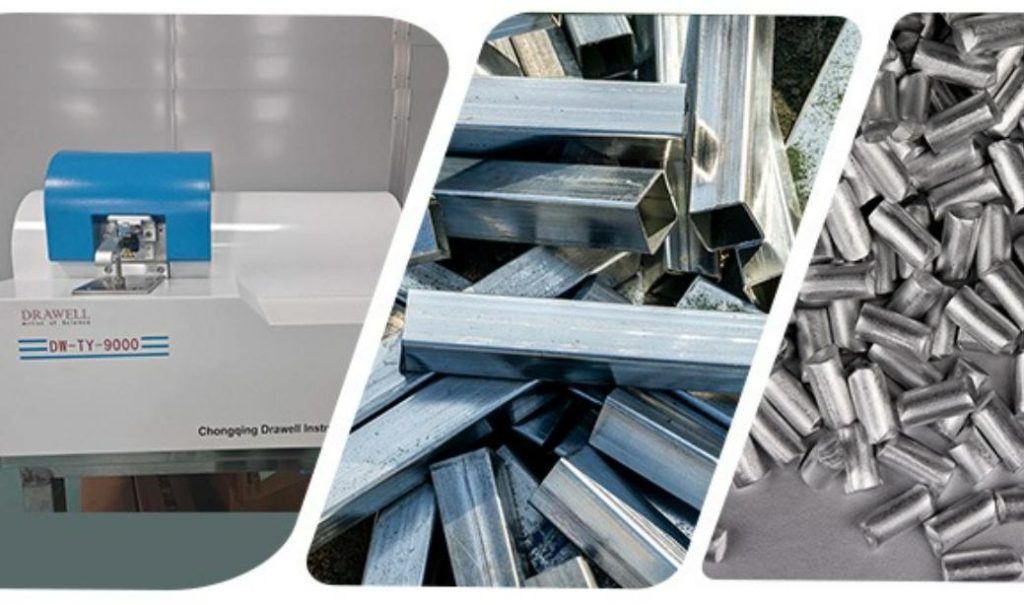
Improving Alloy Separation in Metal Recycling: Why OES Matters
Alloy separation is currently one of the most critical steps in the ever-expanding field of metal recycling around the globe. The correct identification of alloy composition directly affects product quality, production cost, and process reliability, regardless of whether the alloys…
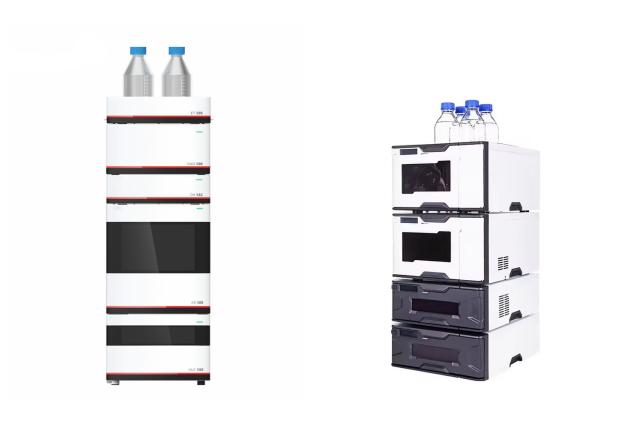
HPLC vs. UHPLC: Does Your Lab Really Need to Upgrade to UHPLC by 2026?
As we move into 2026, and laboratory managers find themselves once more caught in a trap which they have been in before but with more intensity—how to produce better analytical results while also having to deal with strict budgets and…
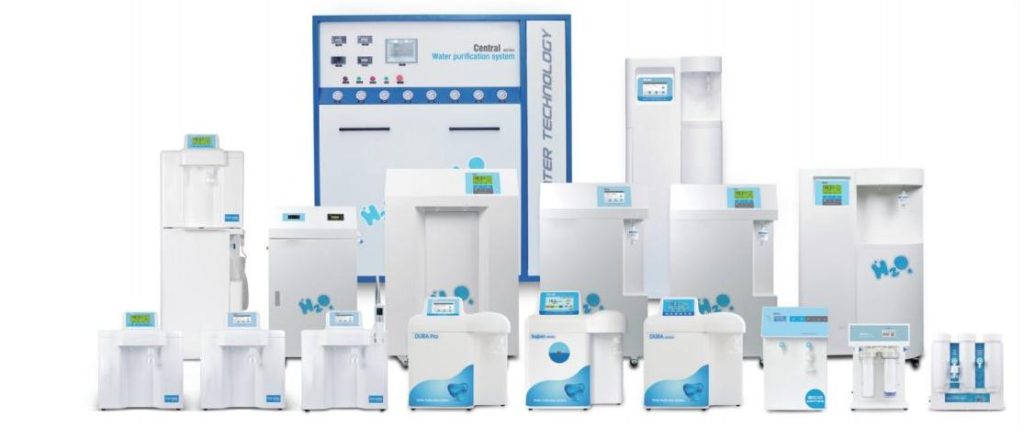
Guide to Select the Right Laboratory Water Purification System Based on Your Lab Type
Water is often treated as a basic utility in laboratory work, but moreover, it is a critical reagent. Water quality, in general, has a major influence throughout the experimental process all the way from sample preparation to running the instrument,…
Browse by category:


