



Blog
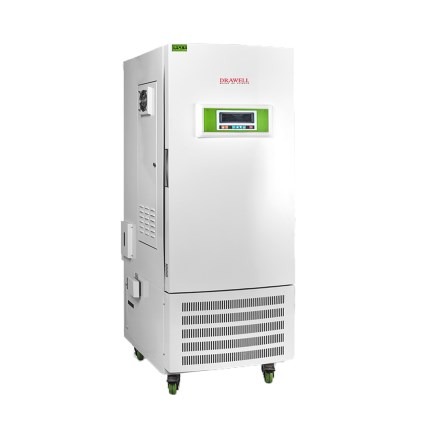
High-speed Temperature Cycling in Climate Chambers: What You Need to Know
Having the right climate chambers to test product endurance, performance, and reliability, is crucial to modern technology advancement. However, due to the advancement of technology, climate chambers and their functions, have developed over time. One of the most important advancements made…

How to Maintain High-temperature Precision in Muffle Furnaces
Muffle furnaces are critical in laboratories, research, and industries involving high precision heating, such as for sintering, calcination, and ash determination analysis. For muffle furnaces, high-temperature precision is of utmost importance. Even minor temperature deviations can greatly affect experiments, products, and safety. Such…

OES vs XRF: Which Metal Analysis Method Is Right for Your Metal Inspection?
Metal quality directly influences safety, performance, and durability. With stricter standards in industries such as automotive, aerospace, energy, and precision manufacturing, the ability to accurately determine metal chemistry has become a must-have rather than a luxury. Modern applications require: Choosing between…
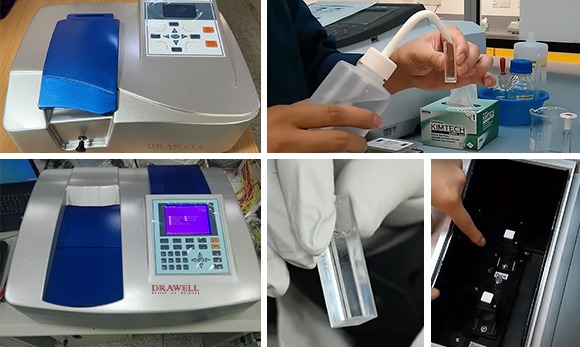
Using UV-VIS Spectrophotometers in Nanomaterials Characterization
In the field of materials science, the integration of nanomaterials is invaluable owing to their unique physical and chemical characteristics. Understanding the behavior of these materials and optimally harnessing their potential requires effective characterization. One of the most prominent instruments…
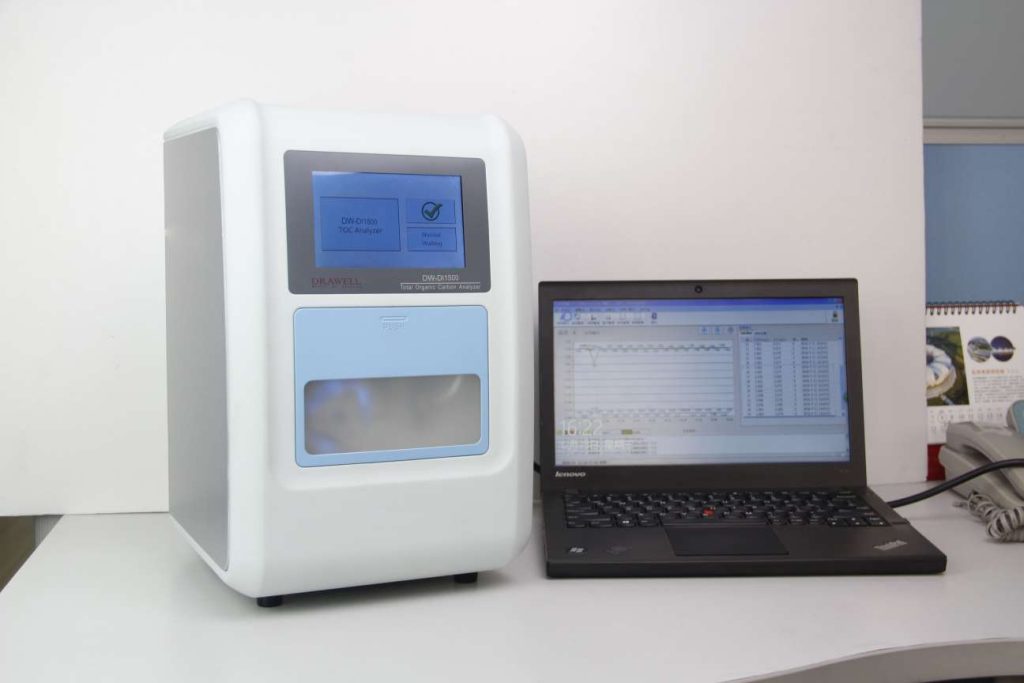
Catalytic vs. Wet Chemical Oxidation in Total Organic Carbon (TOC) Analyzers
Total Organic Carbon (TOC) analysis is an important technique to measure the concentration of carbon organic in water, wastewater and other environmental samples. This measurement is widely used in water treatment, industrial processes and environmental monitoring to determine the levels of organic contamination…
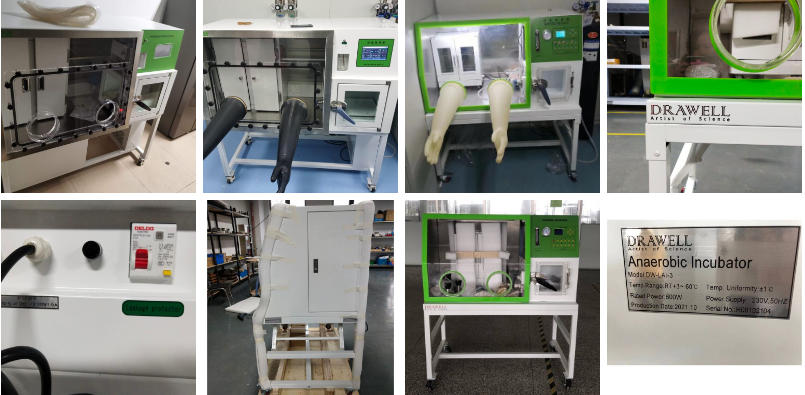
How to Ensure Humidity Stability in Anaerobic Incubators
Ensuring stable environments is essential for several microbiological and biochemical practices, including cultivating anaerobic organisms in anaerobic incubators. Of several factors that affect the growth and wellbeing of anaerobic microorganisms, the humidity stability is of utmost importance. Hence, it is important…
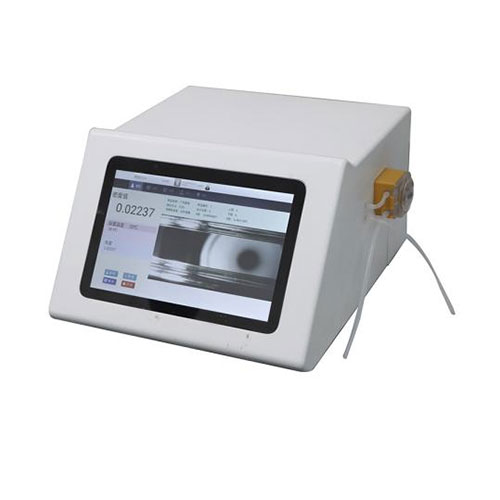
From Water to Strong Acids: How to Choose the Right Laboratory Density Meter for Various Liquids
Density is a fundamental property of matter that directly correlates with concentration, composition, and temperature. In laboratory and industrial settings, density data supports: Yet, the challenge lies in diverse sample types: water-based solutions are easy to measure, while strong acids,…
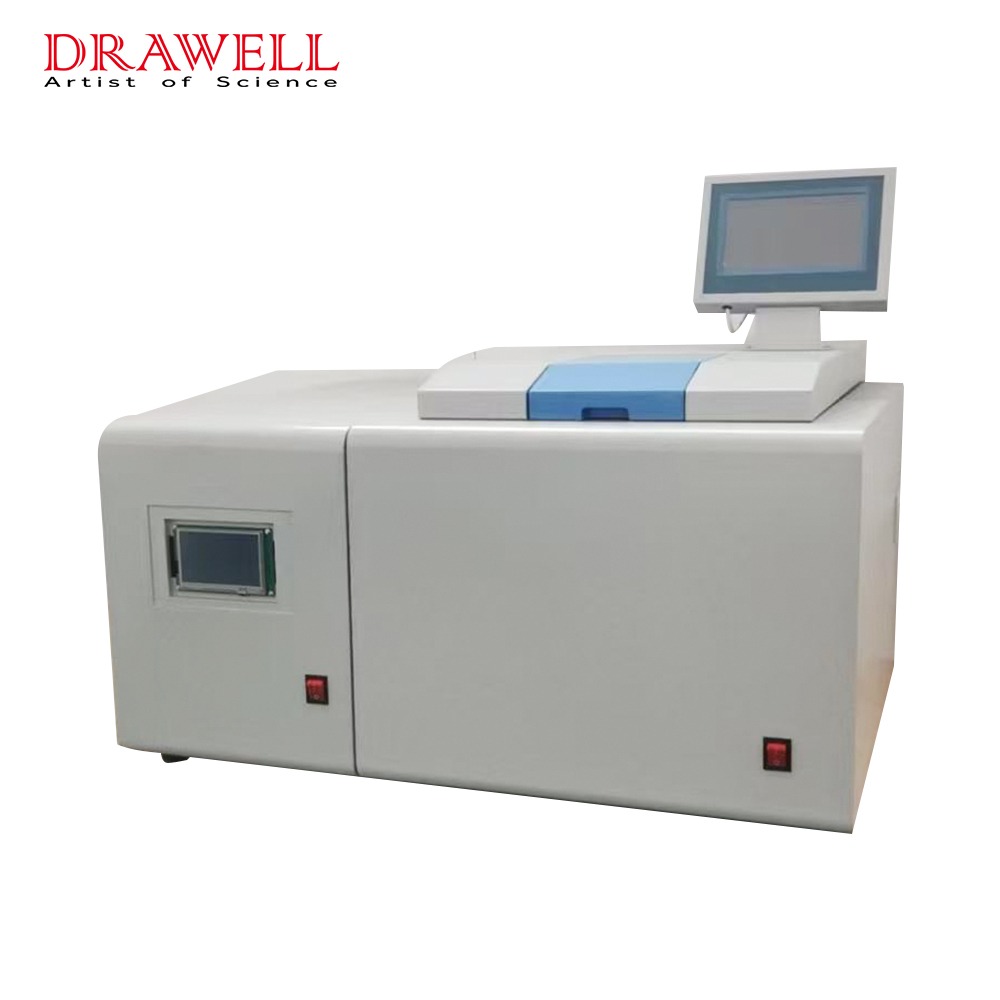
Automatic Bomb Calorimeter Solutions for Coal and Biomass Energy Labs
Are you ready to stop losing thousands on inefficient testing, inconsistent data, and manual labor? In the rapidly evolving global energy market, precision in calorific value measurement is non-negotiable. For laboratories focused on coal analysis and the burgeoning field of biomass…

How to Extend the Lifetime of Chromatographic Columns
Chromatographic columns are commonly used for gas chromatography (GC) and High-performance liquid chromatography (HPLC) and other separation techniques to ensure the identification and quantification of chemical components. Due to their essential importance and their high cost, maintaining the performance of chromatographic columns and extending their lifetime is essential to…

Is a Class B Autoclave Worth It for Your Dental Clinic
As a trusted partner to dental professionals, we often hear one question from clinic owners and procurement managers: “With several types of sterilizers available, is investing in a Class B autoclave truly justified for our practice?” It’s a crucial question…
Browse by category:


