


When it comes to characterizing materials in research, quality control, or product development, choosing the right thermal analysis technique can make all the difference. Two of the most widely used instruments – the “Thermogravimetric Analyzer (TGA)” and the “Differential Scanning Calorimeter (DSC)” – are often mentioned together, yet they answer fundamentally different scientific questions.
If you’ve ever asked yourself:
- “Should I use a TGA or a DSC for my polymer sample?”
- “Can TGA measure melting point?”
- “Do I need both instruments for a complete thermal profile?”
– you’re not alone. In this guide, we’ll clearly explain what TGA and DSC actually measure, where they overlap, where they diverge, and most importantly – when to use each. Whether you’re in pharmaceuticals, polymers, food science, or energy materials, this comparison will help you select the right tool for actionable data.
What are TGA and DSC?
Thermogravimetric Analyzer (TGA)
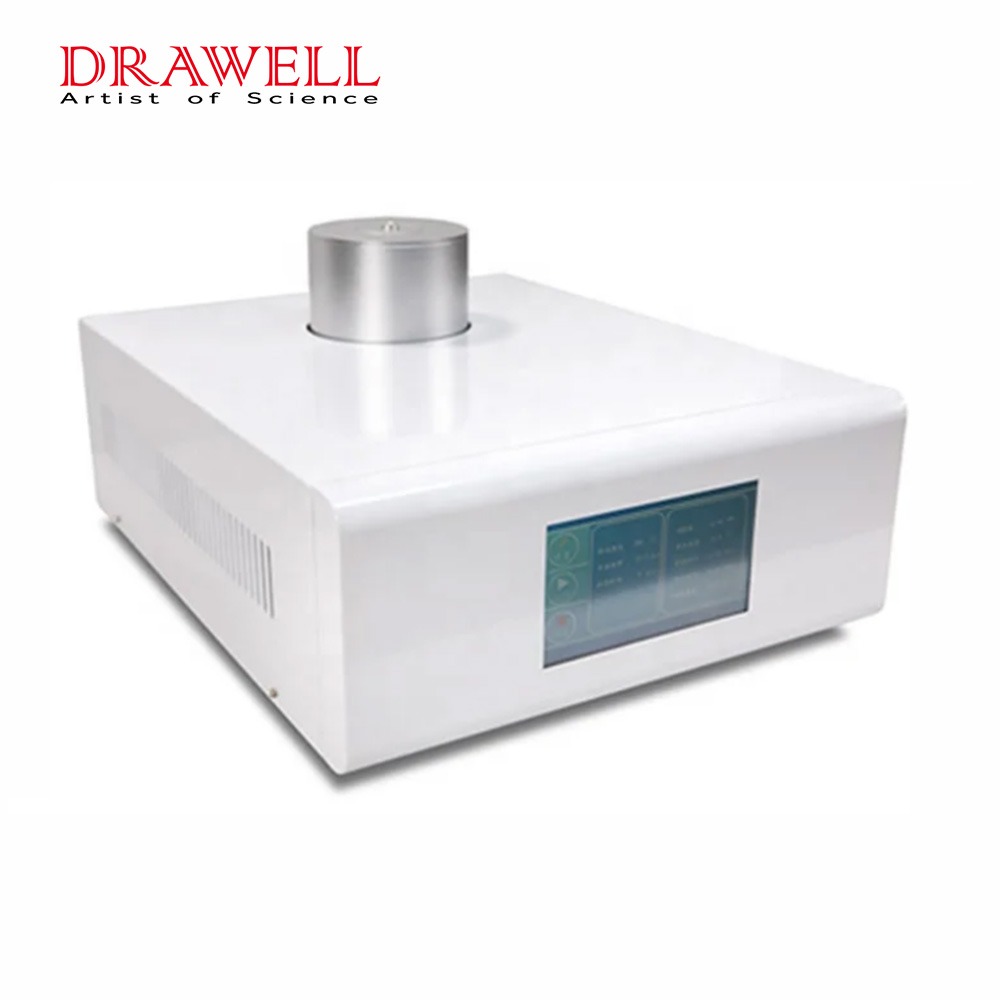
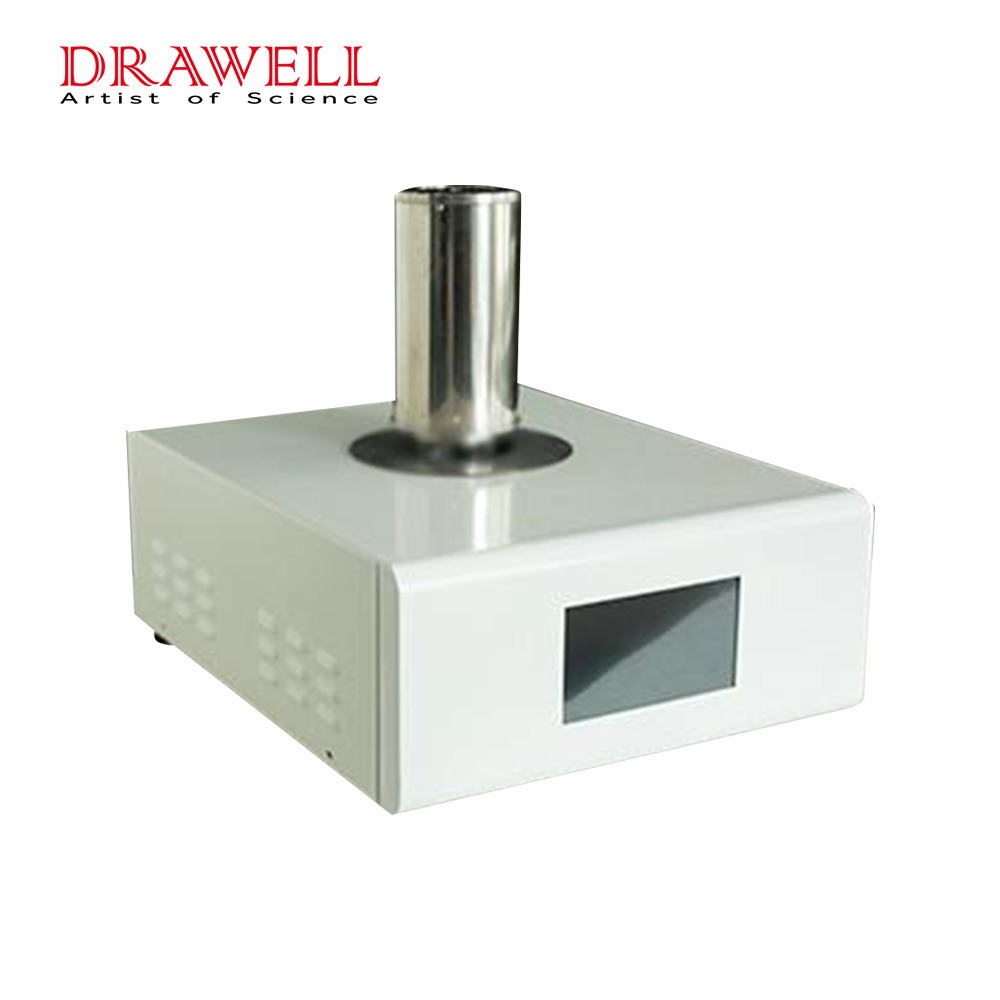
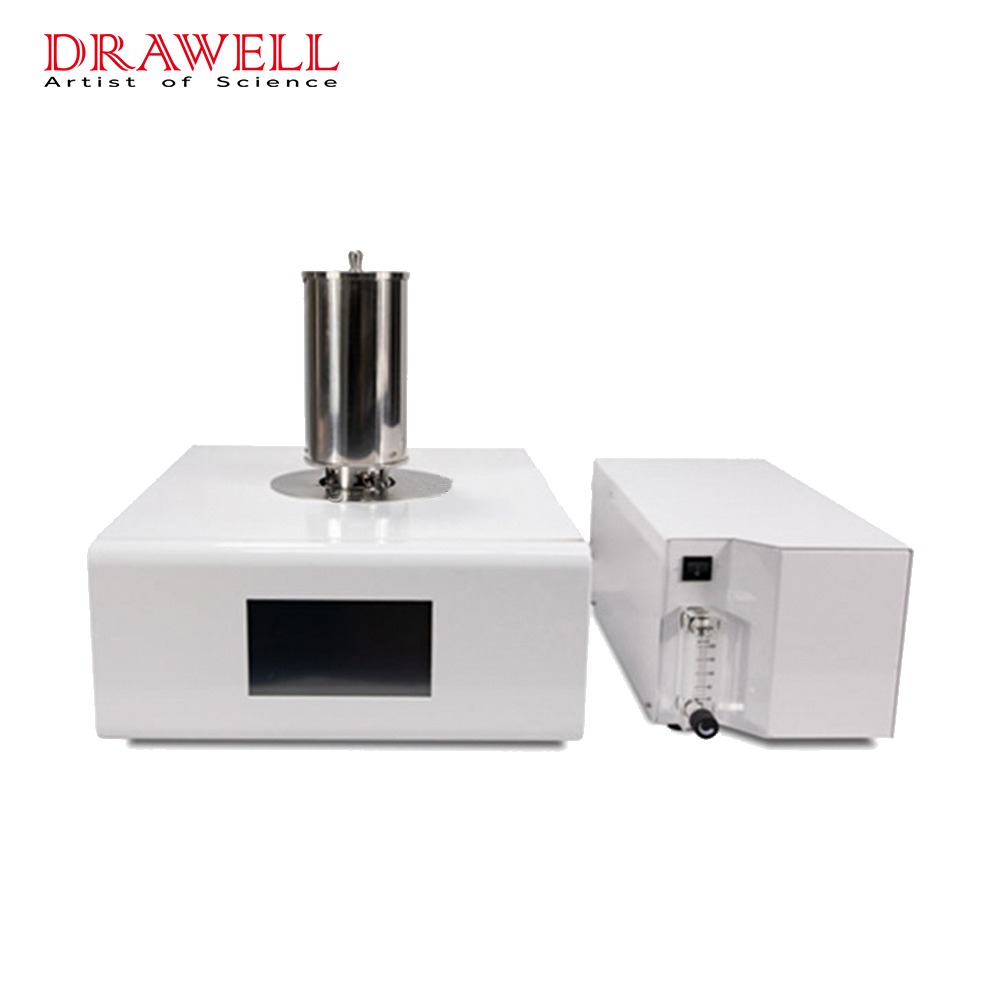
A Thermogravimetric Analyzer (TGA) measures changes in a sample’s mass as it is heated, cooled, or held at a constant temperature in a controlled atmosphere. The core output is a weight-loss curve, which reveals when and how much material decomposes, evaporates, or oxidizes.
For example, TGA can tell you:
- How much moisture is in your battery electrode?
- What percentage of your plastic compound is inorganic filler?
- At what temperature does your lubricant start to degrade?
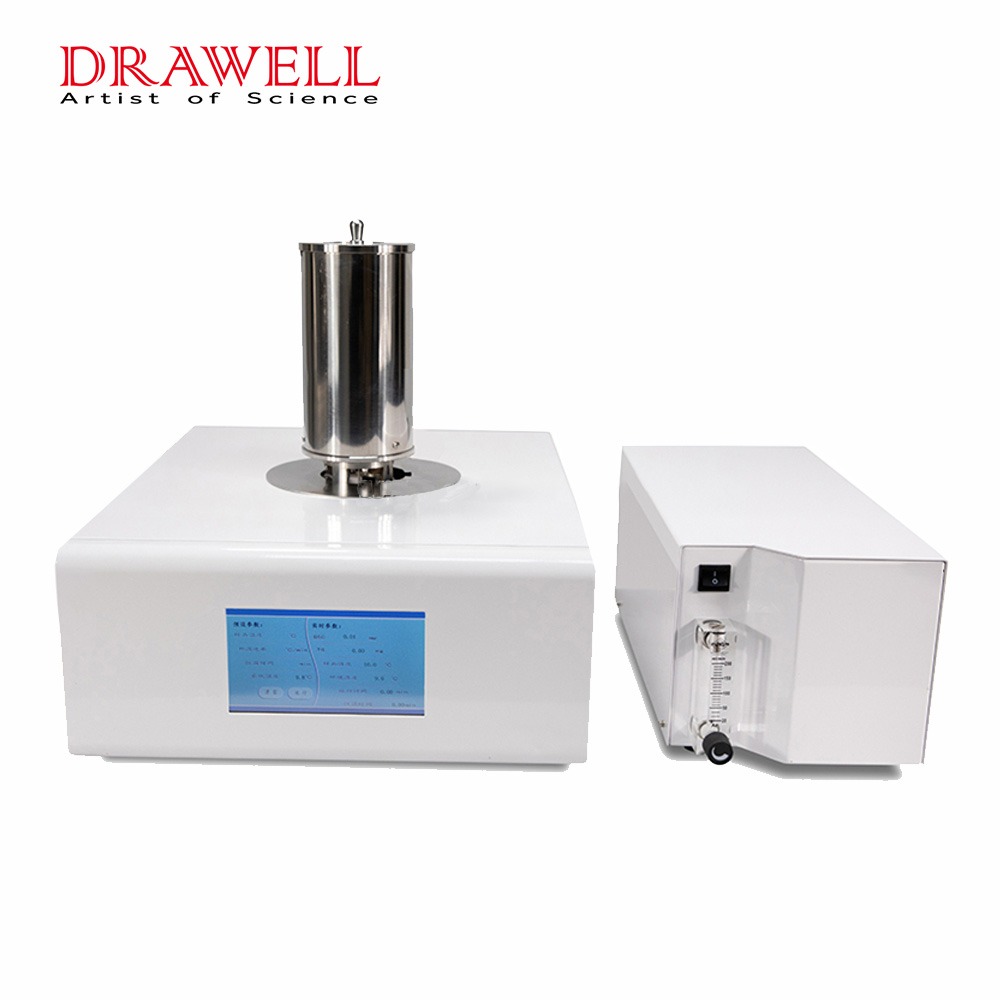
Drawell’s BXT-TGA101 and BXT-TGA1600 analyzers feature high-sensitivity alloy sensors, internal calibration, and automated report generation – making them ideal for precise compositional analysis in industrial and academic labs.
Differential Scanning Calorimeter (DSC)
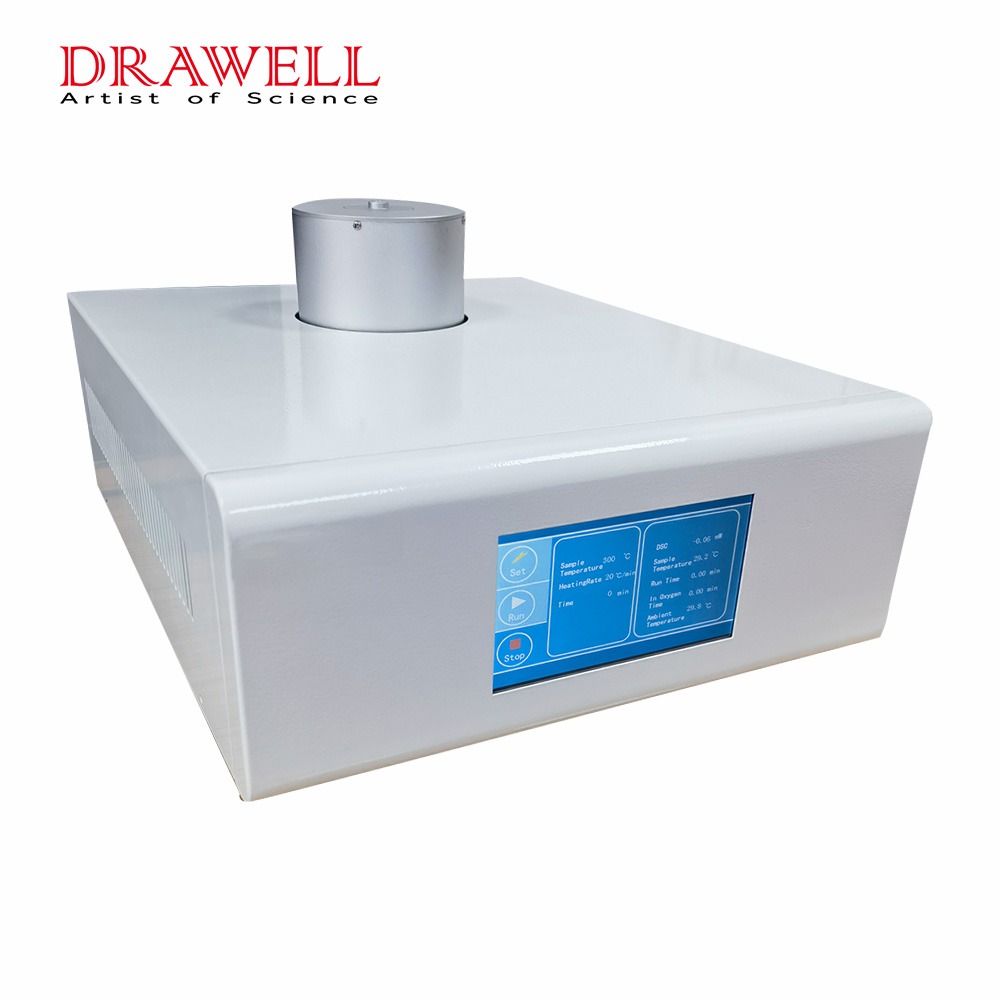
A Differential Scanning Calorimeter (DSC), on the other hand, measures heat flow into or out of a sample as it undergoes physical or chemical transitions. Instead of tracking mass, DSC detects energy changes – such as melting, crystallization, glass transitions, or curing reactions.
With DSC, you can determine:
- The glass transition temperature (Tg) of an amorphous polymer
- The purity of a pharmaceutical compound
- The oxidation induction time (OIT) of a stabilizer in polyolefins
Drawell’s BXT-DSC100 and BXT-DSC100L models combine a fully enclosed metal furnace, intelligent software, and self-calibration capabilities to deliver high-resolution thermal data from room temperature up to 600°C.
While both instruments heat samples in a controlled environment, TGA measures weight changes, and DSC measures heat flow. Each reveals critical but different aspects of material behavior—something you’ll see more clearly in the comparison below.
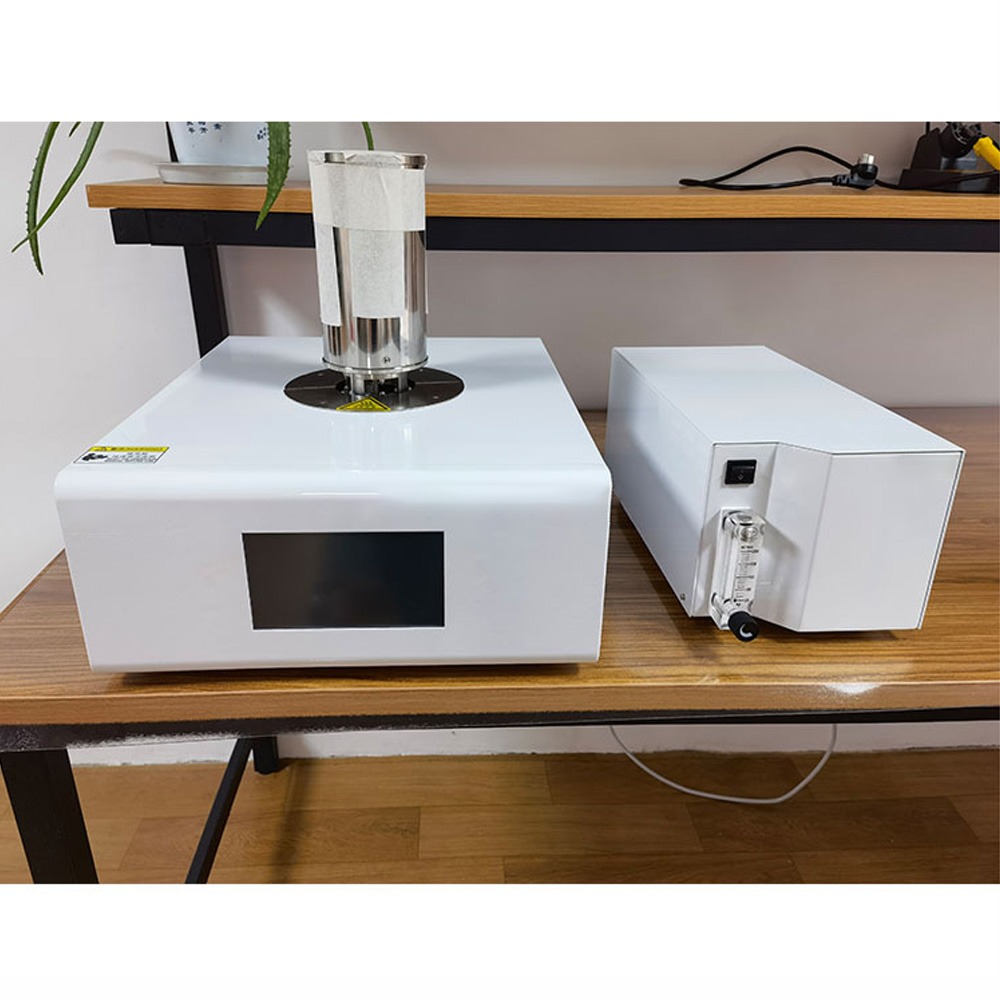
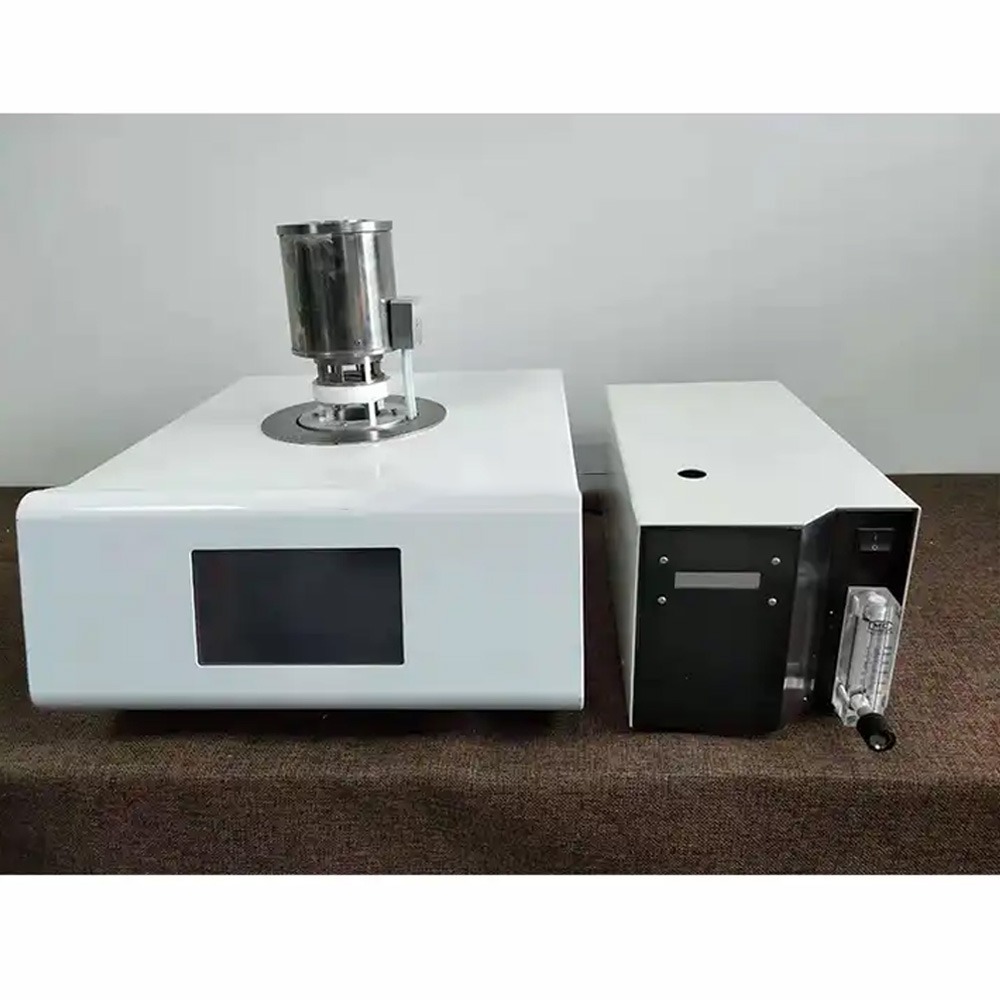
TGA vs DSC: Side-by-Side Comparison
To make their differences more intuitive, here’s a clear comparison table:
| Feature / Purpose | TGA (Thermal Gravimetric Analyzer) | DSC (Differential Scanning Calorimeter) |
| Main Measurement | Mass change vs. temperature | Heat flow vs. temperature |
| Key Insights | Decomposition, moisture loss, oxidation, thermal stability | Melting, crystallization, curing, Tg, phase transitions |
| Typical Output | Weight loss curve (TG) + derivative curve (DTG) | Endothermic/exothermic peaks |
| Sample Type | Polymers, organics, minerals, batteries | Polymers, pharmaceuticals, foods, resins |
| Environment | Inert, oxidative, or mixed atmospheres | Mostly inert or controlled atmospheres |
| Temperature Range | Up to 1600°C depending on model | Usually up to 600°C |
| Best For | Identifying what mass changes occur | Understanding how energy changes occur |
Why This Comparison Matters
Many customers assume that TGA and DSC are interchangeable because both involve heating samples. But as you can see, they answer fundamentally different questions:
- TGA tells you how much material changes.
- DSC tells you how a material changes energetically.
Recognizing this difference helps you avoid misinterpretation and select the right instrument for your analysis needs.

How to Choose Between TGA and DSC?
Choosing between a Thermogravimetric Analyzer (TGA) and a Differential Scanning Calorimeter (DSC) depends entirely on the type of information you need about your material. Below is a practical, application-focused guide to help you decide – by industry, material, and test objective.
| Industry | Material / Sample Type | Choose TGA When to Detect | Choose DSC When to Detect |
| Polymers & Plastics | PP, PE, PET, PC, PA, PVC, composites | • Filler (e.g., CaCO₃, glass fiber) or ash content • Moisture / residual solvent • Thermal decomposition temperature • Flame retardant char yield | • Glass transition temperature (Tg) • Melting point (Tm) & crystallinity • Oxidation Induction Time (OIT) • Cold crystallization behavior |
| Pharmaceuticals | APIs, excipients, hydrates, tablets | • Water of hydration / solvates • Volatile impurities • Excipient decomposition onset • Residual solvent content | • Drug polymorphism (different crystal forms) • Melting point & purity • Amorphous vs. crystalline content • Solid-state stability |
| Food Science | Fats, oils, chocolate, starch, dairy | • Moisture & fat content (via stepwise decomposition) • Thermal stability of additives | • Fat crystallization polymorphs (e.g., cocoa butter Form V) • Starch gelatinization temperature • Melting profile of butter/oil blends |
| Battery & Energy | Cathode/anode materials, separators, binders | • PVDF binder content in electrodes • Carbon black or conductive agent residue • Electrolyte volatility • Thermal runaway onset (in air) | • Melting point of separator (e.g., PE at ~135°C) • Binder curing behavior • Phase changes in solid-state electrolytes |
| Coatings & Adhesives | Epoxy resins, PU, acrylics | • Solvent evaporation profile • Inorganic pigment or filler loading • Thermal stability under inert/oxidizing gas | • Cure exotherm & degree of crosslinking • Tg of cured film • Reaction kinetics of curing |
| Inorganic & Ceramics | Catalysts, metal oxides, zeolites, precursors | • Decomposition of precursors (e.g., CaCO₃ → CaO) • Adsorbed water or CO₂ • Oxidation/reduction mass changes • Ash content in composites | • Phase transitions (e.g., α-β quartz) • Melting of low-melting inorganics • Crystallization of glass-ceramics |
| Rubber & Elastomers | Natural rubber, SBR, silicone | • Carbon black or silica filler content • Antioxidant/oil volatilization • Thermal degradation in air/N₂ | • Glass transition (Tg, e.g., -70°C for NR) • Curing exotherm (for uncured samples) • Reversion behavior at high T |
| Environmental & Recycling | Waste plastics, mixed polymers, biomass | • Composition of multi-layer packaging (by stepwise decomposition) • Moisture in biomass • Inorganic residue in recycled plastics | • Identification of polymer types via Tm/Tg • Thermal behavior of biodegradable plastics (e.g., PLA, PBAT) |

Ready to Find Your Ideal Thermal Analyzer?
At Drawell, we design high-performance, cost-effective TGA and DSC systems trusted by labs worldwide. Whether you need the high-temperature stability of the BXT-TGA1600 or the precision glass transition detection of the BXT-DSC100, our instruments combine advanced sensors, intelligent software, and user-friendly operation.
For TGA users: The BXT-TGA1600 supports up to 1600°C, 0.01 mg resolution, and multi-atmosphere switching (N₂, air, Ar, H₂), making it suitable for both organic and high-temperature inorganic analysis.
For DSC users: The BXT-DSC100 and BXT-DSC100L offer -130°C to 600°C range, 0.001 mW sensitivity, and one-key self-calibration – ideal for precise Tg, OIT, and melting analysis per ISO 11357 standards.
For comprehensive material characterization (e.g., in R&D or failure analysis), using TGA and DSC together provides both compositional (TGA) and thermal transition (DSC) insights – a powerful combination in modern labs.
Not sure which to choose?
Contact our technical team for a free application consultation.
Empower your lab with accurate, reliable, and insightful thermal data – from Drawell, your partner in analytical excellence.
Related Products Recommendation
What Next?
For more information, or to arrange an equipment demonstration, please visit our dedicated Product Homepage or contact one of our Product Managers.


