


Bomb calorimeters are essential tools for determining the calorific value of fuels, biomass, food, waste, and other combustible materials. However, many laboratories often encounter bomb calorimeter problems that affect efficiency, accuracy, and overall testing reliability. From operational difficulties to calibration issues and safety concerns, these challenges can disrupt routine laboratory workflows and lead to inconsistent results.
Here, we summarize the most common problems on the bomb calorimeter, explain how to troubleshoot them, and show how choosing the right equipment (like Drawell’s high-precision automatic oxygen bomb calorimeters) can help you avoid these issues altogether.
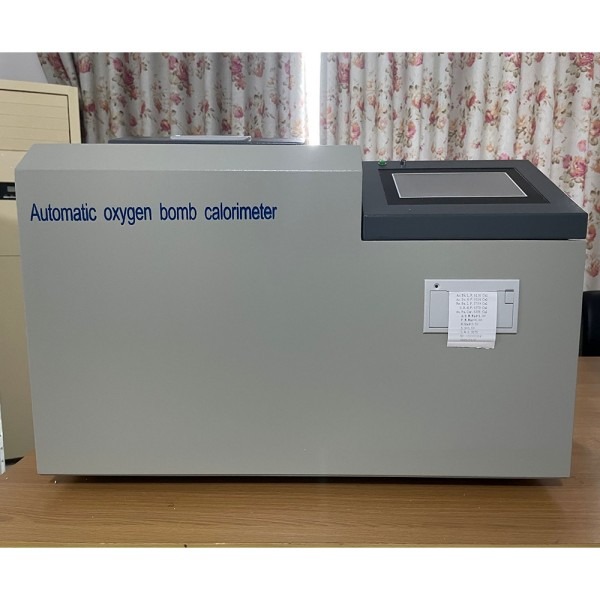
Common Bomb Calorimeter Problems and Practical Solutions
1. Technical & Operational Problems
Even with proper training, operational hiccups are common in manual or semi-automated systems. Below are frequent issues and how to address them:
| Problem | Possible Cause | Solution |
| Incomplete combustion | Wet or improperly prepared samples; insufficient oxygen filling; damaged ignition wire | Ensure sample dryness; use 99.5%+ oxygen; replace ignition wire; check crucible placement |
| Oxygen leakage from the bomb | Worn O-rings; loose sealing cap; damaged valve | Inspect and replace sealing ring regularly; tighten the cap evenly; maintain valves |
| Slow or unstable temperature rise | Water bath instability; poor stirring; heat loss | Check stirring speed; ensure water circulation; verify insulation |
| Ignition failure | Faulty electrodes; loose ignition wire; low oxygen pressure | Clean electrodes; secure ignition coil; ensure correct O₂ pressure (25–30 atm) |
| Repetitive workflow challenges | Manual water filling, manual ignition, manual recording | Use automatic oxygen filling, automatic water volume control, automatic ignition, and software data recording (available in Drawell models) |
2. Accuracy & Calibration Challenges
Accuracy issues account for the majority of problems on bomb calorimeter reported by laboratories. Below are the most common accuracy-related challenges.
| Accuracy Issue | Root Cause | Recommended Fix |
| Measured calorific values are too low | Heat loss to environment; poor insulation; sample not fully combusted | Calibrate insulation; verify adiabatic jacket; ensure proper sample prep |
| Large differences between repeated tests | Temperature sensor drift; unstable water temperature; calibration not updated | Perform regular thermometer calibration; allow water bath to reach equilibrium; run benzoic acid calibration weekly |
| Calibration constant unstable | Poor-quality reference sample; incorrect sample mass; operator inconsistency | Use certified benzoic acid tablets; re-check microbalance accuracy |
| Temperature curve irregular | Stirrer malfunction; inconsistent mixing; air bubbles | Clean stirrer; remove bubbles; ensure stable circulation |
| Incorrect heat capacity calculation | Manual calculation errors; incomplete correction factors | Use built-in software for automatic correction (available in Drawell BXT series) |
If your lab frequently handles different sample types (coal, biomass, oil, food), calibration must be validated for each category to maintain consistency.

3. Safety Concerns
Bomb calorimeters operate under high-pressure oxygen and involve combustion, so safety must be a priority. Here are the most important safety-related concerns.
| Safety Risk | Why It Happens | Prevention Measures |
| Bomb explosion due to overpressure | Excessive oxygen charging; defective bomb body; combustible impurities | Follow recommended O₂ levels; regularly perform pressure tests; clean bomb thoroughly |
| Oxygen leakage during filling | Old sealing rings or improper cap tightening | Replace seals (every 6–12 months); ensure uniform tightening |
| Burn hazards during bomb removal | Removing the bomb too soon after combustion | Allow complete cooling; follow equipment safety lock delay if available |
| Electrical safety issues | Damaged ignition cables or electrodes | Inspect wiring weekly; replace worn components |
| Improper waste disposal | Acidic residues, nitrogen compounds, soot | Neutralize residues; rinse bomb properly; follow lab chemical disposal rules |
A well-designed calorimeter greatly reduces the above risks by providing automatic pressure control, safety interlocks, and flame-proof design.
How Equipment Selection Helps Prevent These Problems
Many bomb calorimeter problems actually originate from outdated or low-quality equipment. Choosing the right system can eliminate up to 80% of operational, accuracy, and safety issues.
Below is how our solutions (Drawell Analytical) address these concerns.
✔ Automatic O₂ Filling & Automatic Ignition
Reduces operational errors, incomplete combustion, and ignition failures.
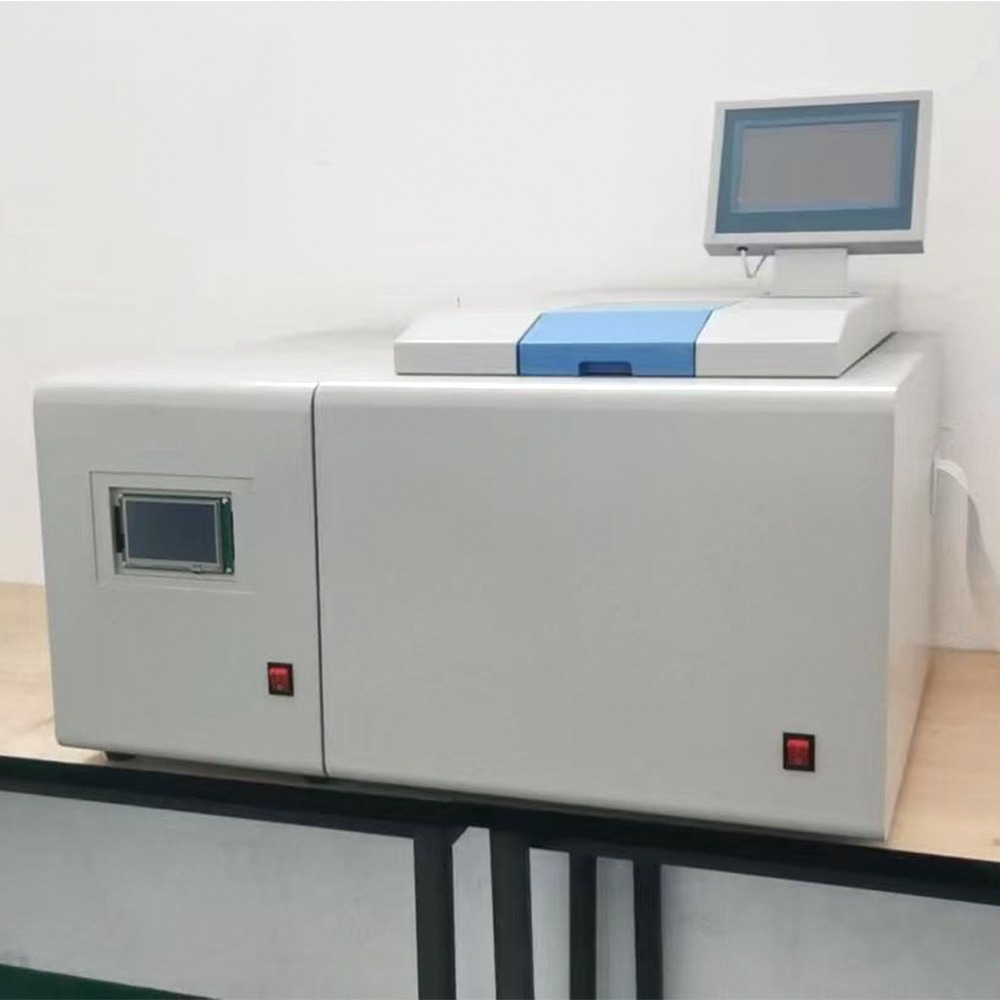
Models such as BXT-ZDHW-9B support:
- fully automatic oxygen filling
- automatic ignition
- automatic bomb washing & drying
- automatic data processing
This eliminates the most common manual mistakes.

✔ High-precision Temperature Control & Refrigerated Circulation
Systems like BXT-HW600A include:
- compressor refrigeration
- temperature stability at ±0.1°C
- highly consistent temperature rise curves
The result is more stable data and excellent repeatability.
✔ Safety Protection & Durable Bomb Design
Our oxygen bombs use:
- corrosion-resistant stainless steel
- enhanced pressure resistance
- multiple safety interlocks
- leakage prevention structure
- long-life sealing rings
This significantly minimizes safety hazards and ensures long-term reliability.
✔ Intelligent Software to Avoid Calculation Errors
Drawell calorimeters include:
- automatic calibration
- automatic heat capacity correction
- real-time curve display
- data storage and export
This helps avoid human calculation mistakes and ensures traceable data for audits.
✔ Comprehensive Support & Spare Parts Supply
We provide:
- training on standard operation
- calibration materials (benzoic acid)
- spare sealing rings, ignition wires
- technical troubleshooting
- fast-response after-sales service
Reliable support helps laboratories maintain stable, long-term operation without downtime.

Final Words
Operating a bomb calorimeter should be a smooth and reliable process—not a source of repeated troubleshooting. By understanding the most common bomb calorimeter problems and applying the right solutions, laboratories can achieve stable, accurate, and compliant calorific value measurements.
However, choosing the right equipment is equally important. High-quality automatic systems can prevent most operational errors, improve data accuracy, and ensure safe, efficient testing.
If your lab is facing recurring issues or planning to upgrade equipment, our team at Drawell Analytical can help you select a solution that fits your workload, sample type, budget, and accuracy requirements.
Looking for a reliable, accurate, and fully automatic bomb calorimeter?
Contact us for technical advice, quotations, and product recommendations.
Related Products Recommendation
Get Quote Here!
Latest Posts
What Next?
For more information, or to arrange an equipment demonstration, please visit our dedicated Product Homepage or contact one of our Product Managers.


