


Plastic manufacturing has become increasingly sophisticated, driven by tighter performance requirements, advanced polymer blends, and sustainability goals such as recycled plastic integration. In this environment, even a small variation in polymer structure can result in issues like warpage, brittleness, poor transparency, or thermal instability. That is why DSC tests for plastics are no longer optional—they are central to modern quality control (QC).
Differential Scanning Calorimetry (DSC) provides manufacturers with a fast, precise, and repeatable way to evaluate material consistency. From tracking melting behavior to assessing oxidative stability, DSC helps ensure every production batch meets specifications.
Here, we talk about the key DSC parameters plastic manufacturers must monitor, how DSC supports production consistency, and how Drawell’s Differential Scanning Calorimeter provides an efficient solution for industrial QC laboratories.
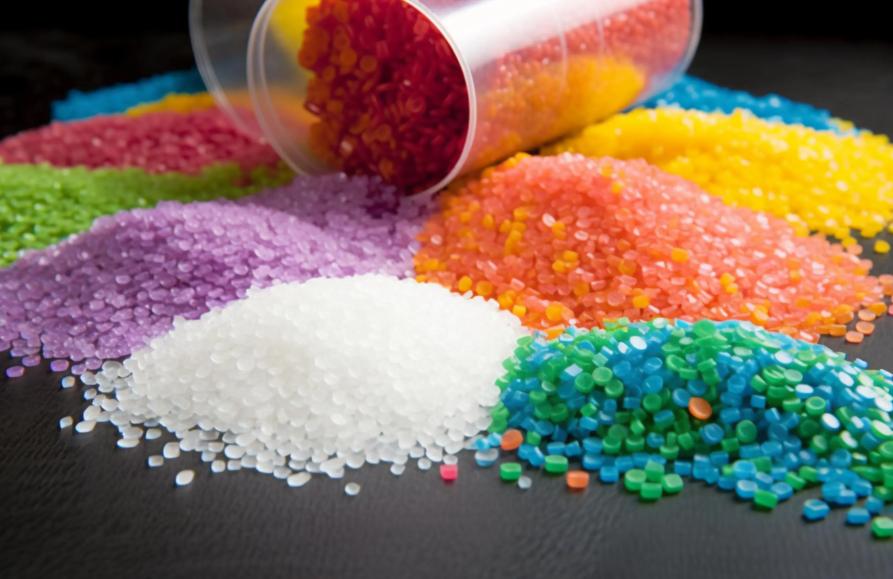
What is Differential Scanning Calorimetry and Why It Matters in Plastic QC?
Before diving into parameters, it’s important to clarify what DSC really tells us.
What DSC Measures?
DSC measures the heat flow into or out of a polymer as it undergoes physical or chemical transitions, including:
- Glass transition
- Melting
- Crystallization
- Oxidation
- Curing or degradation
These thermal events reflect the internal structure and purity of the plastic material.
Why DSC Is Vital for Quality Control?
In QC environments, manufacturers use DSC differential scanning calorimeter to:
- Verify batch-to-batch consistency
- Detect contamination or mixed materials
- Evaluate recycled content quality
- Confirm additive systems (antioxidants, plasticizers, etc.)
- Optimize processing parameters like extrusion and injection molding temperatures
A high-pressure differential scanning calorimeter can also support special applications requiring elevated pressures.
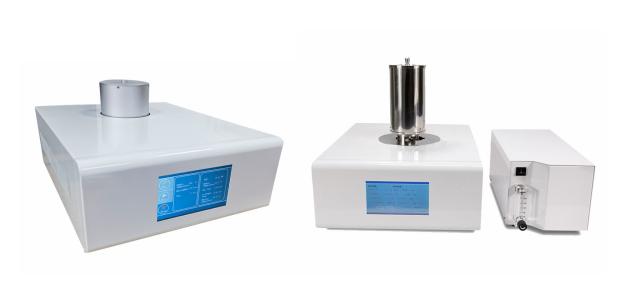
Drawell, as a professional supplier of thermal analysis instruments, provides DSC solutions engineered for these tasks—including:
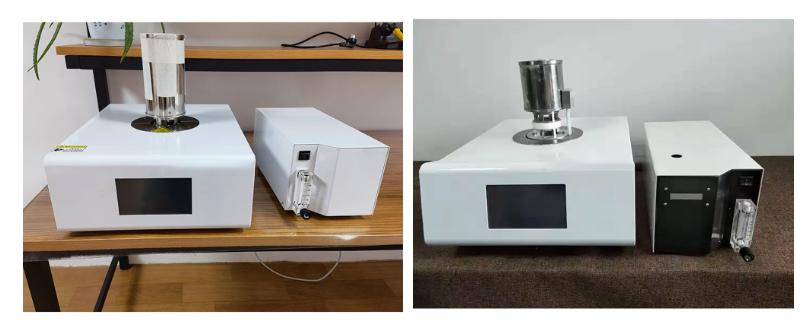
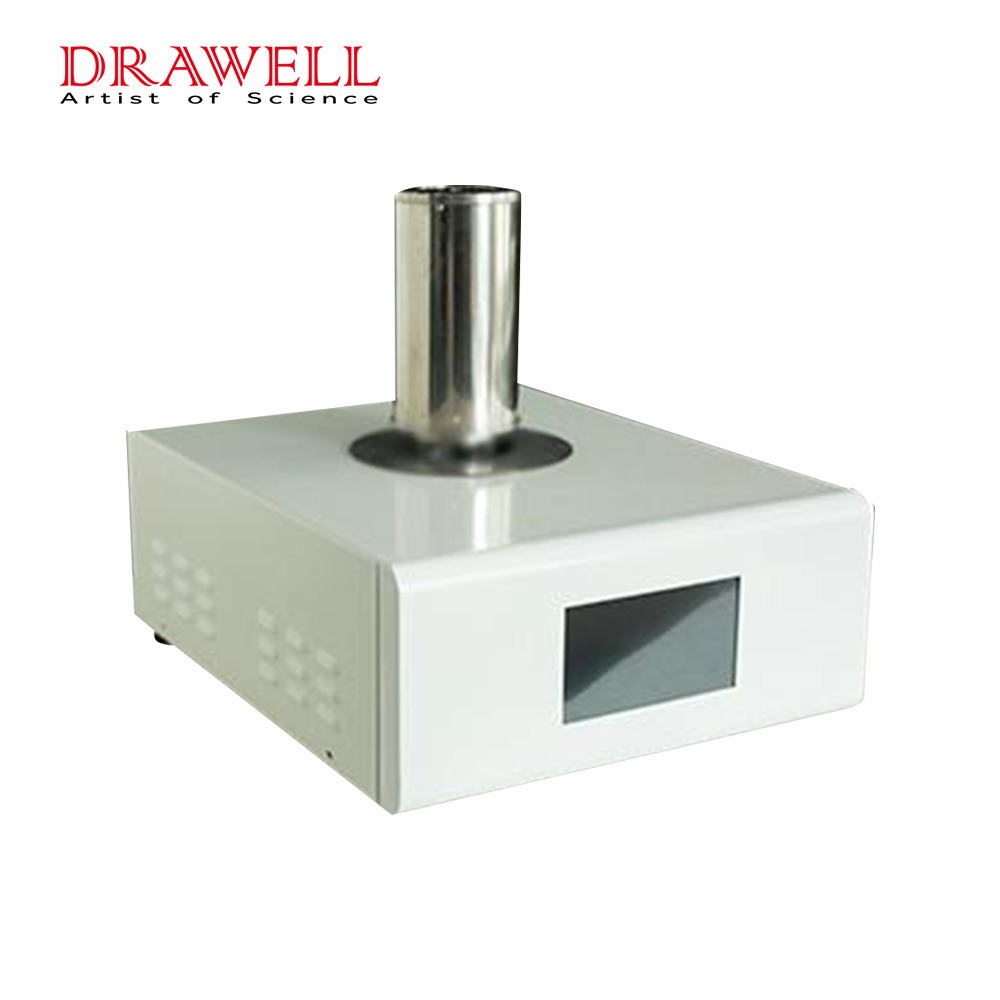
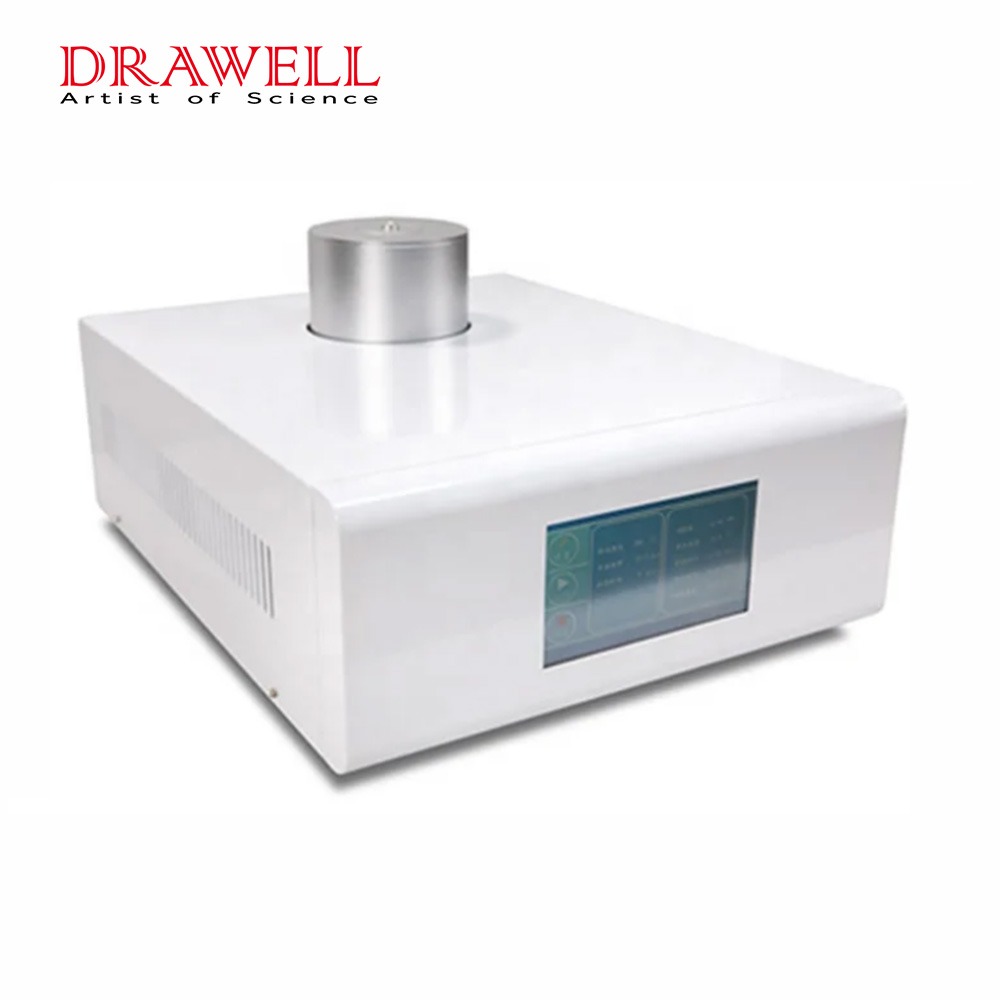
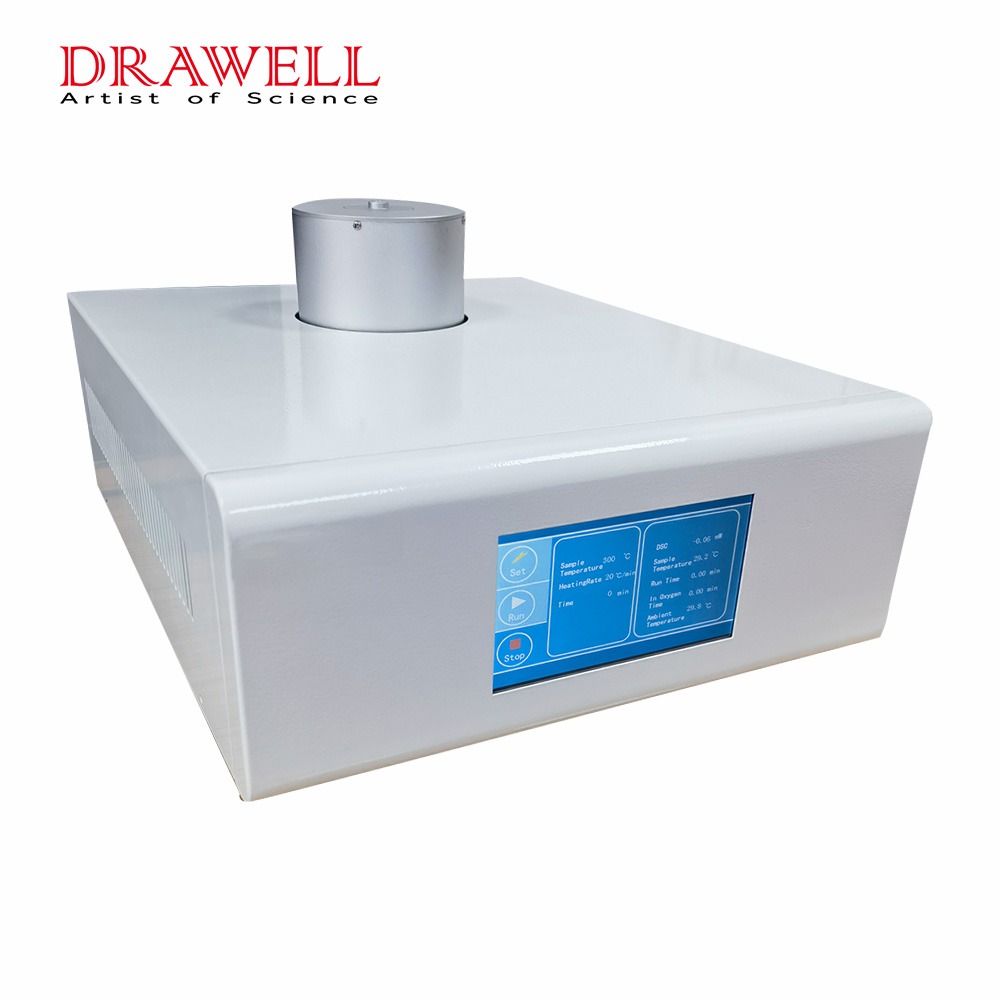
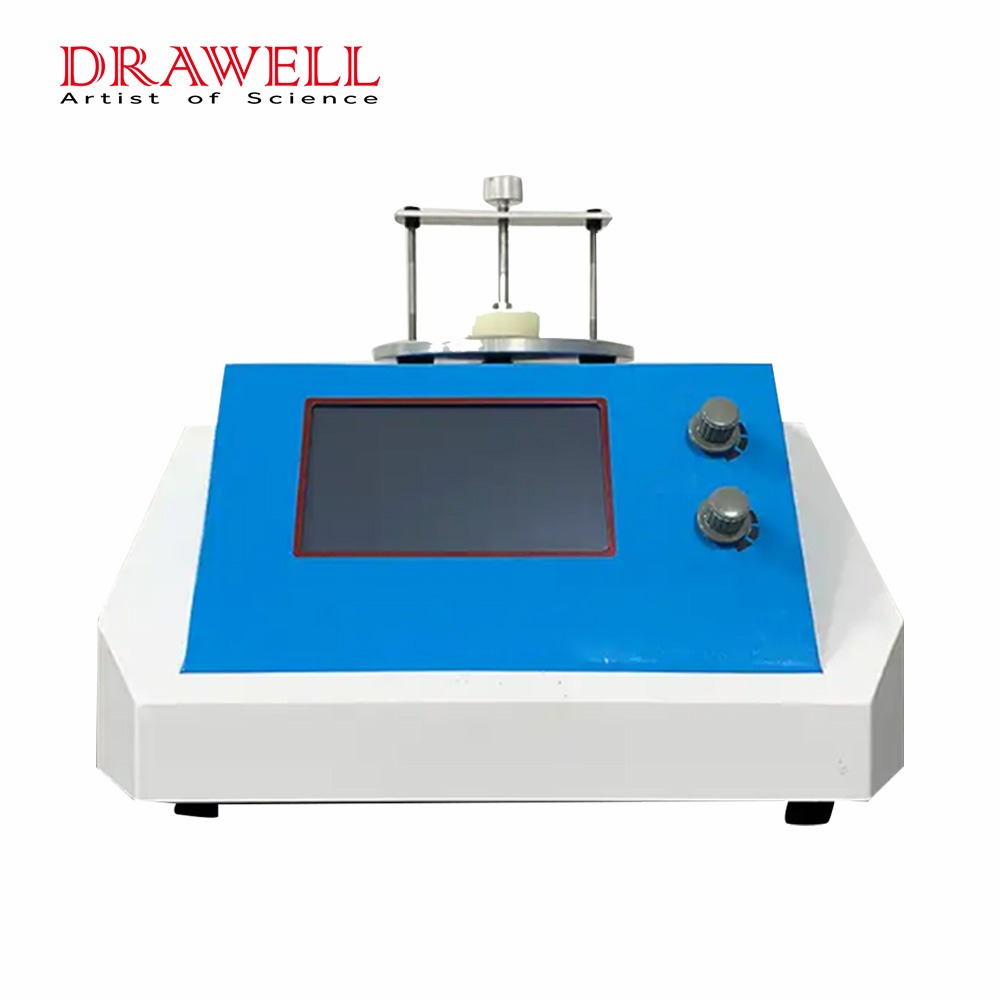
- Drawell DSC100 (standard differential scanning calorimeter)
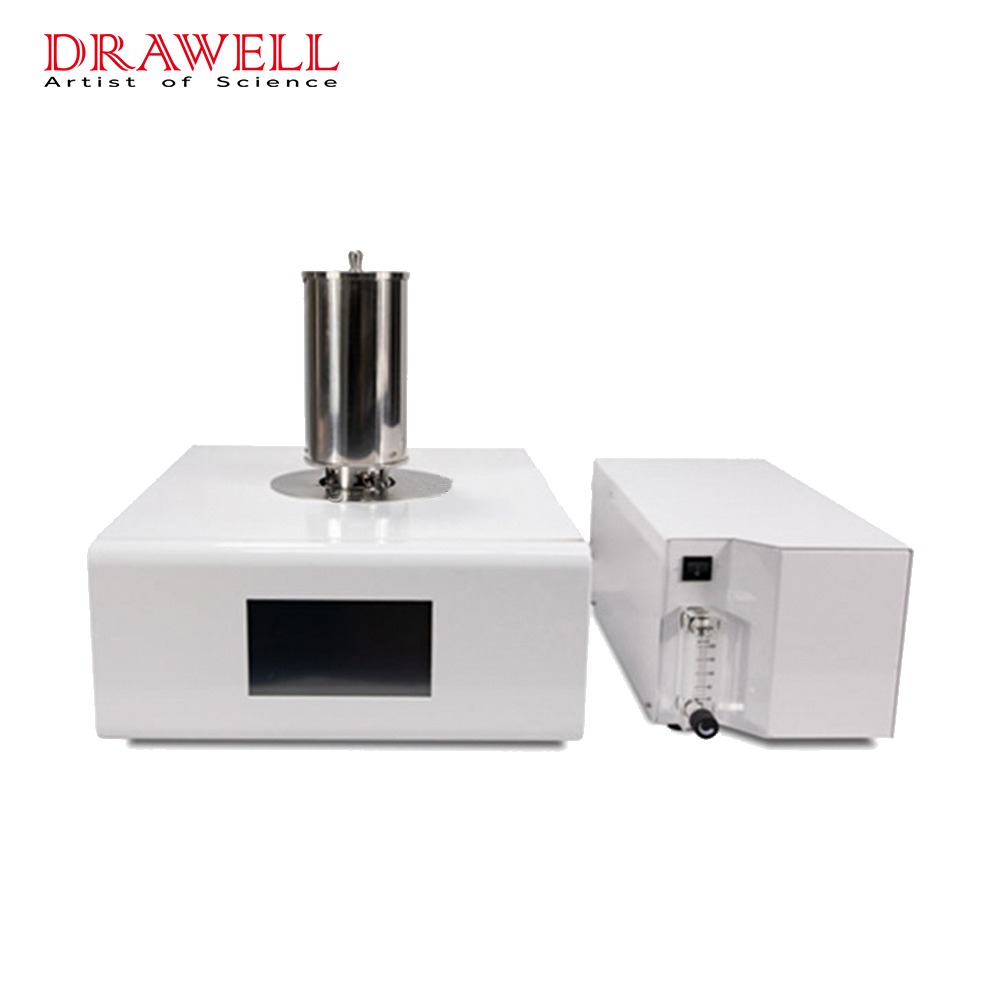
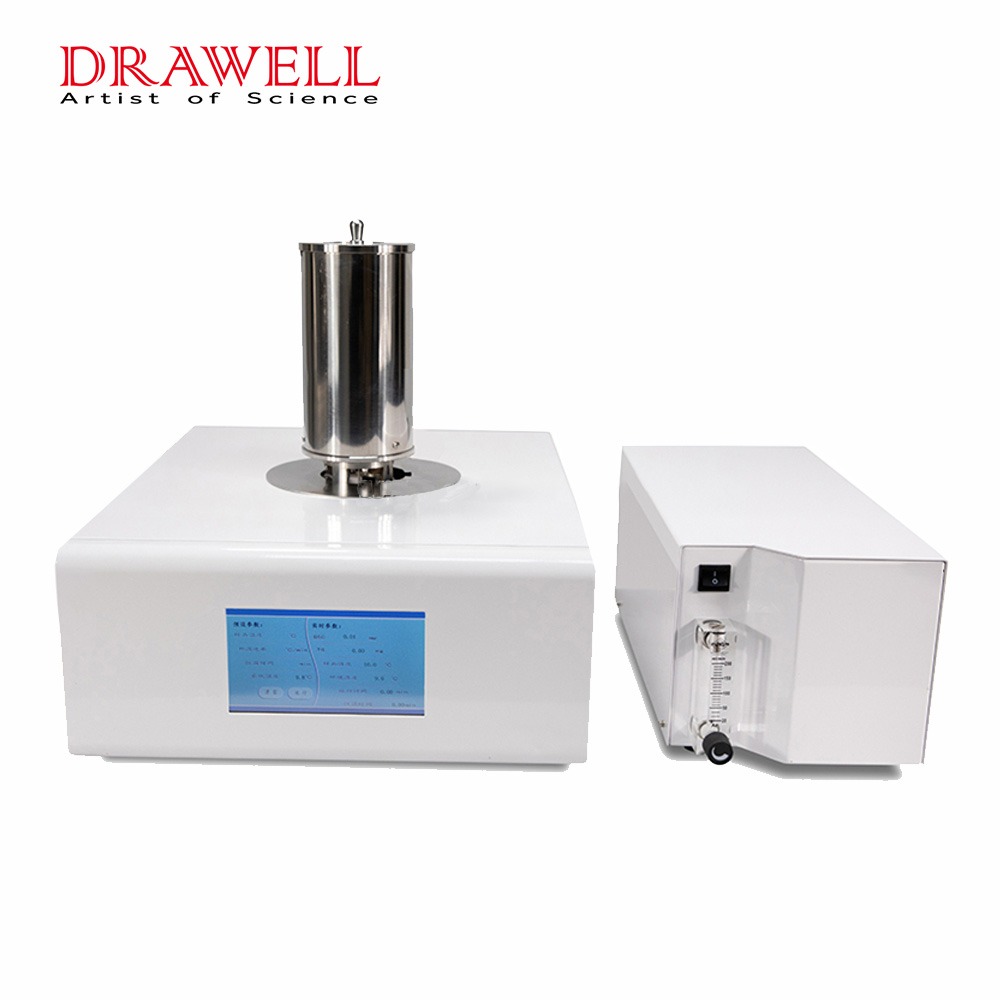
- Drawell DSC100L (extended temperature range & better cooling performance)
Both are designed for QC labs needing fast heating rates, excellent baseline stability, and reliable repeatability.
With the role of DSC now clear, the next step is understanding which measurements matter most in daily quality control. Not all thermal events carry the same importance—certain parameters directly reflect material purity, stability, and processing behavior. The following section highlights these key DSC indicators that plastic manufacturers must monitor to ensure consistent, reliable production.
Key DSC Parameters to Monitor in Plastic Manufacturing
This is the core of quality control. Below are the most important DSC metrics that reveal critical information about polymer performance and consistency.
1. Melting Temperature (Tm)
What it indicates:
Tm reveals the crystalline structure of semi-crystalline plastics (PP, PE, PET, PA, etc.). It reflects polymer quality, molecular weight distribution, and purity.
What QC teams look for:
- A sharp, stable melting peak
- A melting temperature consistent with material specifications
- No unexpected secondary melting peaks (contamination risk)
Issues indicated by abnormal Tm values:
- Mixed materials
- Degradation
- Excessive recycled content
- Poor crystallization behavior
2. Glass Transition Temperature (Tg)
Tg is essential for amorphous plastics like PC, ABS, PMMA.
It determines:
- Flexibility
- Impact resistance
- Brittleness
- Heat resistance
If Tg shifts, it often means:
- Incorrect formulation
- Plasticizer variation
- Humidity uptake
- Additive migration
3. Crystallization Temperature (Tc) and Crystallization Behavior
Tc defines how the polymer transitions back into a crystalline phase upon cooling.
Importance in manufacturing:
- Predict injection mold cooling conditions
- Control shrinkage and warpage
- Improve optical clarity
Consistency in Tc means predictable processing performance.
4. Degree of Crystallinity
A key metric for semi-crystalline plastics that heavily influences:
- Mechanical strength
- Stiffness
- Chemical resistance
- Thermal behavior
DSC measures crystallinity via melting enthalpy (ΔHm).
High crystallinity = high stiffness but also higher shrinkage.
Low crystallinity = lower rigidity and potentially poor thermal performance.
5. Oxidative Induction Time (OIT) / Thermal Stability
OIT is essential for polyethylene, polypropylene, wire & cable polymers, and food-grade plastics.
What OIT tells you:
- Whether the antioxidant package is effective
- Whether the polymer is stable during processing
- Whether aging or oxidation has occurred
Drawell DSC instruments support OIT testing through stable temperature control and oxygen/nitrogen gas switching.
6. Enthalpy Changes (ΔH)
ΔH helps determine:
- Additive levels
- Purity
- Polymer blending ratio
- Degree of cure for thermosets
Stable enthalpy values = stable material formulation.
7. Impurity or Secondary Phase Detection
Unexpected DSC peaks usually indicate:
- Foreign materials
- Recycled content variation
- Moisture or residual solvent
- Incomplete drying
A quick DSC screening often prevents defective batches from entering the production line.
Then we summarize the key parameters and their QC meaning as follows:
| DSC Parameter | What It Reflects | QC Relevance |
| Tm | Crystalline phase quality | Detect contamination, ensure purity |
| Tg | Amorphous phase mobility | Predict brittleness, impact resistance |
| Tc | Crystallization kinetics | Control molding and cooling |
| Crystallinity | Structural uniformity | Strength, stiffness, shrinkage behavior |
| OIT | Thermal/oxidative stability | Assess antioxidant package |
| ΔH | Purity, additives, blends | Batch consistency |
| Extra Peaks | Contamination | Material verification |
Next, we explore how these parameters guide real applications.
Practical Applications of DSC in Various Plastics
Different plastics exhibit unique thermal behaviors, and DSC provides essential data for understanding how each material responds to processing and end-use conditions. By analyzing melting, crystallization, glass transition, and oxidative stability, manufacturers can ensure that each polymer grade performs as expected. Below is a detailed look at how DSC applies to commonly used plastics across industries.
1. Polypropylene (PP)
Polypropylene is one of the most widely used semi-crystalline plastics in packaging, automotive parts, and consumer goods.
DSC helps manufacturers evaluate:
- Melting Temperature (Tm): Confirms polymer purity and tacticity (isotactic vs. atactic content).
- Crystallinity: Directly correlates with stiffness, shrinkage rate, and dimensional stability.
- Oxidative Induction Time (OIT): Essential for verifying antioxidant packages used in pipes, films, and outdoor products.
DSC quickly identifies contamination from PE, recycled PP variations, or thermo-oxidative degradation—issues that directly affect molding stability and mechanical strength.
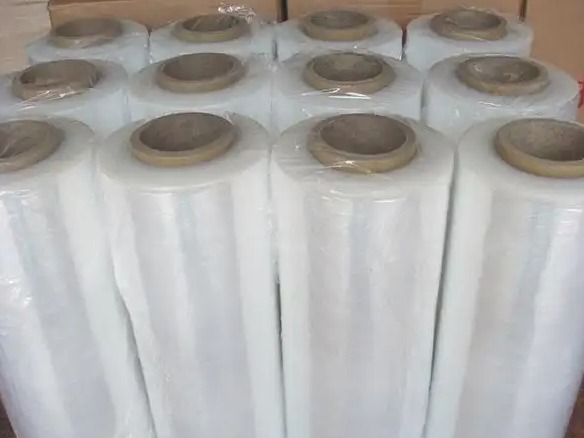
2. Polyethylene (HDPE, LDPE, LLDPE)
Polyethylene grades differ in branching structure, leading to distinct melting behaviors.
DSC provides insight into:
- Multiple Melting Peaks: Indicates blend inconsistencies, recycled content, or processing defects.
- Crystallinity: Impacts tensile strength, rigidity, and environmental stress cracking resistance (ESCR).
- Thermal Stability: Ensures reliability in cable sheathing, packaging films, and chemical containers.
PE recycling facilities frequently use DSC to detect PVC contamination or mixed-polymer streams before extrusion.
3. Polyester (PET and rPET)
PET is widely used in bottle packaging, fibers, and films, while rPET is increasingly adopted for sustainability.
DSC is used to monitor:
- Glass Transition Temperature (Tg): Determines stretch-blow molding performance.
- Cold Crystallization Temperature (Tcc): Critical for preform clarity and reheating behavior.
- Melting Peaks (Tm): Identifies polymer degradation or presence of other polyesters.
In rPET, DSC is invaluable for detecting contamination such as PVC, which causes yellowing and degradation during processing.
4. Polyamide (PA6, PA66)
Nylons are highly sensitive to moisture and process conditions.
DSC offers:
- Tg and Tm monitoring: Ensures correct crystallinity and mechanical performance.
- Hydrolytic Degradation Detection: Water uptake can shift Tg and broaden melting peaks.
- Crystallization Behavior: Critical for molding stability in automotive and electronic components.
DSC helps manufacturers optimize drying conditions and detect quality loss caused by moisture.
5. Polycarbonate (PC)
PC is an amorphous engineering plastic used in lenses, protective housings, and optical components.
DSC tests focus on:
- Glass Transition Temperature (Tg): Central to impact resistance, transparency, and heat performance.
- Thermal Stability: Ensures the material withstands repeated heating cycles.
A shift in Tg often indicates material degradation or incorrect blending with additives.

6. Polystyrene (PS and HIPS)
Although PS is amorphous, thermal analysis is important for processing.
DSC reveals:
- Tg Stability: Determines brittleness and molding consistency.
- Additive Behavior: Helps maintain impact-modified grades like HIPS.
DSC identifies variations in additive dispersion or recycled material ratios.
7. PVC (Polyvinyl Chloride)
PVC has complex formulation requirements with significant additive content.
DSC helps QC teams evaluate:
- Glass Transition Temperature: Indicates correct plasticizer levels.
- Stability Behavior: Detects early degradation caused by formulation errors.
- Fusion Characteristics: Important for pipe, profile, and cable insulation production.
DSC helps prevent processing defects like poor gelation or thermal discoloration.
8. Thermosetting Plastics (Epoxy, Phenolic, PU)
DSC is essential for monitoring curing behavior.
Key evaluations include:
- Cure Degree: Ensures full polymer crosslinking.
- Residual Heat (ΔH): Detects under-cured materials.
- Post-Cure Behavior: Ensures long-term stability.
Critical for electronics, composites, coatings, and adhesives.
Across nearly all polymer types, DSC provides fast, meaningful thermal data that directly reflects material quality. By understanding how each plastic behaves under controlled heating and cooling conditions, manufacturers can prevent defects, optimize processing, and maintain consistent product performance.
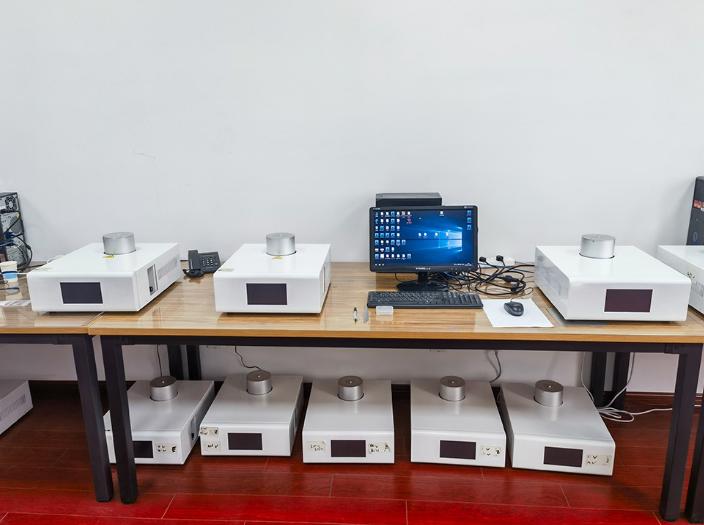
As a trusted supplier of differential scanning calorimetry instruments, Drawell provides robust, accurate, and user-friendly solutions for QC environments. With instruments like the DSC100 Series, manufacturers gain the confidence and precision needed to maintain high production standards.
If you need support choosing the right DSC or have any other questions, Drawell’s technical team is ready to assist you. Please feel free to contact us.
Related Products Recommendation
What Next?
For more information, or to arrange an equipment demonstration, please visit our dedicated Product Homepage or contact one of our Product Managers.


