



Blog
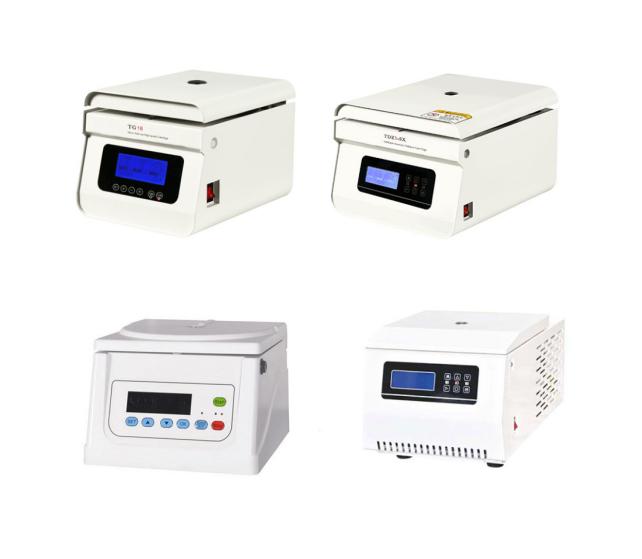
How to Choose the Right Low-Speed Centrifuge According to the Sample
Low-speed centrifuges are essential laboratory tools widely used for separating biological components such as cells, plasma, and precipitated proteins. From basic tabletop low-speed centrifuge units to advanced refrigerated models, their features are different. So the selection process can be overwhelming. As a lab…
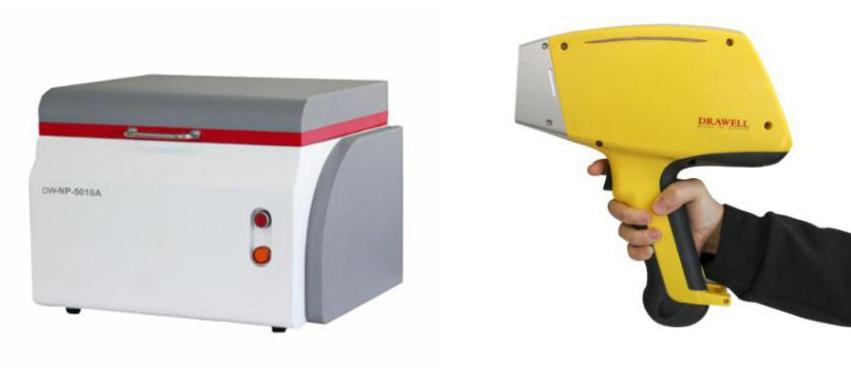
Handheld vs. Benchtop XRF: Choosing the Right Tool for Material Analysis
X-ray fluorescence (XRF) analyzers have become essential instruments in material identification, quality control and elemental analysis in different sectors. With the recent advancements in XRF technologies, users are often required to make a selection between handheld and benchtop XRF analyzers. Each of them…

Automated Sample Handling in XRD: Key Technologies
In modern analytical laboratories, X-ray diffractometer (XRD) is crucial in identifying and characterizing crystallized materials. As demand for high-throughput analysis grows, manual sample handling can become a bottleneck. This is where automated sample handling in XRD provides a transformative solution, significantly enhancing productivity, data reliability and efficiency in labs. What…
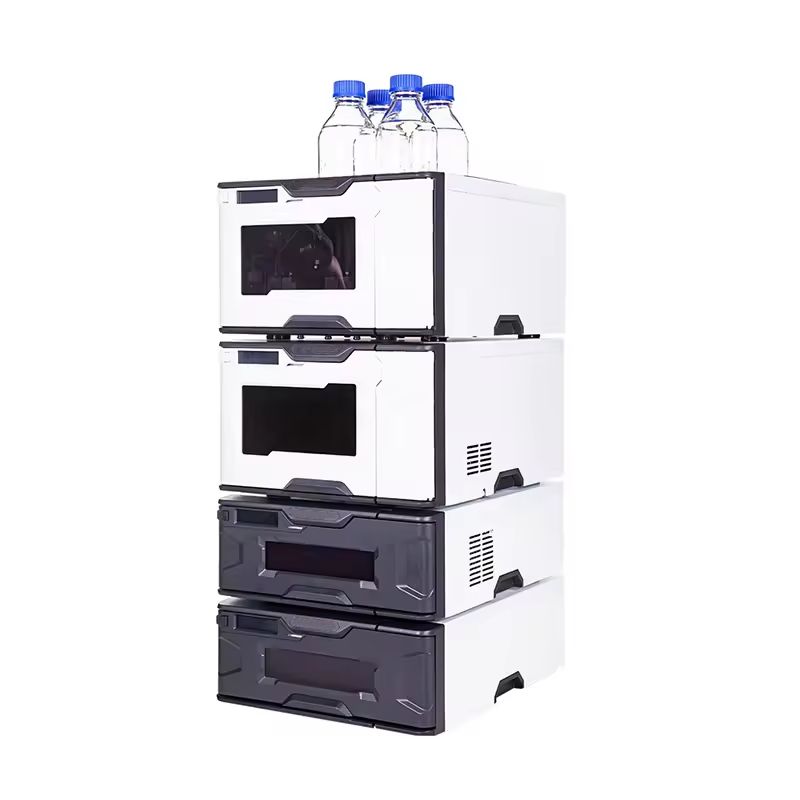
The Use of HPLC in the Pharmaceutical Industry: Benefits and Considerations
The pharmaceutical industry operates under rigorous standards to ensure the safety, efficacy, and quality of medicines reaching patients worldwide. At the heart of achieving these critical objectives lies High-Performance Liquid Chromatography (HPLC). This analytical technique has become an indispensable tool,…
Application of HPLC in Pharmaceutical Industry: From Discovery to Delivery
The pharmaceutical industry operates under stringent regulatory demands, where every drug developed and manufactured must meet rigorous standards for safety, efficacy, and quality. The importance of HPLC in pharmaceutical applications stems from its ability to detect minute impurities, degradation products, and structurally…

How EC Measurement in Soil Affects Crop Performance
Soil is the foundation of agriculture, providing the necessary support, water, and nutrients for plants to thrive. Among the many parameters that define soil health, Electrical Conductivity (EC) stands out as a critical indicator. EC measurement in soil provides valuable insight…
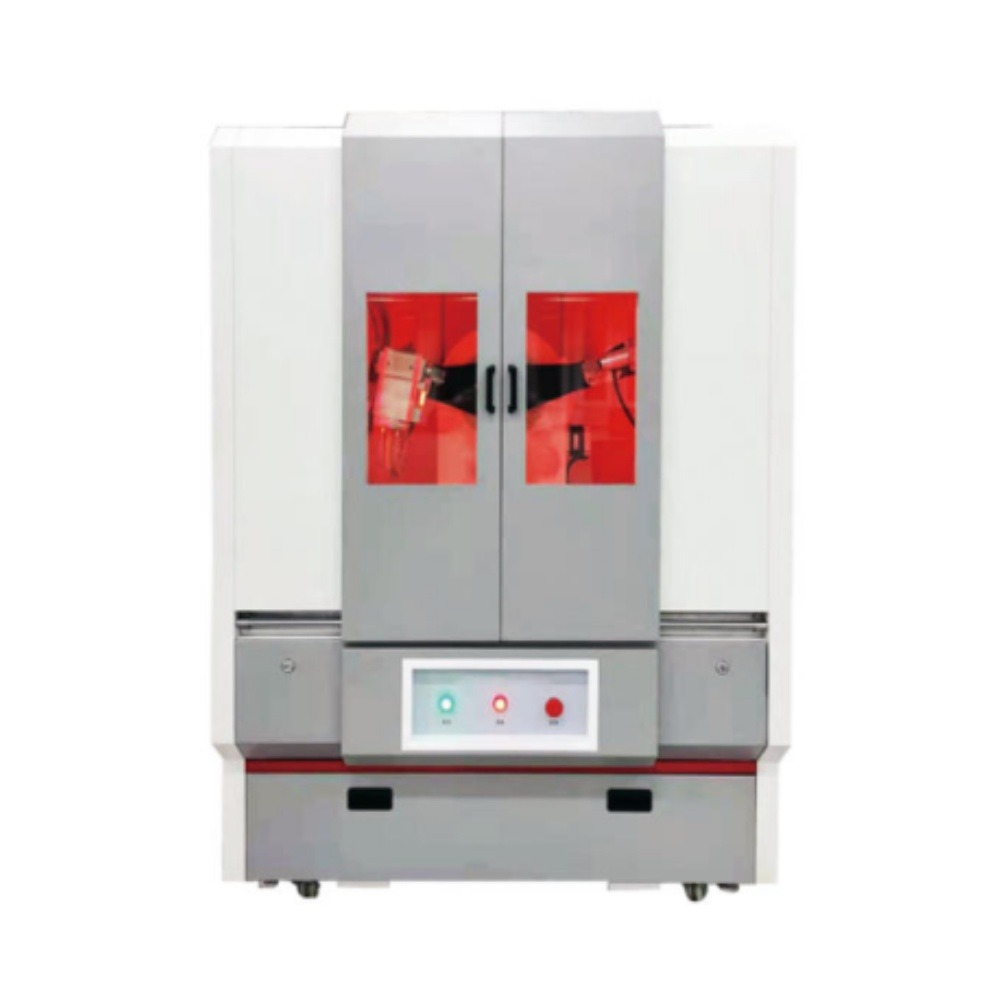
The Integration of XRD with Raman and FTIR Spectroscopy
For analytical and material science chemical chemistry, combining multiple complementary techniques has become an effective method to attain an extensive material characterization. A notable synergy is the integration of the X-ray diffractometer (XRD) with Raman spectroscopy and Fourier Transform Infrared (FTIR) spectroscopy. Each method provides unique insights, molecular,…

Automated Sample Preparation for GC-MS
Gas Chromatography-Mass Spectrometry (GC-MS) is an effective analytical technique that is widely applied in pharmaceuticals, environmental testing, food safety, forensics and clinical research. However, the precision and reliability of GC-MS results heavily depend on the quality of sample preparation. Traditional manual sample preparation techniques are time-consuming, labor-intensive, and prone to…
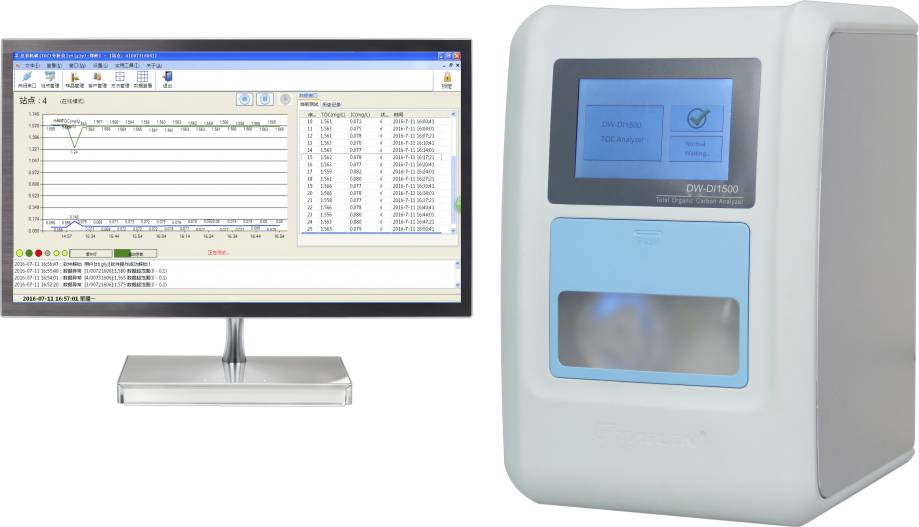
Total Organic Carbon(TOC) in Pharmaceutical-grade Water Analysis
Water used in pharmaceutical manufacturing must meet stringent purity standards to ensure product safety and regulatory compliance. Among the key parameters monitored, Total Organic Carbon (TOC) is a critical indicator of organic contamination. High TOC levels can suggest microbial growth, system…
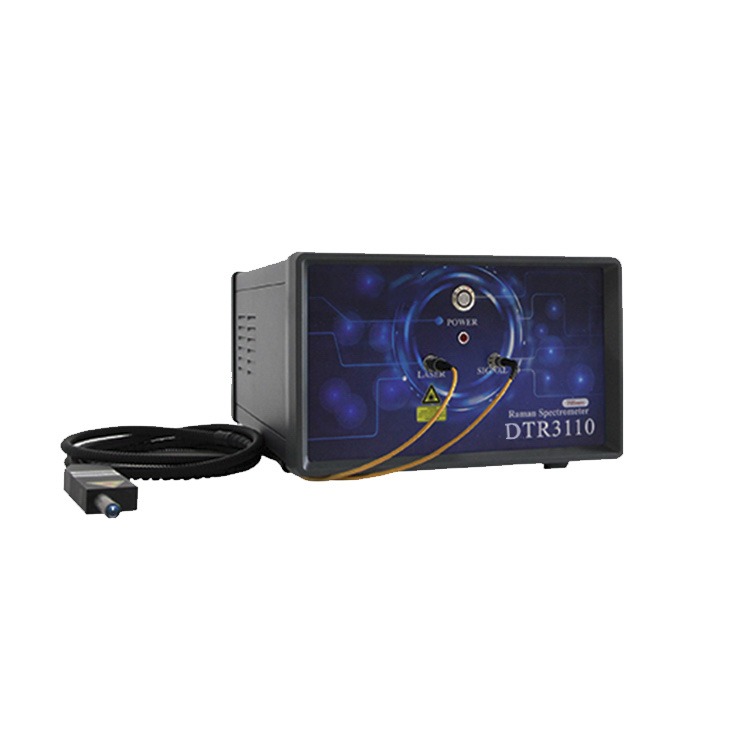
The Integration of Raman Spectrometers with Other Spectroscopic Techniques
In modern scientific research and industrial quality control, the demand for more comprehensive and accurate molecular analysis has driven the use of multiple spectroscopic techniques. Among these, Raman spectrometers stand out due to their ability to give highly specific molecular fingerprints that are using vibrational modes. When…
Browse by category:


