


Dry bath incubators, also known as dry block incubators or dry bath heat blocks, are widely used laboratory dry bath equipment for controlled heating of samples. Compared with water baths, dry baths reduce contamination risks, simplify maintenance, and provide more stable temperature conditions. As a laboratory digital dry bath incubator manufacturer, we often encounter practical questions from clients and new users. The following sections summarize 16 common FAQs across operation, troubleshooting, selection, and maintenance, with practical insights and considerations for laboratory use.
Operation and Usage
A dry bath incubator has become an indispensable piece of lab equipment, valued for its simplicity and precision. Unlike water baths that leave behind sediment behind when heated by their own heat block, dry baths provide stable heating across their surface area with precision heating control using an easily accessible heat block.
1. How do you properly set up and operate a dry bath incubator?
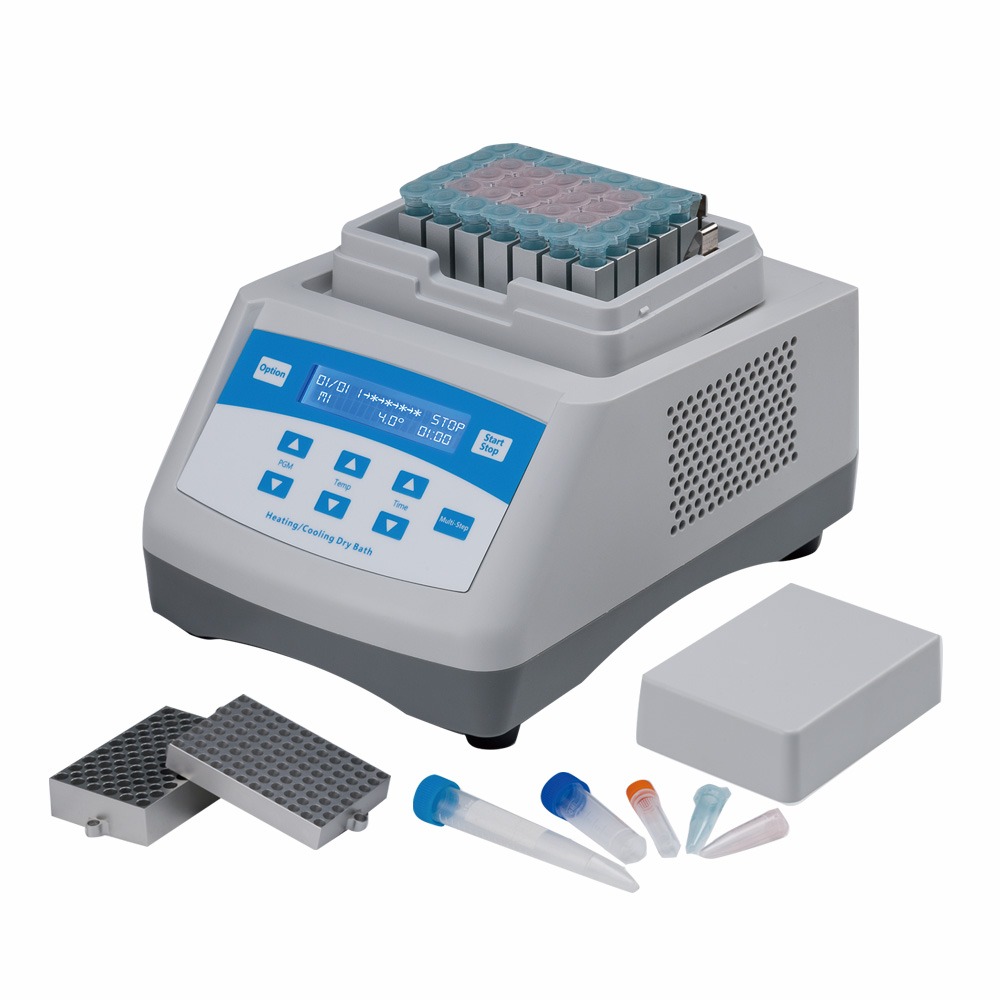
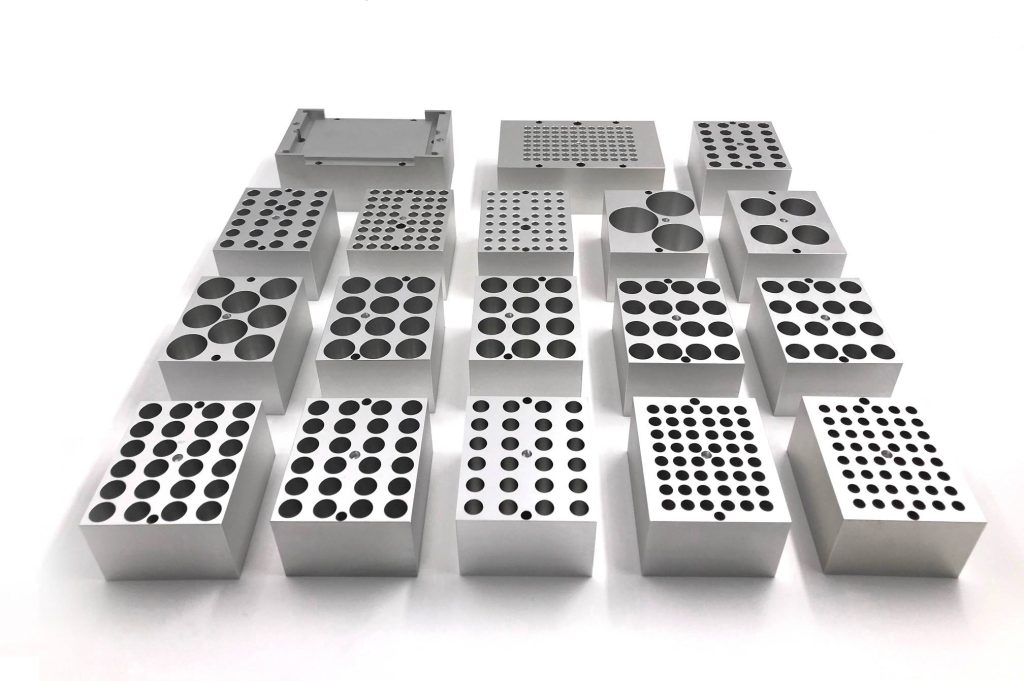
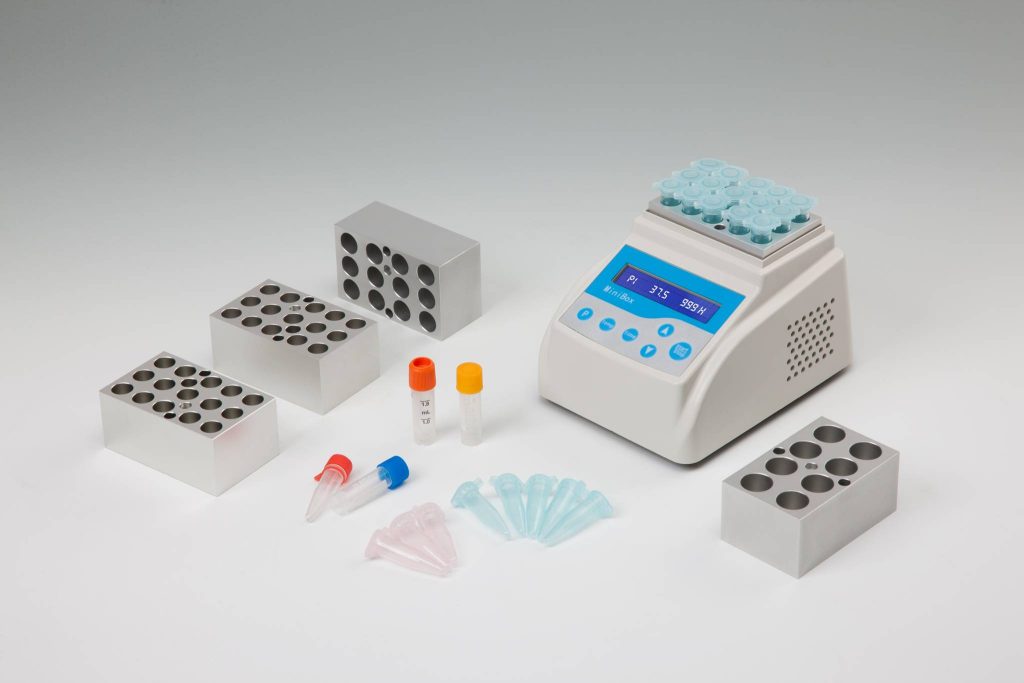
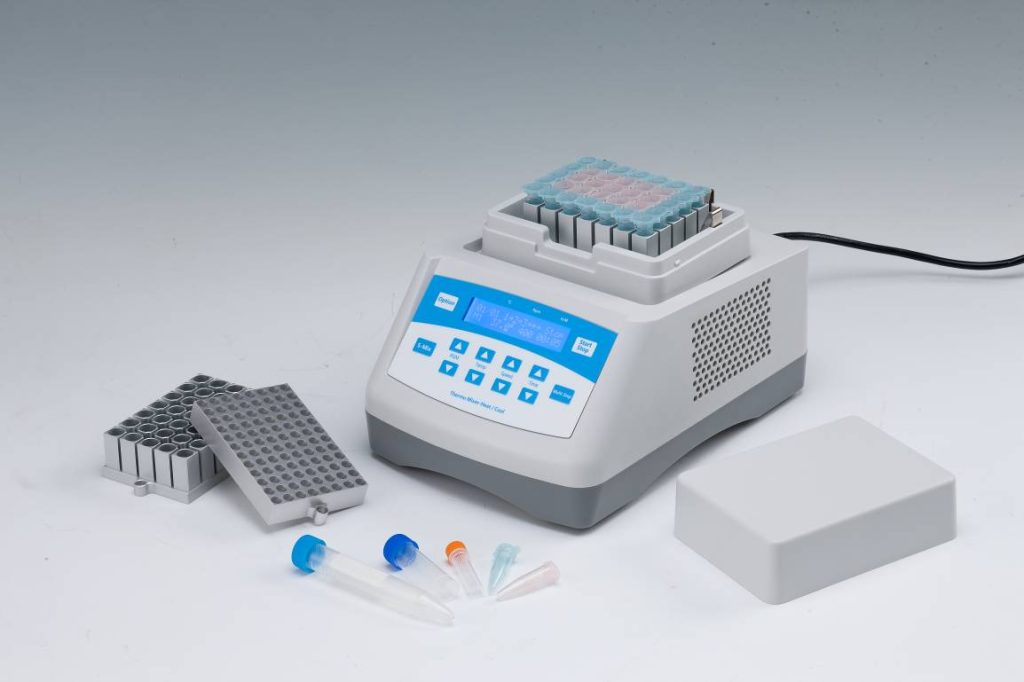
First, put the dry bath incubator on a stable, level surface. Make sure it is connected to a grounded power outlet, and inserting an appropriate dry bath heat block (e.g. 0.2 mL, 0.5 mL, 1.5 mL or 50 mL). Turning on the power switch and the digital dry bath incubator will display current block temperature; use up/down arrows on control panel to set desired temperature; press “Enter”/”Start.” Allow time for unit to reach temperature before placing samples into block. Always refer to the manufacturer’s manual for model-specific instructions.
Key Steps: Block selection → Secure installation → Power on → Set temperature → Pre-heat → Load samples.
Correct setup is fundamental to achieving accurate and reproducible results. Never overload the block, as this can hinder heat transfer and affect temperature uniformity.
2. Does the instrument support timed operation, multi-step temperature programs, or dual-module independent control? How do you set up timed/programmable control?
Many modern digital dry bath incubators feature advanced features. Timed operation is common; simply set your desired time in minutes or hours, and the unit will shut off or notify you once that period is up. Multi-step programs may allow for creating sequences of temperatures and hold times; for instance you could program 95°C for 2 minutes followed by 60°C for 30 minutes for PCR reactions. Dual module models also exist that enable two blocks to operate at different temperatures simultaneously for the simultaneous running of different protocols.
3. How to calibrate or verify the temperature? Is certification needed?
Temperature calibration can be performed using a calibrated external thermometer or sensor probe inserted into a reference tube. For GLP/GMP labs, annual certification by an accredited calibration provider is recommended to ensure compliance with laboratory dry bath incubator specifications.
4. What is the temperature range, accuracy, and heating time?
A typical dry bath incubator has a temperature range from slightly above ambient to about 100°C or even 150°C for higher-temperature models. Accuracy is usually within ±0.3°C, and uniformity across the block is typically ±0.5°C or better. The heat-up time depends on the model and the target temperature. A good dry block incubator can heat from room temperature (25°C) to 37°C in just a few minutes (e.g., 5-10 minutes) and to 95°C in about 15-20 minutes.
5. Do I need a heated lid? What are the benefits?
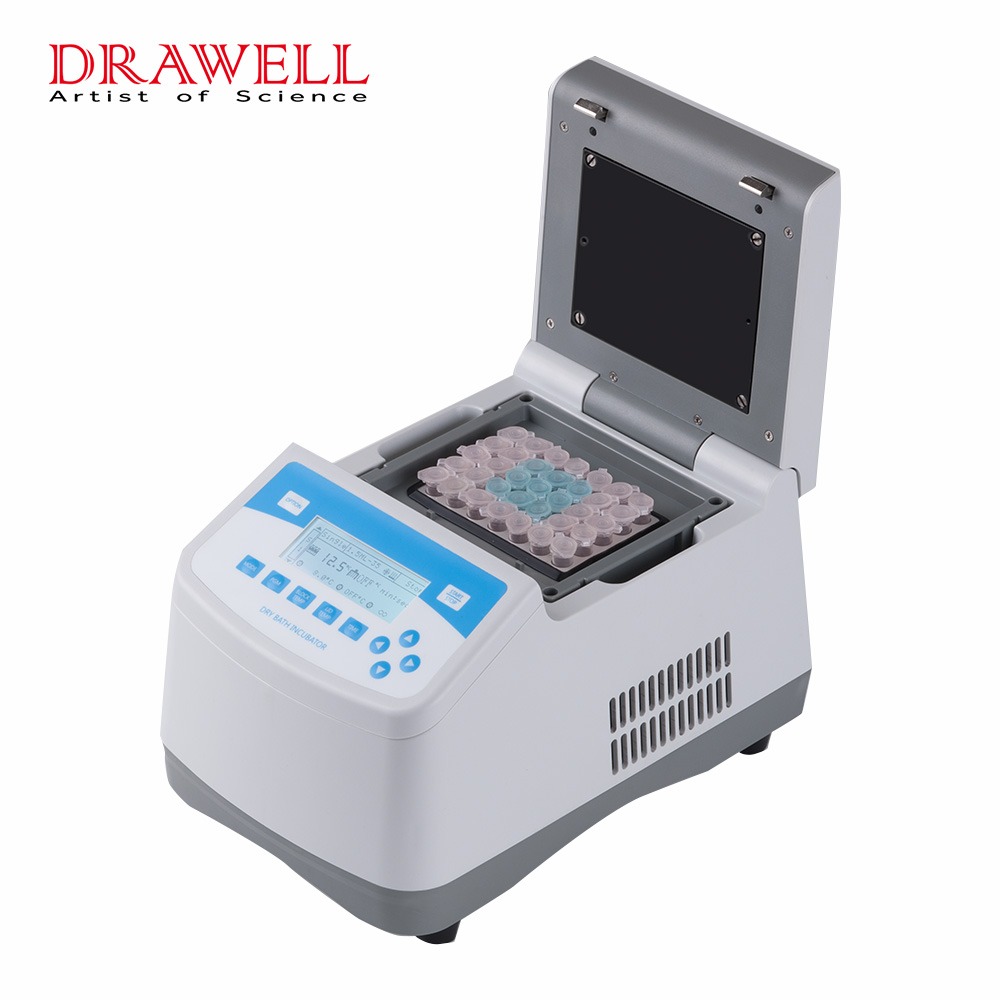
A heated lid minimizes condensation, especially in PCR tubes or microplates. This ensures accurate concentrations in reactions and avoids sample evaporation. For nucleic acid preparation or long incubations, a heated lid is highly recommended.
6. What precautions should be taken during dry bath incubator use?
Key precautions include:
- Always use the correct heat block for your tube size to ensure proper heat transfer.
- Use appropriate block covers, and always check that the block is firmly seated.
- Avoid placing your hands or other objects on the hot block during operation.
- Never use the dry bath with flammable or volatile solvents.
- Ensure samples are properly sealed to prevent spills inside the wells.
- Keep the vents on the unit clear to prevent overheating.
- Avoid spilling liquids directly into the block.
- Operate the device in a clean, dry environment, and do not exceed the manufacturer’s recommended load.
- Always let the unit cool down before cleaning or changing blocks.

Troubleshooting
Even the most reliable dry bath lab equipment can encounter issues. Here’s a quick guide to some common problems.
7. If the device won’t turn on, doesn’t heat up, or the keys are unresponsive, what should I check?
- No power: First, check the power cord and the outlet. Ensure the cord is securely plugged in and the outlet is working. Check the fuse on the back of the unit; it may need to be replaced.
- No heating: The temperature sensor or the heating element may have failed. First, check if the set temperature is higher than the current temperature. If so, and the unit still isn’t heating, it’s likely a component failure that requires professional repair.
- Unresponsive keys: The control panel may be locked or malfunctioning. Try turning the unit off and on again. If the problem persists, the panel may need to be replaced.
8. What causes an abnormal temperature display (e.g., displaying “—-” or an error code)?
An abnormal display often indicates a problem with the temperature sensor. The “—-” display typically means the sensor is either disconnected or short-circuited. An error code will correspond to a specific issue listed in the user manual, such as a sensor malfunction, over-temperature condition, or a communication error between the control board and the sensor. In most cases, this requires technical support from the dry bath supplier. Feel free to contact us if you buy our products and need any help.
9. What should I do if the temperature control is inaccurate, fluctuates widely, or is out of control?
This is usually a sign of a faulty temperature sensor or a problem with the control circuit.
- Fluctuation: A malfunctioning sensor might be sending erratic readings to the control board, causing the heater to cycle on and off improperly.
- Inaccuracy: The sensor may be miscalibrated or damaged. Try recalibrating the unit according to the manual.
- Out of control: A severe issue with the control circuit could cause the unit to continuously heat up without regulation, which is a major safety risk. The unit’s over-temperature protection should activate, but if it doesn’t, disconnect power immediately and contact a technician.
10. What should I do if the device is too noisy while working?
A dry bath is generally quiet. The only sound should be a low hum from the internal electronics. If you hear a grinding or rattling noise, it could be a fan or other mechanical component rubbing against something. This usually requires a technician to diagnose and fix. If the noise is new and the unit is still heating properly, it may not be an immediate safety issue, but it indicates a component is failing and should be addressed soon.
11. What safety features do dry bath incubators have (e.g., over-temperature protection, alarms)? Are there any usage restrictions (e.g., not for use in a humid environment or for cell culture)?
Most dry bath incubators come with multiple safety features:
- Over-temperature Protection: An independent circuit cuts power to the heating element if the block temperature exceeds a safe limit.
- Alarms: Audible and visual alarms alert users to over-temperature conditions, program completion, or sensor failures.
- Error Codes: These help users quickly identify the source of a problem.
As for restrictions, dry baths are not suitable for all applications. They are designed for sealed tubes, not open containers or cell culture. They are not designed for humid environments or use with water, as this can damage the internal components and create an electrical hazard. For cell culture, a wet bath or dedicated cell culture incubator is required to maintain precise humidity and gas levels.
Purchasing and Comparison
When choosing laboratory dry bath equipment, understanding your needs is key. The market offers a range of options, from mini dry bath incubator models to advanced programmable units.
12. What are the pros and cons of dry bath vs. wet bath? How do they differ in terms of contamination risk, maintenance cost, and lab efficiency?
Here we conclusion the differences between dry bath and water bath as follows:
| Feature | Dry Bath Incubator | Wet Bath (Water Bath) |
| Pros | Precise temperature control, no risk of contamination from the medium, no water-related hazards (e.g., spills, leaks), low maintenance, quiet operation. | Uniform heat transfer, suitable for larger or irregularly shaped vessels, can be used for cell culture. |
| Cons | Slower heat transfer for some applications, less suitable for large containers, requires specific blocks for different tube sizes. | High contamination risk (bacterial/algal growth), requires regular cleaning and refilling with water, evaporation can affect sample concentration, risk of electric shock from water spills. |
| Contamination Risk | Very low. | High. Water is a medium for microbial growth. |
| Maintenance Cost | Low. Requires only occasional cleaning and block changes. | High. Requires regular cleaning with disinfectants, frequent water changes, and sometimes costly deionized water. |
| Lab Efficiency | High. Quick setup, no need to monitor water levels, ideal for repetitive tasks. | Lower. Requires more time for maintenance and monitoring, messy to use. |

13. What are the typical experiments that dry bath incubators are used for (e.g., enzyme reactions, nucleic acid extraction, sample thawing)? When is it more suitable to use a dry bath versus a water bath?
Dry bath incubators are ideal for a wide range of molecular biology and general lab applications where sample integrity is paramount. They are commonly used for:
- Enzyme Reactions: Such as restriction digests and kinase assays, where precise and stable temperature is required.
- Nucleic Acid Extraction: Used for heating steps to facilitate cell lysis or DNA/RNA elution.
- Sample Thawing: Provides a controlled way to thaw frozen biological samples.
- Denaturation of Proteins/Nucleic Acids: A constant temperature is essential for consistent denaturation.
A dry bath is a better choice when:
- You need to avoid water-borne contamination.
- Your samples are in sealed tubes (e.g., Eppendorf tubes).
- You need high throughput with multiple samples at a precise temperature.
- You want to avoid the mess and maintenance associated with a water bath.
14. What factors should I consider when purchasing a dry bath incubator?
When looking for a dry bath incubator supplier, consider these key factors:
- Temperature Range and Control: Ensure it meets the requirements of your protocols.
- Block Capacity: Choose a model that can accommodate the number of samples you typically process.
- Features: Do you need a programmable model with a heated lid? Do you need dual blocks?
- Accuracy and Uniformity: Look for specifications with tight tolerances.
- Durability and Warranty: Check the build quality and the warranty offered by the dry bath supplier.
- Price: Dry bath incubator price varies greatly with features and brand. Balance your needs with your budget.
Maintenance and Care
Proper maintenance is essential for the longevity and performance of your dry bath incubator.
15. What is the procedure for routine cleaning/decontamination? What chemicals or procedures should be avoided to prevent damage to the sensor and module?
- Routine Cleaning: Turn off the unit and allow it to cool down completely. Use a damp cloth with mild detergent to wipe the exterior and the top surface of the heating block. For spills inside the wells, use a cotton swab with 70% ethanol to clean the area.
- Decontamination: For biological spills, use a suitable disinfectant like 70% ethanol or a weak bleach solution (diluted 1:100), but do not pour it directly into the wells. Apply it to a cloth or cotton swab.
What to Avoid:
- Strong Solvents: Avoid acetone, chloroform, or strong acids/bases, as they can damage the plastic housing and the metal block.
- Abrasive Cleaners: Do not use abrasive pads or cleaners that can scratch the display or the metal surface.
- Immersion: Never immerse the unit or pour liquid directly onto the heating block.
16. How should I clean and maintain a dry bath incubator daily?
Daily maintenance is minimal. Simply wipe down any spills immediately to prevent them from drying and becoming difficult to clean. If you use different blocks, ensure they are clean and free of debris before inserting them. Keeping the exterior and the area around the unit clean will prevent dust and dirt from accumulating and affecting performance.
All in all, a dry bath incubator is a valuable piece of laboratory dry bath equipment for any molecular biology or general chemistry lab. If you encounter any problems with the product, please check the operating manual or contact the product supplier in a timely manner. When you’re ready to purchase a new unit, be sure to find a reputable dry bath incubator supplier that can provide not only a competitive dry bath incubator price but also excellent after-sales support and a wide range of accessories to meet your specific needs.
Related Products Recommendation


Get Quote Here!
Latest Posts


What Next?
For more information, or to arrange an equipment demonstration, please visit our dedicated Product Homepage or contact one of our Product Managers.


