


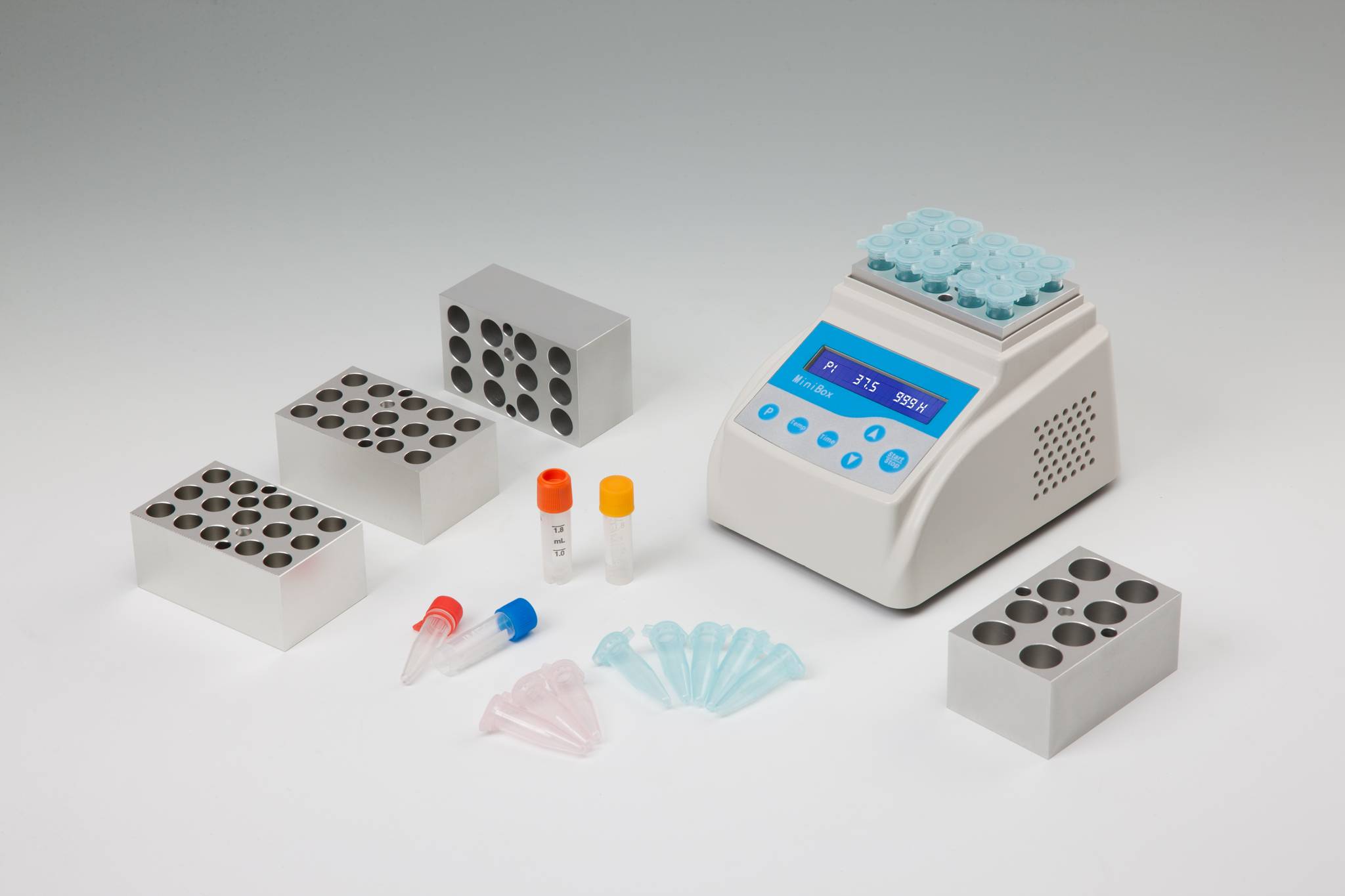
Dry baths, also known as dry block heaters, are important laboratory instruments for heat dependent assays, such as enzyme reactions, sample incubation, or nucleic acid denaturing, to keep constant and controlled temperatures. Although they provide ease and safety, the risk of equipment and sample loss, and even unsafe situation for laboratory personnel, make appropriate use of the equipment a necessity. Below are the recommended key practices, equipment safety and operational maintenance as well as necessary safety considerations for dry baths in laboratory environments.
Understanding the Importance of Operational Safety in Dry Baths
Dry baths use a metallic block to heat a sample rather than immersing the sample in water or oil, thus, providing a much cleaner heating and heating control environment. That said, the metallic blocks in dry baths can reach temperatures of several hundred degrees Celsius and thus, should be treated as a safety hazard in the laboratory. Safe use practices of dry baths serve to reduce risk to the user, and to protect the integrity of the experiment being conducted as well as the longevity of the heating instrument. Safe use practices of the equipment also serves to protect sample integrity as overheating, sample degradation, or burning a sample can occur.
Common Safety Risks in Dry Bath Operation
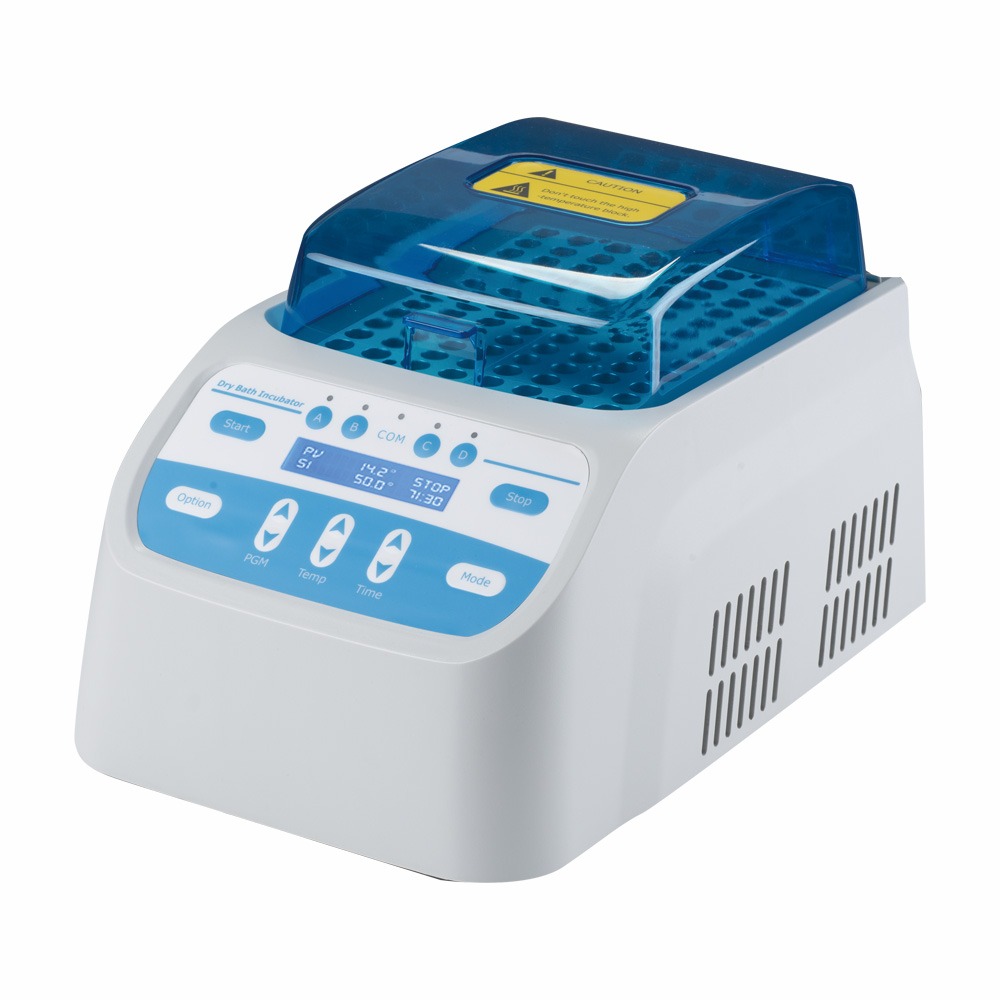
| Safety Risk | Possible Cause | Potential Consequence |
| Overheating | Blocked ventilation or malfunctioning temperature sensor | Damage to equipment or fire hazard |
| Burn Injuries | Contact with hot blocks, tubes, or surfaces | Skin burns or workplace injury |
| Electrical Shock | Damaged power cords, loose connections, or exposure to moisture | Electric shock or system failure |
| Temperature Inaccuracy | Uncalibrated sensors or worn heating elements | Compromised experimental results |
| Fire Hazard | Flammable materials near the dry bath or overheating | Fire outbreak in the laboratory |
| Sample Contamination | Residue buildup or improper cleaning of blocks | Inaccurate data or ruined samples |
| Mechanical Damage | Dropping the unit or mishandling heating blocks | Deformation of blocks or internal damage |
| Power Fluctuations | Unstable electrical supply or power surges | Sudden shutdowns or sensor malfunction |
| User Negligence | Leaving equipment unattended during heating | Overheating, sample loss, or accidents |
| Improper Tube Placement | Loose or mismatched tubes in heating block | Uneven heating or tube breakage |

Key Safety Precautions Before Operation of Dry Baths
| Safety Precaution | Purpose |
| Read the User Manual Thoroughly | Review the manufacturer’s operating instructions, safety warnings, and temperature limits to ensure correct and safe use. |
| Inspect Power Cord and Plug | Check for cracks, frays, or exposed wires to prevent electrical short circuits or shocks. |
| Ensure a Stable and Flat Surface | Place the dry bath on a non-flammable, level surface to avoid tipping or overheating. |
| Check Proper Block Installation | Confirm that heating blocks are securely placed and aligned to ensure uniform heat distribution. |
| Avoid Overloading the Block | Insert only the recommended number and size of tubes to prevent uneven heating and potential damage. |
| Verify Electrical Specifications | Make sure the power supply matches the voltage and current requirements of the device. |
| Keep the Area Dry and Clean | Remove any liquids, chemical residues, or clutter to minimize the risk of fire or electrical hazards. |
| Use Appropriate Tubes and Containers | Select heat-resistant, compatible tubes designed for the specific temperature range of the dry bath. |
| Check Temperature Settings Before Start | Set the desired temperature carefully to avoid overheating samples or damaging the unit. |
| Wear Proper Protective Gear | Use lab gloves, goggles, and coats to protect against burns or accidental spills during setup. |
Key Practices for Enhancing Safety During the Use of Dry Baths
1. Temperature Management
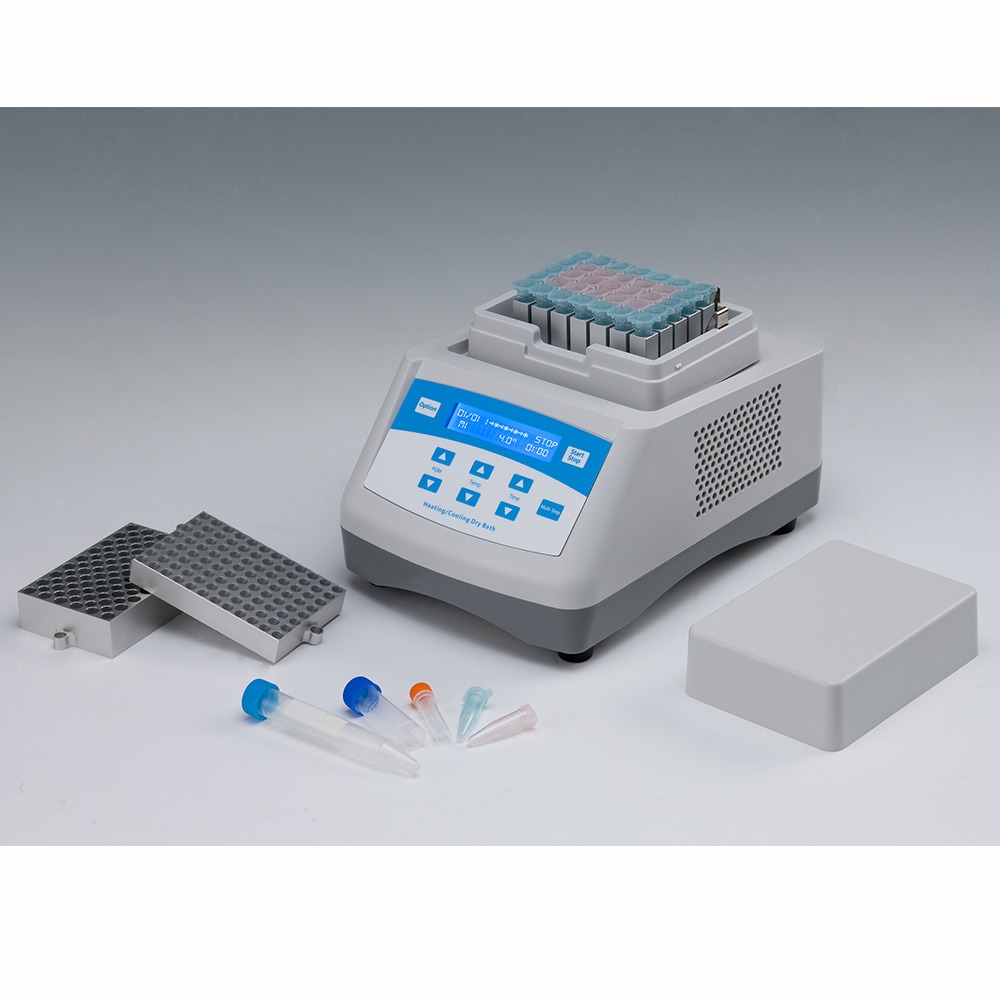
Controlling temperature settings is the most important safety measure you undertake during the use of a dry bath. For safety measures, the temperature set should not be programmed to the maximum in the hope of greater results, it needs to be increased in gradual steps. The more sudden changes are made greater the chances the heating block will be destroyed. If you monitor the temperature using the built-in display or using a calibrated external thermometer, you will know if your heating block is in the controlled range. If the right temperature is kept, the internal components of the dry bath will not be thermally stressed and its longevity will be improved.
2. Preventing Burns and Heat-Related Injuries
In a dry bath, the metal blocks and sample tubes can get very hot and can reach and exceed 100°C. Thus, the risk of getting a very serious burn if you are careless and not following the safety measures documented will increase greatly. As a very important simple safety measure, use heat resistant gloves or tongs to scoop or keep your samples when using the dry bath. It is also a measure to keep the lid or tube rack closed when dry bath is not in use. It is also important to keep an area of safety in observing the dry bath, and in doing so, keep the area of possible fire accidents free of flammable and heat sensitive materials.
3. Maintaining Proper Airflow and Ventilation
For operational safety and consistency of temperature, sufficient ventilation is required. When operational, a dry bath must not be enclosed, and at least a few centimeters of space must be left between it and surrounding structures to prevent blocked passages and potential overheating. Such spacing will also promote more accurate temperature control, based on the consistent heating of the bath, and the elimination of overheating during operation will ensure overall better performance.
4. Handling Samples Safely During Operation
Management of samples is one of the critical components of operational safety in the use of a dry bath. The heating block must be fitted with test tubes and containers that will secure them in place to avoid wildly heating uncontained samples and preventing possibly hazardous spills. Unstable heating is exacerbated by frequent lid openings, and the unprotected person is exposed to steam and hot air. Proper sample organization and labeling will also allow the user to safely pull tubes without overheating one. When samples are processed in parallel, the organization should prevent potential mix-ups.
5. Electrical and Equipment Safety
The reliable operation of dry baths depends on consistent and reliable electrical power. During operation, the power cable must be fully connected and kept away from heated surfaces. Discontinuation of use is warranted, and a qualified technician must examine the unit, if there are any flickering displays or signs of irregular heating. To prevent the risk of electrical shock, it is advised to use a grounded power outlet. Moreover, for the dry bath, connecting to a UPS would protect against sudden power change.
6. Monitoring and Operator Awareness
Continuous supervision of an operating dry bath is important for safety and must be accomplished by the user. Watch for the sounds, smells, and temperature readings that signal a malfunction. This is especially important to prevent overheating and a possible runaway condition. In any lab, it is standard practice to avoid distractions and maintain close monitoring and control. The equipment must be checked to confirm that the heating block is stable, and avoid overheating the tubes to prevent cracking. These are the control measures that prevent accidents.
7. Ensuring Safe Shutdown Procedures
Safe shutdown processes must be planned even when the system is actively engaged. Prior to shutting off the dry block, the temperature must be gradually lowered to allow the unit and the samples to cool evenly. After operation, immediate sample removal without adequate cooling will cause container damage and burns to the operator. After cooling the unit to a safe temperature, the power switch may be turned off, and the area should be cleaned by removing
any clutter, residues, and spills that may have resulted during the heating cycle.
Routine Maintenance and Calibration for Ensuring the Safety of Dry Bath Operation
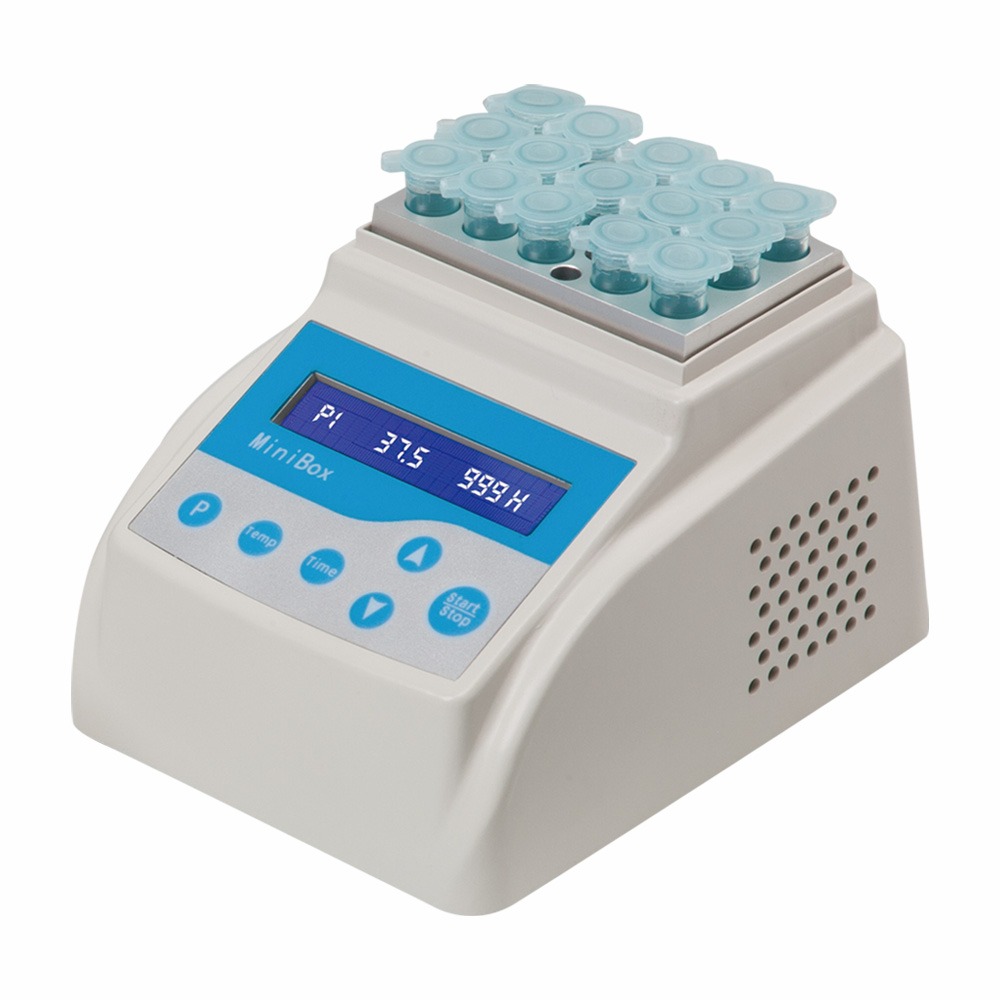
Regular maintenance of dry baths is key to spotting the negative impacts of repair delay concerning wear and tear, electrical faults, and temperature inconsistencies. Prolonged use of a dry bath at high temperatures, without the necessary maintenance, and repair will cause the slow deterioration of internal components; heating elements, insulation materials, and electronic sensors and increase the risk of loss of temperature control. Routine scheduled maintenance will improve the operating conditions of the system, and restore the predictable performance necessary during experiments.
1. Cleaning Procedures
Regular cleaning is one of the simplest yet most essential cleaning procedures. Blocks and the spaces surrounding them should be cleared of dust and spills and any chemical residues. Once the dry bath has completely cooled down, operators should take care to gently clean the block with a soft, lint-free cloth and a mild solution of alcohol. Never use abrasive tools or strong solvents, as these may severely damage the block’s coating or interfere with the heat transfer. A clean unit maintains the the cross-contamination of samples, and prevents corrosion of the block which may impede uniform heat distribution.
2. Inspection of Electrical Components
Each dry bath unit relies on an electrical heating system, thereby requiring an inspection of the power cord, plug and internal wiring. Electrical hazards such as shocks or short circuits can arise from exposed wires, cracked insulation or loose connections. Laboratory users should check the integrity of the cord and the fit of the plug to the power outlet before use. Any electrical instability such as erratic heating, flickering displays or bizarre odours should immediately result in the unit being disconnected and sent for servicing. This is fundamental to the safe operation of the dry bath.
3. Verifying the Condition of Heating Blocks
Heating blocks are fundamental to the performance of dry baths. With continued use, blocks can accumulate sample residues, corrode, or warp because of the continuously repeated heating cycles. Periodic inspections to assess the condition of the blocks for material integrity are necessary to detect wear and contamination. Engraved holes can lead to poor thermal contact and therefore, uneven heating. It is important to replace corroded blocks to avoid uneven distribution of heat, and to mitigate the operational risks of overheating.
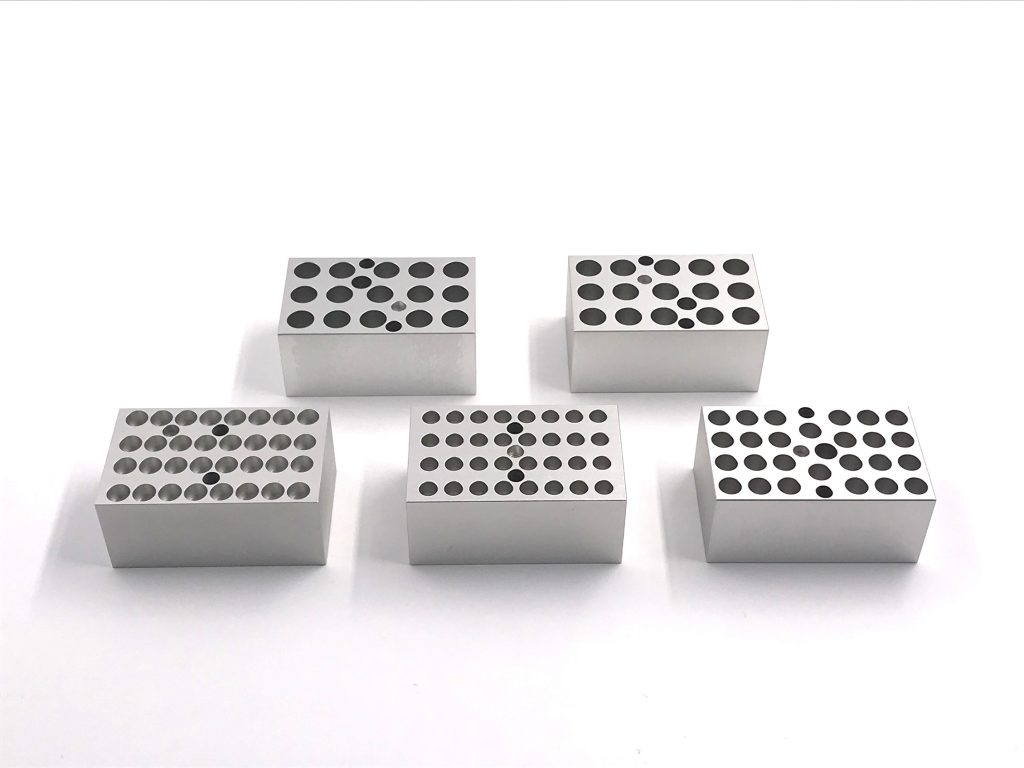
4. Routine Calibration
For the safe use of the dry bath, and the safe operation of the entire system, calibration is one of the activities that must be done regularly. The automatic responders that regulate the temperature are subject to thermal drift, and desiccators which dry at a given temperature must also be calibrated regularly, and for those, dry baths especially require operational safety. The tolerances for temperature controlled laboratories must be tight, especially those which rely on controlled temperature for enzymatic reactions, or those which perform nucleic acid denaturation, and safe accurate documentation must also be used to record the calibrated settings on the dry bath.
5. Calibration Procedures and Frequency
Calibration should be performed according to the manufacturer’s recommendations or laboratory quality management policies.
Here’s a comprehensive chart providing the calibration procedures and frequency in dry baths
| Calibration Step | Description | Recommended Frequency | Key Purpose |
| Preparation and Warm-Up | Turn on the dry bath and allow it to stabilize at the target temperature before calibration begins. | Every calibration session | Ensures consistent temperature readings before measurement. |
| Use of Reference Thermometer | Place a certified, calibrated thermometer or temperature probe into the heating block to compare readings. | Every 6–12 months or after heavy usage | Provides an accurate reference point for verifying temperature precision. |
| Record Temperature Readings | Measure and document both the displayed temperature and the actual temperature from the reference thermometer. | Every calibration session | Identifies any deviation between actual and indicated values. |
| Adjust Temperature Settings | If discrepancies are found, adjust the dry bath’s internal settings or offset controls to align with the reference reading. | As needed, depending on results | Ensures temperature accuracy within specified tolerance limits. |
| Verify Multiple Temperature Points | Test and calibrate at low, medium, and high temperature settings for consistency across the operating range. | Every 6–12 months | Confirms uniform accuracy throughout the device’s temperature spectrum. |
| Document Calibration Results | Record calibration data, adjustments, and technician details in a log or quality management system. | Every calibration session | Provides traceability and compliance with laboratory standards. |
| Post-Calibration Testing | Recheck the temperature stability after calibration adjustments to confirm correct operation. | Immediately after calibration | Validates that recalibration has restored proper performance. |
| Professional Calibration Services | Have qualified technicians perform in-depth calibration and verification if large deviations or hardware issues occur. | Annually or as recommended by manufacturer | Ensures long-term reliability and compliance with safety regulations. |
6. Professional Servicing and Preventive Checks
Beyond basic in-house maintenance, it is easy to take the next step of scheduling professional servicing once a year. Maintenance personnel complete additional diagnostics, including checking the temperature of the heating elements, testing safety circuits, and substituting worn-out components. Preventive servicing helps minimize the potential for sudden failures that pose a risk to the operator and the outcomes of the experiment. Keeping maintenance and calibration records is useful to the laboratories for accountability and to prove compliance to external entities for safety and operational standards.

Summary
Ensuring the safe operation of dry baths is is key to laboratory safety, sample protection, and the longevity of the apparatus. Proper handling, maintenance, calibration, and compliance with safety orders allow laboratory operators to lower the risk and assure the dry baths have reliable and accurate thermal control to minimize the risk of unreliable and inaccurate thermal control.
Related Products Recommendation
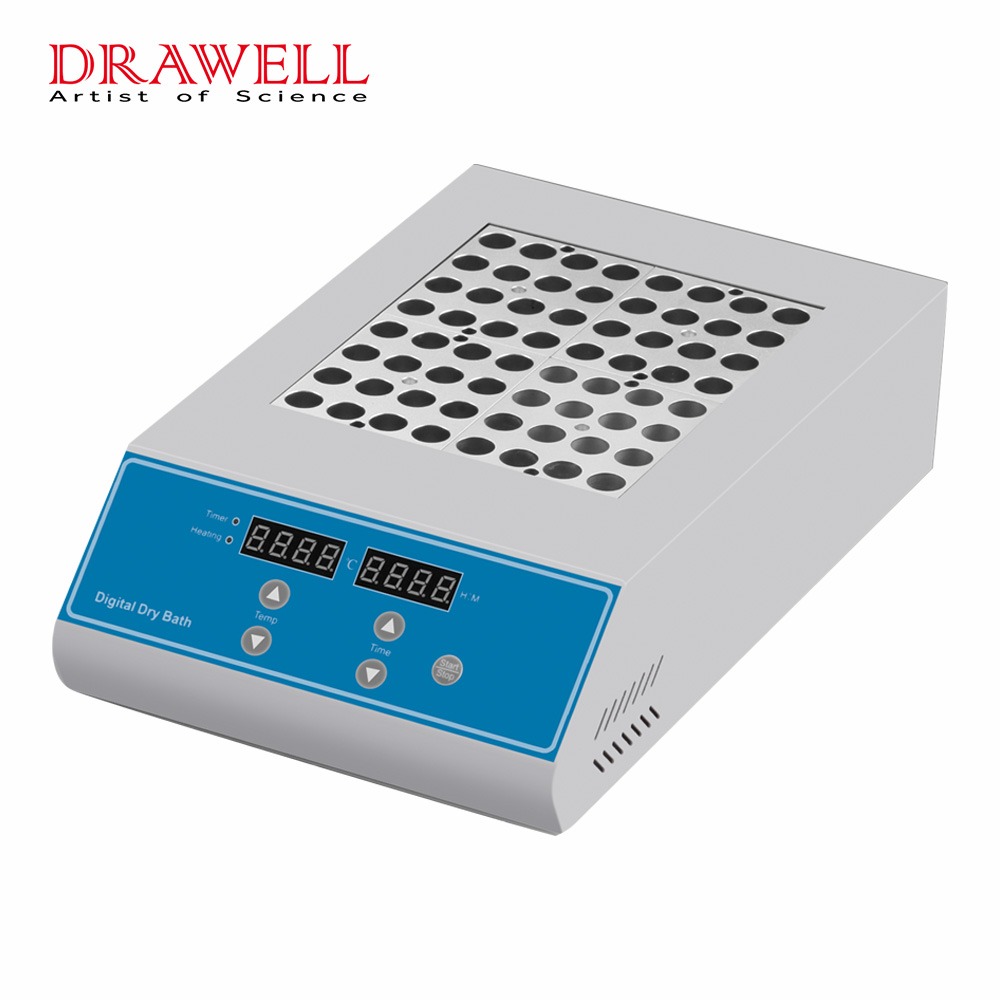
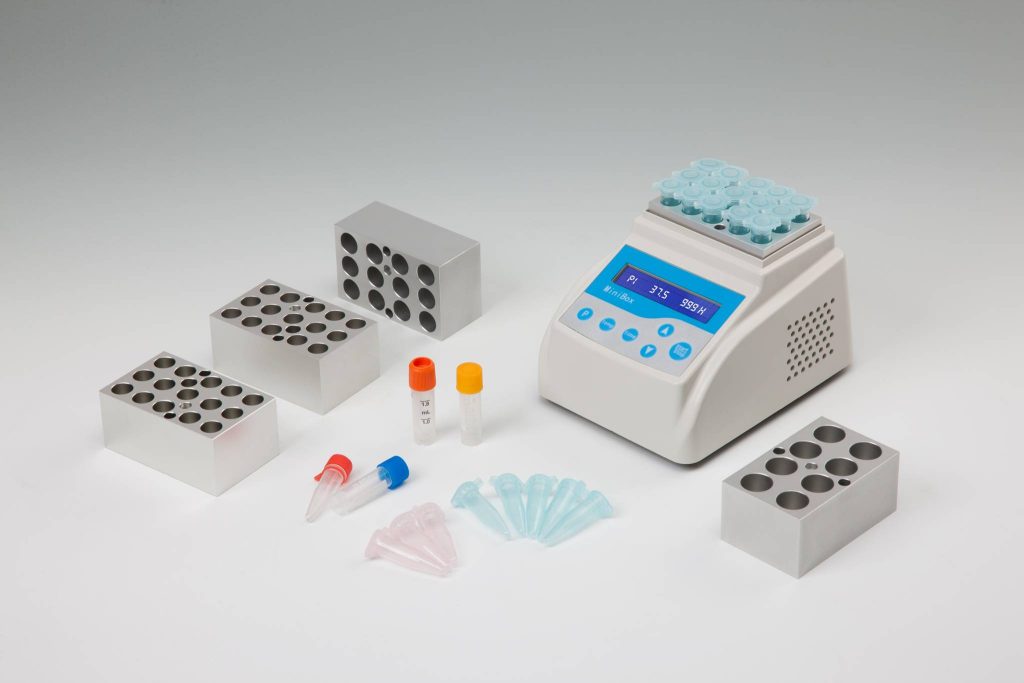
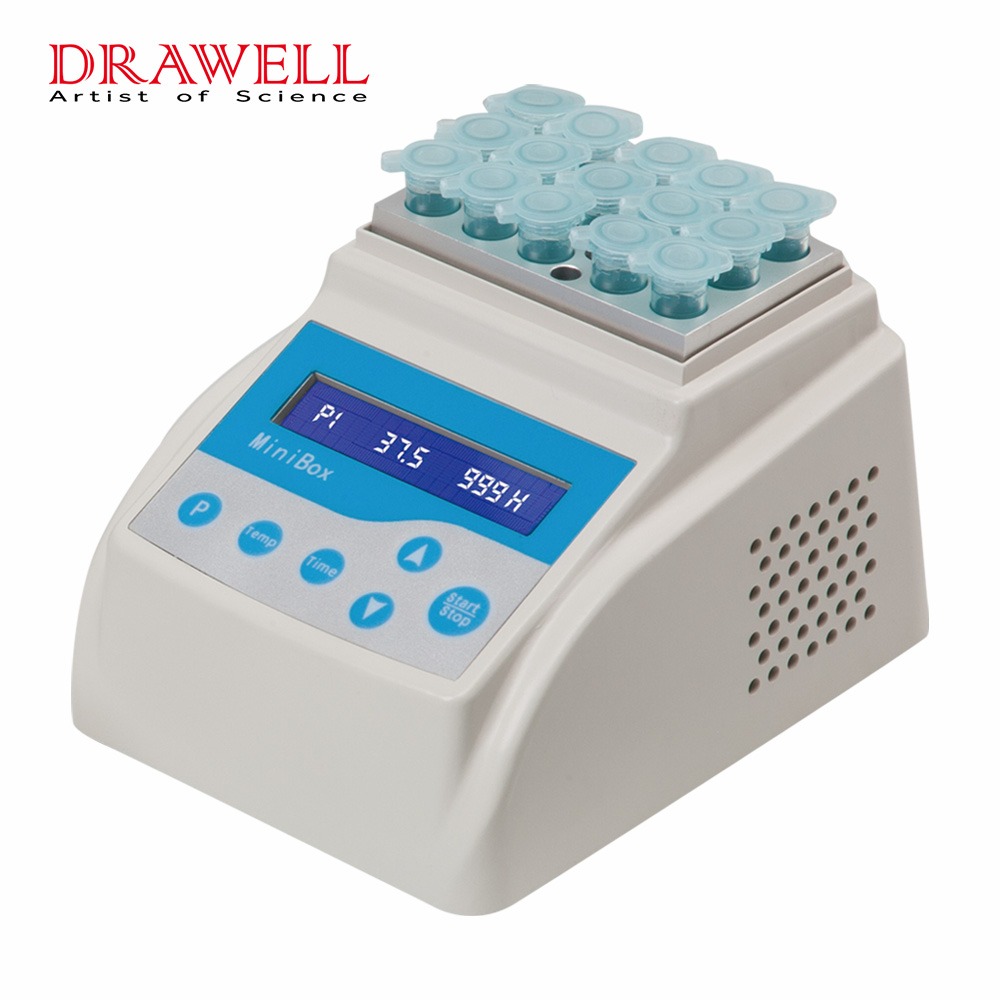


Get Quote Here!
Latest Posts


What Next?
For more information, or to arrange an equipment demonstration, please visit our dedicated Product Homepage or contact one of our Product Managers.


