



Blog
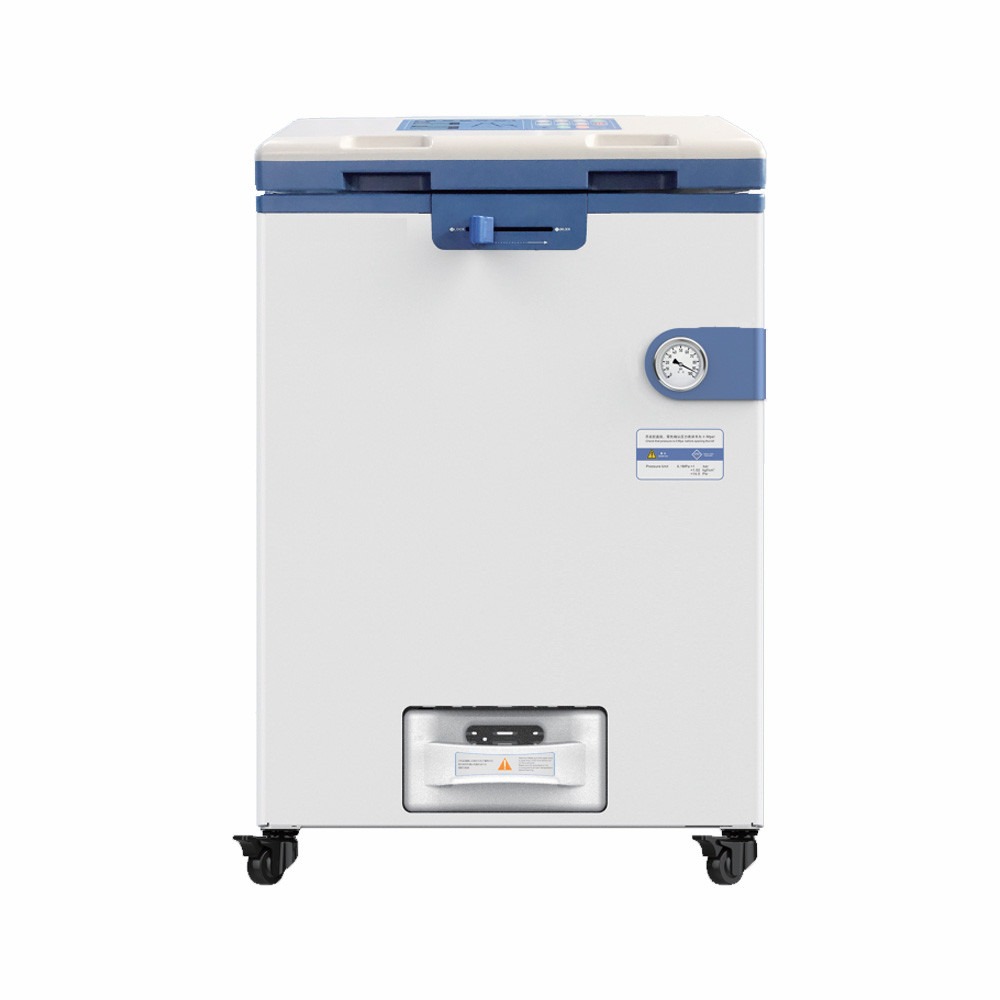
What is the Role of Vertical Autoclaves in Biosafety Level (BSL) Labs
Biosafety level (BSL) laboratories handle dangerous biological substances, and require strict sterilization procedures to prevent contamination and ensure the safety of employees. As a key piece of equipment within these labs, vertical autoclaves play a crucial role in the decontamination of instruments,…

Choose a Benchtop Centrifuge for Small Laboratoy: What Need to Know
In labs, efficiency, space-saving design, and high performance are crucial, particularly for smaller labs working with limited budgets. Benchtop centrifuges are key to meeting these demands, offering efficient, compact, and versatile solutions for various tasks. They’re a game-changer for streamlining workflows…

From CO2 to VOCs: FTIR in Environmental Gas Phase Pollutants Monitoring
From the widespread existence of carbon dioxide (CO2) which has a profound impact on global climate to the nefarious threat of volatile organic substances (VOCs) which affect the quality of air in your area and the health of humans monitoring…
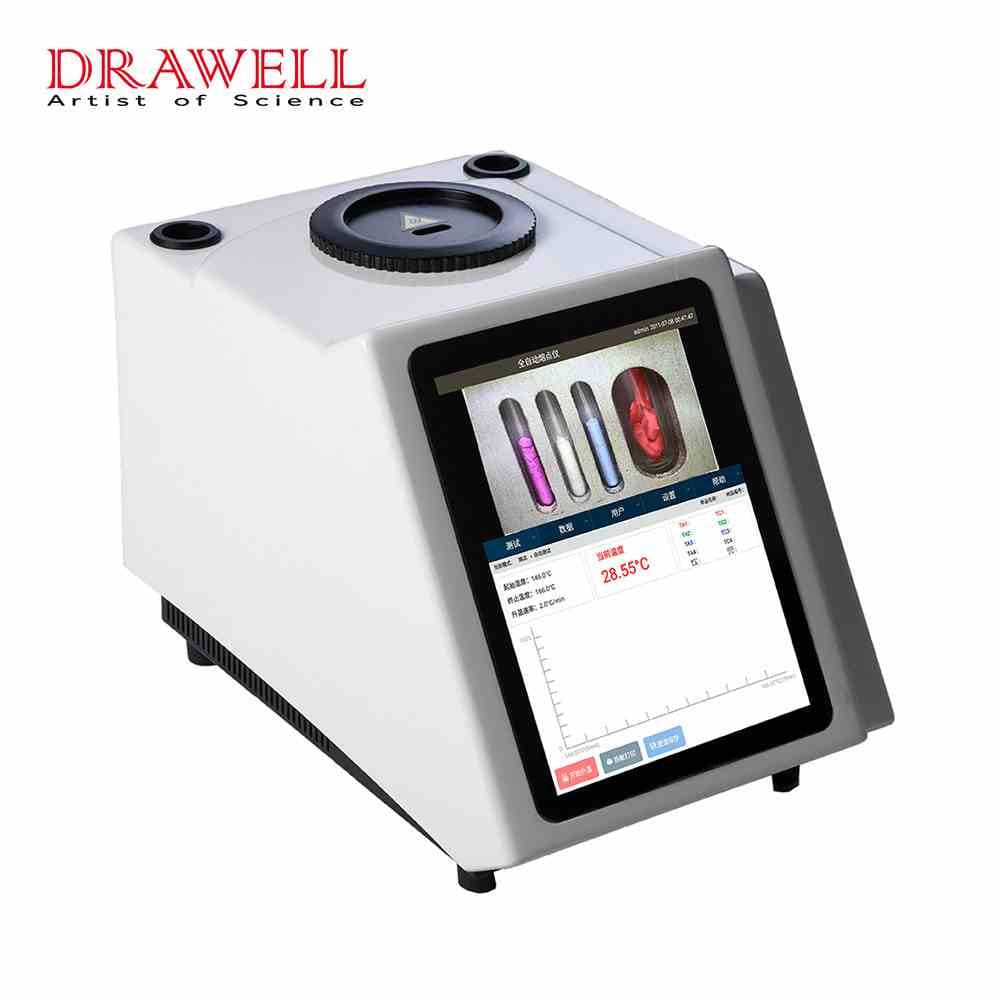
Why is it Important to Distinguish Between a Sharp Melting Point and a Melting Point Range
Imagine that you’ve worked for many hours in the lab, working hard to create a unique organic compound. What do you know whether your efforts have been effective, and most importantly, do you know if the product you created is truly…
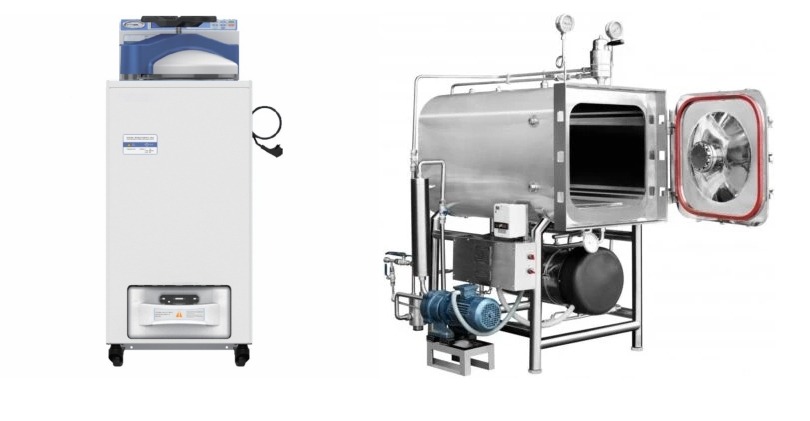
Vertical vs. Horizontal Autoclaves: Choosing the Right Sterilization Equipment
Autoclaves rely on pressurised steam to eliminate pathogens from surgical tools, glassware, culture media, and many other items crucial to sectors such as hospitals, laboratories, research facilities, and pharmaceutical manufacturing. Within that broad category, horizontal and vertical models are the…
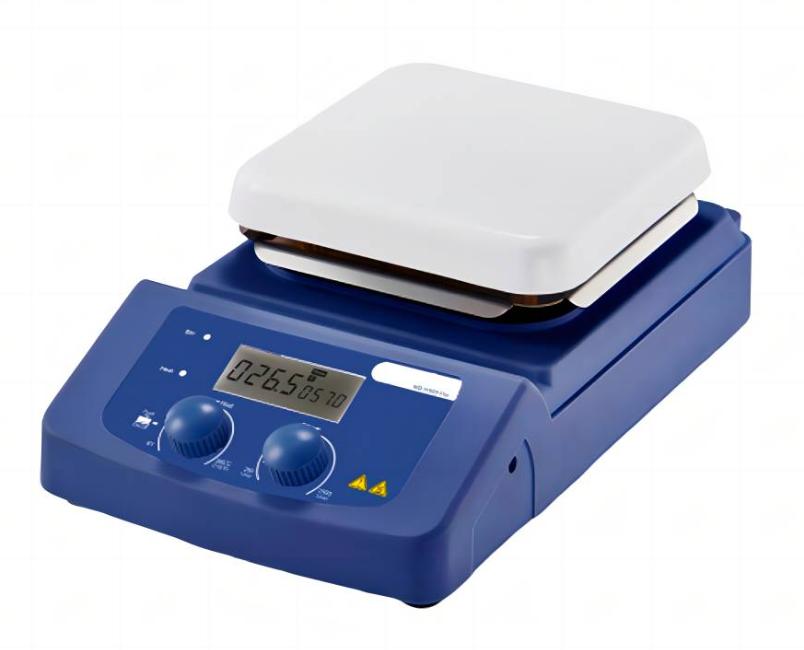
Are Magnetic Hot Plate Stirrers Compatible with All Liquids
Magnetic hot plate stirrers are essential tools for laboratories, combining mixing and heating into one device. Their versatility allows them to be employed in a variety of industrial and scientific applications. But, a frequent question is the following: Are the magnetic stirrers compatible…
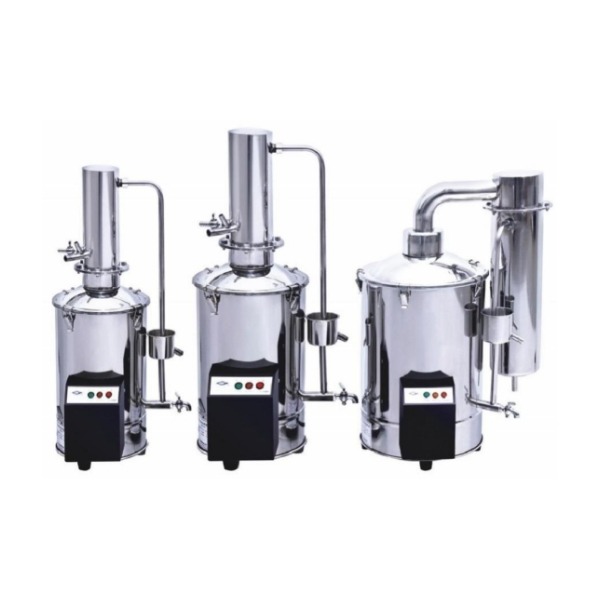
Stainless Steel vs. Plastic Water Distillers: Which is Better for Purity and Durability
In various settings such as labs, homes, and healthcare environments, water distillers serve as an effective solution for producing pure and clean drinking water. One of the most important decisions for potential buyers is choosing between plastic and stainless steel water…
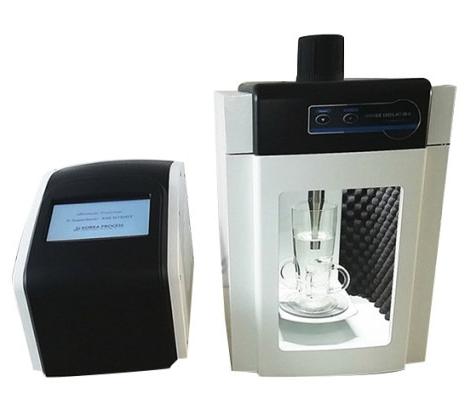
Ultrasonic vs. High-Pressure Homogenizer: How to Choose for Processing Materials
For the processing of materials, especially in the food, pharmaceutical cosmetics, nanotechnology, and food industries, the necessity for a fast and efficient homogenization process of emulsions and particles resulted in the development of a variety of techniques. The most popular methods are ultrasonic…
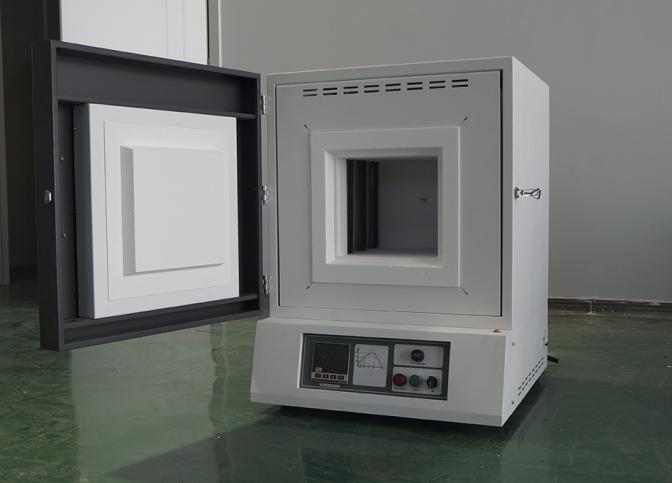
How to Choose the Right Muffle Furnace for Your Specific Applications
When deciding on a muffle furnace for laboratory or industrial use certain critical aspects are to be considered to ensure that the furnace can meet the requirements of your business. The muffle furnaces are crucial for high-temperature applications like sintering, analysis of…
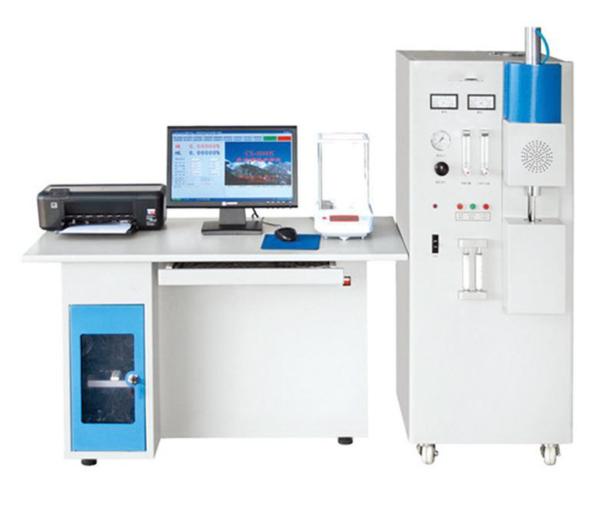
Do’s and Don’ts of Preparing Samples for Carbon Sulfur Analysis
A precise determination of the sulfur and carbon content is vital across all industries, from ensuring good quality of the steel alloys, to monitoring the environmental impact of emissions to identifying new materials. A carbon sulfur analyzer is an effective instrument to accomplish…
Browse by category:


