


Water analysis is essential for environmental monitoring, industrial operations, and healthcare management. Furthermore, the precision and dependability of analytical instruments such as a laboratory spectrophotometer or microscope greatly matter. Because they influence the results obtained from any given water sample. Therefore, this article explains the key considerations and types of equipment for accurate water analysis, helping laboratories meet their specific testing requirements.
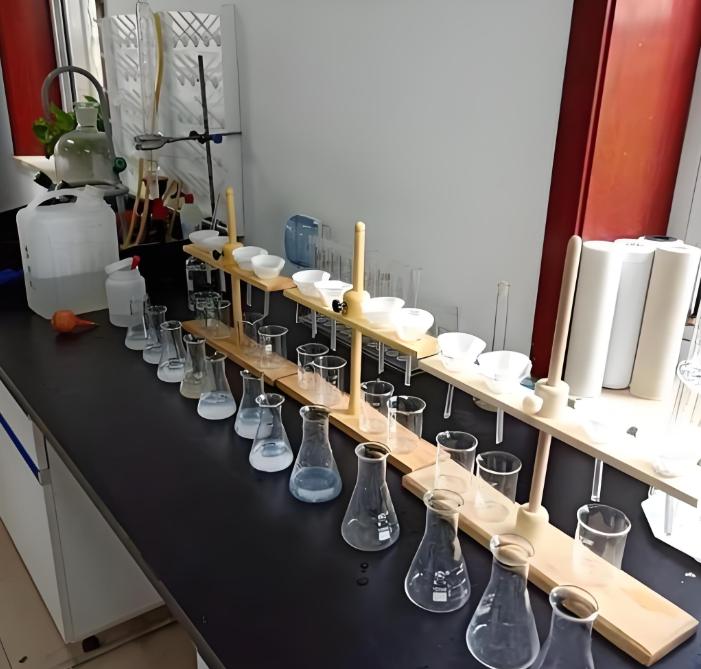
Understanding Your Analytical Needs: The Foundation of Selection
Before any equipment purchase, a thorough assessment of your laboratory’s specific analytical needs is essential. This foundational step ensures that investments are aligned with your objectives and that the chosen equipment will perform optimally for your intended applications.
Know Your Objectives
The first step is to clearly define what you need to achieve with your water analysis. This involves identifying the specific parameters that require monitoring, the required level of accuracy and precision, and the expected sample throughput.
Please ask your team these questions before you choose:
- What parameters need to be analyzed? Water quality involves a myriad of parameters. For instance, drinking water analysis might focus on pH, turbidity, chlorine, and bacterial indicators, whereas industrial wastewater could require measurements of Chemical Oxygen Demand (COD), Total Organic Carbon (TOC), heavy metals, and specific organic pollutants. Environmental monitoring of natural water bodies often includes dissolved oxygen, nutrient levels (nitrate, phosphate), and chlorophyll-a. Each parameter dictates a different set of analytical techniques and, consequently, different instrumentation. For example, a basic drinking water lab might prioritize simple colorimeters for chlorine, while a wastewater lab would absolutely need a spectrophotometer for COD analysis.
- What are the required detection limits and accuracy? Regulatory bodies often set strict limits for contaminants. For example, drinking water standards for lead are typically in the parts per billion (ppb) range, requiring highly sensitive instruments like Atomic Absorption Spectrometers (AAS) or Inductively Coupled Plasma (ICP) systems. In contrast, for parameters like pH, a standard laboratory pH meter offering precision to two decimal places is usually sufficient. Understanding these limits is critical. If your application requires detecting trace levels of contaminants, a basic instrument may not possess the necessary sensitivity.
- What is the sample throughput? The volume of samples processed daily or weekly significantly influences equipment choice. A laboratory handling hundreds of samples per day might require automated systems with auto-samplers and high-throughput capabilities, whereas a research lab with fewer, more complex samples might prioritize versatility and precision in a manual setup. For high-volume labs, speed and automation features become key decision drivers, such as the ability of a UV-Vis spectrophotometer for water analysis to run multiple samples in sequence.
- Regulatory compliance requirements: Adherence to national and international standards (e.g., EPA, ISO, ASTM) is often non-negotiable. These standards frequently specify approved analytical methods, which in turn dictate the type of equipment that must be used. For instance, many methods for organic carbon analysis point towards specific types of online TOC analysers or lab-based TOC instruments.
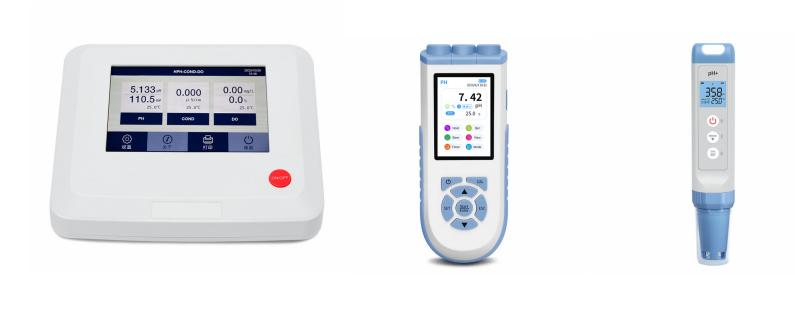
Types of Laboratory Equipment for Water Analysis
There are many types of laboratory equipment used for water quality analysis, ranging from simple instruments for basic parameter detection to sophisticated instruments for trace analysis and real-time monitoring. Categorizing these devices helps us better understand their uses and performance.
Basic Measurement Instruments
These instruments form the backbone of any water analysis laboratory, providing quick and essential measurements of fundamental water quality indicators. They are typically straightforward to operate and maintain, making them ideal for routine checks and initial screening.
| Instrument | Description | Common Applications |
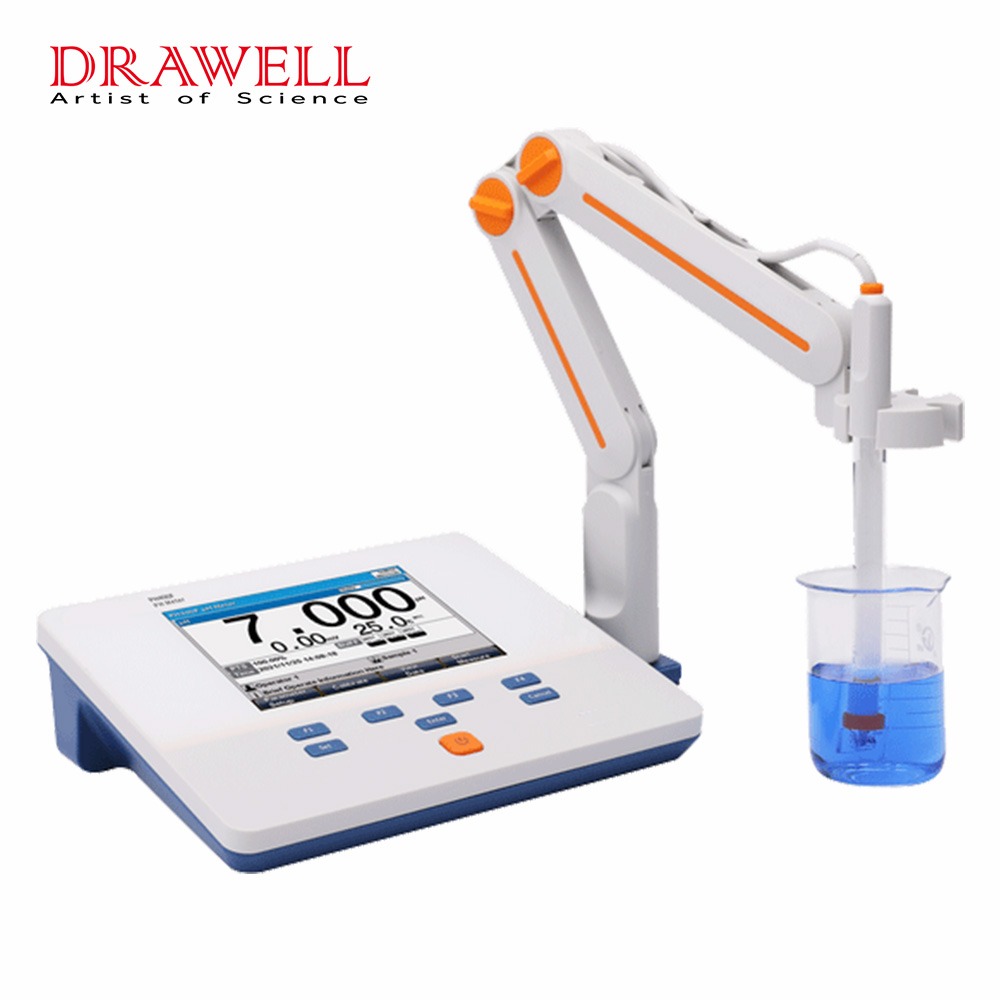
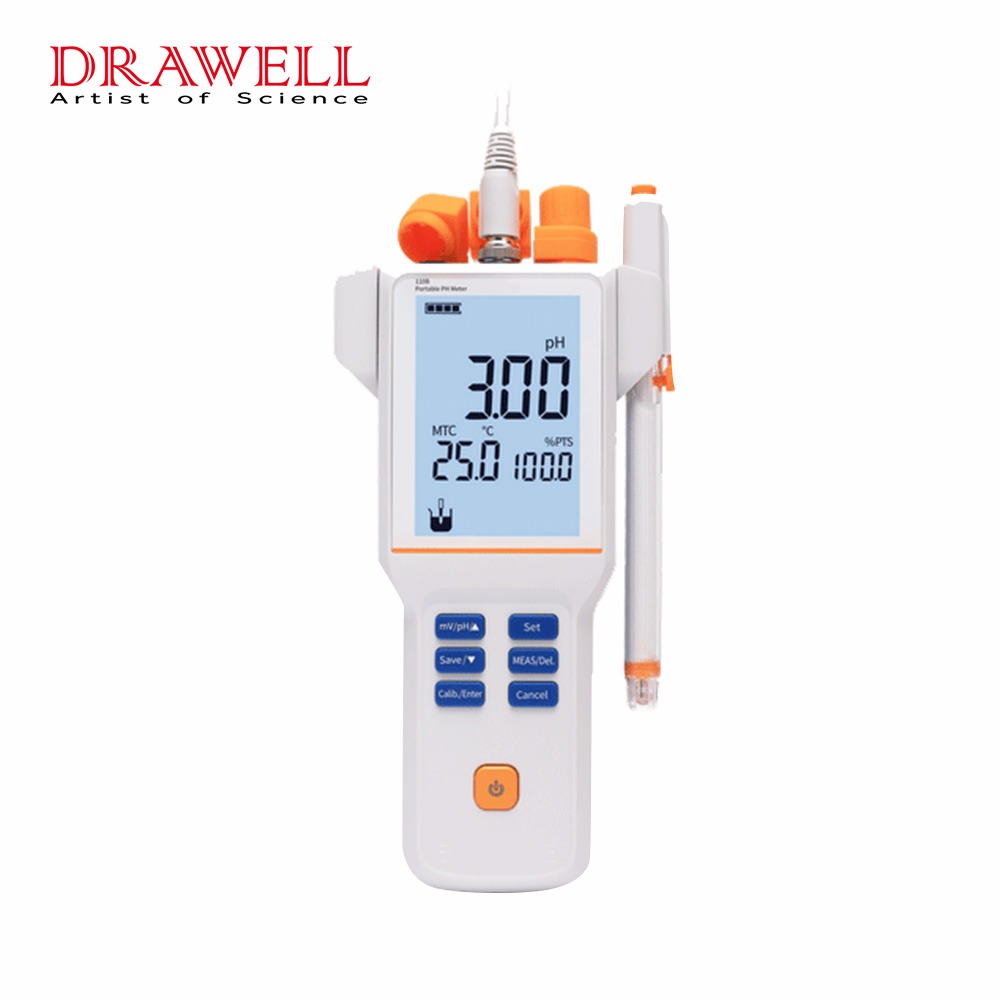
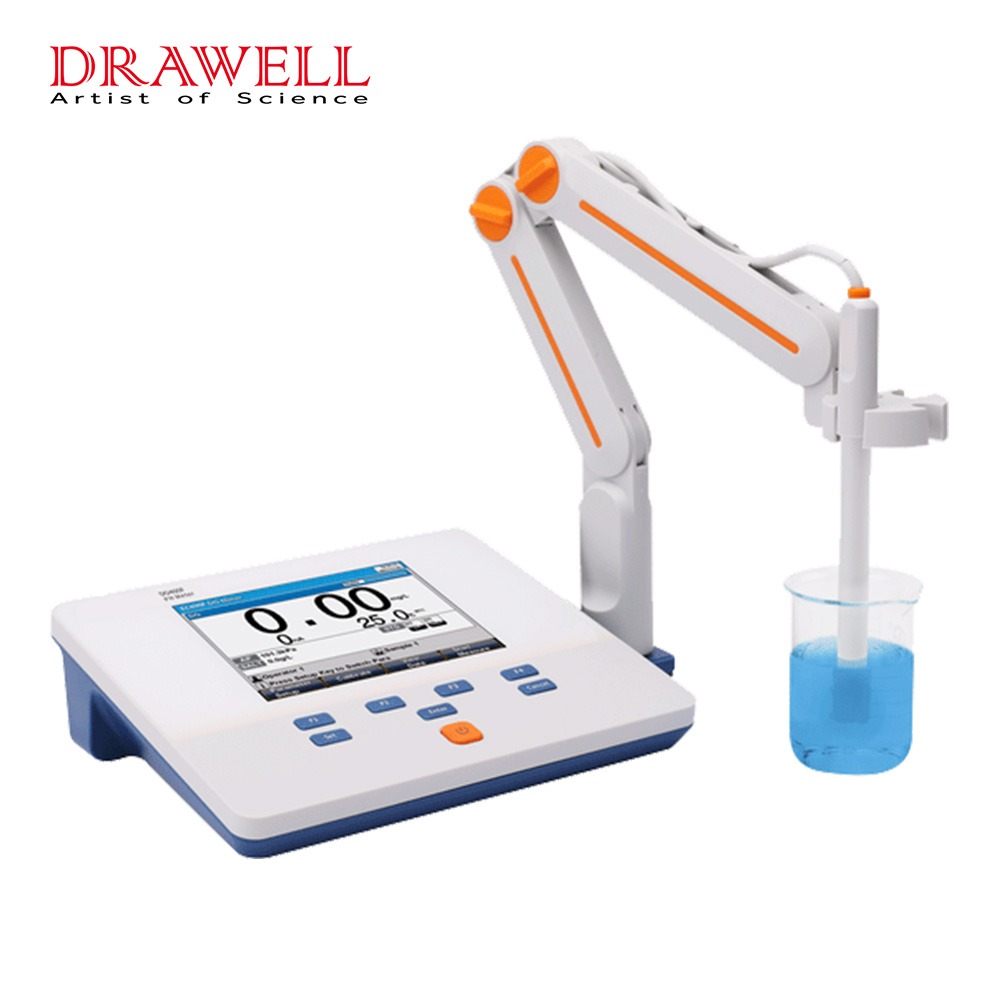
| pH Meters | Measures the acidity or alkalinity of water. Consists of an electrode and a display meter. Benchtop models offer higher accuracy, while portable versions are used in the field. | Aquatic life health, industrial corrosion control, and environmental monitoring. |
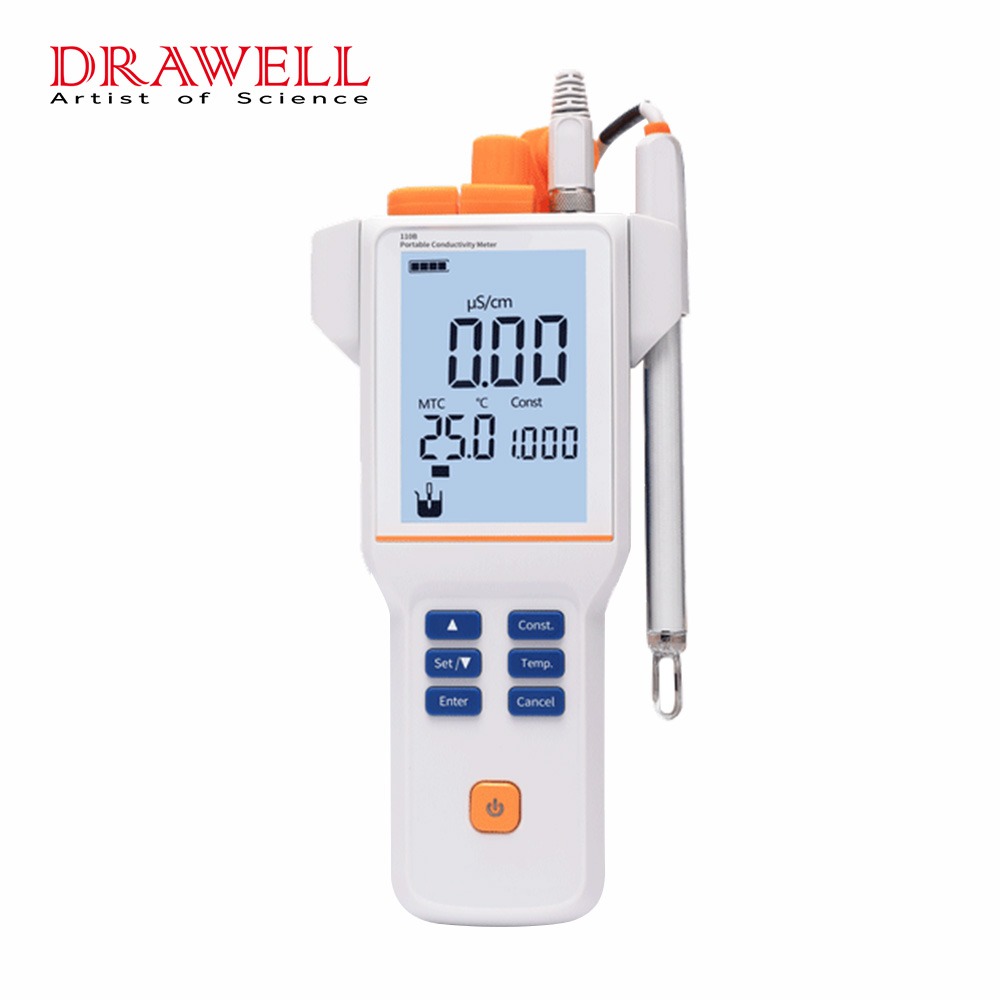
| Conductivity Meters | Measures the electrical conductivity, related to dissolved ion concentration. High conductivity indicates high dissolved solids. | Monitoring desalination processes, assessing water purity, and identifying salinity levels. |
| Turbidimeters | Measures water cloudiness caused by suspended particles using light scattering. Units are typically in Nephelometric Turbidity Units (NTU). | Ensuring effective disinfection in drinking water and assessing overall water quality. |
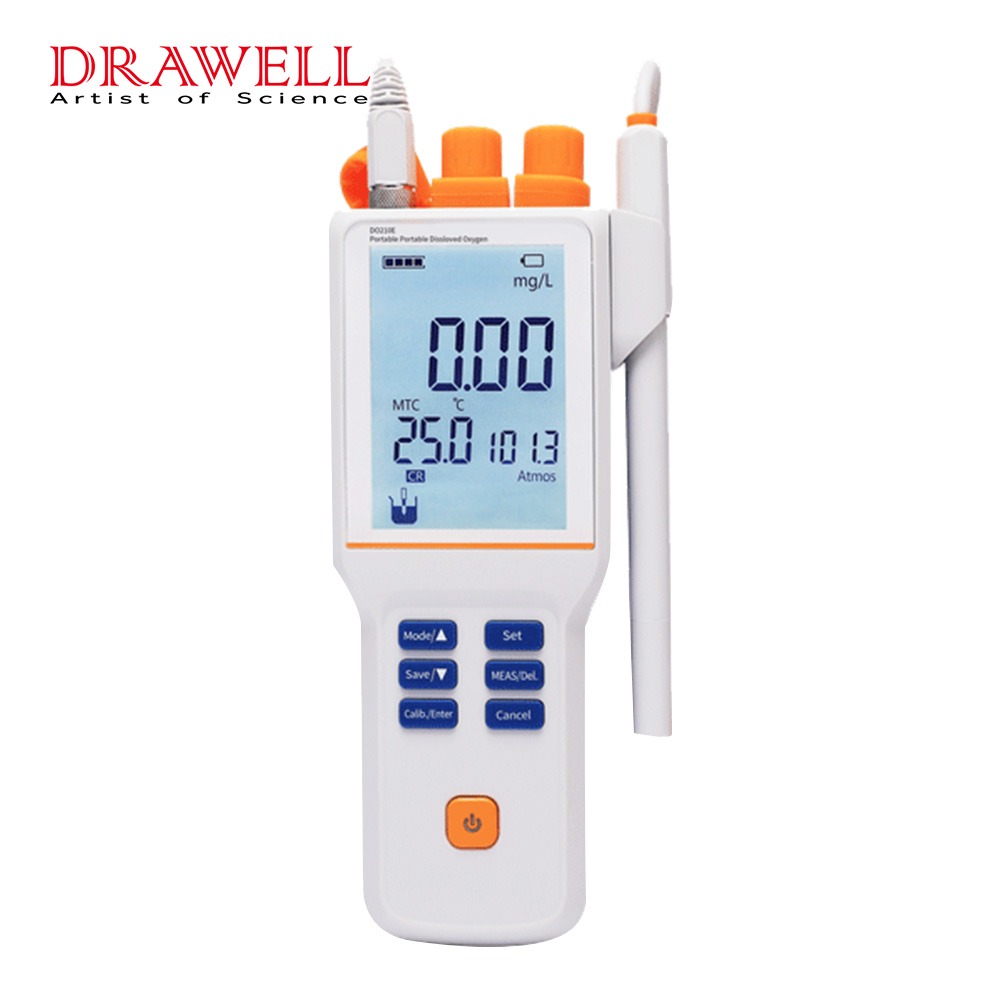
| Dissolved Oxygen Meters | Measures oxygen concentration in water, critical for aquatic ecosystems and wastewater treatment. Modern meters use optical sensors for stability. | Evaluating pollution levels, monitoring aquatic life conditions, and wastewater treatment efficiency. |
| Multiparameter Meters | Handheld or benchtop devices that measure multiple parameters (e.g., pH, conductivity, DO, temperature) simultaneously for convenience. | Routine lab analysis, field sampling, and general water quality assessments. |
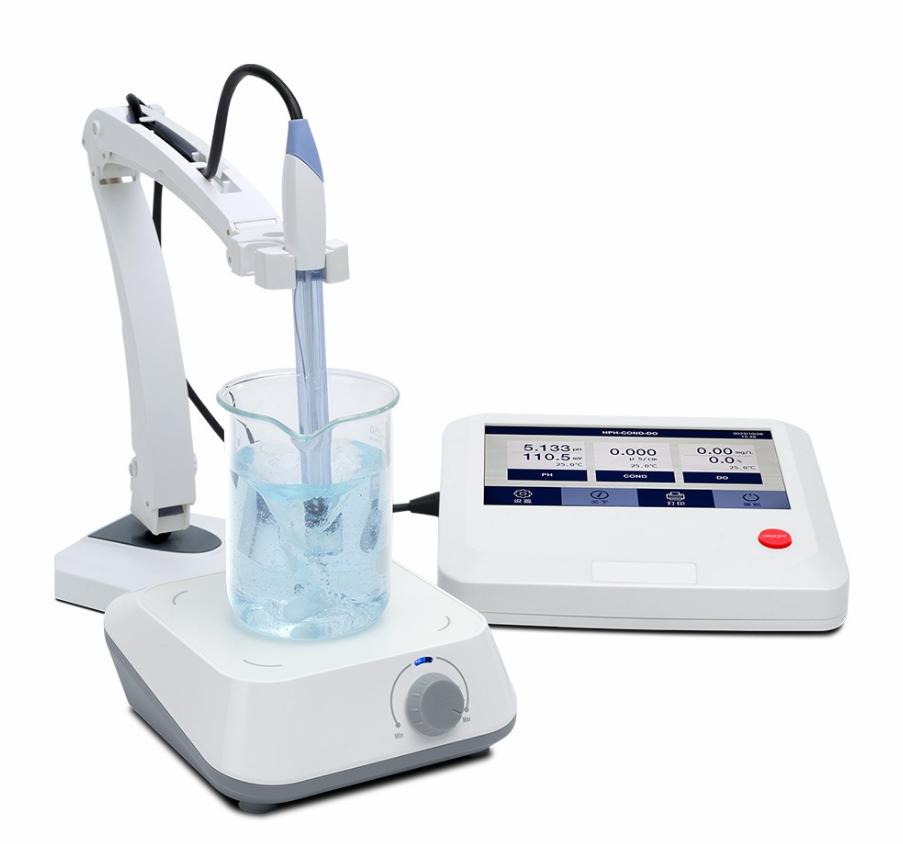
Basic measurement instruments are the starting point for water analysis in lab. They provide fundamental insights into water quality, but for a more in-depth understanding of chemical composition, particularly for specific contaminants or complex organic loads, more advanced techniques are required. This is where spectroscopic methods come into play, offering precision and specificity for a wider range of analytes.
Advanced Spectroscopic Techniques
Spectroscopic techniques leverage the interaction of light with matter to identify and quantify chemical substances in water samples. These methods are indispensable for precise and sensitive determination of various parameters, including organic compounds, nutrients, and heavy metals.
UV-Vis Spectrophotometer for Water Analysis:
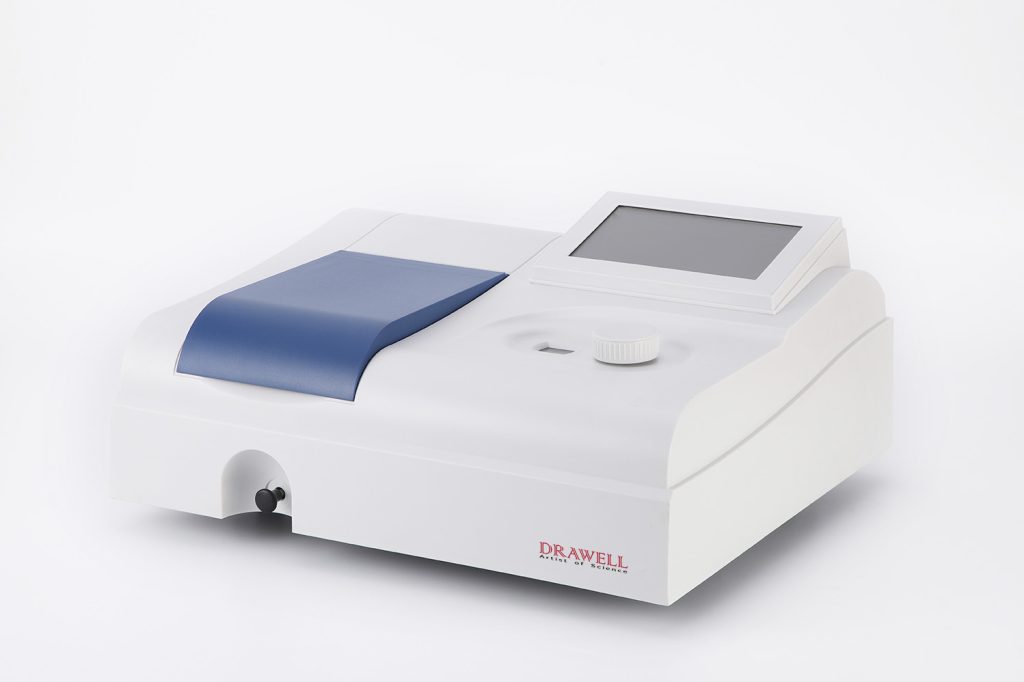
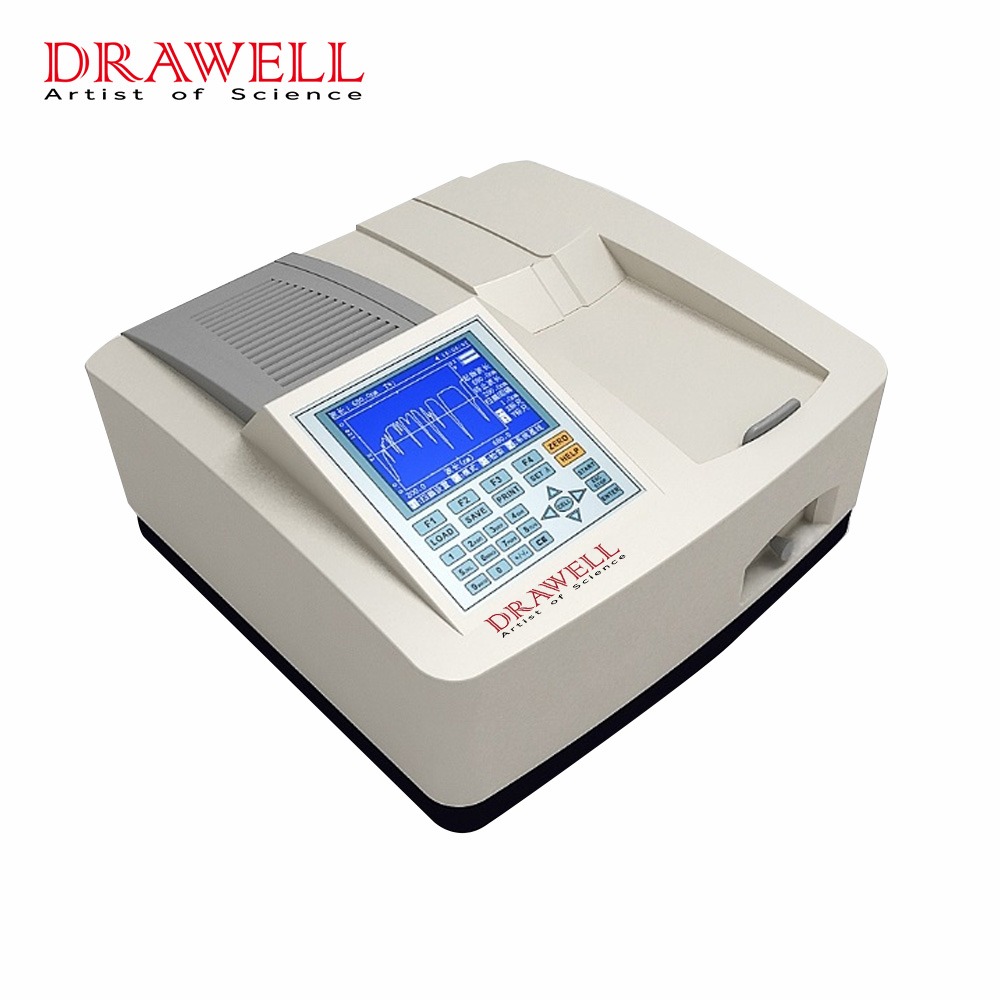
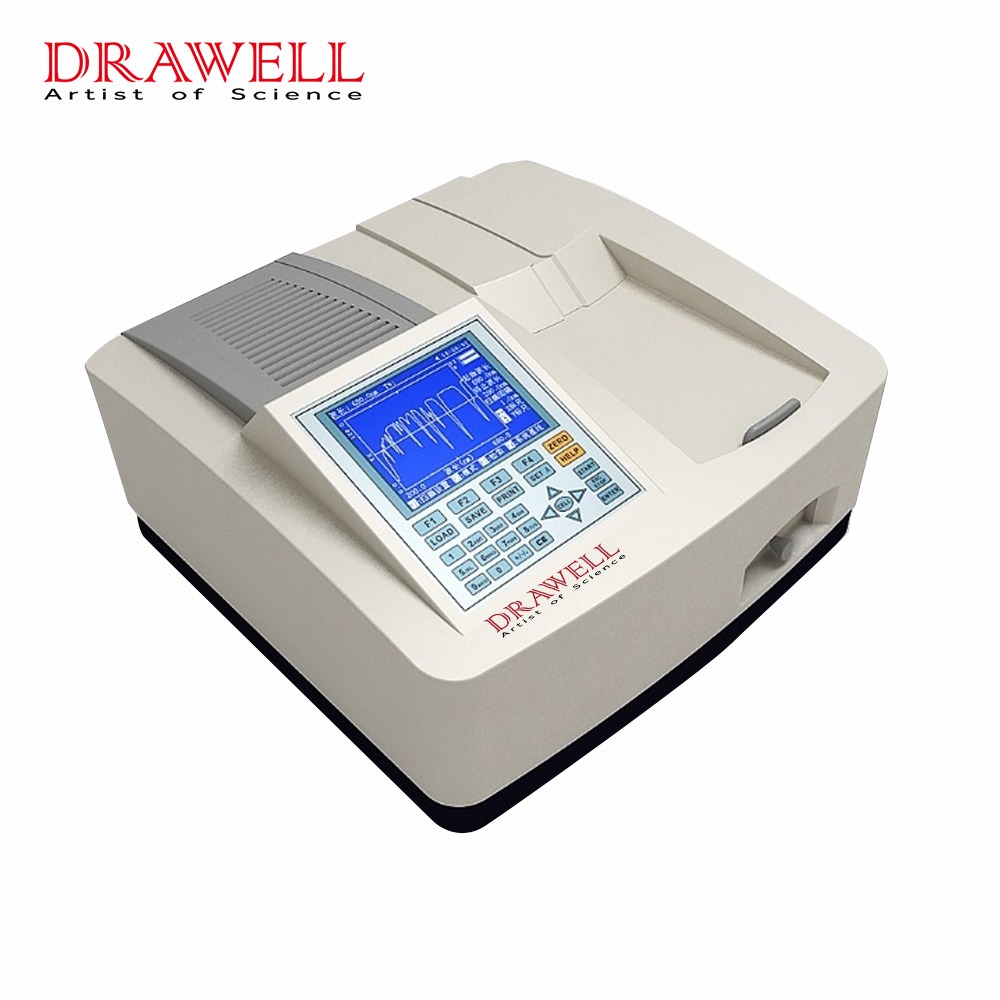
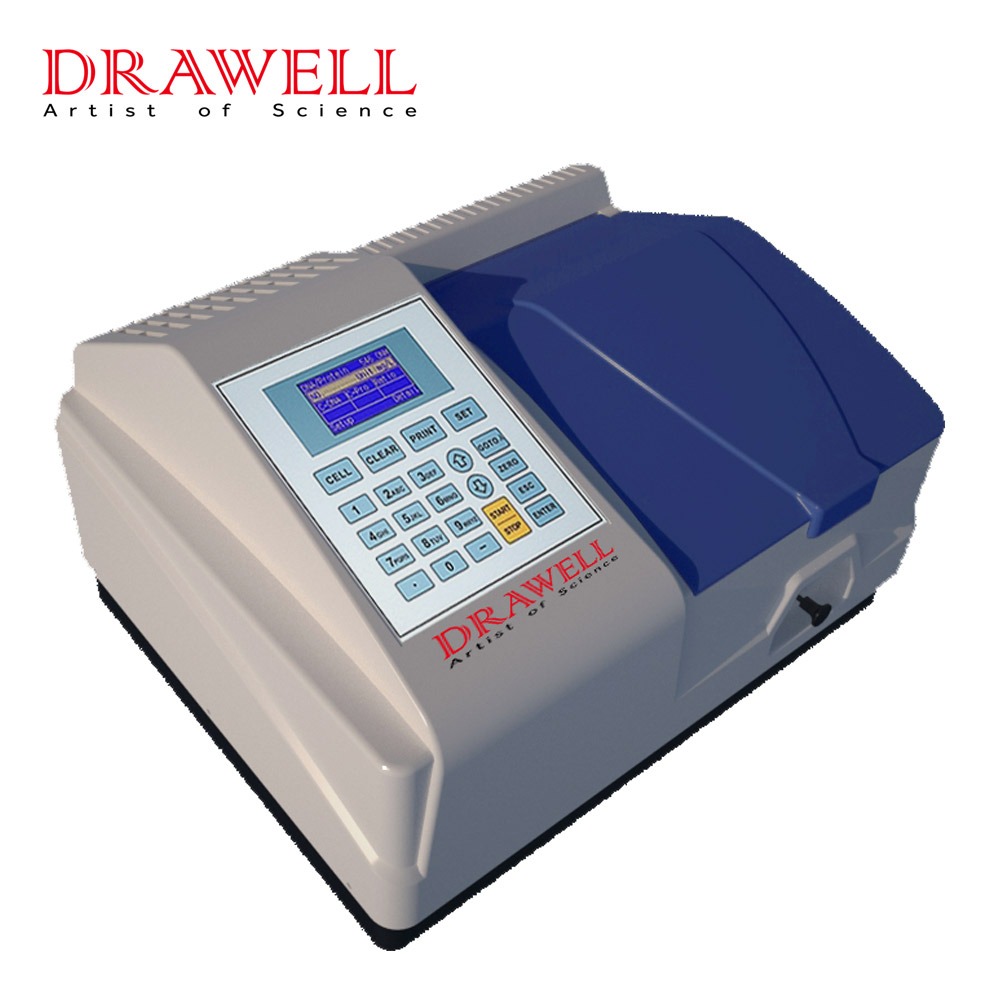
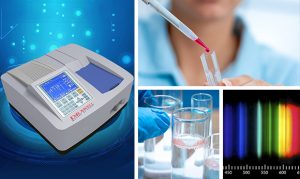
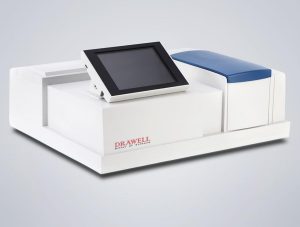
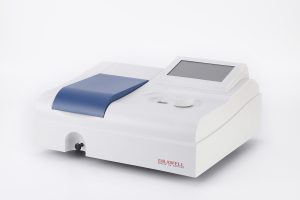
The UV-Vis spectrophotometer for water analysis is a particularly powerful type, capable of measuring light absorption across both the ultraviolet (UV) and visible light spectra (typically 190 nm to 1100 nm). This allows for the quantification of parameters like phosphate, nitrate, ammonia, silica, and various metals. Its versatility allows for a vast range of applications in water quality analysis.
Principle: UV-Vis spectrophotometers work by passing a beam of light through a sample and measuring the amount of light that is absorbed by the sample at different wavelengths. Different compounds absorb light at characteristic wavelengths.
Applications:
- Direct Measurement of Organic Contaminants: Some organic compounds, such as certain pesticides or humic substances (natural organic matter), absorb UV light directly, allowing for their direct quantification without derivatization. This is often used as a screening tool for organic pollution.
- Colorimetric Assays: As with general spectrophotometers, UV-Vis models excel at colorimetric tests. A wide array of standard methods utilize UV-Vis for determining parameters like total phosphorus, total nitrogen, and even some heavy metals after complexation with specific reagents. For example, the determination of nitrate often involves a cadmium reduction step followed by a colorimetric reaction, with the resulting color measured by the UV-Vis spectrophotometer.
- Disinfection By-Product Precursors: UV254 absorbance (absorbance at 254 nm) is often used as a surrogate measure for natural organic matter (NOM) in water, which can react with disinfectants to form potentially harmful disinfection by-products (DBPs). Monitoring UV254 helps optimize treatment processes to minimize DBP formation.
Spectrophotometer for COD Analysis (Chemical Oxygen Demand):
Chemical Oxygen Demand (COD) is a crucial parameter indicating the amount of oxygen required to chemically oxidize organic and inorganic pollutants in water. It is a key measure of water pollution, especially in industrial wastewater. A dedicated spectrophotometer for COD analysis simplifies this complex measurement.
Principle: The most common method involves digesting the water sample with a strong oxidizing agent (typically potassium dichromate) in a heated reactor. During this digestion, organic and oxidizable inorganic matter are oxidized, and the dichromate is reduced. The change in color (from orange to green) due to the reduction of hexavalent chromium to trivalent chromium is then measured by the spectrophotometer. The intensity of the green color is directly proportional to the COD concentration.
Advantages over Traditional Methods: Historically, COD was measured by a titration method, which was time-consuming and involved handling hazardous reagents. Modern COD spectrophotometric methods utilize pre-prepared reagent vials, often in a closed system, making the process safer, faster, and more reproducible. The spectrophotometer automates the measurement of color intensity, eliminating subjective visual interpretation.
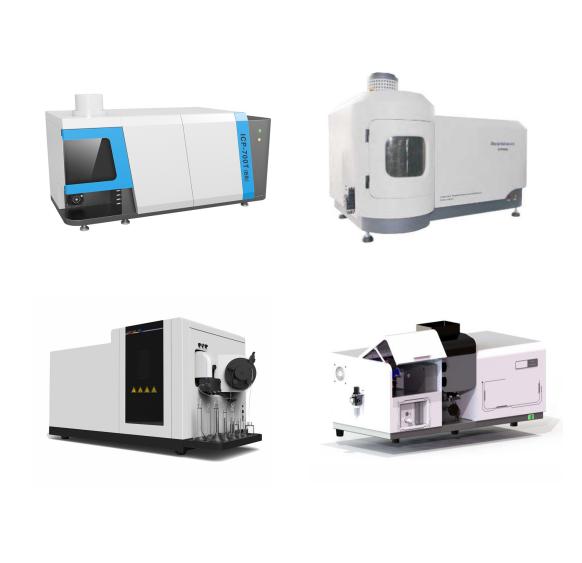
Other advanced spectroscopic techniques like Atomic Absorption Spectroscopy (AAS) or Inductively Coupled Plasma (ICP) are used for precise heavy metal analysis, and Ion Chromatography (IC) for specific anions and cations. While crucial, the spectrophotometers mentioned above are typically the most common and versatile for routine broad-spectrum water quality monitoring.
Online and Automated Solutions for Continuous Monitoring
For applications requiring real-time data or continuous process control, manual laboratory analysis can be inefficient or too slow. This is where online and automated solutions become invaluable, providing continuous insights into water quality without constant manual intervention.
The demand for immediate feedback in water treatment plants, industrial processes, and environmental monitoring sites has driven the development of sophisticated online analytical instruments. These systems are designed for continuous operation, offering numerous advantages over traditional grab sampling and lab analysis, including faster response times, reduced labor costs, and improved process control.
Online TOC Analyser (Total Organic Carbon):
Total Organic Carbon (TOC) is a comprehensive measure of organic contamination in water, encompassing all organic carbon compounds. Online TOC analysers are critical for monitoring ultrapure water systems (e.g., in pharmaceuticals, semiconductors, power generation), environmental waters, and wastewater treatment processes.
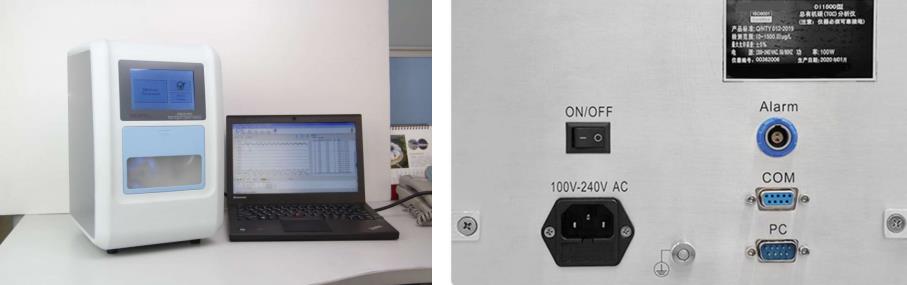
Principle: Most online TOC analysers work by oxidizing organic carbon in the sample to carbon dioxide (CO2), typically using UV light and/or chemical oxidants, or high-temperature combustion. The resulting CO2 is then detected and quantified, usually by a non-dispersive infrared (NDIR) detector. The CO2 concentration is directly proportional to the TOC content.
Key Applications and Benefits:
- Ultrapure Water Monitoring: In industries like semiconductor manufacturing, even trace amounts of organic carbon can degrade product quality. Online TOC analysers provide continuous, real-time feedback, enabling immediate action if TOC levels exceed specifications, preventing costly product rejects.
- Wastewater Treatment Optimization: Monitoring TOC in influent and effluent allows operators to assess the organic load entering a plant and the efficiency of the treatment process in removing it. Real-time data helps in adjusting aeration, chemical dosing, and other parameters to optimize removal efficiency and ensure compliance.
- Environmental Monitoring: Online TOC analysers deployed in rivers or lakes can provide early warnings of pollution events, such as accidental spills, enabling rapid response and mitigation efforts.
TOC analysers have many advantages. The primary advantage of online TOC analysers is their ability to provide continuous, real-time data. This eliminates the delay associated with sending samples to a lab, allowing for immediate process adjustments and proactive problem-solving. They also reduce manual labor, minimize the risk of human error, and can be integrated into SCADA (Supervisory Control and Data Acquisition) systems for automated control.
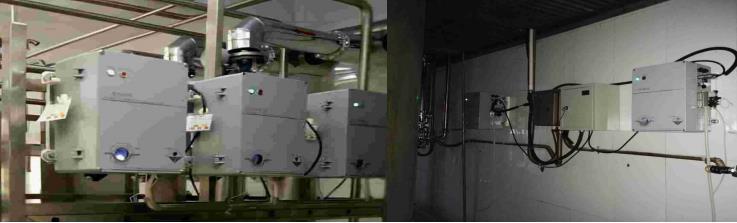
Beyond TOC, a range of other parameters can be continuously monitored online. These include online pH meters, conductivity meters, dissolved oxygen sensors, and turbidimeters. These are often integrated into a network to provide a holistic view of water quality at various points in a process or environment. For example, a river monitoring station might include online sensors for pH, DO, temperature, turbidity, and conductivity to track overall health and identify anomalies.
The implementation of online and automated solutions marks a significant advancement in water analysis. They transform reactive problem-solving into proactive management, ensuring consistent water quality and operational efficiency by providing immediate, continuous data streams.
Key Considerations and Tips for Equipment Selection
Selecting the right laboratory equipment for water analysis is a significant investment that requires careful consideration beyond just technical specifications. A holistic approach ensures long-term suitability and cost-effectiveness.
Please consider the following factors:
| Factor | Explanation |
| Accuracy | Ensure the equipment meets the precision required for your tests. |
| Ease of Use | Opt for user-friendly designs to minimize operational errors. |
| Maintenance | Consider instruments with low maintenance requirements. |
| Compliance | Verify that the equipment adheres to regulatory standards. |
| Scalability | Choose systems that can adapt to increasing testing needs. |
Choose a Lab Water Analysis Equipment Supplier – Drawell
The accurate analysis of water is fundamental to safeguarding public health, protecting environmental ecosystems, and ensuring industrial efficiency. As we have explored, selecting the appropriate laboratory equipment for water analysis is a multifaceted decision that hinges on a deep understanding of analytical objectives, sample characteristics, and practical considerations such as cost, ease of use, and support. From essential basic meters to advanced spectrophotometers for water analysis – including specialized UV-Vis spectrophotometers for water analysis and instruments dedicated to spectrophotometer for COD analysis – and continuous online TOC analysers, each piece of equipment plays a vital role in painting a complete picture of water quality.
For quality laboratory equipment, consider Drawell, a trusted supplier known for its range of reliable and advanced lab analysis tools. Whether you need basic instruments or cutting-edge spectroscopic systems, Drawell offers solutions tailored to meet diverse water testing requirements. Feel free to contact us.
Related Products Recommendation
Get Quote Here!
Latest Posts

What Next?
For more information, or to arrange an equipment demonstration, please visit our dedicated Product Homepage or contact one of our Product Managers.


