



Blog
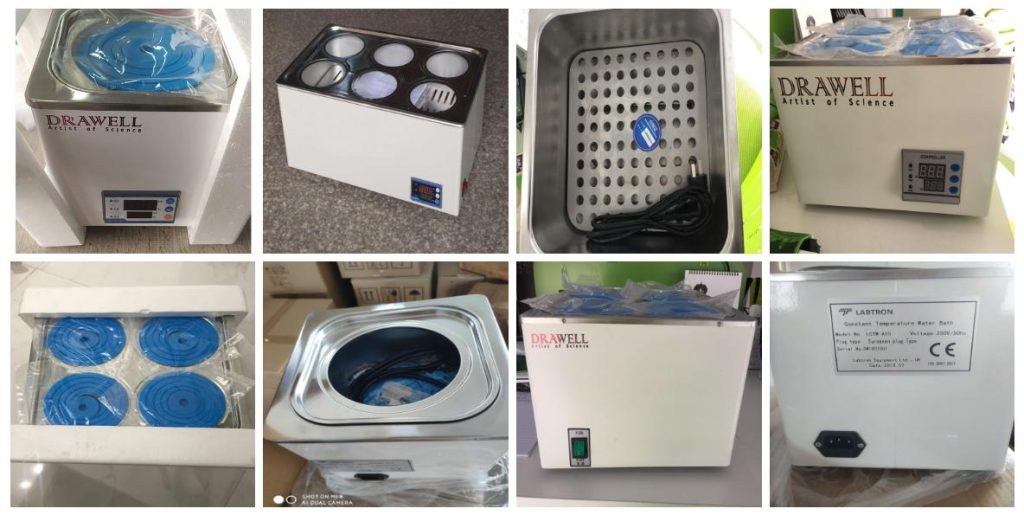
Dry Baths vs. Water Baths in Laboratory Applications
In laboratory research, precise temperature control is essential for ensuring accurate and reproducible results. Two commonly used heating devices, dry baths and water baths, serve this purpose but function in distinct ways. Each has specific advantages and limitations, making them…
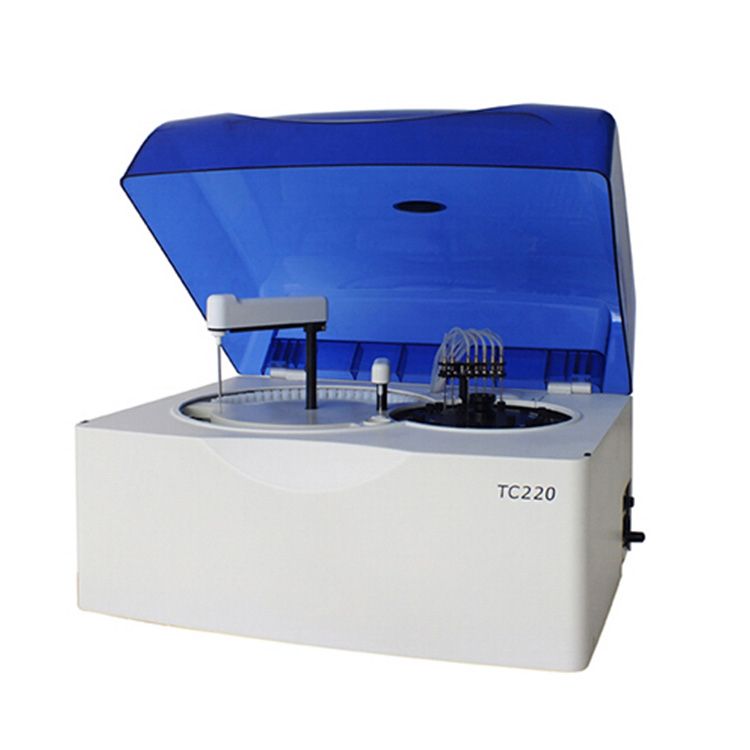
Selecting the Right Model of Biochemistry Analyzer for Specific Laboratory Needs
Biochemistry analyzers are widely applied in clinical diagnostics, research, and industrial applications by measuring biological samples. With various models available on the market, selecting the right biochemistry analyzer for your laboratory requires careful evaluation of various factors, including throughput, automation, reagent compatibility,…
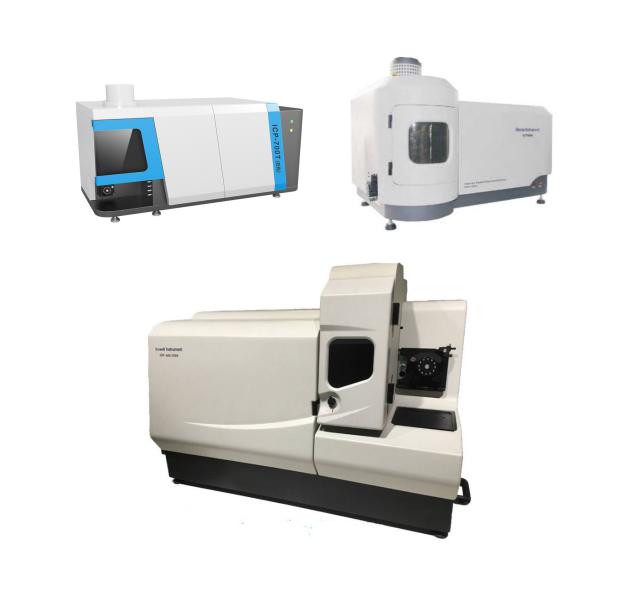
ICP OES, ICP AES, ICP MS: What Are Their Preferred Applications
Inductively Coupled Plasma (ICP) techniques are widely used in elemental analysis across various industries. Among the most common methods are ICP Optical Emission Spectrometry (ICP-OES), ICP Atomic Emission Spectrometry (ICP-AES), and ICP Mass Spectrometry (ICP-MS). These techniques differ in their principles,…
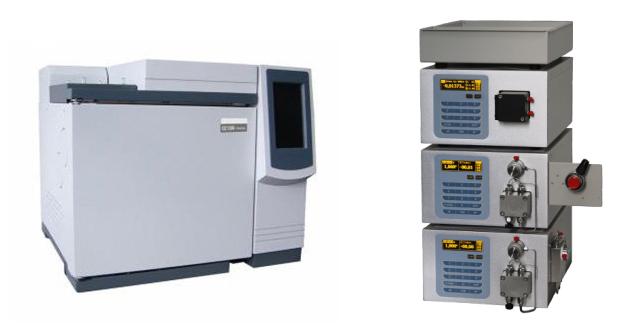
Formaldehyde Analysis by GC or HPLC: What Are the Differences
Formaldehyde, a ubiquitous chemical compound, finds applications in various industries, from resin production to medical sterilization. However, its toxicity and potential health hazards necessitate stringent monitoring and analysis. Gas Chromatography (GC) and High-Performance Liquid Chromatography (HPLC) are two widely adopted methods…
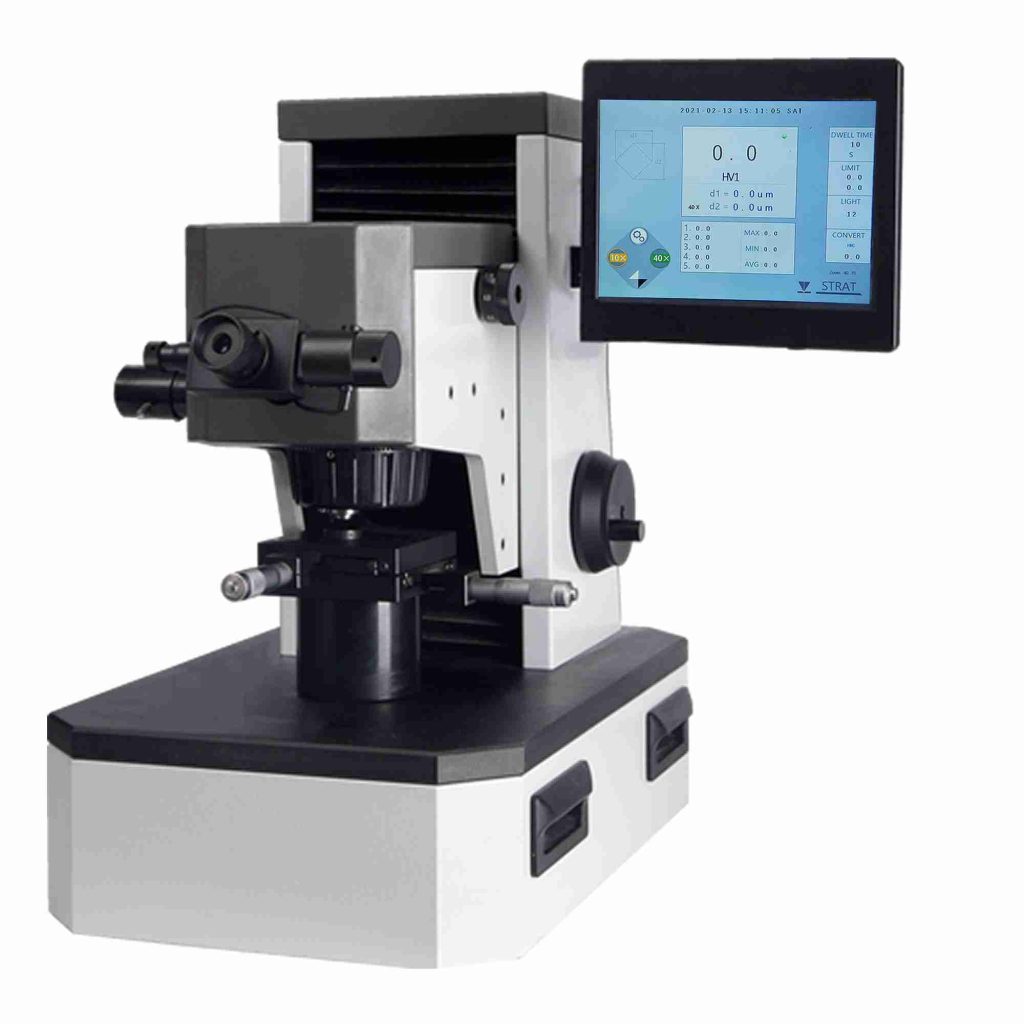
What are Key Advancements in Digital Hardness Testers
Hardness testing is a crucial process in material science and quality control, ensuring the durability and performance of metals, plastics, and composites. The evolution of digital hardness testers has significantly improved precision, efficiency, and ease of use in various industrial applications. This…
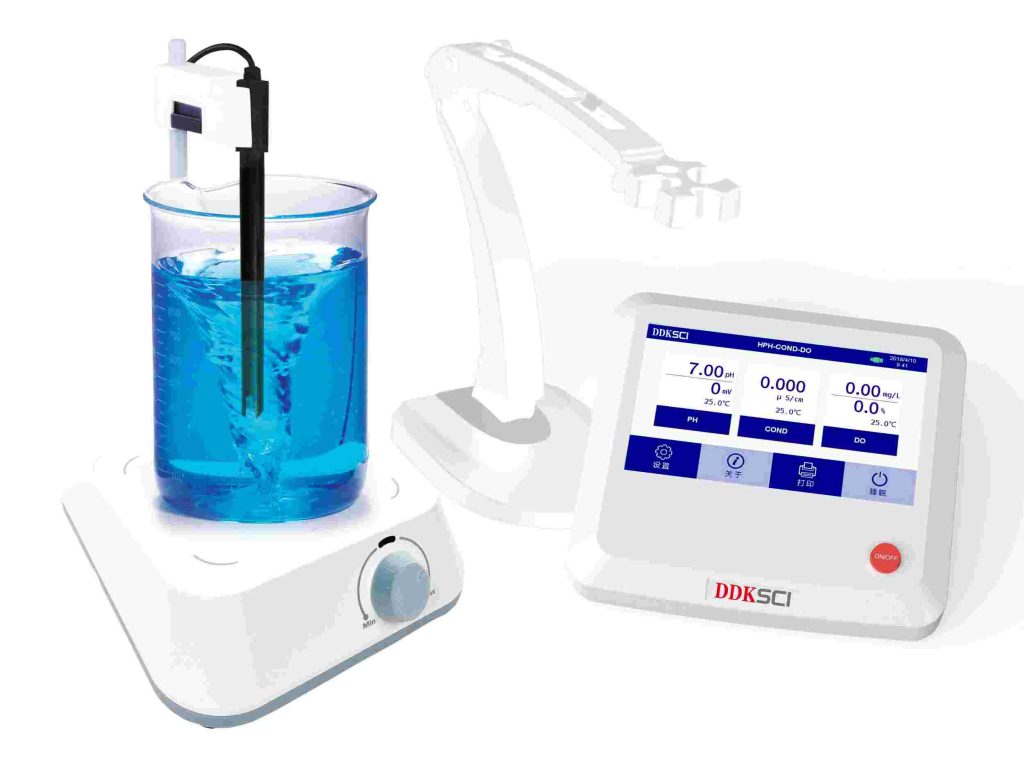
How to Troubleshoot pH Meter Errors Effectively
pH meters are essential instruments used in laboratories, industries, and research facilities for measuring the acidity or alkalinity of a solution. However, like any precision instrument, they can experience errors that affect measurement accuracy. Understanding common pH meter errors and implement effective…
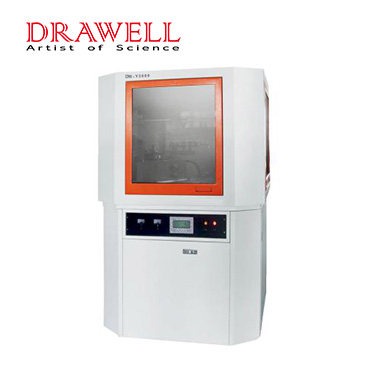
How X-Ray Diffraction Reveals Hidden Crystal Structures
The world around us, from the minerals in the earth’s crust to the intricate molecules of pharmaceuticals, is built upon the precise arrangement of atoms in crystalline structures. Understanding these structures is vital for developing new materials, improving existing technologies,…
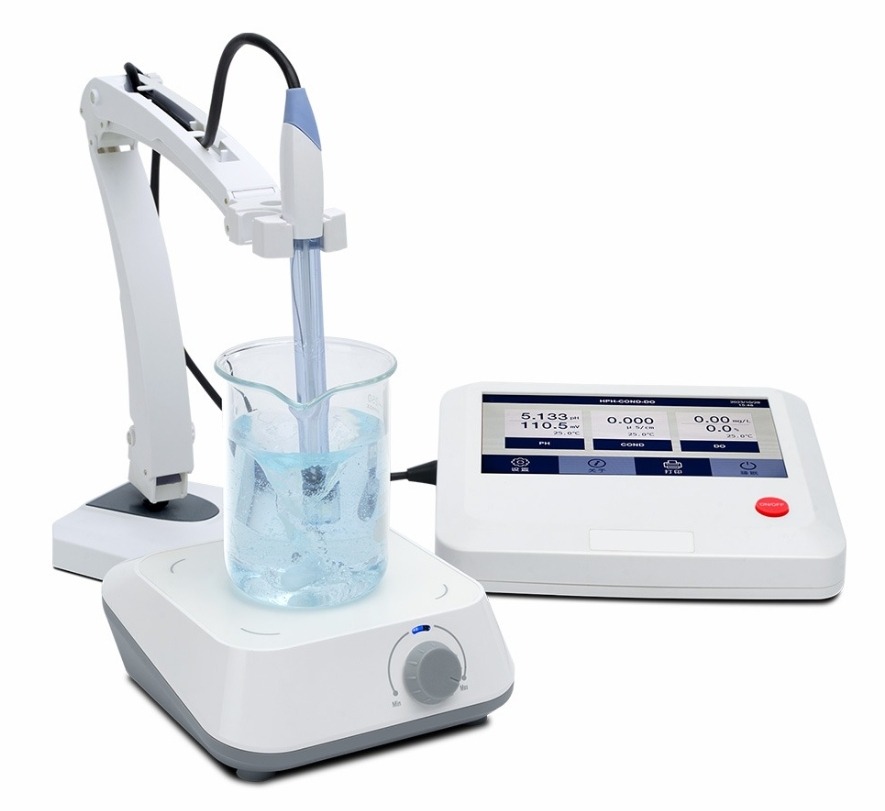
How Do Conductivity Meters Work
Conductivity meters are essential instruments used to measure the ability of a liquid to conduct electricity. These devices are widely used in various industries, including water quality monitoring, chemical processing, and laboratory research. Understanding how conductivity meters work can help users…
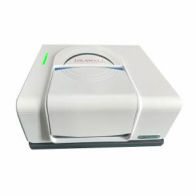
FTIR Analysis for Liquid Samples: What You Need to Know
Fourier Transform Infrared Spectroscopy (FTIR) is a widely used analytical technique for identifying and characterizing materials by analyzing their infrared absorption spectra. When applied to liquid samples, FTIR offers invaluable insights into the molecular composition and structural characteristics of a wide…
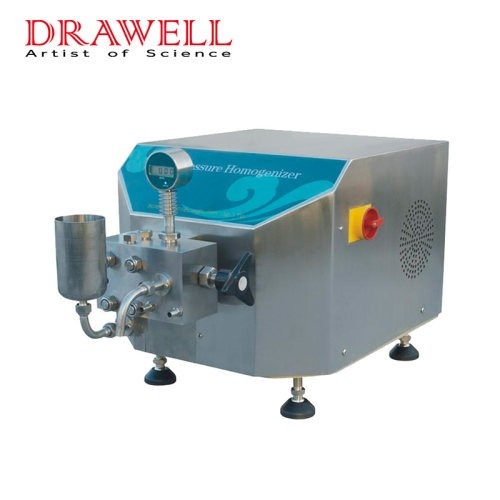
Why Homogenizer is Essential in Cosmetic Labs
The allure of a luxurious cosmetic product lies not just in its ingredients but in its flawless texture, consistent quality, and lasting stability. To achieve this, cosmetic labs rely on advanced technologies that ensure uniformity and stability in their formulations…
Browse by category:


