



Blog
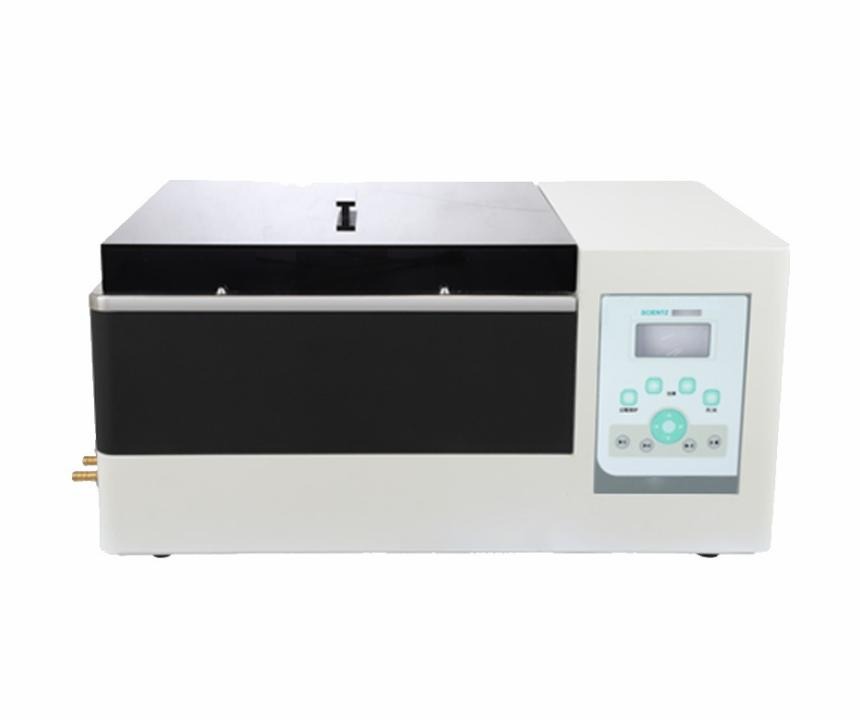
How Ultrasonic Cell Crushers are Transforming Sample Preparation
Sample preparation, the crucial first step in any analytical process, often dictates the success of downstream experiments. From isolating proteins for proteomic studies to extracting DNA for genetic analysis, the integrity and purity of the prepared sample are paramount. Traditionally,…
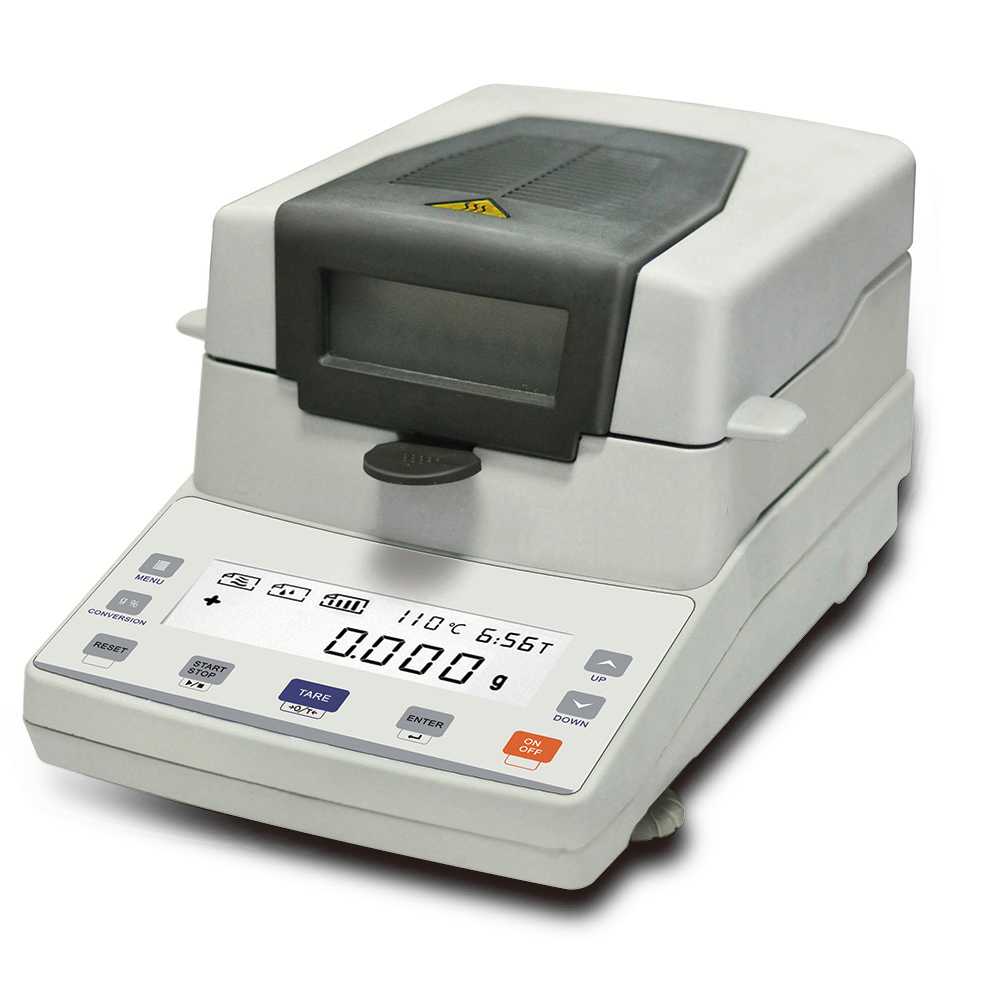
Comparing Halogen Moisture Analyzers with Other Moisture Analyzers
Accurate moisture measurement ensures product quality, prevents spoilage, and maintains compliance with industry standards. Among the various moisture measurement technologies available, halogen moisture analyzers are widely recognized for their precision and efficiency. However, other types of moisture analyzers, including infrared, microwave,…
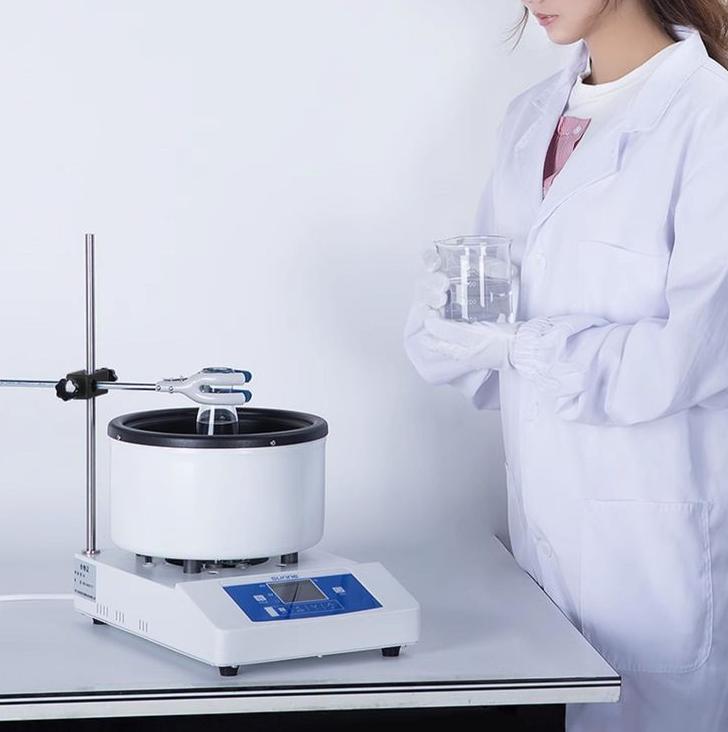
Common Laboratory Heating Techniques and Equipment
Heating is one of the basic operations in the research of chemistry, biology, materials and other disciplines. Its core goal is to achieve sample processing, reaction acceleration or physical property analysis through precise temperature control. From simple alcohol lamps to…
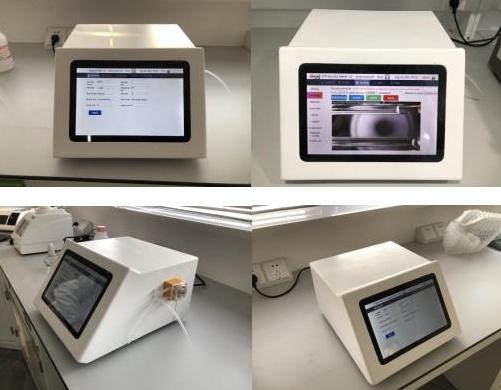
What are Effective Calibration Techniques for Density Meters to Enhance Accuracy
Density meters are essential instruments in laboratories and industrial applications to measure the density of liquids, gases, or solids. Accurate density measurements are critical for quality control, process optimization, and regulatory compliance. However, the accuracy of a density meter depends heavily on…
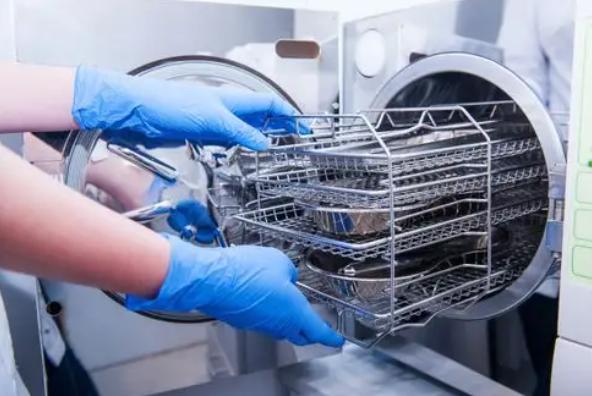
Autoclave vs Dry Heat vs Boiling: Which Sterilization Method Fits Your Needs
Sterilization, the process of eliminating all forms of microbial life, including bacteria, viruses, fungi, and spores, is crucial in various settings, from hospitals and laboratories to food processing and even home environments. Effective sterilization prevents infections, contamination, and spoilage, safeguarding…
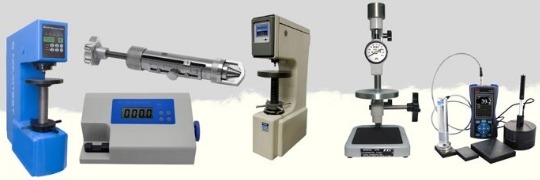
Portable vs. Bench-top Hardness Testers: Which Model to Choose
Hardness testing is vital for material assessment, ensuring the strength and durability of metals, plastics, and composites across various industries. Two common types of hardness testers are portable and bench-top models, each serving distinct applications based on mobility, accuracy, and testing conditions. This…
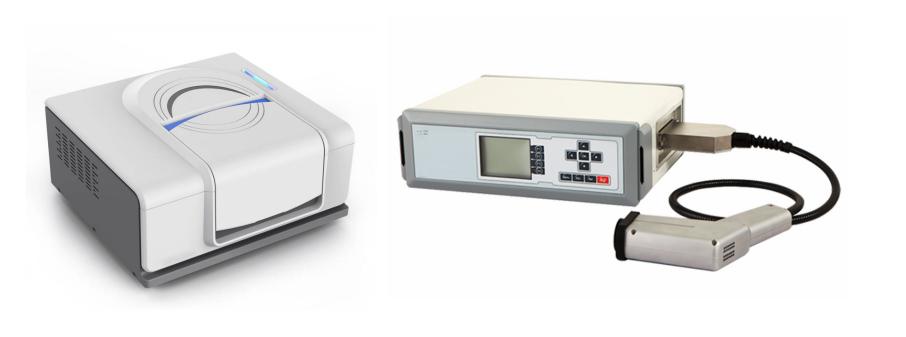
FTIR, IR, or NIR? How to Choose the Best Infrared Spectroscopy Method
Infrared (IR) spectroscopy is a powerful technique used to probe the vibrational modes of molecules. This provides a unique “fingerprint” of a substance, allowing for identification, structural analysis, and even quantitative measurements. Within the realm of IR spectroscopy, three main…
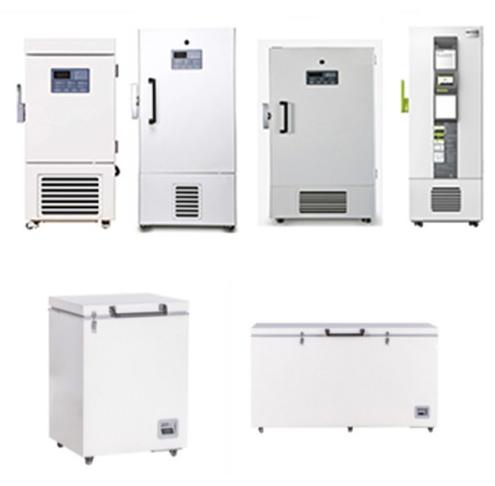
How to Choose the Appropriate Type of Medical Refrigerators
Medical refrigerators are essential for healthcare facilities, laboratories, and research institutions. They are designed to store biological samples, vaccines, medications, and other temperature-sensitive materials safely and efficiently. Different types of medical refrigerators are designed to meet specific storage needs, ensuring…
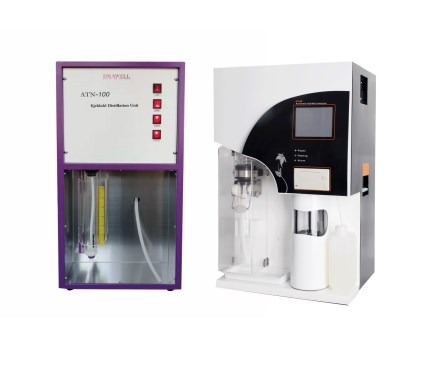
How to Enhance Precision of Kjeldahl Nitrogen Analyzers for Low-Nitrogen Samples
The Kjeldahl nitrogen analyzers are widely used in laboratories for analyzing nitrogen content in various samples, particularly in food, agricultural, and environmental studies. However, measuring low-nitrogen samples poses unique challenges that demand innovative solutions to enhance precision and accuracy. This article…
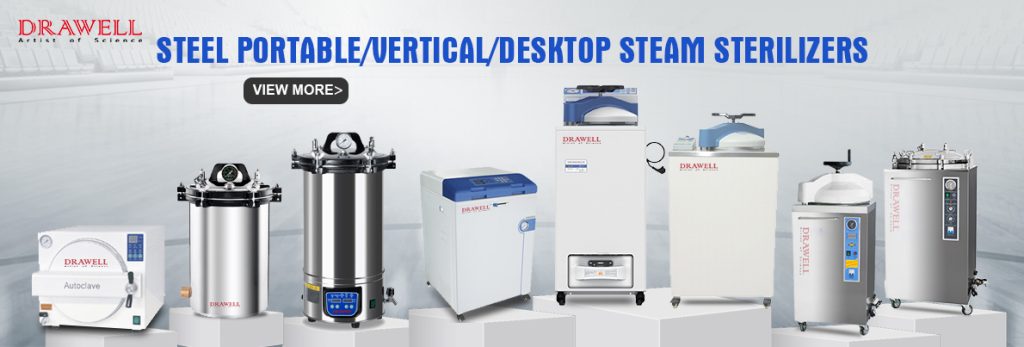
Sterilization Effect of Autoclave: Influencing Factors and Verification Methods
As the core sterilization equipment in the medical, laboratory and pharmaceutical industries, the sterilization effect of the autoclave is directly related to the safety of the equipment and the reliability of the experimental results. According to statistics, there are more than…
Browse by category:


