



Blog
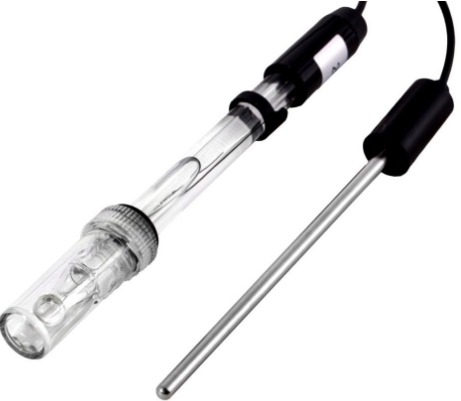
How to Choose the Best Electrodes for pH Meters in Different Applications
pH measurement is essential in various industries, such as laboratory research, food processing, wastewater treatment, pharmaceutical manufacturing, etc. The accuracy and reliability of pH meters depend heavily on selecting the right electrode for the specific application. With different sample compositions, temperature ranges,…
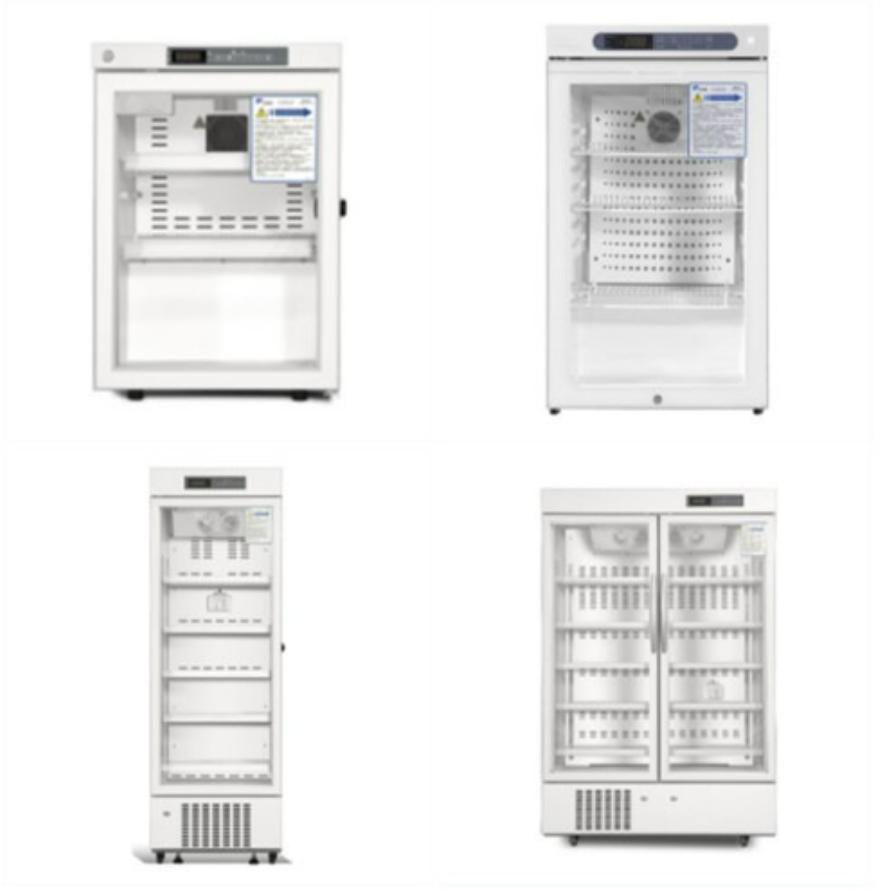
Manual or Automatic Defrost Freezer: How to Choose for Your Laboratory
Laboratories often store sensitive materials such as biological samples, reagents, and vaccines that require precise temperature control. Laboratory freezers are indispensable tools for preserving samples, reagents, and other critical materials. The choice between a manual or automatic defrost freezer, and even…
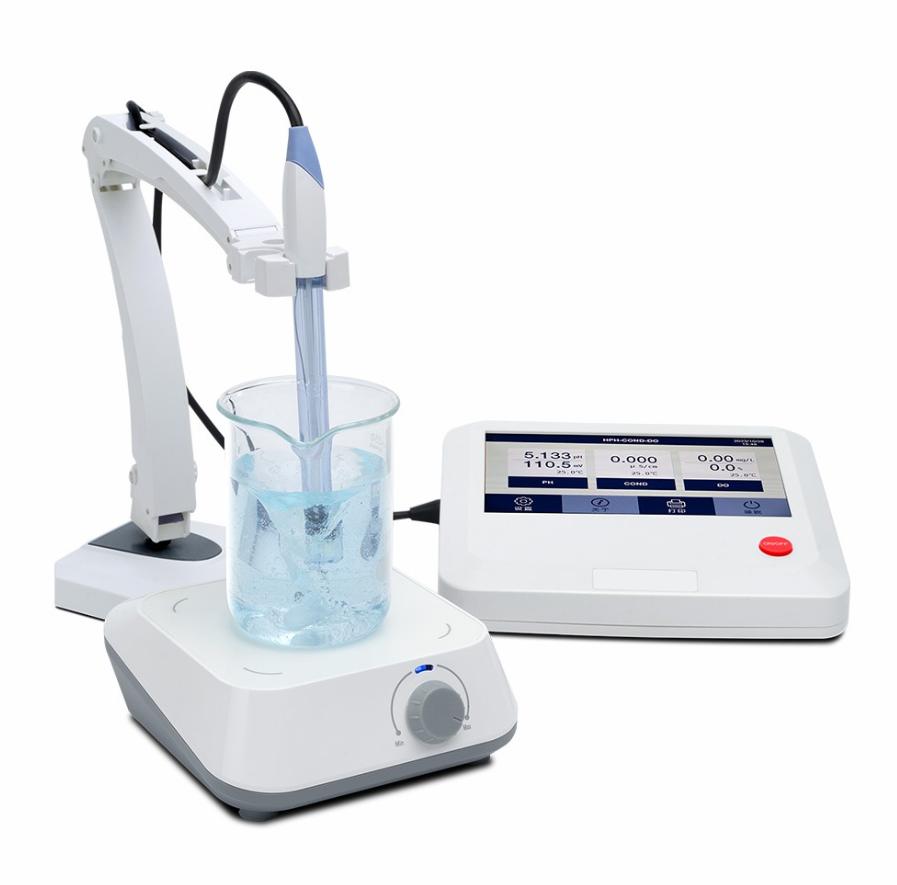
Portable vs. Benchtop Dissolved Oxygen Meters: Which Type is Right for You
Dissolved oxygen(DO) meters are essential instruments for measuring the concentration of oxygen in water, widely used in environmental monitoring, wastewater treatment, aquaculture, laboratory research, etc. These dissolved oxygen meters come in two main types: portable and benchtop. Each type has distinct advantages and limitations, making…
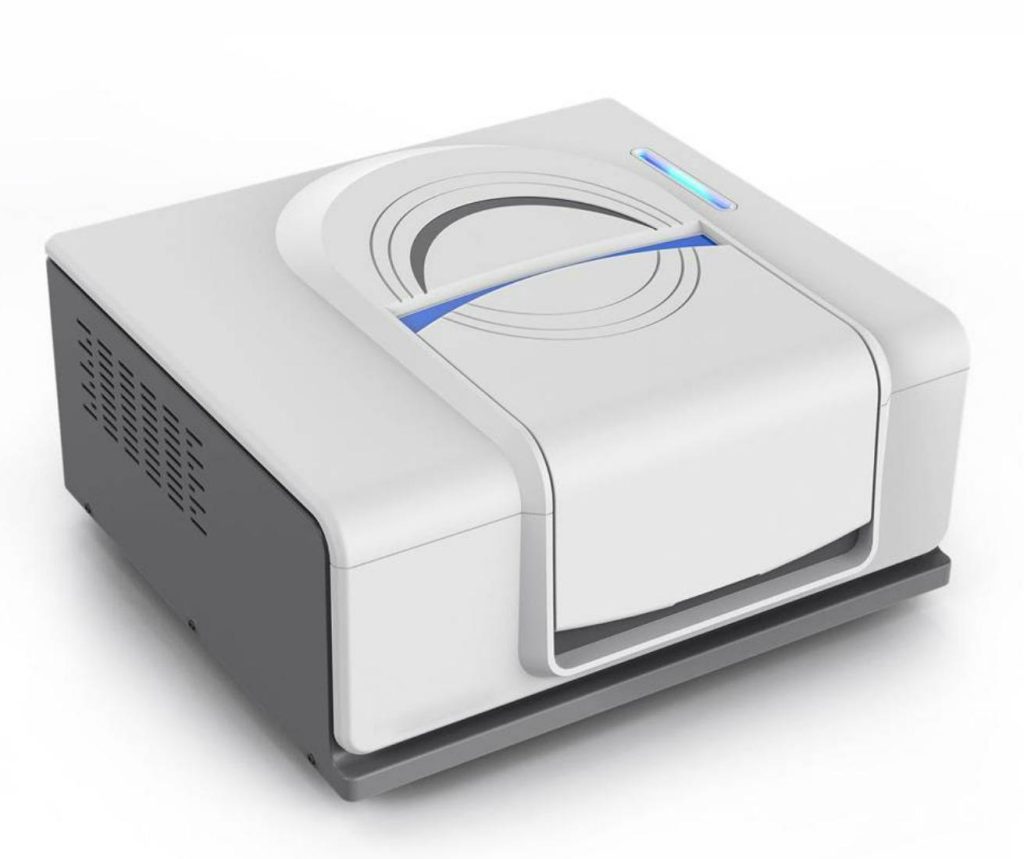
Top 6 Applications of FTIR Spectrometers
Fourier transform infrared spectroscopy (FTIR) technology has been deeply applied in many industries due to its high sensitivity, rapid analysis capability and wide applicability to solids, liquids and gases. Here we explores the top six applications of FTIR spectrometers, highlighting their…
What are the Different Types of Cooling Machines for Labs?
In laboratory settings, temperature control is essential for accurate experiments, precise results, and the preservation of sensitive materials. Cooling machines are used in labs to maintain the appropriate temperature for various applications. Understanding the different types of cooling machines is…
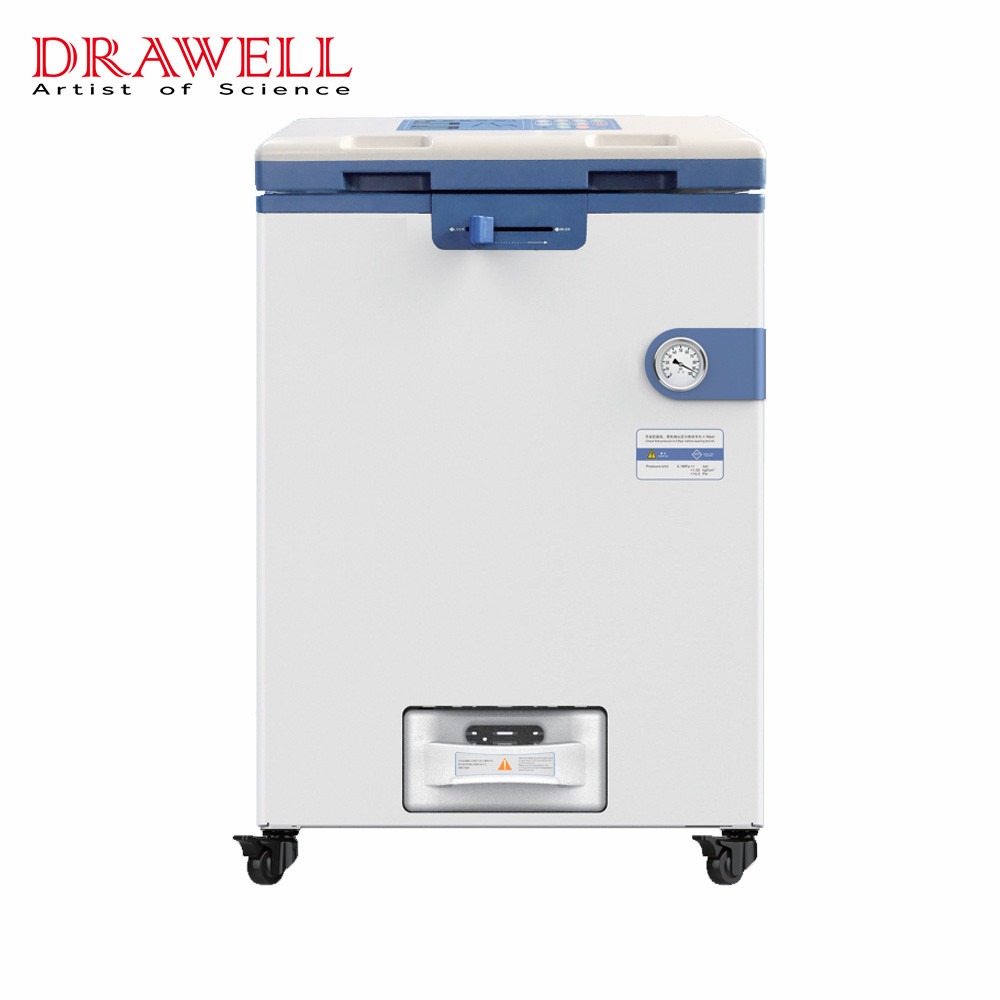
Vacuum Autoclave vs Non-Vacuum: When to Choose Each
Sterilization is a critical aspect of maintaining safety and hygiene in various industries, including healthcare, research, and manufacturing. Autoclaves, widely used for sterilization, come in two main types: vacuum autoclave and non-vacuum autoclave. Choosing the right type of autoclave can significantly impact…
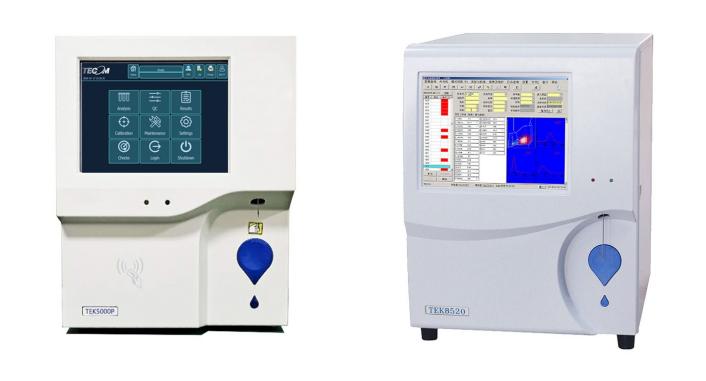
Comparing 3 Types of Auto Hematology Analyzers: How to Choose the Right Type
Auto hematology analyzers are used to perform automated analysis of blood samples for a wide range of diagnostic purposes. These machines provide critical information on various blood components, including red blood cells (RBCs), white blood cells (WBCs), platelets, and other essential…
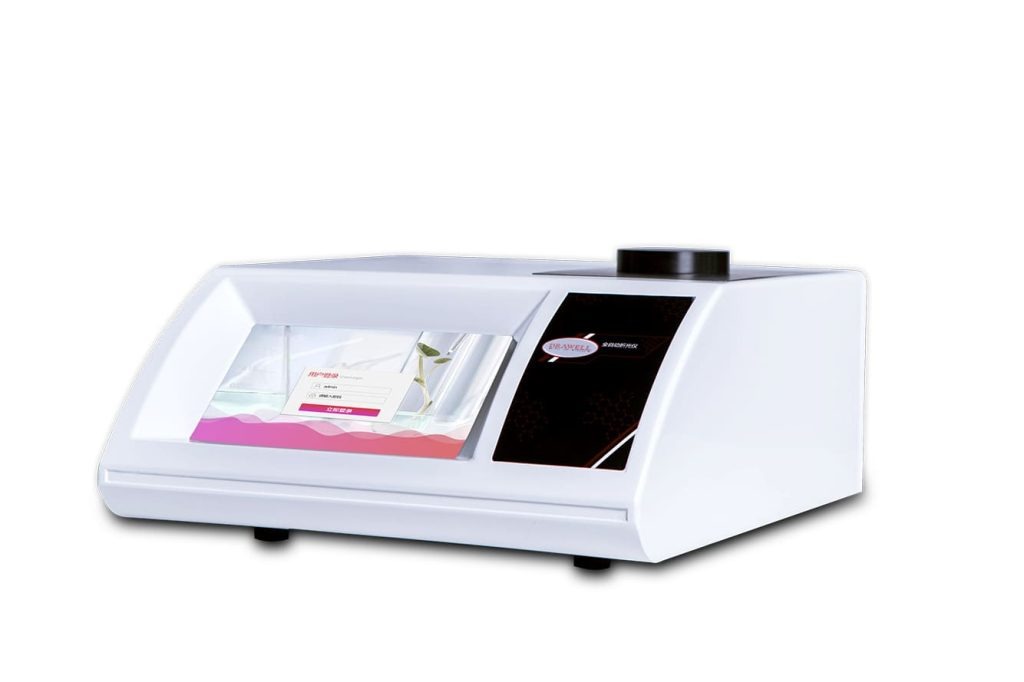
What Are the Impacts of Temperature on Automatic Refractometer Performance
Automatic refractometers are essential tools in industries ranging from food and beverage production to pharmaceuticals and chemical analysis. Their primary function is to measure the refractive index of substances, which can provide critical information about the composition and concentration of solutions. However,…
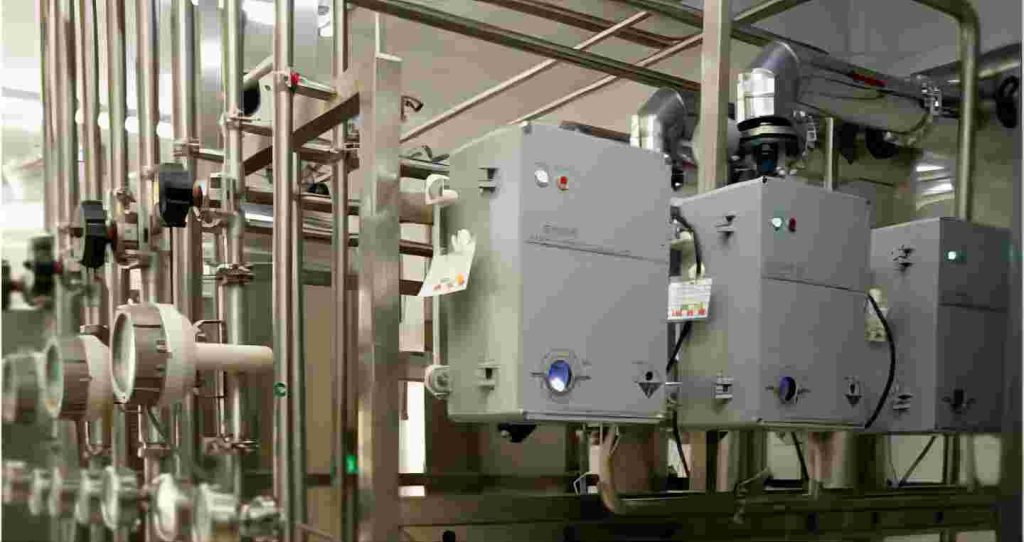
How to Address the Challenges in TOC Analyzers for Complex Matrices
Total Organic Carbon (TOC) analysis is a critical process in various industries, such as environmental monitoring, pharmaceuticals, food and beverage, and wastewater treatment. It plays a pivotal role in determining the level of organic contamination in water, soil, and other complex…

Top Factors Affecting Centrifugal Effects
Centrifugation is a widely used technique in laboratories and industries for separating components of mixtures based on their density differences. It plays a critical role in fields such as biochemistry, molecular biology, and chemical engineering, where efficient separation is often…
Browse by category:


