



Blog

How to Choose the Right Gas Analysis Instruments on a Low Budget
Many laboratories and businesses face a common dilemma: the need for reliable gas analysis instruments while operating on a tight budget. A common misconception is the belief that the lower the cost the lower the performance, the accuracy and the…
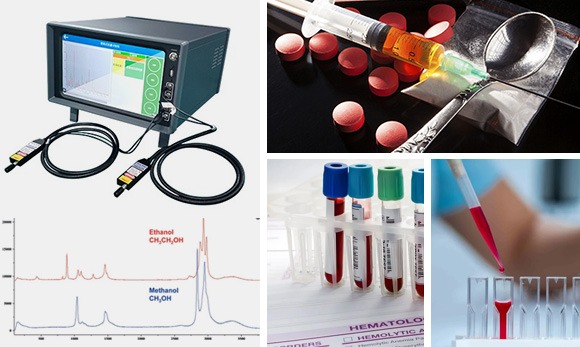
Surface-enhanced Raman Spectrometers for Molecular Detection
Surface-enhanced Raman spectrumrometers (SERS) are a groundbreaking breakthrough in the field of molecular spectroscopy, combining the principles of Raman scattering with the amplifying effects of nanoscale metallic surfaces. These Raman spectrumrometers enable ultra-sensitive detection of chemical and biological substances, providing unparalleled capabilities in surveillance of…
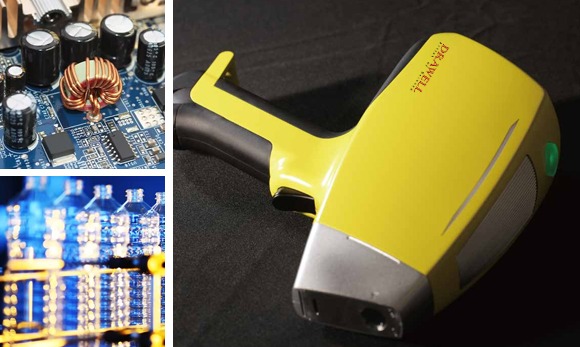
How XRF Enables RoHS, ELV, and CPSIA Compliance
In the current global marketplace, regulatory compliance has become an important concern for manufacturers, importers and distributors. Making sure that their products comply with environmental and safety standards is not only a legal requirement but also essential for protecting consumers and the environment. Among the…

Comparing Food Analysis Instruments: Which Tool Fits Your Application
Does a piece of steak contain clenbuterol? Does a box of milk meet protein content standards? Does a bag of rice have pesticide residues? The answers to these questions all lie within food analysis instruments. In the modern food industry,…
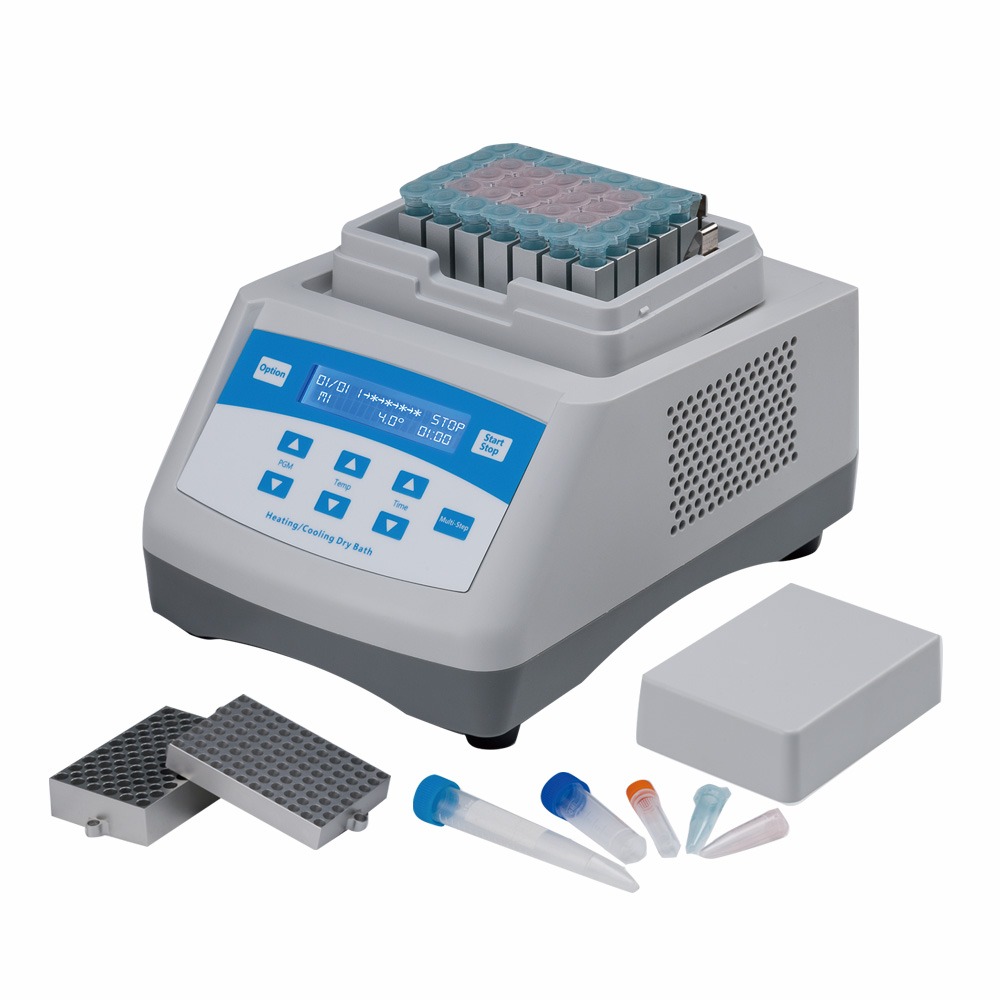
Top 16 FAQs of Using Dry Bath Incubator
Dry bath incubators, also known as dry block incubators or dry bath heat blocks, are widely used laboratory dry bath equipment for controlled heating of samples. Compared with water baths, dry baths reduce contamination risks, simplify maintenance, and provide more stable…

Drawell Showcases Innovative Laboratory Instruments at Thailand Lab 2025
From September 3rd to 5th, 2025, Drawell successfully participated in Thailand Lab International 2025 at the Bangkok International Trade & Exhibition Centre (BITEC). During the three-day event, our booth 4E28 welcomed hundreds of customers from Thailand, the Philippines, and Indonesia, who…
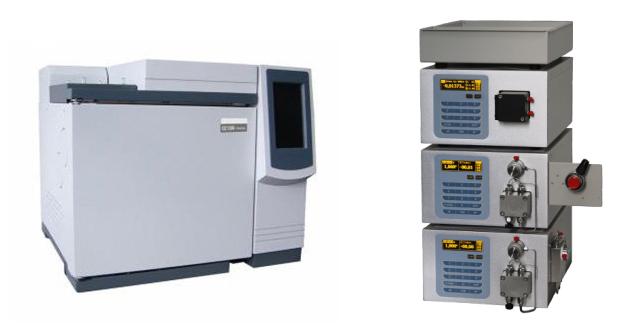
Comparison Between GC and HPLC for Pharmaceutical Analysis
As pharmaceutical research is highly regulated, accuracy, precision, and reliability of analytical data is of utmost importance. Chromatographic techniques play a pivotal role in quality control (QC), research and development (R&D), stability studies and more – High-Performance Liquid Chromatography (HPLC) and…

How Does NIR Spectroscopy Work For Rapid Food Quality Testing
Near-Infrared (NIR) spectroscopy has revolutionized food quality testing by providing a fast, accurate, and non-destructive method to analyze food composition. In contrast to traditional laboratory techniques, which are often time-consuming and require chemical reagents, NIR spectroscopy enables rapid testing on raw materials or…

XRF vs. ICP-MS for Heavy Metal Detection: Choosing the Suitable Method
Heavy metal detection is a vital aspect of environmental monitoring, quality assurance for food products, pharmaceutical quality control, and industrial process management. The two most commonly employed analytical methods for detecting and quantifying heavy metals are X-ray Fluorescence (XRF) and Inductively Coupled Plasma Mass Spectrometry (ICP-MS). Although both XRF…

Centrifuge Rotors: Failure Types & Solutions and How to Extend Life
Centrifuge rotors are critical components in laboratory centrifuges, determining both the efficiency of sample separation and the safety of operation. A rotor failure not only interrupts experiments but can also cause severe equipment damage and potential safety hazards. Based on…
Browse by category:


