


Surface-enhanced Raman spectrumrometers (SERS) are a groundbreaking breakthrough in the field of molecular spectroscopy, combining the principles of Raman scattering with the amplifying effects of nanoscale metallic surfaces. These Raman spectrumrometers enable ultra-sensitive detection of chemical and biological substances, providing unparalleled capabilities in surveillance of the environmental monitoring, medical diagnostics, food safety, and forensic science.
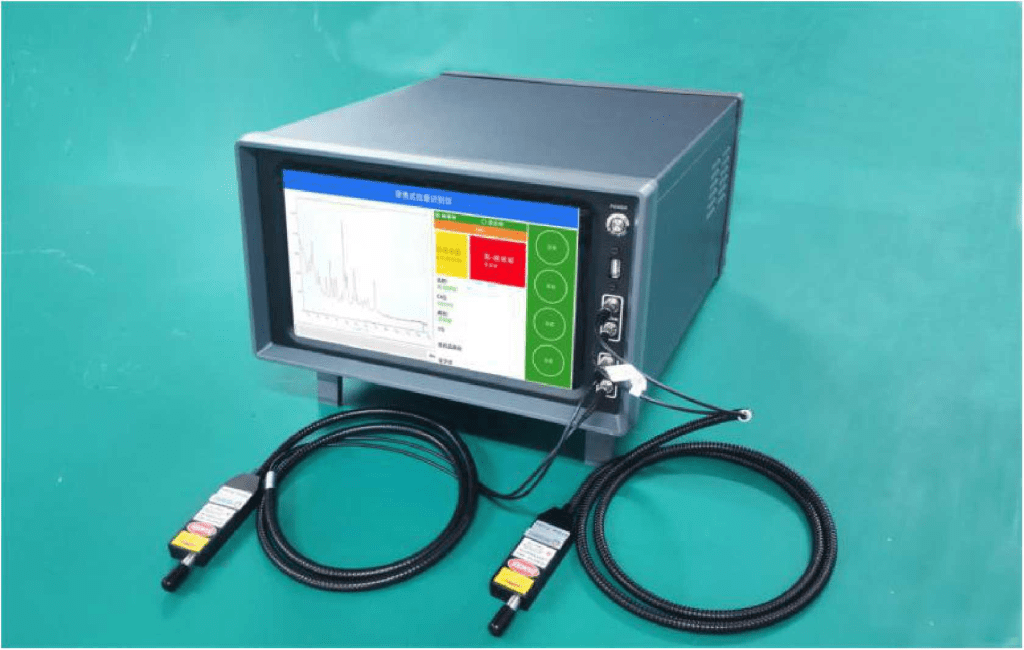
How do Surface-enhanced Raman Spectrometers Work?
The fundamental principle of the surface-enhanced Raman spectroscopy is the principle of Raman scattering. When the light beam that is monochromatic typically from an laser, strikes the molecule, the majority of the light is scattered elastically (Rayleigh scattering) However, a tiny portion is subject to inelastic scattering. This is known as the Raman effect. The light that is inelastically scattered reveals shifts in energy related to molecular vibrations. These can be used as an unique fingerprint to identify chemical compounds.
Surface-enhanced Raman spectrometer amplifies this weak Raman signal by using metal nanostructures with the localized surface-plasmon resonance (LSPR). These plasmonic effects enhance the electromagnetic field near the surface of the metal, greatly expanding the Raman signal of molecules near or adhered to the surface.

Key Components of a Surface-enhanced Raman Spectrometer
| Component | Description |
| 1. Laser Source | It emits a concentrated laser beam that is monochromatic that stimulates molecular vibrations inside the sample. |
| 2. Surface-enhanced Raman Spectroscopy Substrate | A nanostructured metal surface (e.g. gold, silver) which enhances Raman signals by plasmonic effects. |
| 3. Sample Holder | It secures the sample and guarantees a tight interaction with the Surface-enhanced spectrometer’s substrate. |
| 4. Optical System | Included are lenses, mirrors, and filters that focus and capture scattered light effectively. |
| 5. Spectrometer | The scattered light is dispersed into its spectral parts for analysis. |
| 6. Detector (CCD/CMOS) | The camera captures the light dispersed and converts it to an electronic signal. |
| 7. Data Analysis Software | Processing the spectral data in order to determine and quantify molecular information. |

Step by Step Detection of SERS for Molecular
Step 1: Sample Preparation and Substrate Application
The entire process begins by preparing the specimen. The analyte, usually in a liquid form – is either dropped on, sprayed or injected on a specific Surface-enhanced Raman spectrumrometer substrate. The substrate is usually made of silver, gold or copper nanoparticles, or roughened metallic surfaces that are designed to facilitate the plasmonic action.
An effective interaction between the substrate and the sample is crucial. Molecules should be within several nanometers of the surface of the substrate in order to take advantage of the electrical field improvement. A lot of systems employ microfluidics or droplet-based techniques to regulate this process precisely.
Step 2: Laser Excitation of the Sample
When the sample is placed situated on the Surface-enhanced Raman spectrometer’s substrate laser in the spectrometer’s is turned on. Laser emits single-colored light beam, usually in the near-infrared and visible range that is focused precisely onto the test. When the beam hits the metal’s nanostructure the surface, it triggers localized plasmas, which create an intense electromagnetic field.
The field interacts with analyte molecules and enhances their ability to scatter light in this Raman process. The distance that the molecules are with respect to their substrates determines the degree of the enhancement in signal.
Step 3: Scattering and Light Collection
The scattered light that is inelastically scattered is now much more intense because of the enhancement of the surface is captured through an optical device. The lenses and mirrors direct the scattered light beams towards the spectrometer. Optical filters eliminate undesirable Rayleigh scattered light and isolate only the light that is Raman-shifted.
A well-organized light collection process is essential to ensure the highest quality signal. Certain systems employ confocal microscopes or fiber optics to increase the spatial resolution and record scattering of specific regions in the specimen.
Step 4: Spectral Dispersion and Detection
The processed Raman light is absorbed by the spectrometer where it is passed through a diffraction grating or prism, which separates the light into distinct wavelengths. These dispersed light elements are correlated to the vibrational energy levels of the molecules that make up the analyte.
A sensitive detector, typically one that is a charged-coupled device (CCD), records the intensity of light at every wavelength. The resultant signal is known as the Raman spectrum, which shows intensity and Raman shift.
Step 5: Data Processing and Interpretation
The spectrum that is recorded is processed by special software. The noise is reduced and background fluorescence is removed and spectral patterns are identified. The output is a graph, which shows distinctive peaks that are associated with particular chemical bonds and molecular structure.
For more advanced application, the spectrum can be compared with databases of spectral data or analysed with machine learning algorithms that can identify unidentified substances. Quantitative analysis is also a possibility and allows for estimation of concentration using the intensity of the peak.
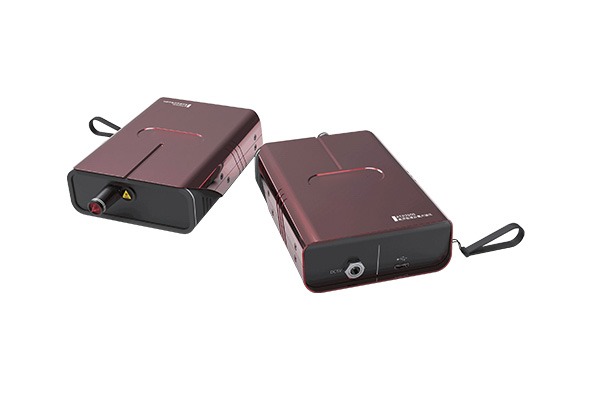
Applications of Surface-enhanced Raman Spectrometers
- Medical Diagnostics
A major and significant applications of enhanced surface Raman spectrometers is for medical diagnostics. They can identify biomarkers of disease in extremely low levels, and often prior to the onset of symptoms. Surface-enhanced Raman spectrometers can be employed to identify the presence of cancerous cells and pathogens and observing biochemical changes in bodily fluids like saliva, blood or urine. Because of its non-invasive nature and its high level of sensitivity, surface-enhanced Raman spectrometers are being studied for diagnostics at the point of care and early screening for disease.
- Environmental Monitoring
Surface-enhanced Raman spectrometer technology is an effective method of monitoring pollution in the environment. It is especially effective in detecting pollutants in soil, water and in the air, such as pesticides, heavy metals, industrial chemicals and organic toxic substances. Portable Surface-enhanced Raman spectrometers allow on-site testing in hazardous or remote areas and make the analysis of environmental conditions in real time more cost-effective and feasible.
- Pharmaceutical Analysis
The pharmaceutical sector uses surface-enhanced Raman spectrometers are used to identify active pharmaceutical components (APIs) as well as the detection of counterfeit drugs and quality control in production. The capability to analyze substances without requiring extensive preparation of samples makes it suitable for quick examination of raw materials and the finished product. Furthermore, surface-enhanced Raman spectrometers are able to monitor the interactions between drugs as well as degradation, in real time.
- Food Safety and Quality Control
Surface-enhanced Raman spectrometers are being increasingly employed for food safety testing. They allow the detection of the presence of foodborne pathogens and pesticides chemical additives, as well as adulterants. If you’re checking the milk for melamine contamination, or examining produce to identify harmful contaminations the surface-enhanced Raman spectrometers offer a quick reliable, accurate, and non-destructive analytical instrument to ensure the integrity of food products.
- Forensic Science
In criminal investigations, the identification and characterization of evidence is crucial. Surface-enhanced Raman spectrometers can analyse small samples of explosives, drugs inks, dyes as well as biological fluids. They can do this with great precision. The ability to work with small sample sizes and complex mixtures makes it a valuable tool for criminal investigations, security inspections, and anti-counterfeiting activities.
- Chemical and Materials Research
Researchers working in chemistry and material science utilize Surface-enhanced Raman spectrometers to study the mechanisms of reaction as well as identifying unknown compounds and studying molecular structures. The technique’s sensitivity enables scientists to observe real-time changes in chemical reactions, and study interactions with catalysts on the surface or nanomaterials.
- Homeland Security and Defense
Surface-enhanced Raman spectrometers aid in national security through the quick detection of dangerous substances, such as explosives, chemical warfare agents as well as biological threats. Mobile Surface enhanced Raman spectrometers are used during field operations to check cargo, baggage or public spaces for dangers.
- Cultural Heritage and Art Conservation
Surface-enhanced Raman spectrometers provide an alternative to analyzing manuscripts, historical artifacts and paintings. Conservators employ it to detect inks, pigments, and other materials without causing damage and aiding restoration work and authenticity confirmation.

Challenges and Ongoing Advancements in Surface-enhanced Raman Spectrometers
| Challenge | Description | Ongoing Advancements |
| The Reproducibility of Surface-enhanced Raman Spectrometers Substrates | The variation in nanostructure shape, size and distribution causes inconsistency in signal enhancement, which affects the data’s reliability. | Design of standardized and scalable nanofabrication techniques to produce uniform and repeatable substrates. |
| Signal Variability | Changes in Raman signal intensities are caused by uneven substrate surfaces as well as environmental elements. | Stable and robust substrates that can maintain the same effects of plasmonics under different conditions. |
| Cost of Noble Metal Materials | The high costs associated with silver and gold restrict its commercial usage. | The research team is looking into other nanostructures and plasmonic materials which reduce costs but do not compromise performance. |
| Complex Spectral Interpretation | Background noise and peaks that overlap makes data analysis difficult particularly when mixed or complex samples. | Integrating machine learning with AI algorithms to ensure automated precise spectral deconvolution, as well as the identification of compounds. |
| Limited Substrate Stability | Physical wear or chemical degradation of substrates decreases their effectiveness over time, particularly in harsh environments. | Design of chemically stable, durable substrates that maintain enhancement properties after long-term use. |
| Distance-Dependent Enhancement | Enhancement decreases rapidly as analytes leave the metal’s surface, thus limiting the detection range. | Engineering substrates that have controllable spacing layers or molecular linkers to maintain analytes within the enhanced zone. |
| Sample Preparation Challenges | Complex sample matrices, as well as processing steps can decrease reproducibility and sensitivity. | Improvements in microfluidic integration and labels-free detection have helped to simplify the handling of samples and increase the consistency of samples. |
| Integration into Portable Devices | The difficulty of miniaturizing components without losing performance is a major obstacle to field deployment. | Design of small, lightweight, and low-power portable Surface-enhanced Raman device for spectrometers on-site analysis and in real-time. |
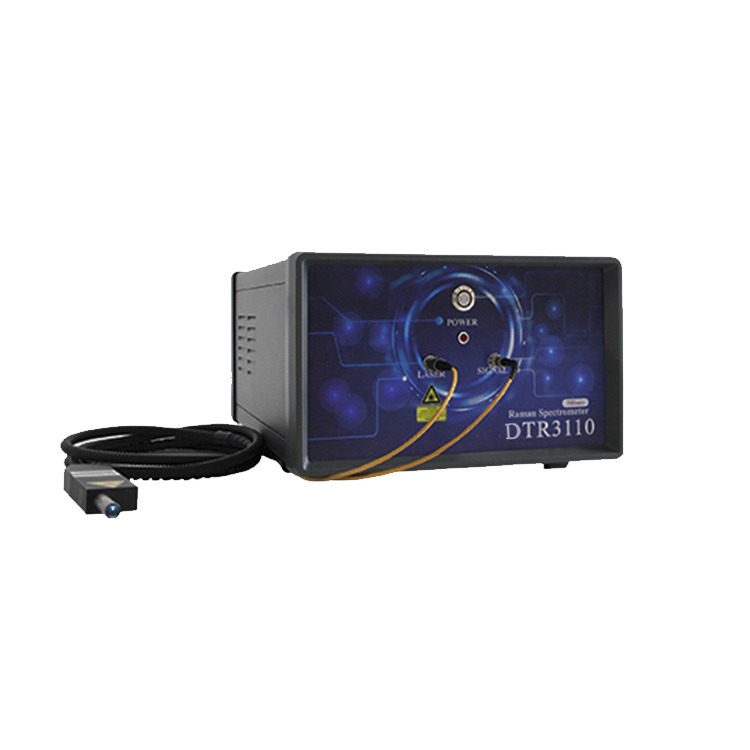
Future Outlook of Surface-enhanced Raman Spectrometers
As technology continues to advance, the future of the Surface-enhanced Raman spectrometers promises even broader applications and enhanced performance.
Advances in Nanofabrication and Substrate Design
One of the main elements that will shape the development of Surface-enhanced Raman spectrometers is their constant advancement of nanofabrication methods. Improved and reproducible manufacturing methods will permit the creation of extremely homogeneous substrates that are that are optimized to enhance the signal. Innovations like 3D nanostructures or hybrid materials as well as flexible substrates are anticipated to broaden the range of measurable analytes as well as environmental conditions.
Integration of Microfluidics as well as Lab-on-a-Chip Systems
Combining Surface-enhanced Raman and microfluidic technology will open the way for small and automated lab-on-achip devices. The integrated systems will mix and prepare samples and detection on the same platform, significantly cutting down on analysis time and sample size. This can make Surface-enhanced Raman spectrometers more useful for diagnostics at the point of care as well as environmental monitoring and testing on-site.
Artificial Intelligence and Advanced Data Analytics
The complicated nature of Raman spectrums often require skilled interpretation. The combination with artificial intelligence (AI) as well as machine-learning algorithms can help improve the analysis of spectra by enabling automated recognition, quantification, as well as pattern identification in real-time. AI-driven systems can improve the accuracy of data, decrease dependence on users and facilitate the processing of complicated samples matrixes.
Development of Portable and Field-Deployable Devices
The future of Surface-enhanced Raman spectrometers are likely to become more user-friendly and portable. The advancements in miniaturization, battery efficiency, and sturdy optical components will enable the development of handheld devices that are capable of fast and in-field detection. This portable Raman spectrometer will greatly enhance applications for environmental surveillance and food safety inspections and homeland security.
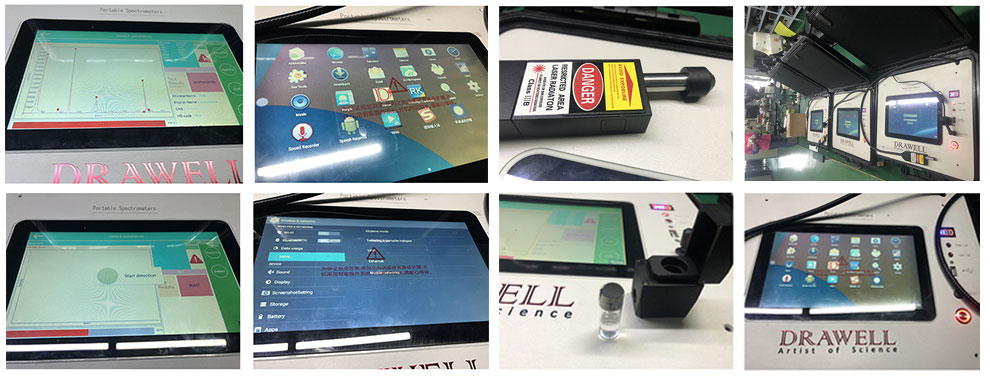
Expanding into new Application Areas
As the Surface-enhanced Raman spectrometer technology improves it will be able to find new fields of application that are not in the conventional field. The latest applications include monitoring industrial processes, real-time studies of metabolic changes in living cells as well as art conservation by non-invasive analysis of materials. The range of applications for Surface-enhanced Raman spectrometers will inspire innovation in research and applications.
Final Thoughts
Surface-enhanced Raman spectrometers can be a transformative analytical tool that pushes detection limits to unprecedented levels across many disciplines. As substrate engineering and instrumentation continue to advance, SERS is poised to become even more accessible and reliable, potentially revolutionizing fields from medical diagnostics to environmental monitoring. With constant innovations, Surface-enhanced Raman spectroscopy technology is expected to unlock new possibilities in molecular sensing and analytical science.
Related Products Recommendation


Get Quote Here!
Latest Posts

What Next?
For more information, or to arrange an equipment demonstration, please visit our dedicated Product Homepage or contact one of our Product Managers.


