


In modern scientific research and industrial quality control, the demand for more comprehensive and accurate molecular analysis has driven the use of multiple spectroscopic techniques. Among these, Raman spectrometers stand out due to their ability to give highly specific molecular fingerprints that are using vibrational modes. When integrated with other spectroscopic tools like infrared (IR) spectroscopy technique, UV-Vis spectroscopy and mass spectrometry (MS), Raman spectroscopy provides a greater analytical power, providing complementary information that improves the characterization, identification, and quantification of the materials.
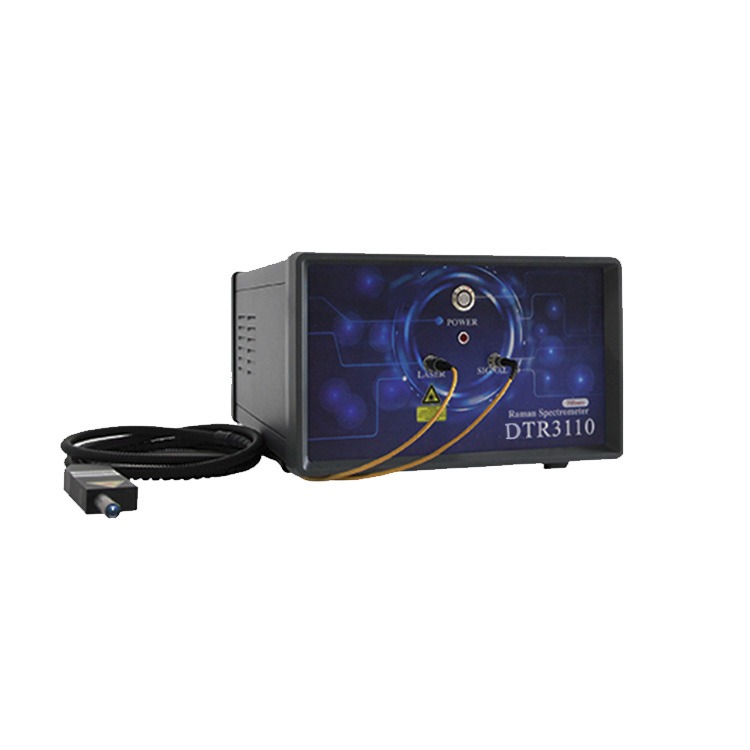
Why Integrate Raman Spectroscopy with Other Spectroscopic Techniques
Complementary Molecular Information Enhances Interpretation
Raman spectroscopy offers information about vibrations that is based on molecular polarizability which makes it extremely sensitive to non-polar, symmetric bonds. In contrast the infrared (IR) spectrums detect vibrations by observing shifts in dipole moment. Combining both methods, researchers have access to a complete spectrum of vibrations that provide a greater understanding of the molecular structure. Similar to when combined with UV-Vis spectroscopy Raman can provide vibrational information to UV-Vis’s electronic transformation data and improve the understanding of molecular behaviour.
Compensating for Technique-Specific Limitations
Each method of spectroscopy has inherent limitations. For instance, Raman spectroscopy can suffer from interference caused by fluorescence in biological samples, whereas IR techniques may encounter difficulties when working in water-rich environments. Integration lets one technique make up for the weaknesses of the other. In the case of biological and pharmaceutical systems, Raman IR or Raman NIR integration can give precise insights regardless of the presence of fluorescent or water compounds.
Enabling Multi-Scale and Multi-Dimensional Analysis
Through combining Raman spectroscopy and tools such as the nuclear magnetic resonance (NMR) or mass spectrometry (MS) scientists can connect molecular vibrational properties with specific compositional or structural data. Raman-NMR integration allows exploration of anatomical scale environments to complete molecular structures, and the integration of Raman-MS allows simultaneous identification of chemical compounds and verification of structure. These methods in combination are valuable for organic syntheses, drug development and for forensic analysis.
Improving Real-Time Monitoring and Process Control
In the industrial setting monitoring in real-time the chemical reactions is crucial. Incorporating Raman with other techniques like near-infrared (NIR) ultraviolet spectroscopy improves the capability of detecting subtle variations in the process. The integrated systems are able to operate either in-line or on-line, assisting the process Analytical Technology (PAT) techniques in industries such as pharmaceuticals, petrochemicals as well as food manufacturing. This increases consistency in the product and improves the speed of decision-making during production.
Increased Data Reliability via Cross-Validation
If Raman spectroscopy is employed by itself, the data interpretation may be unclear because of overlapping peak or low signal intensity. Integration with another technique allows for cross-validation–confirming results through independent, orthogonal measurements. This decreases uncertainty and boosts confidence, especially in areas of quality control and regulatory settings.
Supporting Advanced Research in Complex Systems
In areas of research like Nanotechnology, Materials Science as well as life science, a single-method analysis is often not adequate for being able to capture the complete extent of the sample. Integrated spectroscopic platforms permit researchers to study simultaneously the electronic, vibrational, structural and compositional properties. For example the combination of Raman with photoluminescence or UV-Vis spectroscopy allows for the study of the optical properties of nanomaterials under different excitation conditions.
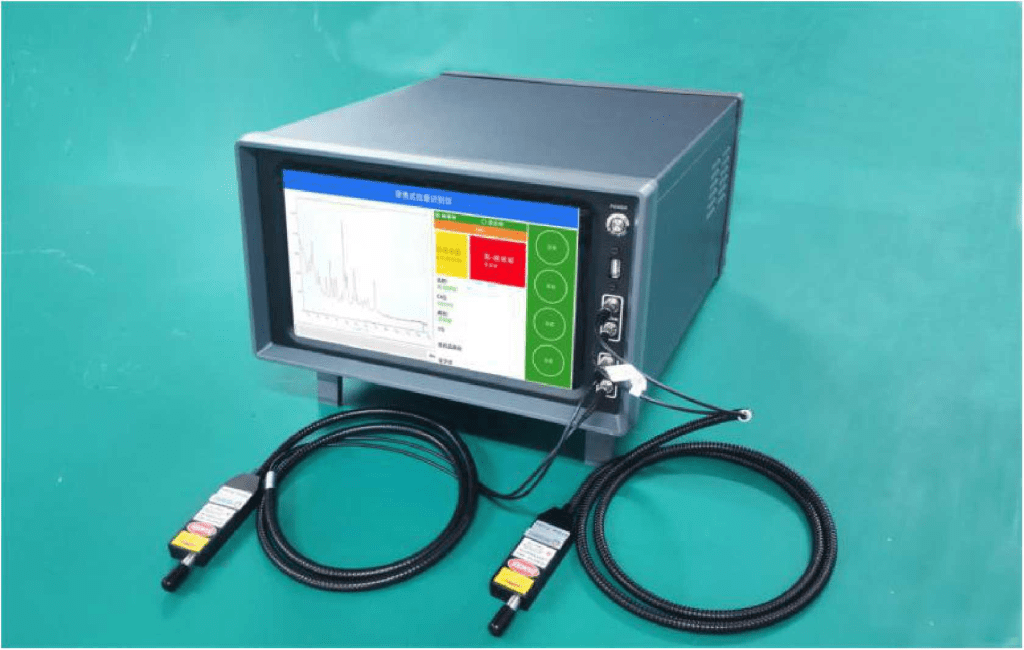
Key Integration Approaches for Integrating Raman Spectrometers with Other Spectroscopic Techniques
1. Raman-Infrared (IR) Spectroscopy Integration
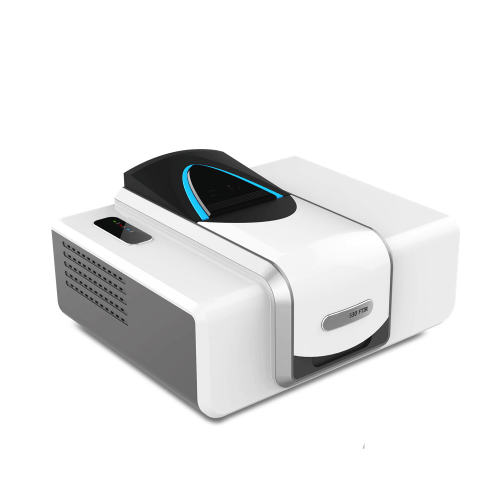
The most commonly integrated techniques is that of Raman and infrared (IR) spectroscopy. Both techniques are used to investigate the vibrational patterns of molecules, however they are both sensitive to various kinds of transitions: Raman to polarizability changes, and the IR technique to dipole moment fluctuations. The two techniques are complementary, allowing researchers to obtain a more complete spectrum of vibrations, and also to distinguish between compounds that are similar.
In the field of pharmaceutical research For instance, the Raman-IR system is used to determine and quantify the different types of drugs, which could have the same chemical compositions, however they differ in their crystal shape and bioavailability. The dual data stream allows for more precise interpretation and is able to meet the requirements of regulatory agencies to conduct solid-state analyses.
2. Raman-UV-Vis Spectroscopy Integration
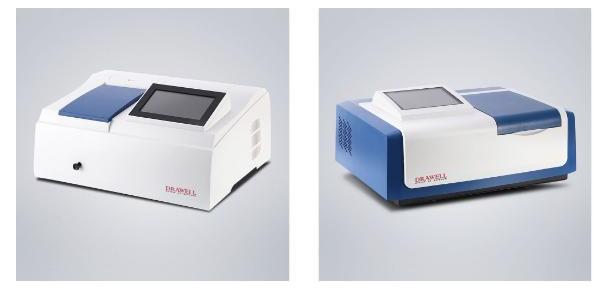
The combination of Raman spectroscopy and ultraviolet-visible (UV-Vis) spectroscopy blends information from vibrations with insight into electronic changes. UV-Vis spectrophotometers offer information about the reflectance and absorbance characteristics of chromophores. Raman spectrometers provide detailed information on molecular vibrations.
This combo is particularly useful for studying dyes, pigments as well as light-sensitive materials. In the field of photochemistry, for instance researchers can observe the behavior of excited states by using UV-Vis, and also utilize Raman to track changes in bonds when photoinduced reactions take place. This dual approach improves the understanding of structure as well as the role of photoactive compounds.
3. Raman-Mass Spectrometry (MS) Integration
Combining Raman spectroscopy and mass spectrometry (MS) makes an effective tool for structural analysis as well as molecular identification. Raman gives qualitative information on molecular vibrations. MS provides high-sensitivity mass-based characterization of compounds.
This is particularly useful for forensic science and the field of metabolomics. Within a single process, Raman can identify functional groups and bonding environment and bonding environments, while MS can confirm the molecular weight as well as elemental composition. This approach is extremely beneficial in increasing the accuracy of analysis, especially when it comes to analyzing complicated or unidentified samples.
4. Raman-Nuclear Magnetic Resonance (NMR) Spectroscopy Integration
The combination between Raman along with Nuclear Magnetic Resonance (NMR) spectroscopy provides an extensive understanding of molecules. While Raman concentrates on the structural and vibrational aspects, NMR offers deep insights into the electronic environment and spatial configurations of the atoms.
This is essential for organic product development, polymer characterization and organic synthesis, in which knowing both the dynamic and structural characteristics of molecules are essential. Raman-NMR integration enables the correlation of functional group vibrations to the atomic structure of molecules, enabling precise molecular modeling.

5. Raman-Near Infrared (NIR) Spectroscopy Integration
For industrial use, Raman spectroscopy is often integrated with near-infrared (NIR) spectroscopy for real-time monitoring of processes. NIR excels at fast non-destructive analyses of bulk materials. It can detect overtones and combinations of molecular vibrations. Raman provides specificity to specific chemical bonds.
This integration is widely used in the manufacturing of pharmaceuticals in Process Analytical Technology (PAT) frameworks. It ensures consistency of quality by monitoring both chemical and physical characteristics of the compounds in the production process.
6. Raman-Photoluminescence (PL) Spectroscopy Integration
In nanomaterial and semiconductor research, Raman spectrometers are frequently integrated with photoluminescence (PL) spectrometers. While PL analyzes optical and electronic properties of the material through emission spectrums, Raman offers structural and Phonon Mode information.
Together, these systems are used to analyze bandgap fluctuations as well as crystal quality and defects in materials such as graphene, quantum dots and various other structures with low dimensions. This allows for a comprehensive characterization of optoelectronics for fundamental research as well as development of devices.
Industrial Applications of Integrating Raman Spectrometers with Other Spectroscopic Techniques
| Industry | Integrated Techniques | Key Applications | Benefits |
| Pharmaceutical | Raman + IR / Raman + NIR | Analysis of formulations, identification of polymorphs Analysis of formulations, (Process Analytical Technology) | Improved structure resolution, real-time process monitoring, and improved quality of the drug |
| Chemical Manufacturing | Raman + UV-Vis / Raman + NIR | Monitoring reactions, monitoring the behavior of catalysts analysis | Monitoring of molecular structure simultaneously and reactions intermediates |
| Forensics | Raman + MS / Raman + IR | Drug identification, explosive residue analysis, counterfeit detection | High sensitivity and sensitivity for trace or complex evidence |
| Materials Science | Raman + PL / Raman + UV-Vis | Nanomaterials and semiconductors characterization and stress and strain analysis | Comprehensive structural and optical analysis for devices-grade materials |
| Environmental Science | Raman + MS / Raman + UV-Vis | Pollutant detection in air/water/soil, speciation studies | Multi-modal data increases the accuracy of detection of trace contaminants |
| Food and Agriculture | Raman + NIR / Raman + IR | Quality control of ingredients, detecting spoilage or other adulterants | Fast, non-destructive screening that includes verification of structural composition as well as structure |
| Petrochemical | Raman + NIR / Raman + MS | Analyzing hydrocarbons, catalyst surface studies | Analysis of complicated mixtures on-line, and enhanced identification of chemicals |
| Biotechnology | Raman + NMR / Raman + MS | Protein folding studies, metabolite profiling, biomarker detection | Detailled molecular interactions data, including structure-function relationship |
| Cosmetics | Raman + IR / Raman + NIR | Emulsion stability, ingredient verification | A reliable analysis of formulation and molecular structure for consistency and product safety |
Technological Trends Enabling the Integration of Raman Spectrometers with Other Spectroscopic Techniques
Integration of Raman spectrometers and other spectroscopy techniques is being accelerated due to an influx of technological advancements. These advancements include optical design as well as the miniaturization of data processing, and instrumentation technology. Together, they’re breaking barriers between techniques that were previously isolated and enable seamless, real-time multi-modal analysis in a variety of industries and research environments.
1. Miniaturization and Modular Instrument Design
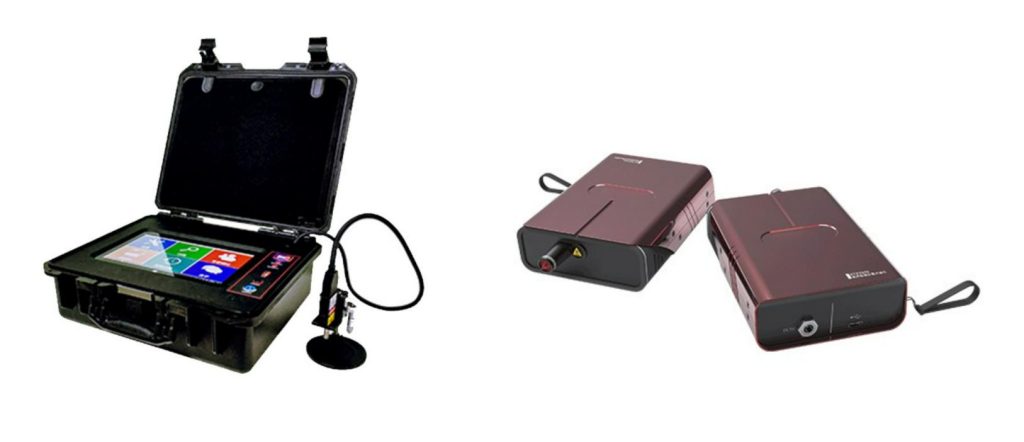
One of the major developments that allows integration is the diminution of optical components as well as the creation modules for the spectroscopy platform. Compact Raman spectrometers are now able to be easily integrated with IR UV-Vis or MS systems on similar footprints. Modular systems permit different components to be assemble according to the requirements of the application and can be arranged in a way that is flexible without losing performance. This is opening the doors to hybrid instruments that can be used on benchtops or portables with settings that range from production lines to fieldwork.
2. Fiber Optic Coupling and Remote Sampling Interfaces
Innovations made in the field of fiber optics have transformed the way spectroscopic instruments can be integrated. Fiber-coupled probes permit remote or in-situ sample collection from just one point of measurement that allows simultaneous collection of Raman and other spectral measurements without having to move the sample. This is especially useful for sensitive environments, monitoring reactions as well as quality monitoring in production when non-contact simultaneous measurements are required.
3. Unified Software Platforms and Data Fusion Algorithms
Software has been a major for enabling integrated spectroscopy. Modern systems offer integrated platforms that manage multiple instruments, coordinate acquisitions and calibration routines. The most important thing is that data fusion algorithms integrate the results of different methods into a single, consistent analytical output. They support multiple-variate analyses, chemometrics and real-time decision-making. This is vital to process analytical technologies (PAT) in addition to high-throughput screening.
4. High-Speed Detectors and Broad-Spectrum Light Sources
The integration of spectroscopic methods is also supported by improvements in the sensitivity of detectors and the efficiency of light sources. InGaAs and high-speed CCD detectors now can manage simultaneous signals from a variety of techniques Supercontinuum lasers as well as diode lasers with tunable wavelengths allow the use of a single light source that can be utilized across a wide spectrum. This decreases redundancy in equipment and allows real-time simultaneous spectral analysis using Raman and other methods.
5. Multi-Spectroscopy Instrumentation Platforms
Manufacturers are developing more multi-spectroscopy instruments that incorporate optical paths as well as shared components. These instruments can be designed in a way to swap between or blend Raman, IR, UV-Vis and NIR measurements in an enclosure. This is not just a way to reduce costs and space requirements, it additionally ensures that measurements are registered and repeatable. These systems are being used in the fields of pharmaceutical analysis, semiconductor inspection, as well as advanced materials research.
6. Cloud Connectivity and AI-Powered Spectroscopy
As the industry shifts to industry 4.0 and smart labs Raman integration is further enhanced by cloud-based platforms as well as artificial intelligence. Cloud connectivity permits remote monitoring, sharing of data and collaboration across laboratories. Additionally AI-driven spectral interpreters can deal with complex multi-spectral data and automatically identify patterns or anomalies that are difficult to identify manually.
Challenges and Solutions in Integrating Raman Spectrometers with Other Spectroscopic Techniques
| Challenge | Description | Solution |
| Instrument Compatibility | Unmatched optical paths, file formats or even physical designs between different systems | Make use of multi-tech platforms, modular or fiber-coupled probes specifically designed to interoperate |
| Signal Overlap or Crosstalk | Interference between techniques in the spectrum (e.g. fluorescence in conjunction with Raman) | Apply spectral filtering or time-gated Raman or other optimized excitation sources |
| Complex Data Interpretation | Multiple datasets could not be easy to connect and correlate. | Utilize advanced data fusion algorithms and chemometric models that allow an synchronized analysis |
| Calibration and Synchronization | There are differences in calibration routines and the timing of acquisition between the instruments | Make use of unified software for automated synchronization and common calibration standards |
| Increased System Cost and Size | Systems that integrate may be more costly or require more space in the lab | Choose the smallest or hybrid of all-in-one instruments specifically designed for the specific needs of your application. |
| Sample Handling Constraints | Some techniques require different sample preparation methods | Make use of multi-modal sample stages or create protocols that are compatible with all the integrated techniques. |
| Software Integration Complexity | Different user interfaces, as well as multiple data formats can slow the workflow | Utilize platforms that provide unified output and control formats for all spectroscopic modules |
| Thermal or Mechanical Instability | The combination of multiple lasers/detectors can create instability issues. | Integrate thermal control systems, as well as vibration isolation in a single instrument design |
Summary
The integration of Raman spectrometers and other spectroscopic techniques exemplifies the future of intelligent, multidimensional and efficient molecular analysis. Through the use of complementary techniques, professional and researchers are able to achieve more comprehensive and precise insight, particularly in complex or sensitive areas.
Related Products Recommendation



Get Quote Here!
Latest Posts




What Next?
For more information, or to arrange an equipment demonstration, please visit our dedicated Product Homepage or contact one of our Product Managers.


