


Imagine a laboratory filled with the smell of organic solvents, where technicians intently watch boiling heating devices and manually record the time – this is the typical scene of traditional fat analysis. However, in today’s pursuit of efficiency and precision, automated fat analyzers are quietly transforming the food testing industry. For any food laboratory, the accurate determination of fat content is not only a fundamental requirement for quality control but also a crucial step in meeting regulatory standards. With the increasing volume of food samples requiring testing, can traditional methods still meet the demands of modern laboratories? The answer is clear: this is precisely why automated fat analyzers are becoming standard equipment.

The Real-World Challenges of Food Fat Testing and the Technological Shift
The Pain Points of Traditional Fat Analysis
Traditional fat analysis methods, particularly the classic Soxhlet extraction, have been widely used in food testing. However, their inherent limitations are becoming increasingly apparent as testing demands escalate. The traditional process typically involves manual weighing, assembling the Soxhlet apparatus, prolonged heating and reflux, solvent evaporation, and manual calculation. The entire procedure is not only time-consuming (often taking 6-8 hours or more) but also heavily reliant on the operator’s skill and experience.
More concerning are the safety risks. Many fat extraction processes require the use of large volumes of flammable organic solvents like diethyl ether or petroleum ether. These solvents pose significant fire or explosion hazards under prolonged heating conditions. Additionally, solvent vapors can threaten the health of laboratory personnel. Together, these factors create the main pain points of traditional fat analysis: low efficiency, high risk, and poor consistency.
The Automatic Fat Analyzer: A Product of Technological Evolution
The automatic fat analyzer is the result of marrying the principle of Soxhlet extraction with modern automation technology. It innovatively automates the entire process—from extraction and solvent recovery to result calculation—fundamentally changing how fat analysis is performed.
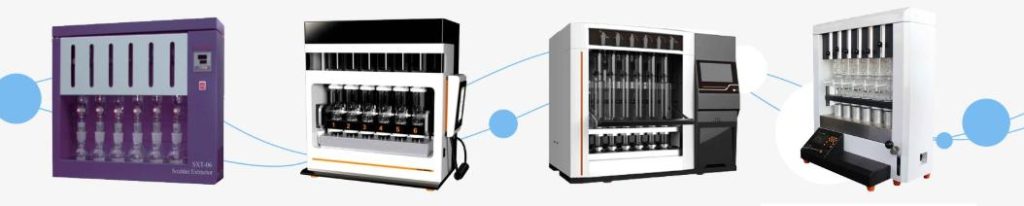
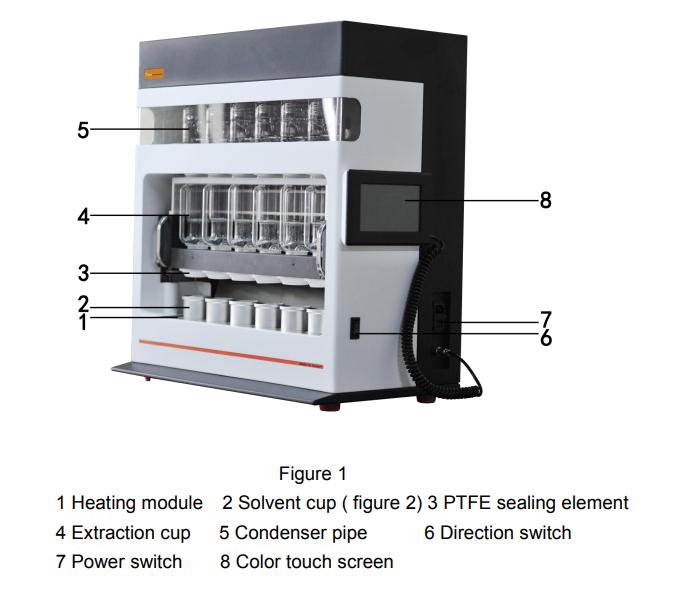
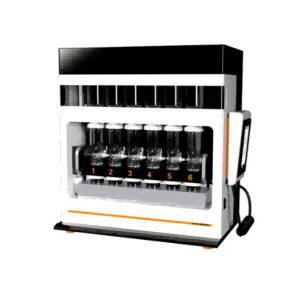
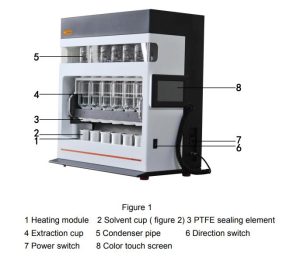
Take Drawell Analytical’s fully automatic fat analyzers as an example. These devices typically integrate an intelligent control system, safety protection mechanisms, and efficient heating modules, capable of completing the entire analysis without manual intervention. The enclosed system effectively prevents solvent leakage, while built-in multiple safety protections, such as over-temperature protection and solvent leakage monitoring, significantly enhance lab safety.
Manual vs. Automatic: A Clear Comparison
Simply put, traditional methods and automatic analyzers differ markedly across several key dimensions:
| Aspect | Traditional Soxhlet Extraction | Automatic Fat Analyzer |
| Hands-on Time | 6-8 hours per sample typically required | Multiple samples processed simultaneously, drastically reducing time per sample |
| Personnel Demand | Requires skilled technician’s constant attention | Essentially unattended operation, freeing up technicians |
| Safety | Open system poses solvent vapor and fire risks | Enclosed system with multiple safety protections |
| Result Consistency | High variance, dependent on operator skill | Program-controlled, excellent repeatability |
| Solvent Consumption | Typically high, difficult to fully recover | Intelligent solvent management reduces use and increases recovery |

Why Automatic Fat Analyzers Are Becoming the “Standard”
The shift toward automation is not driven by a single factor—it’s a combination of practical, day-to-day laboratory needs.
Significantly Higher Testing Efficiency
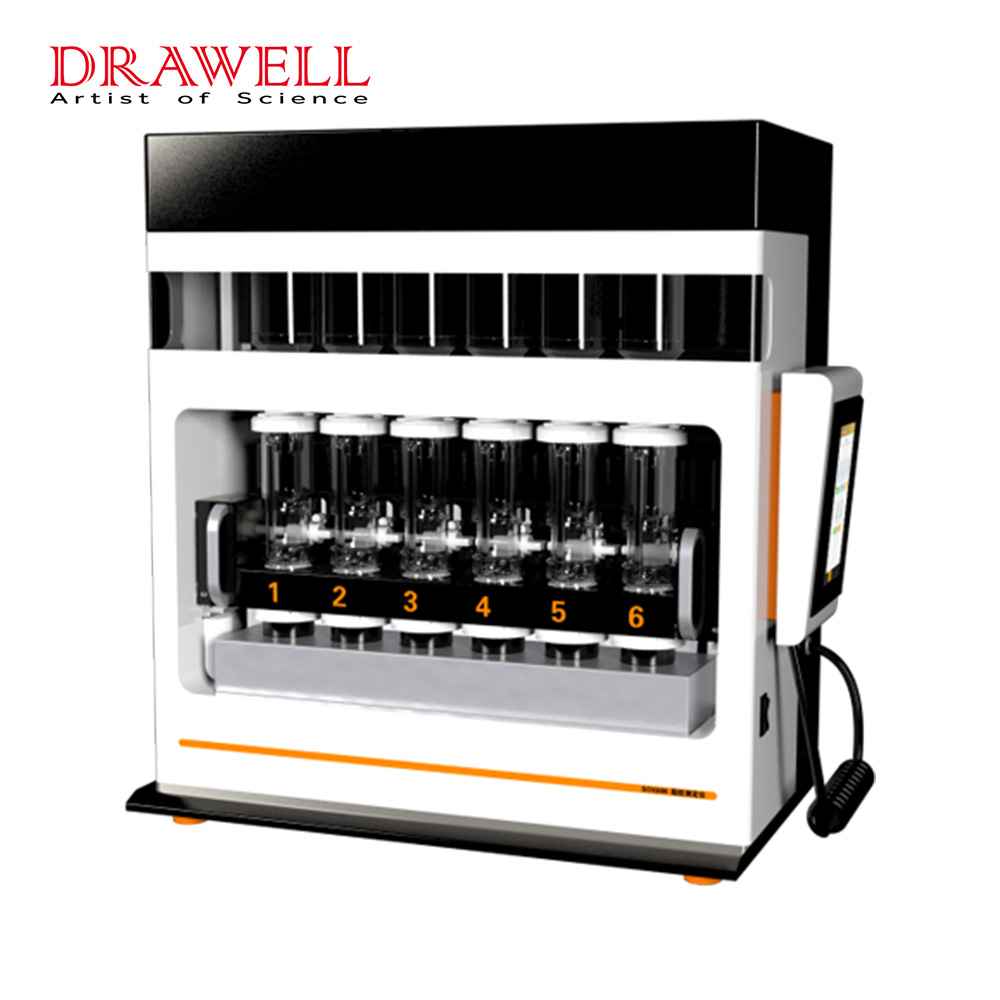
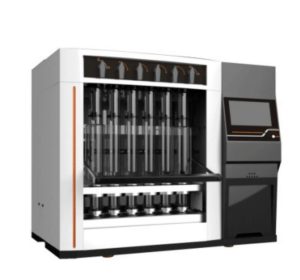
Modern food testing labs face the challenge of ever-increasing sample volumes. The most immediate advantage of automatic fat analyzers is the dramatic boost in testing efficiency. Unlike manual methods that process one sample at a time, modern analyzers like Drawell’s DW-SOX606 support multi-channel parallel processing, allowing several samples to be analyzed simultaneously and multiplying lab throughput.
This efficiency gain isn’t just about the number of samples; it’s also about time savings. While traditional methods require technicians to monitor the process for hours, automated equipment only needs initial setup before carrying out the entire process—extraction, solvent recovery, and calculation—automatically. This allows technical staff to focus on more complex analytical tasks.
Superior Result Consistency and Repeatability
Food safety testing demands extremely high data accuracy and repeatability. Human factors in manual operations are often the primary cause of result variability. Automatic fat analyzers control every step—temperature, time, solvent volume—programmatically, minimizing errors introduced by human intervention.
For instance, Drawell’s automatic fat analyzers employ precise temperature control technology and intelligent solvent management systems to ensure highly consistent experimental conditions for each analysis. This not only improves the comparability of results within a single lab but also makes data from different laboratories more readily acceptable—a crucial factor for food testing that often requires multi-party verification.
Reduced Reliance on Skilled Labor and Lower Training Costs
The traditional Soxhlet method requires operators to possess considerable experience and skill. Every step, from apparatus assembly to endpoint determination, can influence the final result. Training a proficient fat analysis technician usually takes months or even longer.
Automatic fat analyzers simplify the operational workflow. New staff can become proficient after short-term training. The device’s intuitive interface and pre-set method programs lower the technical barrier to entry while reducing the risk of knowledge gaps due to staff turnover. In the long run, this saves laboratories significant training costs and time investment.
A Safer Laboratory Environment
Laboratory safety is the top priority for any testing facility. The organic solvents used in traditional fat analysis are flammable and volatile, and the prolonged heating process presents obvious safety hazards. Automatic fat analyzers significantly mitigate these risks through fully enclosed designs and multiple safety protection mechanisms.
Drawell’s fat analysis equipment integrates several safety features, including automatic over-temperature protection, solvent leakage monitoring, and automatic fire suppression systems, providing comprehensive safety assurance for the laboratory. This focus on safety not only protects lab personnel but also reduces potential losses from accidents.
Better Alignment with Modern Laboratory Management Needs
As standardization in the food testing industry increases, laboratory management is placing greater emphasis on data integrity and traceability. Traditional manual methods rely on paper records, which are prone to error and difficult to trace. In contrast, automatic fat analyzers are often equipped with data management systems that automatically record and store complete testing process data.
Drawell’s fat analysis equipment enabling electronic recording, storage, and transmission of data. This fully meets the requirements of modern labs for data integrity and audit trails. Such digital management not only improves workflow efficiency but also provides strong support for laboratory accreditation and audits.

Where Automatic Fat Analyzers Show the Greatest Advantage
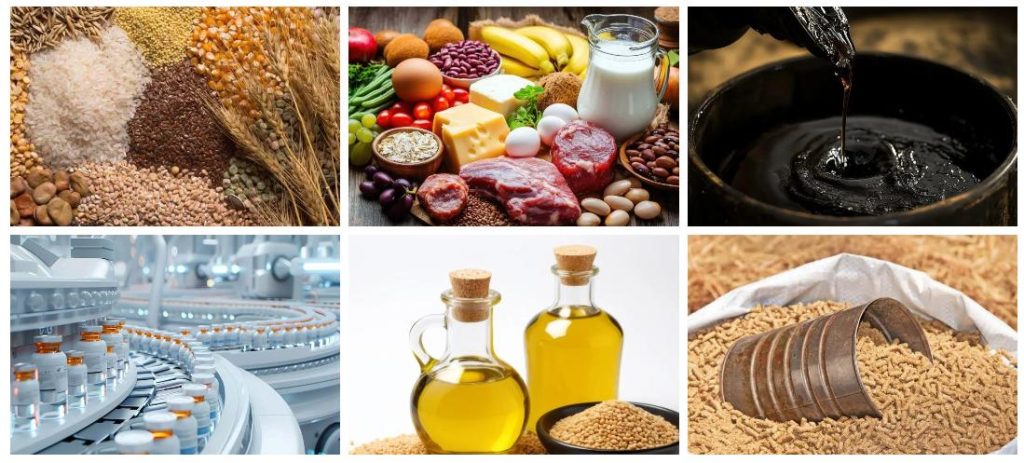
The value of automatic fat analyzers is particularly evident in specific food testing scenarios. The first is routine testing with high sample volumes, such as monitoring the fat content of raw and finished milk in dairy plants, or analyzing fat in different batches of raw materials for meat processors. In these settings, the high-throughput capability of automatic analyzers can significantly boost a lab’s overall efficiency.
The second scenario involves testing with extremely high demands for data consistency, like fat content analysis in infant formula. Standards for such products are exceptionally strict, and variations between batches can affect compliance. The stable, repeatable results provided by automatic analyzers offer reliable assurance for these high-stakes tests.
Furthermore, automatic analyzers demonstrate unique value in production process control requiring rapid feedback. For example, monitoring real-time fat content changes during vegetable oil refining helps optimize process parameters, improving product quality and yield. Traditional methods struggle to provide timely feedback, whereas automatic analyzers can meet this need effectively.
Why Upgrading Earlier Makes More Sense Than Waiting
Many laboratories delay upgrading equipment, assuming manual methods are “good enough.” In practice, waiting often leads to higher long-term costs.
- Rising labor costs make manual workflows increasingly expensive
- Growing sample volumes strain existing capacity
- Safety and compliance requirements continue to tighten
By upgrading earlier, labs can spread investment costs over more years while benefiting immediately from improved efficiency, consistency, and safety.
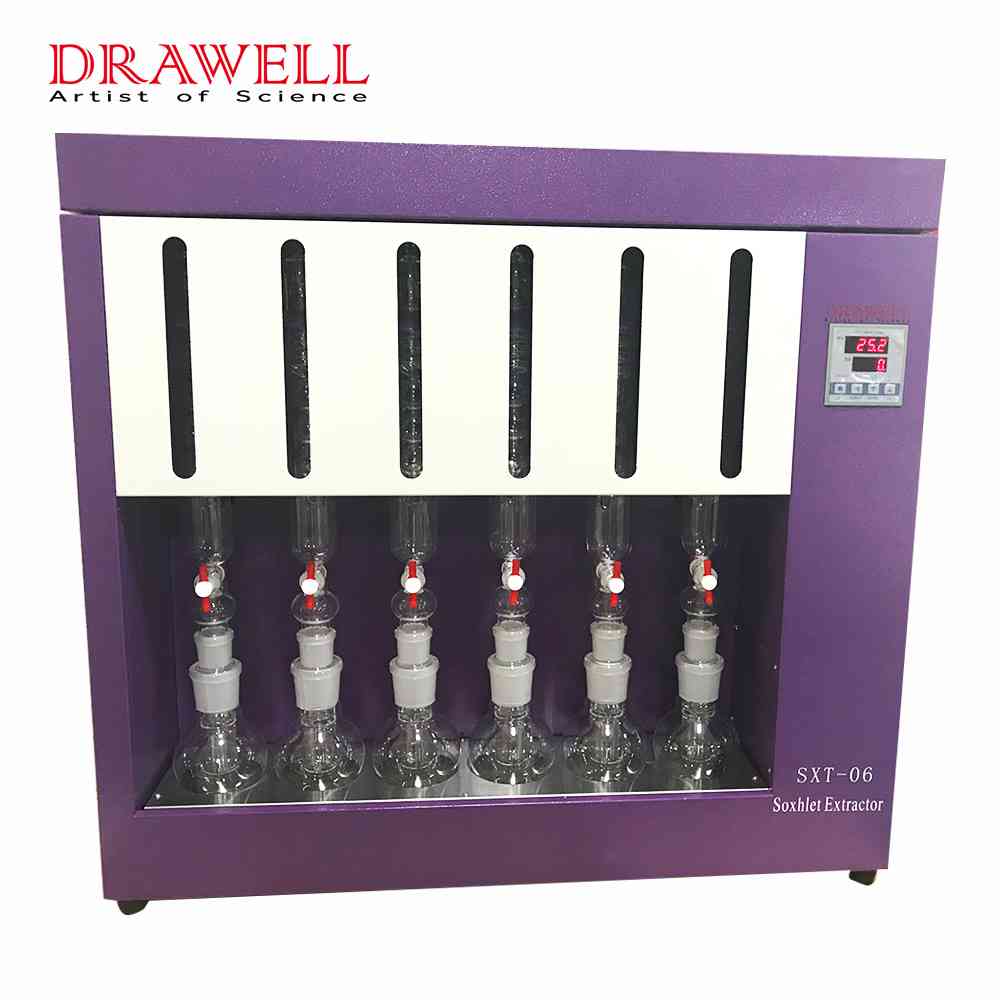
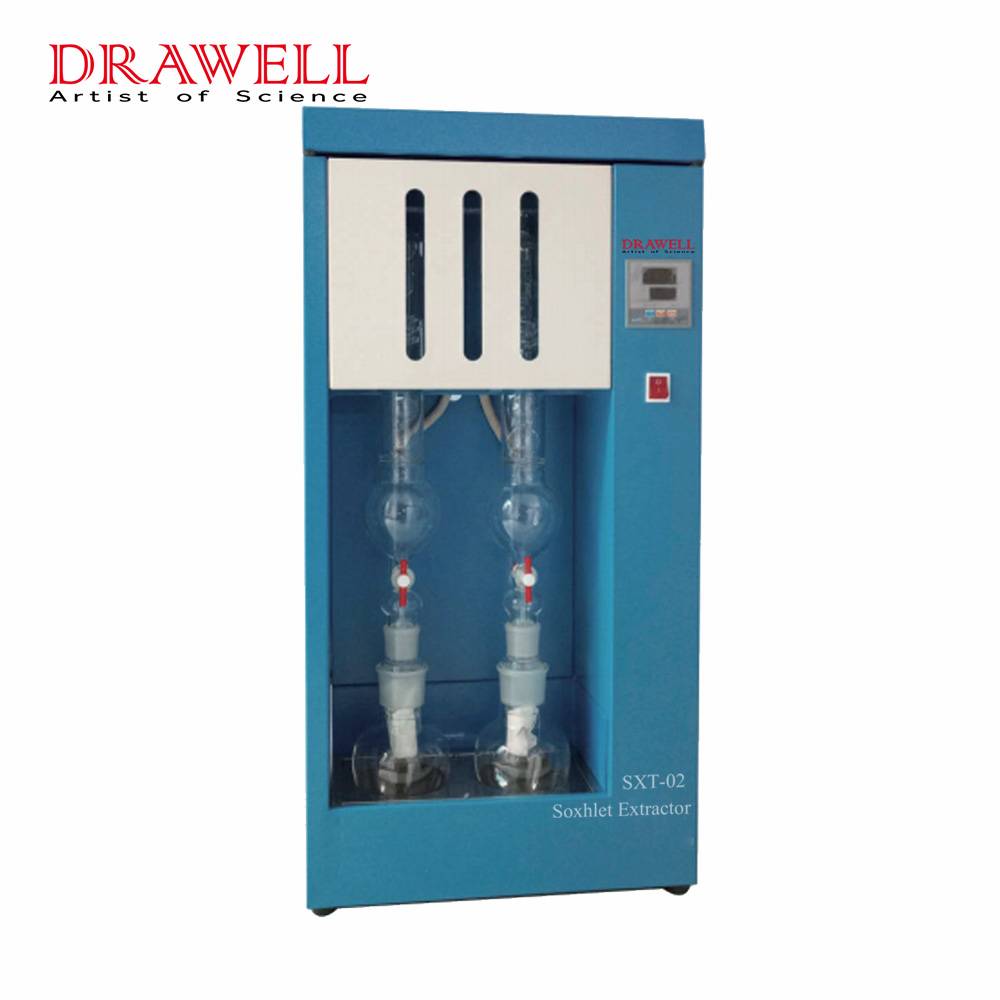
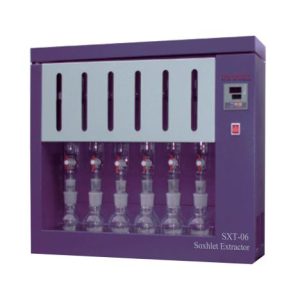
For laboratories that still rely on classic setups, even semi-automatic or compact Soxhlet extractors can serve as a practical first step toward automation.
As food testing laboratories continue to evolve, automatic fat analyzers are no longer just an upgrade—they are becoming the standard. For labs aiming to improve efficiency without compromising accuracy, automation is simply the logical next step.
If you’re considering optimizing your fat analysis workflow, working with an experienced supplier can help ensure the solution fits both your testing needs and long-term laboratory goals. Feel free to contact Drawell for more fat analyzer solutions.
Related Products Recommendation
Get Quote Here!
Latest Posts

What Next?
For more information, or to arrange an equipment demonstration, please visit our dedicated Product Homepage or contact one of our Product Managers.


