


The separation method of solvent extraction has applications in chemistry, pharmaceuticals, environmental science and food analysis to achieve efficient separation of purification and concentration of target substances. Scientists have developed multiple solvent extraction techniques to achieve higher extraction efficiency while using less solvent and operating with different sample types. The laboratory and industrial sectors can select their optimal extraction method through their understanding of common solvent extraction methods.

Understanding the Basics of Solvent Extraction
Solvent extraction involves two immiscible liquid phases:
- Aqueous Phase: usually water containing dissolved compounds.
- Organic Phase: an organic solvent that selectively dissolves the target compound.
The distribution of the target compound across two phases, achieved by the partition coefficient, is dependent on the relative firmness or solubility in either layer. The two phases are then allowed to separate, while the compound of interest is collected from the phase, which holds a higher concentration.
Common organic solvents used in solvent extraction include:
- Diethyl ether
- Ethyl acetate
- Dichloromethane
- Hexane
- Chloroform
The technique is commonly performed using laboratory equipment such as separatory funnels, extraction columns, or automated extraction systems.

Common Types of Solvent Extraction Methods
A variety of solvent extraction methods have been developed to address different types of samples and analytical needs.
1. Liquid-Liquid Extraction
Liquid-Liquid Extraction is one of the oldest methods and most widely used type of solvent extraction. In this type of extraction, two immiscible liquids are in use, the latter referred to as “organic solvent” and the former being an aqueous solution, for dissolving the compound in question. By mixing the two liquids together, the compound can be caused to move from one layer to the other, depending on solubility.
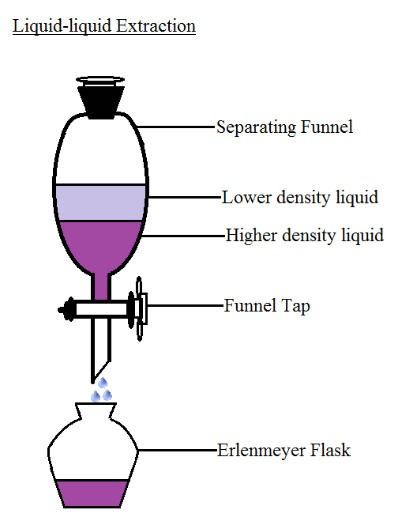
Following emulsifying of the two phases, they are allowed to settle so that they could carry out the rough separation. The sample solution and temperature are so manipulated that the proper amount of solute concentrates in the solvent with higher solubility. This is usually carried out through a separatory funnel in a laboratory or through a complexing call in an industrial setting. Liquid-liquid extraction is applied in many areas like analytical chemistry, pharmaceuticals, and the production of wastewater as well.

2. Solid–Liquid Extraction
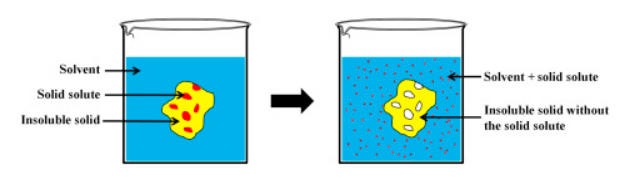
Solid-liquid extraction is the process of dissolving chemicals from an insoluble solid material into a liquid solvent; in this regard, the solvent fairly penetrates the solid matrix and dissolves the targeted substances, leaving them as products, isolated from the rest of the solid residue.
The process is frequently carried out to extract natural products from plants, recover active ingredients in pharmaceutical production, and isolate compounds from food materials. The efficiency of the process depends upon the particle size of the solid sample, the solvent used, temperature, and mixing conditions.
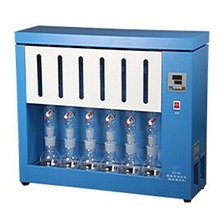
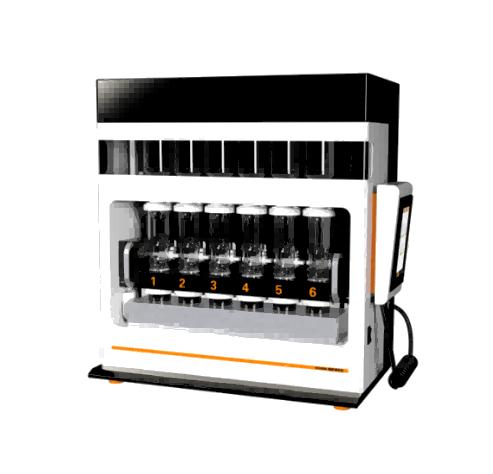
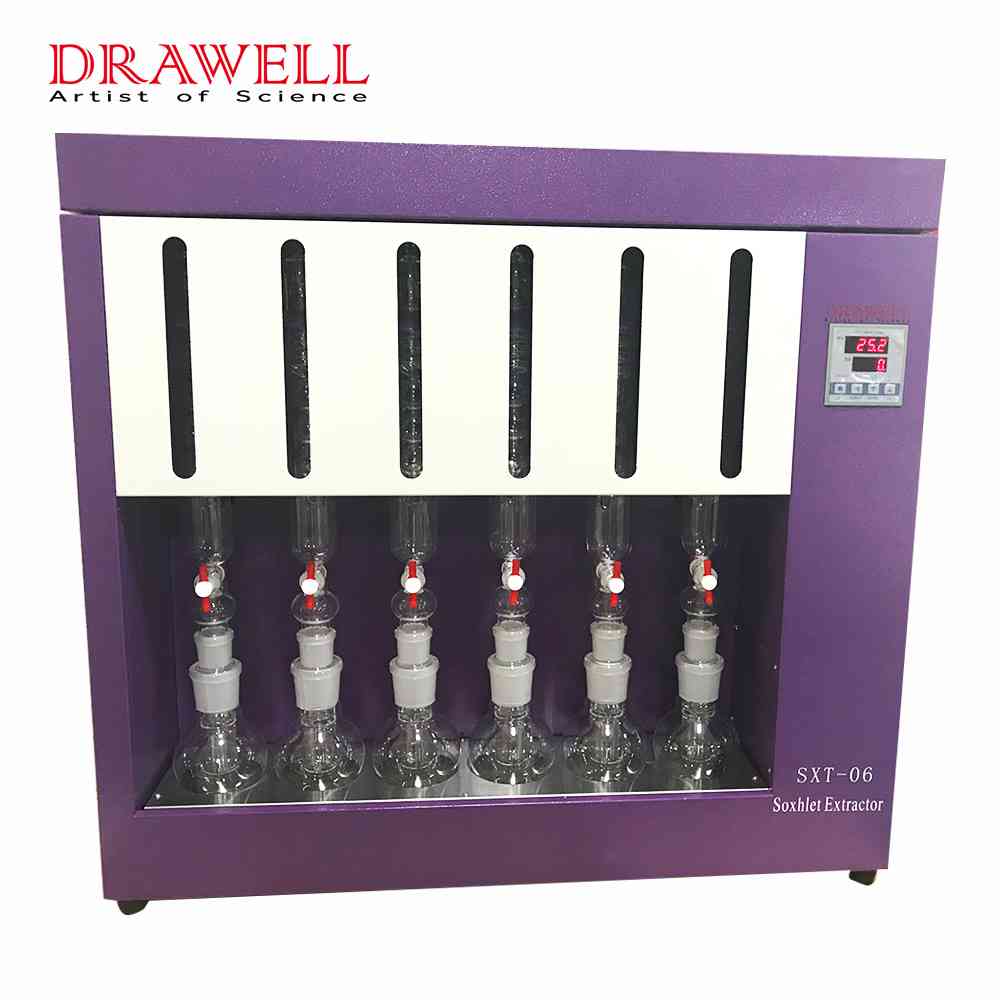
3. Soxhlet Extraction
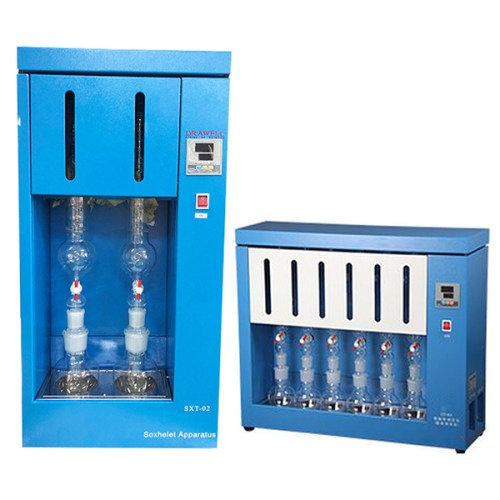
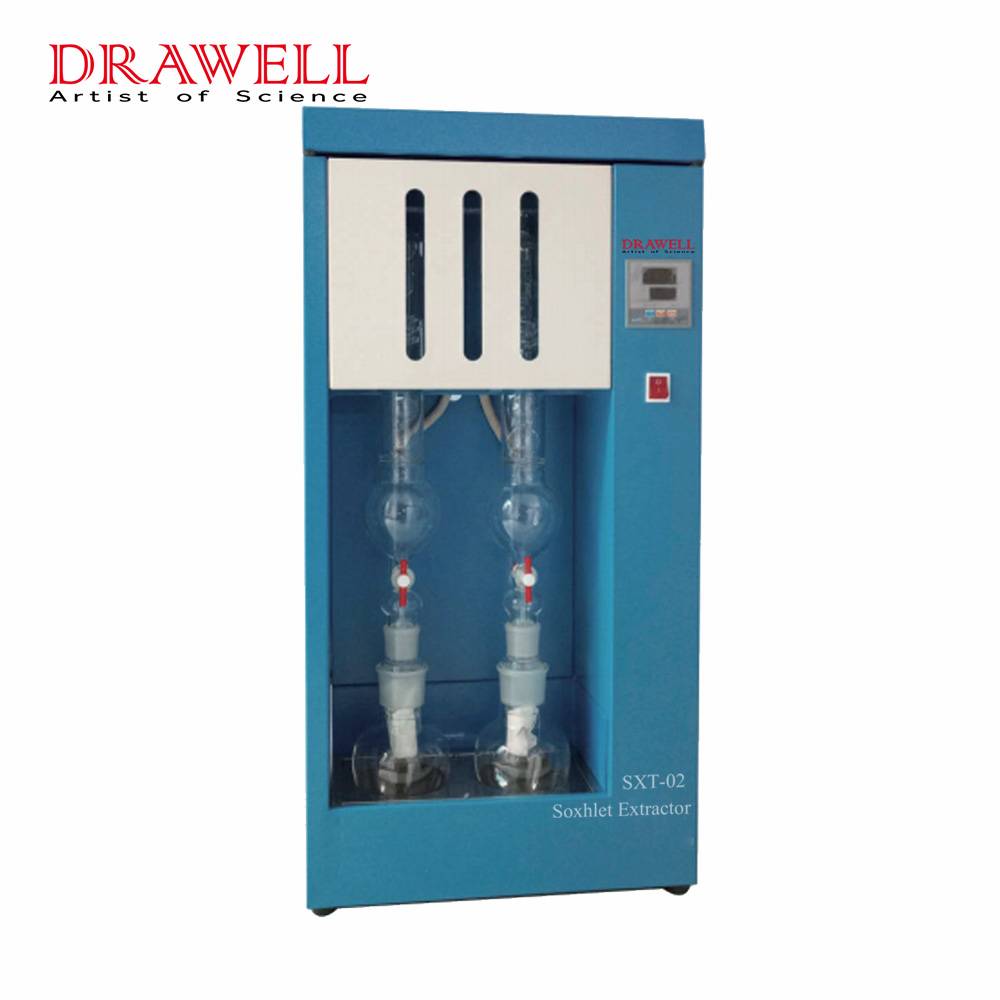
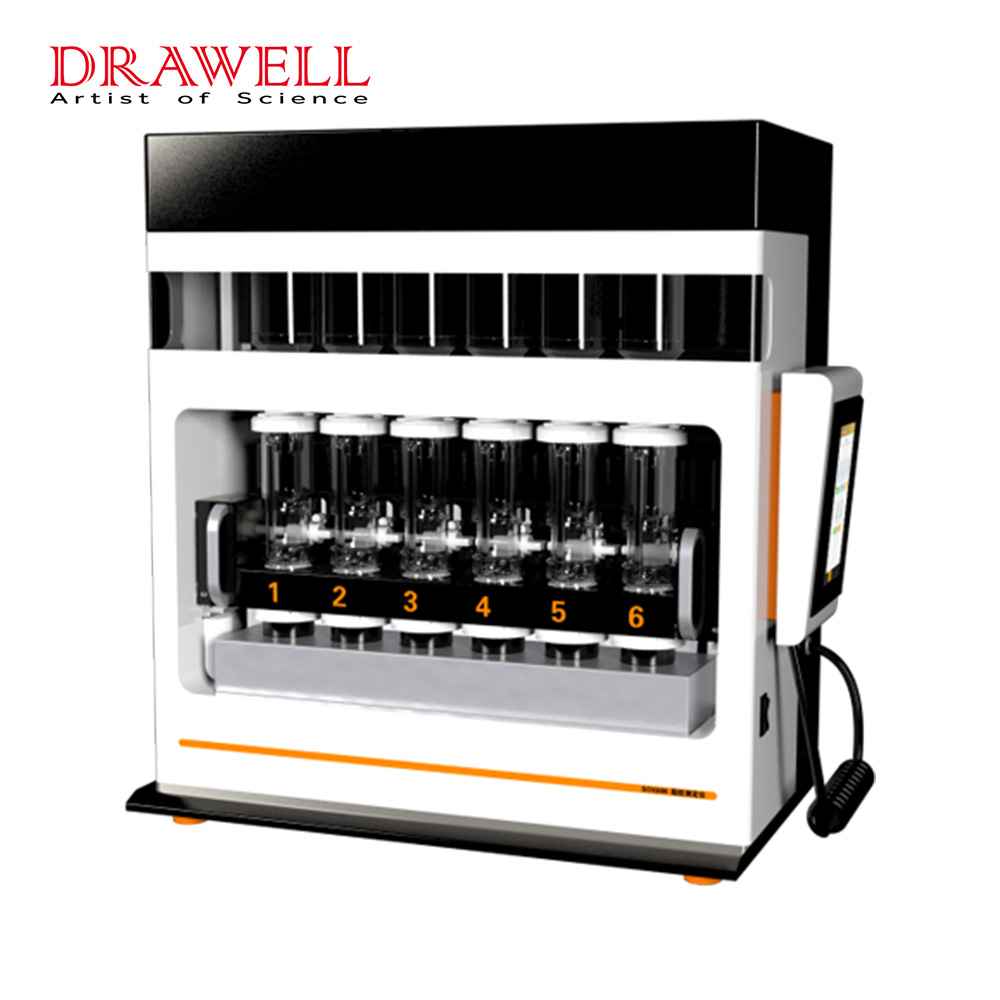
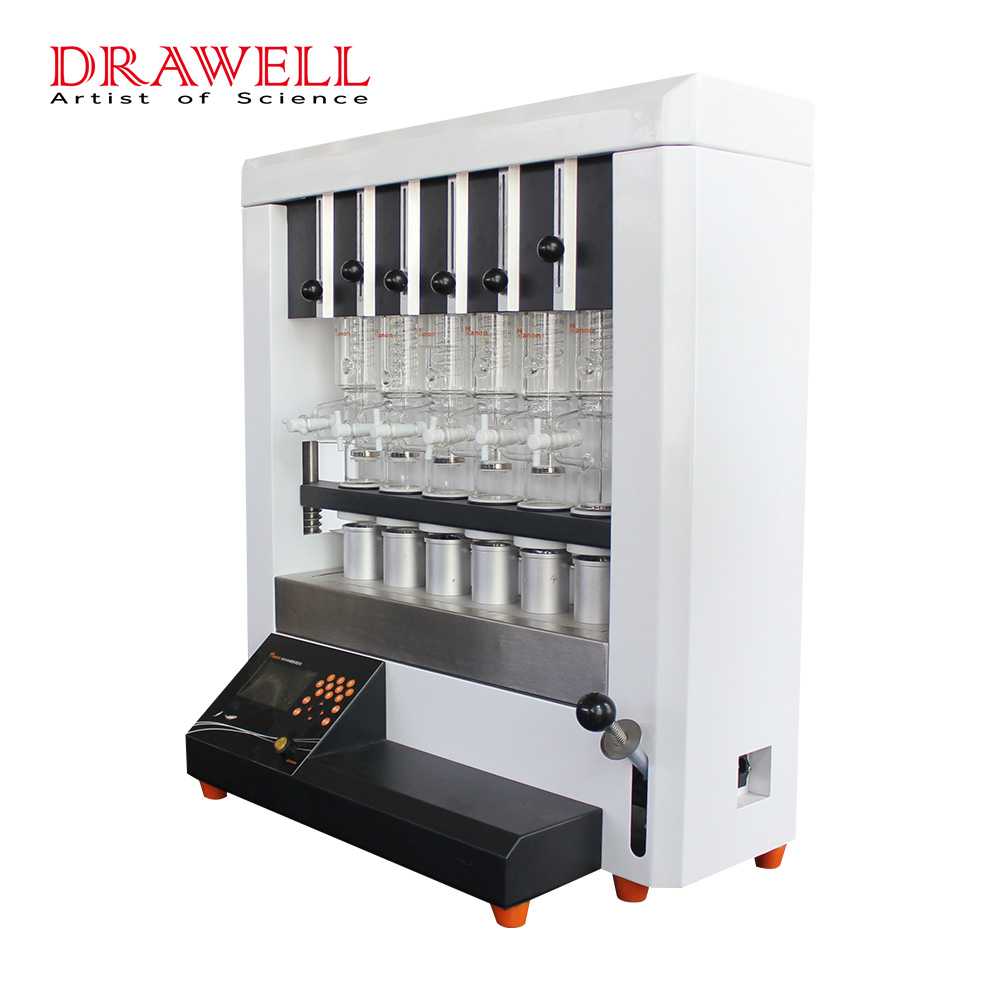
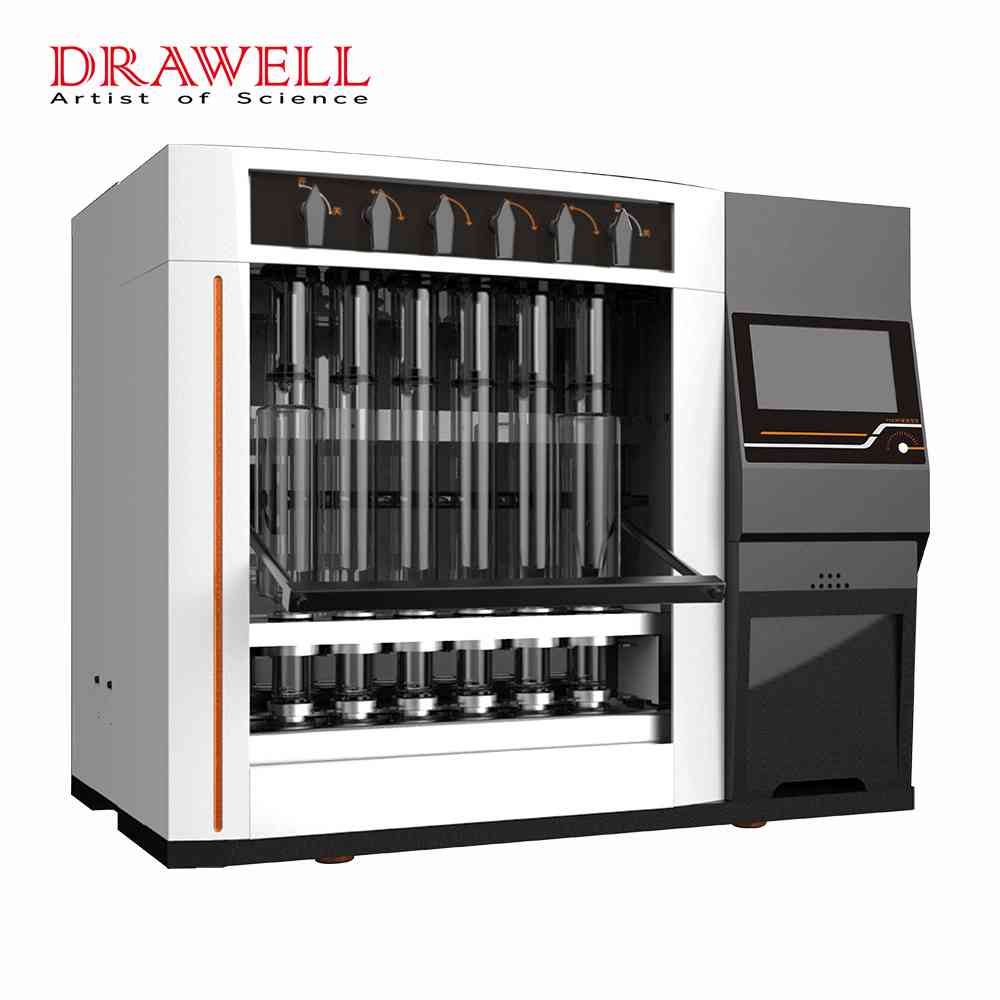
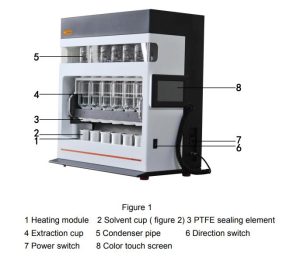
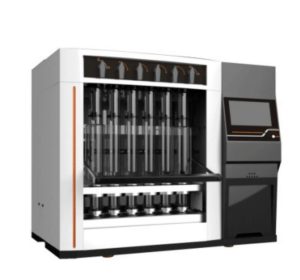
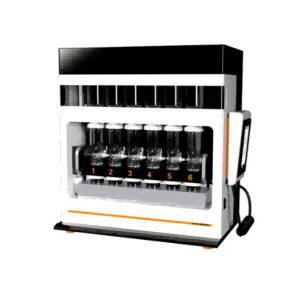
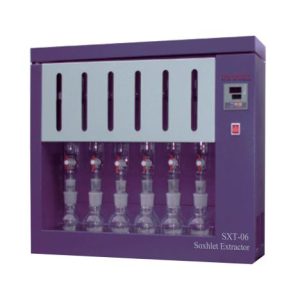
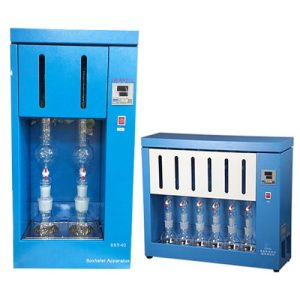
Soxhlet extraction is a specific solvent extraction technique for continuous extraction of compounds from solid materials. In this process, the solvent is vaporized and then condensed, washing over the solid sample placed in the extraction chamber.

Through these continuously repeated actions, fresh solvent gets into contact with the sample multiple times, enhancing extraction efficiency without the need for a large volume of solvent at once. Soxhlet sxtractors are used for obtaining lipids, oils, and organic compounds from plant materials, food samples, and environmental samples.
4. Supercritical Fluid Extraction
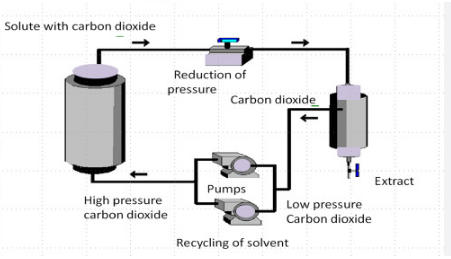
Supercritical fluid extraction is an advanced method of solvent extraction: the use of fluids above their critical temperature and pressure. Under these conditions, the fluid exhibits properties of both liquids and gaseous states, allowing it to penetrate the substrate quite easily while effectively dissolving the compounds.
The most widely used of the supercritical fluids, carbon dioxide is both non-toxic and cheap and removed easily after extraction. In the food industry, the method of decaffeination, extraction of essential oils, and isolation of natural products are some valuable applications of this method. Its appeal also extends to the environmental one, given the concerns associated with traditional organic solvents.
5. Accelerated Solvent Extraction
Accelerated solvent extraction significantly helps enhance the process by means of high pressure due to high temperatures. These conditions increase the solubility of target compounds in the solvent to promote the infiltration of the solvent within the sample matrix.
The method cuts down largely upon extraction time and solvent consumption, serving as a substitute for more traditional methods. Accelerated solvent extraction is used extensively in environmental analysis, food safety, and pharmaceutical research where the qualifications require quick and efficient extraction methods.

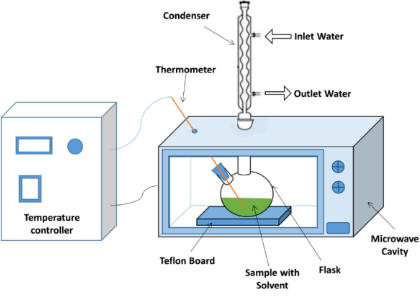
6. Microwave-assisted Solvent Extraction
Microwave-assisted solvent extraction is an alternative method that uses microwave energy to heat the solvent and the sample quickly, whereby the compounds are subsequently released spontaneously into the solvent.
Rapid heating reduces both extraction time and loss of extraction efficiency compared to conventional extraction.
This technology is particularly useful in analytical laboratories for the extraction of organic compounds from plant materials, food products, and environmental samples. It also helps to conserve energy and minimize the amount of particular solvents used.
Key Factors Affecting the Choice of Solvent Extraction Method
Selecting the appropriate solvent extraction method depends on several important considerations.
| Factor | Description | Impact on Method Selection |
| Nature of the Sample | Refers to whether the material is a liquid, solid, or semi-solid and its physical structure. | Determines whether techniques such as liquid–liquid extraction, solid–liquid extraction, or Soxhlet extraction are more suitable. |
| Properties of the Target Compound | Includes polarity, solubility, volatility, and chemical stability of the compound to be extracted. | Influences the choice of solvent and extraction conditions to ensure efficient separation and prevent compound degradation. |
| Solvent Compatibility | Refers to the ability of the solvent to selectively dissolve the desired compound while remaining immiscible with the other phase. | Appropriate solvent selection improves extraction efficiency and minimizes co-extraction of impurities. |
| Extraction Efficiency Requirements | The level of purity or recovery rate required for the final product or analysis. | High-efficiency requirements may favor advanced methods such as accelerated solvent extraction or supercritical fluid extraction. |
| Extraction Time | The amount of time available to complete the extraction process. | Faster techniques such as microwave-assisted extraction may be preferred when rapid results are needed. |
| Solvent Consumption | The volume of solvent required during the extraction process. | Methods that minimize solvent use are often chosen to reduce cost and environmental impact. |
| Equipment Availability | Refers to the accessibility of specialized extraction equipment in the laboratory or production facility. | Some advanced extraction methods require dedicated instruments, which may influence the feasibility of their use. |
| Environmental and Safety Considerations | Includes solvent toxicity, flammability, and environmental regulations related to solvent disposal. | Green extraction techniques and environmentally friendly solvents are increasingly favored in modern laboratories and industries. |
| Scale of Operation | Indicates whether the extraction is performed at laboratory scale, pilot scale, or industrial scale. | The extraction method must be compatible with the required production scale and process efficiency. |
Applications of Solvent Extraction Methods
Solvent extraction methods are used across many industries and research fields.
| Application Field | Description | Typical Purpose of Solvent Extraction |
| Pharmaceutical Industry | Used during drug development and manufacturing processes. | Isolation and purification of active pharmaceutical ingredients (APIs) and removal of impurities from reaction mixtures. |
| Environmental Analysis | Applied in environmental monitoring laboratories to prepare samples for analysis. | Extraction of pollutants such as pesticides, organic contaminants, and heavy metals from water, soil, and biological samples. |
| Food and Beverage Industry | Used to recover valuable compounds from natural raw materials. | Extraction of edible oils, flavors, fragrances, antioxidants, and other bioactive compounds from plant and food materials. |
| Chemical Industry | Widely used in chemical processing and product purification. | Separation of desired chemicals from complex mixtures and purification of intermediates in chemical manufacturing. |
| Metallurgy and Hydrometallurgy | Important in metal refining and mineral processing industries. | Recovery and purification of metals such as copper, uranium, nickel, and rare earth elements from ore solutions. |
| Petrochemical Industry | Used in refining and processing petroleum-based products. | Removal of impurities, recovery of valuable hydrocarbons, and improvement of product quality. |
| Biotechnology and Natural Products | Used in research and industrial production involving biological materials. | Isolation of natural compounds, enzymes, and other bioactive substances from microorganisms and plant extracts. |
| Cosmetic Industry | Applied in the production of cosmetic and personal care ingredients. | Extraction of essential oils, fragrances, pigments, and plant-based active ingredients for cosmetic formulations. |
Summary
Solvent extraction is indeed a very comprehensive and greatly applied technique for the separation of matters, and they may be consumed forever in chemistry and other industries. Liquid-liquid extraction has grown significantly since its inception, and it is used widely for the separation of various substances. The number of ways to establish itself comprises through recent advances in the extraction methods, such as microwave-assisted, supercritical fluid, or soxhlet. Herbaceously, extraction methods have also improved substantially through developments in robot extraction in the lab environment. Modern solvent extraction techniques continually transform with developments in modern technology due to advances in green chemistry, automation and process efficiency.
Related Products Recommendation
Get Quote Here!
Latest Posts

What Next?
For more information, or to arrange an equipment demonstration, please visit our dedicated Product Homepage or contact one of our Product Managers.


